
Traditional Corned Beef Roast
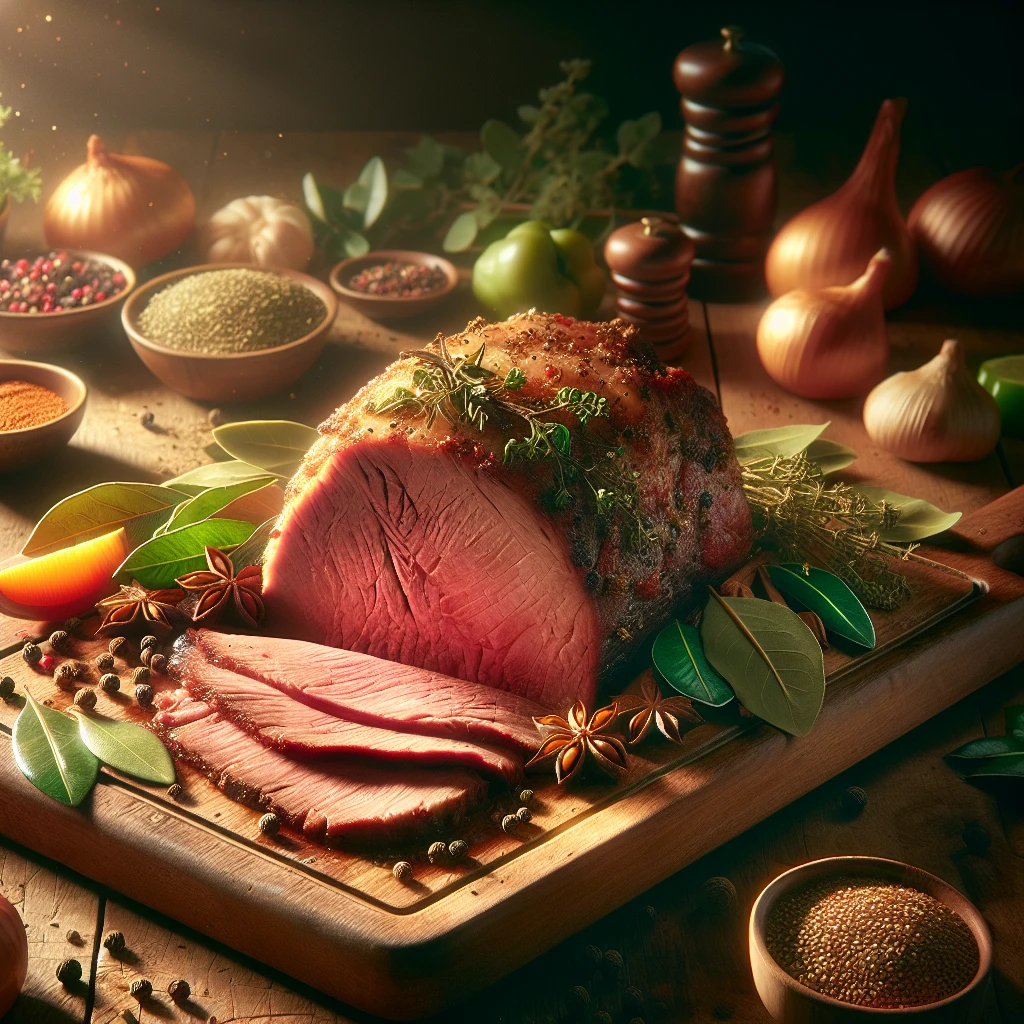
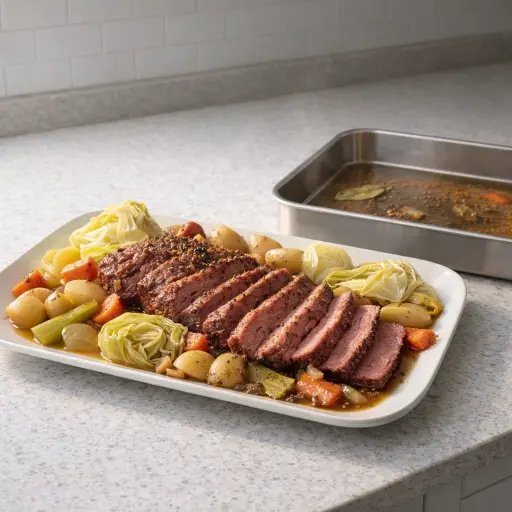
There’s nothing quite like a traditional corned beef roast to bring a little warmth and comfort to your table. This recipe is perfect for family gatherings, holidays, or any time you crave a hearty, flavorful meal. Let’s dive into why this classic dish is a must-try!
 Share
Share
This post may contain affiliate links. As an Amazon Associate, we earn from qualifying purchases.
Ingredients for Traditional Corned Beef Roast
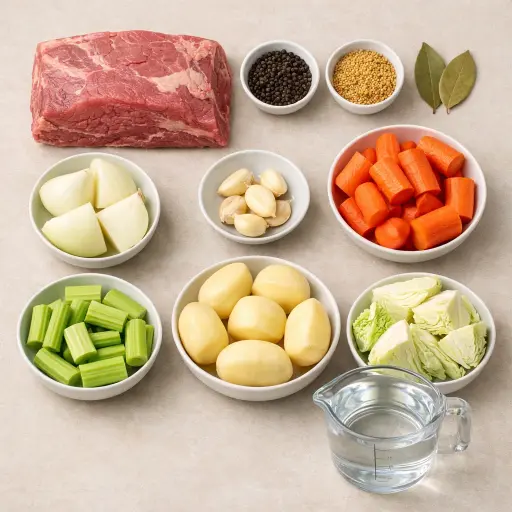
The star of the show is the corned beef brisket, known for its unique flavor and tenderness when cooked properly. Black peppercorns and mustard seeds add a subtle spice, while bay leaves bring an earthy aroma. A large onion and garlic cloves infuse the dish with depth and warmth. The addition of carrots, celery, and potatoes make it a hearty meal, with the cabbage lending a touch of sweetness. Water is essential here to ensure everything cooks to tender perfection.
Why This Traditional Corned Beef Roast Works
In the oven, the corned beef sits low and slow in water, almost like a gentle bath. The steady heat moves through the brisket and starts to loosen all the tough fibers in the meat. Over a few hours, those tight strands relax and the fat on top slowly melts and runs over the meat, so the brisket stays moist instead of drying out. The peppercorns, mustard seeds, bay leaves, onion, and garlic sit in the hot water and their taste spreads through the liquid, then into the meat.
When the carrots, celery, potatoes, and later the cabbage go into that same pan, they soak in the seasoned cooking liquid. As they soften, they pick up the salty, spiced taste from the corned beef. At the same time, the vegetables give a little sweetness and earthiness back into the pan. By the time everything is tender, the meat slices easily, the vegetables are soft but still hold their shape, and all of it tastes like it has been sharing the same pot for a long time.
Traditional Corned Beef Roast Tips & Tricks
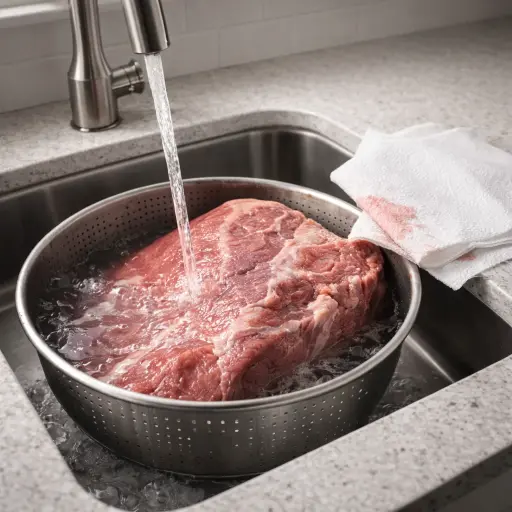
- Rinsing the brisket is crucial to remove excess saltiness.
- Use a sharp knife to slice the beef against the grain for the best texture.
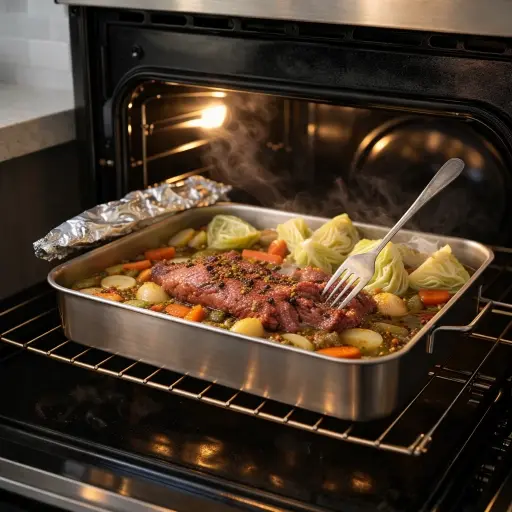
- Check the vegetables for doneness with a fork; they should be soft but not mushy.
Mistakes To Avoid
Letting the corned beef cook for much longer than the 2.5 hours can make the meat stringy and dry on the edges, even though it is sitting in liquid. The muscle fibers tighten too much and squeeze out moisture, so the slices crumble and feel tough instead of staying juicy and tender.
Putting the carrots, celery, and potatoes in at the start of roasting often leads to mushy vegetables that fall apart in the pan. By the time the meat is tender, the vegetables break down, lose their shape, and turn pasty on the outside.
Skipping the rinse on the corned beef means a lot of extra brine stays on the surface and in the pan. During roasting, that concentrated salt pulls more moisture out of the meat and vegetables, so the beef tastes harshly salty and the vegetables can shrivel instead of staying plump.
Slicing the corned beef right away without a rest causes a lot of the hot juices to run out onto the cutting board. The inside of the roast then feels drier and the slices look dull and crumbly instead of moist.
Equipment Used:
Ingredients
- 4 lbs corned beef brisket
- 1 tbsp black peppercorns
- 1 tbsp mustard seeds
- 2 bay leaves
- 1 large onion, quartered
- 4 cloves garlic, smashed
- 6 carrots, peeled and cut into 2-inch pieces
- 4 ribs celery, cut into 2-inch pieces
- 6 medium potatoes, peeled and halved
- 1 small head of cabbage, cut into wedges
- 6 cups water
Step-by-step Instructions
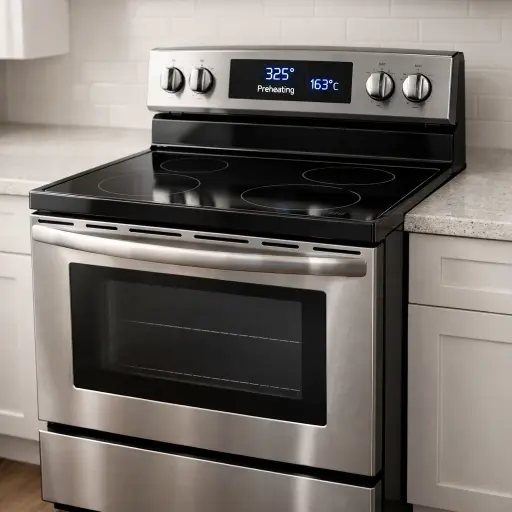
- 1. Preheat your oven to 325°F (163°C).
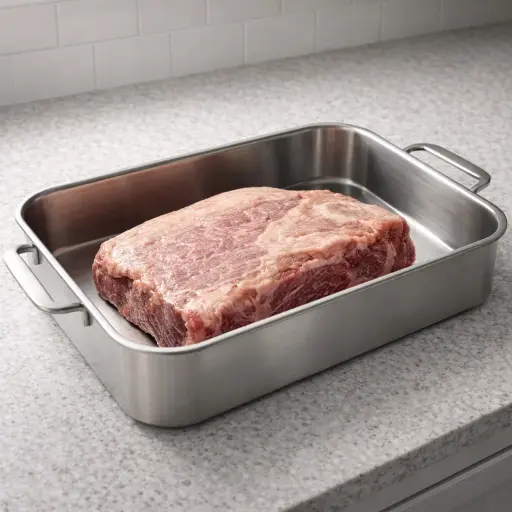
- 2. Rinse the corned beef brisket under cold water to remove excess brine, then pat dry with paper towels.
- 3. Place the corned beef in a large roasting pan, fat side up.
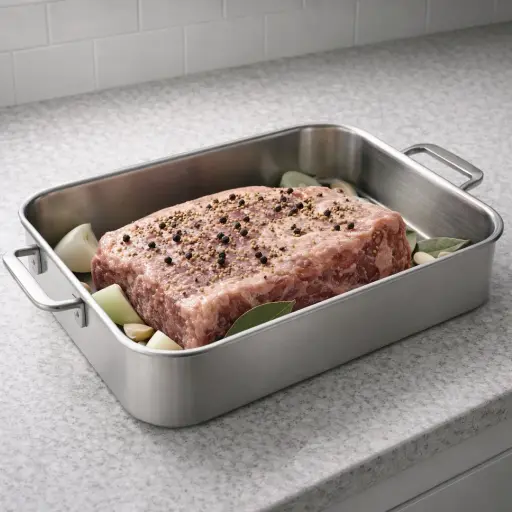
- 4. Sprinkle black peppercorns and mustard seeds over the brisket, and add bay leaves, onion, and garlic around it.
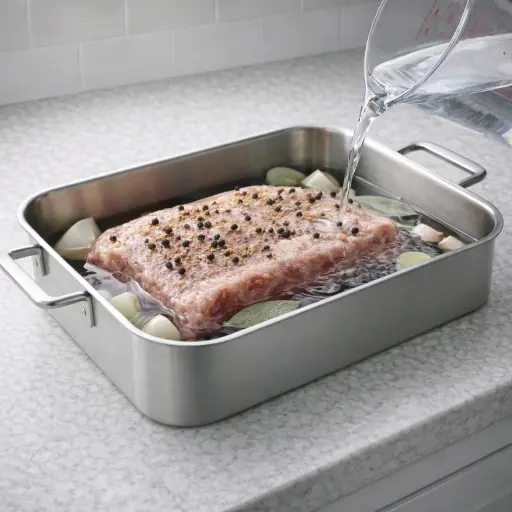
- 5. Pour 6 cups of water into the pan, ensuring the brisket is mostly submerged.
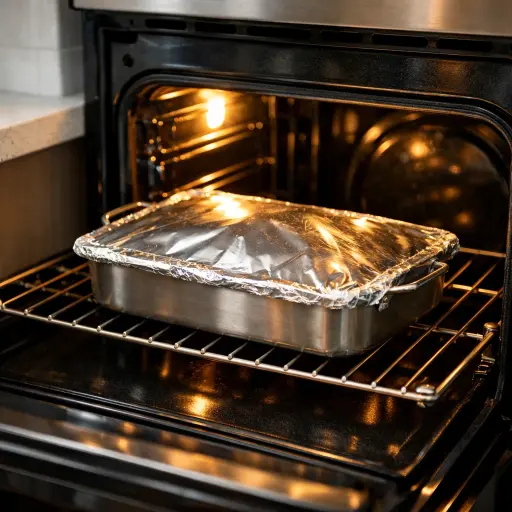
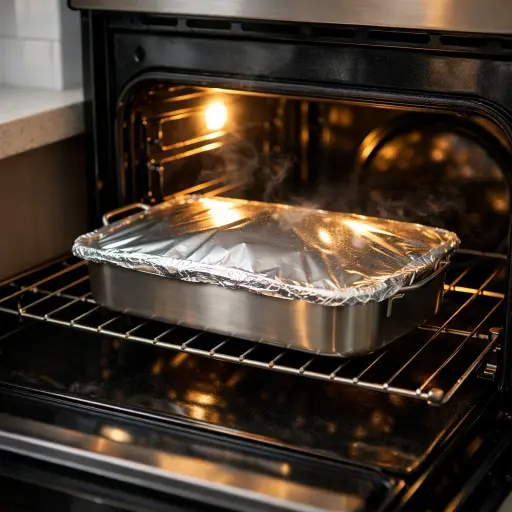
- 6. Cover the pan tightly with aluminum foil and place it in the preheated oven.
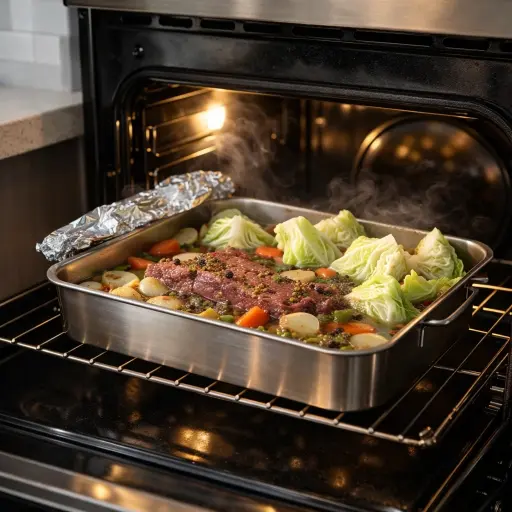
- 7. Roast for approximately 2.5 hours, adding carrots, celery, and potatoes halfway through cooking.
- 8. In the last 30 minutes, add the cabbage wedges to the pan.
- 9. Check for tenderness; the corned beef should be fork-tender and the vegetables soft.
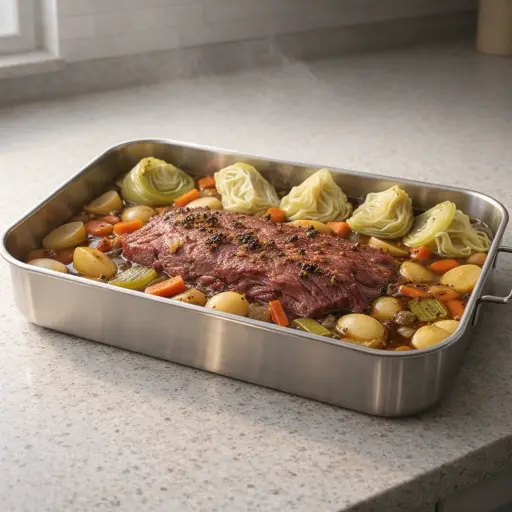
- 10. Remove from oven and let rest for 15 minutes before slicing the beef against the grain.
- 11. Serve hot with the roasted vegetables.
Trending Now
Classic Cucumber Salad
A refreshing and light cucumber salad featuring crisp cucumbers and a tangy vinaig...
View Recipe
Classic Banana Bread
Classic Banana Bread is a timeless dessert beloved for its moist texture and sweet...
View Recipe
Zesty Summer Squash Casserole
This delightful summer squash casserole combines vibrant garden-fresh vegetables w...
View Recipe
Traditional Dump Cake
Discover the timeless delight of the Traditional Dump Cake, a simple and scrumptio...
View RecipeFrequently Asked Questions
- Can I use a slow cooker instead of the oven?
- Yes, you can use a slow cooker. Cook on low for 8-10 hours or until tender.
- What if I don’t have mustard seeds?
- You can substitute with a teaspoon of Dijon mustard for a similar flavor profile.
Serving Ideas for Traditional Corned Beef Roast
This corned beef roast pairs wonderfully with a side of grainy mustard or horseradish sauce for an added kick. A crusty bread roll or some freshly baked soda bread can soak up the delicious juices. For a touch of freshness, consider a simple green salad on the side.
More Main Dishes Recipes
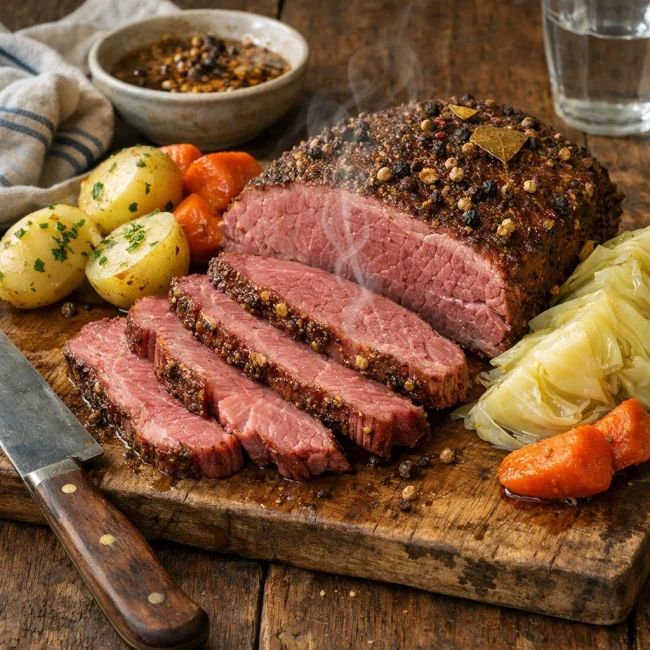
Unique Homemade Corned Beef
Discover the ultimate homemade corned beef recipe that balances rich flavors and t...
View Recipe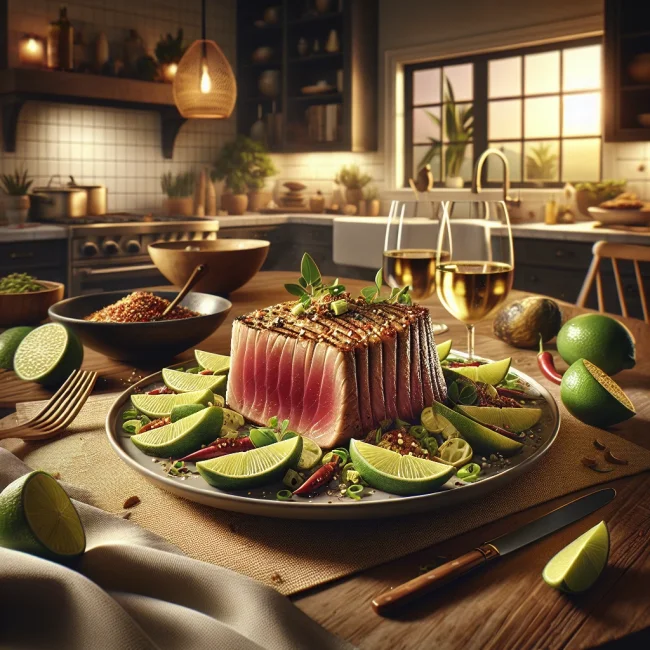
Spicy Lime Seared Ahi Tuna
Experience a burst of flavor with our Spicy Lime Seared Ahi Tuna, a perfect fusion...
View Recipe
Traditional Chicken Parmesan
Savor the authentic taste of Italian cuisine with our Traditional Chicken Parmesan...
View Recipe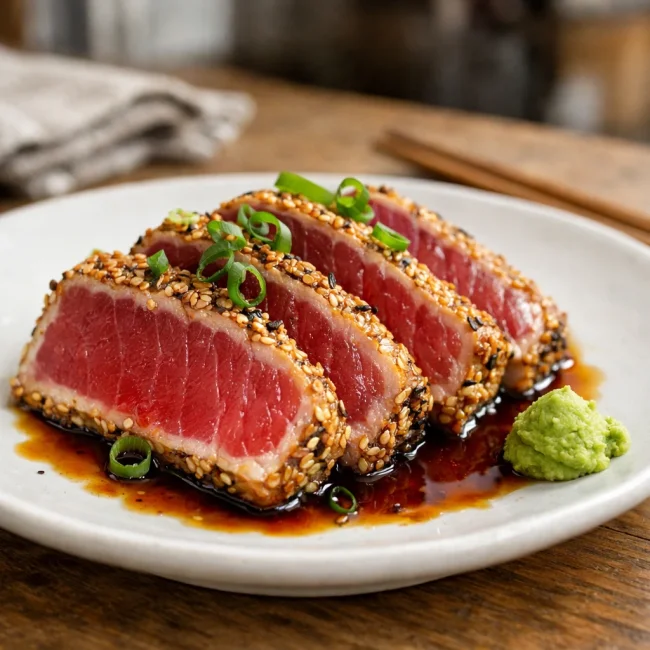
Seared Ahi Tuna
Experience the sublime taste of seared Ahi tuna, a Japanese-inspired dish that hig...
View Recipe