
Traditional Cinnamon Rolls
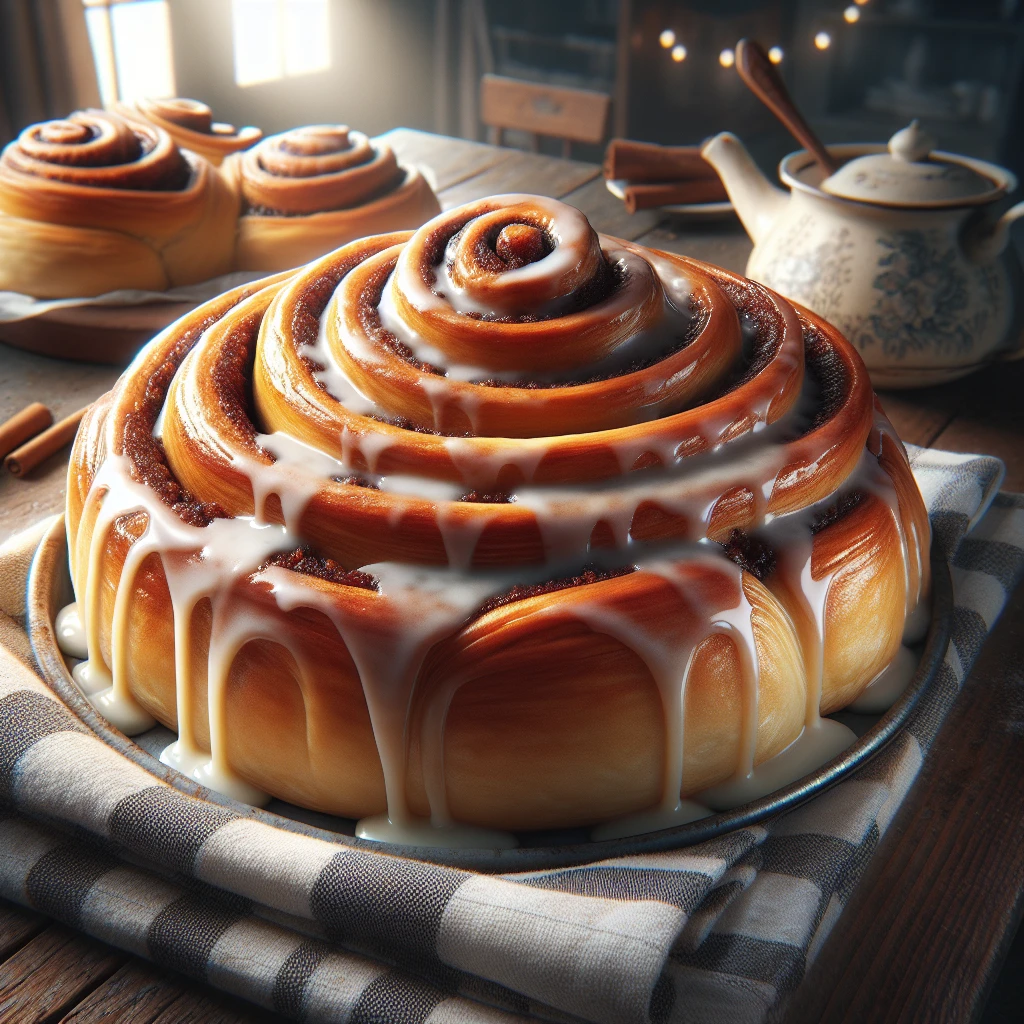
Cinnamon rolls are the epitome of comfort food. Warm, gooey, and overflowing with cinnamon goodness, they make any morning feel like a special occasion. My recipe keeps things simple yet classic, ensuring every bite is as delightful as the last.
 Share
Share
This post may contain affiliate links. As an Amazon Associate, we earn from qualifying purchases.
Ingredients for Traditional Cinnamon Rolls
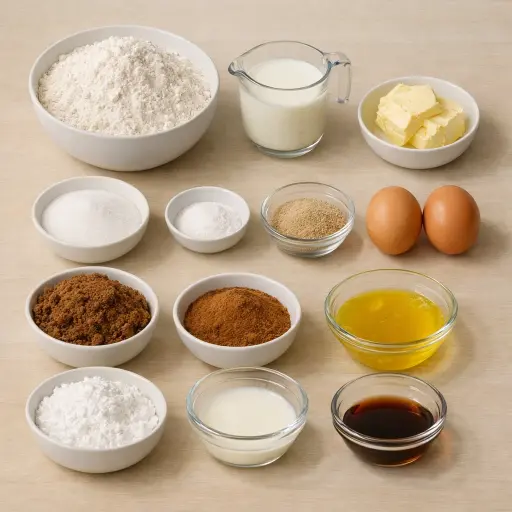
All-purpose flour is the foundation of our dough, providing structure and chewiness. Granulated sugar adds a touch of sweetness to the dough itself, ensuring it's not too bland. Salt highlights the flavors, bringing everything together. Active dry yeast is our leavening agent, making the rolls rise beautifully.
Milk not only adds moisture but also enriches the dough, resulting in a tender crumb. Unsalted butter, used both in the dough and the filling, contributes to richness and flavor. Eggs add structure and help with the dough's elasticity.
Brown sugar in the filling adds depth with its molasses notes, while ground cinnamon provides the signature warmth and spice. Powdered sugar is the base for our simple icing, which is flavored with vanilla extract and thinned with a bit of milk.
Why This Traditional Cinnamon Rolls Works
Warm milk wakes up the yeast, so it starts to bubble and fill the dough with tiny air pockets. As the dough is kneaded, the flour and eggs join into stretchy strands that can trap that air. Over the first rise, those bubbles grow and push the dough up, so it becomes light instead of dense.
When the dough is rolled out and brushed with melted butter, the butter soaks into the surface and keeps the inside soft while baking. Brown sugar and cinnamon sit in a loose layer, so when the log is rolled up, that sugar-cinnamon mix is wrapped in soft dough on all sides. During baking, the sugar melts and thickens into a sticky layer that stays inside each roll instead of running out.
In the oven, the dough sets around all those air pockets, so the rolls stay fluffy but hold their shape. Once the warm rolls are topped with the simple icing, the sugar glaze sinks slightly into the soft tops, giving a tender, slightly gooey finish.
Traditional Cinnamon Rolls Tips & Tricks
- If your kitchen is cold, let the dough rise in a slightly warm oven (turned off) to speed up the process.
- For evenly sized rolls, use dental floss to slice the dough.
- Store leftovers in an airtight container to keep them soft.
- Freeze unbaked rolls to have fresh cinnamon rolls on demand. Just thaw and bake as needed.
Mistakes To Avoid
Letting the milk get too hot when dissolving the yeast can kill the yeast. The dough then barely rises in the bowl or in the pan, so the rolls bake up flat, dense, and heavy instead of soft and puffy.
Adding too much extra flour while kneading often makes the dough stiff. Instead of stretching and feeling slightly springy, it turns tight and dry, and the baked rolls come out tough with a bready, chewy crumb instead of a tender pull-apart texture.
Rolling the dough too thick or not rolling it into a fairly even rectangle leads to uneven baking. Some rolls end up huge and doughy in the center while others are small and dry around the edges of the pan.
Cutting the rolled log by pressing straight down with a knife can squash the spirals. The layers get pinched together, so the centers don’t open up nicely in the oven and can stay dense and underbaked in the middle.
Letting the rolls rise too long in the pan makes them overproofed. In the oven they puff quickly, then collapse, giving flat, fragile rolls with big gaps inside instead of a soft, even crumb.
Equipment Used:
Ingredients
- 4 cups all-purpose flour
- 1/4 cup granulated sugar
- 1 teaspoon salt
- 2 1/4 teaspoons active dry yeast
- 1 cup milk
- 1/4 cup unsalted butter, softened
- 2 large eggs
- 3/4 cup packed brown sugar
- 2 tablespoons ground cinnamon
- 1/4 cup unsalted butter, melted
- 1/2 cup powdered sugar
- 2 tablespoons milk
- 1/2 teaspoon vanilla extract
Step-by-step Instructions
- 1. Combine flour, granulated sugar, and salt in a bowl.
- 2. Warm milk to 110°F and dissolve yeast in it; allow to sit until frothy.
- 3. Add yeast mixture, softened butter, and eggs to the dry ingredients; mix into a dough.
- 4. Knead dough for about 8 minutes until smooth and elastic.
- 5. Place dough in a greased bowl, cover, and let rise until doubled, about 1 hour.
- 6. Roll dough into a rectangle, brush with melted butter, and sprinkle with brown sugar and cinnamon.
- 7. Roll up the dough tightly and cut into 12 rolls.
- 8. Place rolls in a greased baking dish, cover, and let rise until doubled, about 30 minutes.
- 9. Preheat oven to 350°F and bake rolls for 25-30 minutes until golden brown.
- 10. Whisk powdered sugar, milk, and vanilla to make icing; drizzle over warm rolls.
Trending Now
Old-Fashioned Bread Pudding
Discover the classic charm of Old-Fashioned Bread Pudding - a timeless dessert com...
View Recipe
Traditional Italian Bruschetta
Experience the authentic taste of Italian bruschetta, a perfect blend of fresh tom...
View Recipe
Classic Green Beans
Discover the timeless delight of Classic Green Beans, a simple yet flavorful side ...
View Recipe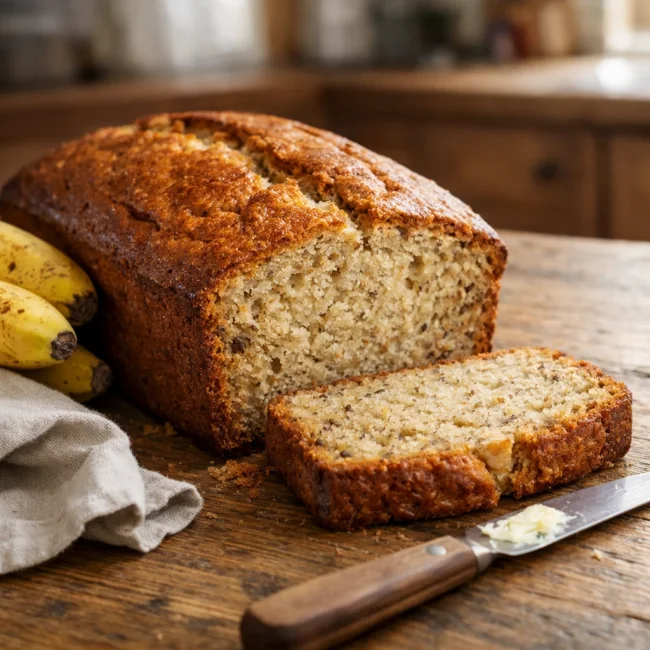
Classic Banana Bread
Classic Banana Bread is a timeless dessert beloved for its moist texture and sweet...
View RecipeFrequently Asked Questions
- Can I use instant yeast instead of active dry yeast?
- Yes, you can substitute instant yeast directly, but you can skip the step of dissolving it in milk.
- How do I store leftover rolls?
- Store them in an airtight container at room temperature for up to 2 days, or freeze for longer storage.
- Can I prepare the dough the night before?
- Absolutely! Let it complete the first rise, then refrigerate overnight. Let it come to room temperature before rolling out.
Serving Ideas for Traditional Cinnamon Rolls
These cinnamon rolls are best served warm, straight out of the oven. Pair them with a side of fresh fruit salad to balance the sweetness, or enjoy them as a decadent brunch centerpiece with a glass of freshly squeezed orange juice.
More Breads & Baked Goods Recipes
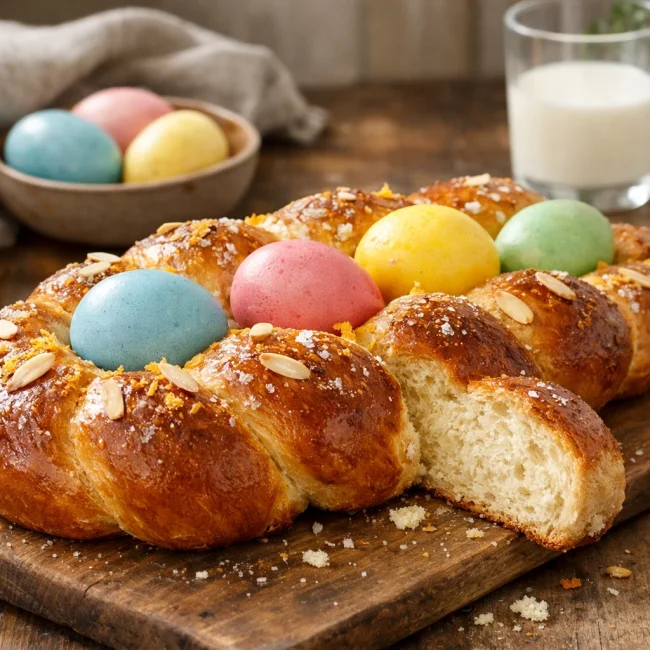
Traditional Italian Easter Bread
Savor the delightful taste of a classic Italian Easter bread, a sweet, soft, and s...
View Recipe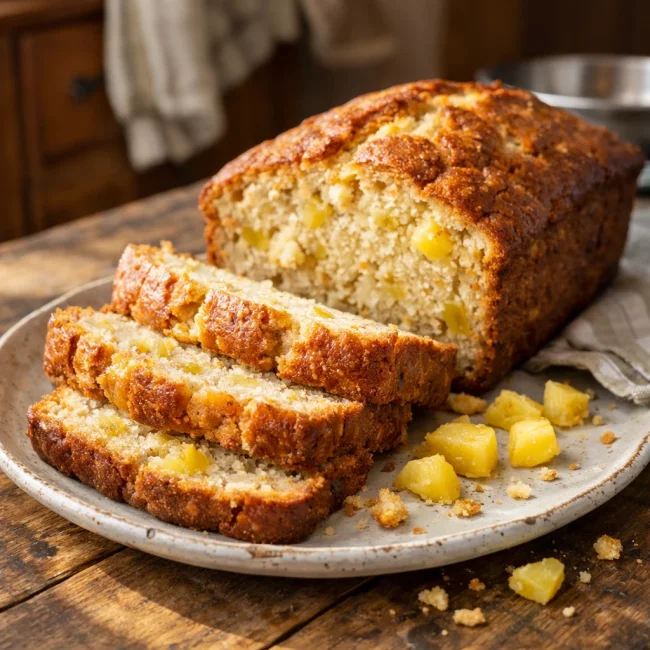
Old-Fashioned Pineapple Bread
A delightful and flavorful bread infused with juicy pineapple, perfect for breakfa...
View Recipe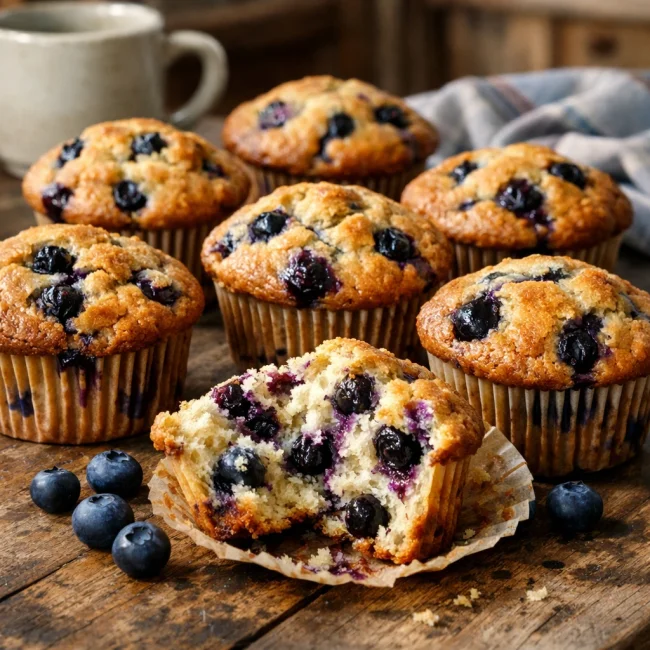
Old-Fashioned Blueberry Muffins
Transport yourself to simpler times with these delightful old-fashioned blueberry ...
View Recipe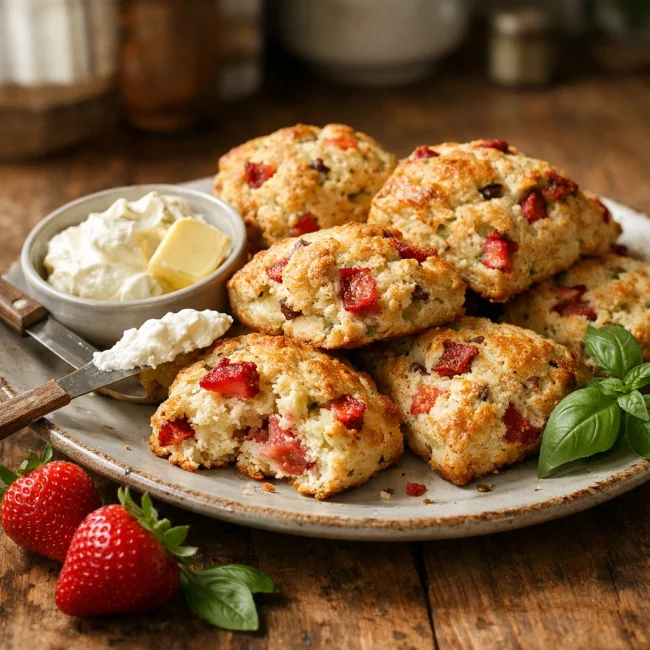
Strawberry Basil Scones
These tender scones combine the sweetness of fresh strawberries with a hint of pep...
View Recipe