
Traditional Chicken Gravy
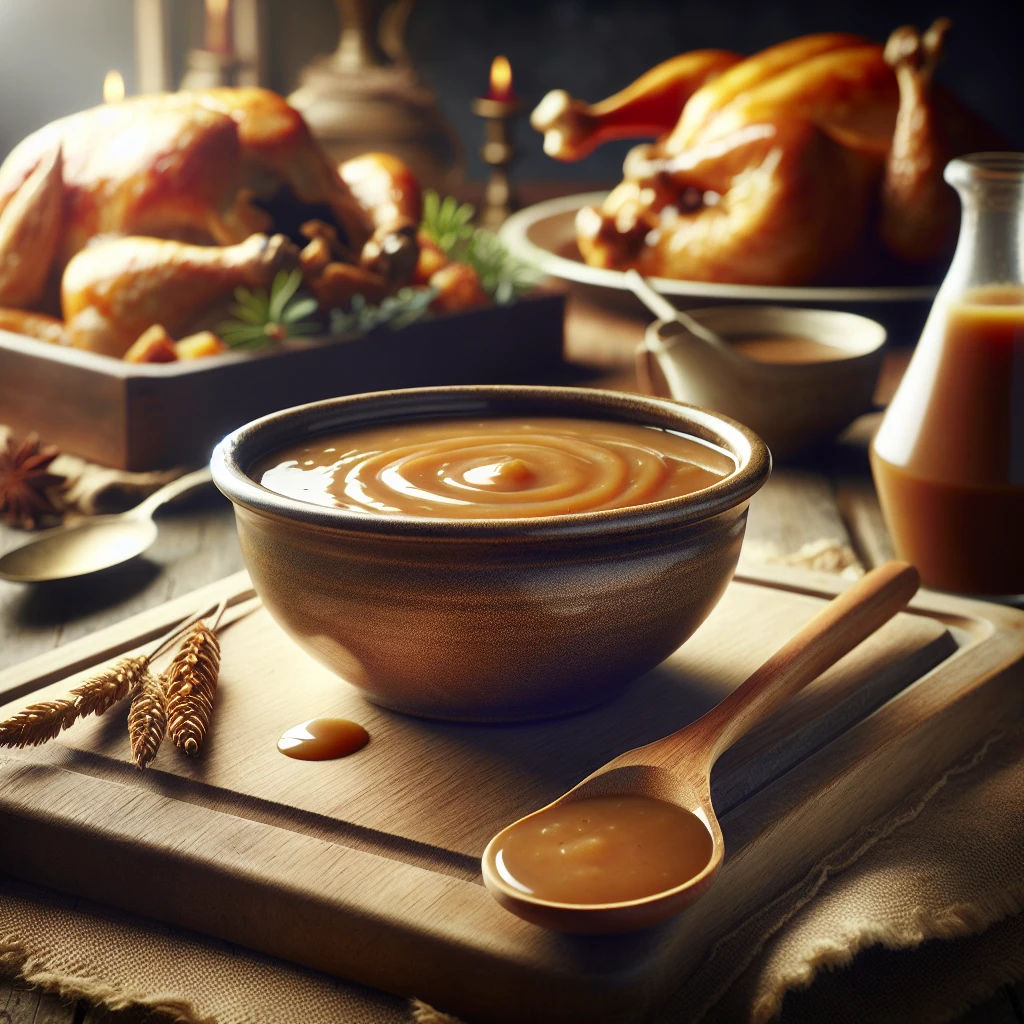
Nothing says comfort quite like a rich, savory chicken gravy. This traditional recipe is a must-have for family dinners or a comforting weekend feast, bringing warmth and flavor to your table.
 Share
Share
This post may contain affiliate links. As an Amazon Associate, we earn from qualifying purchases.
Ingredients for Traditional Chicken Gravy
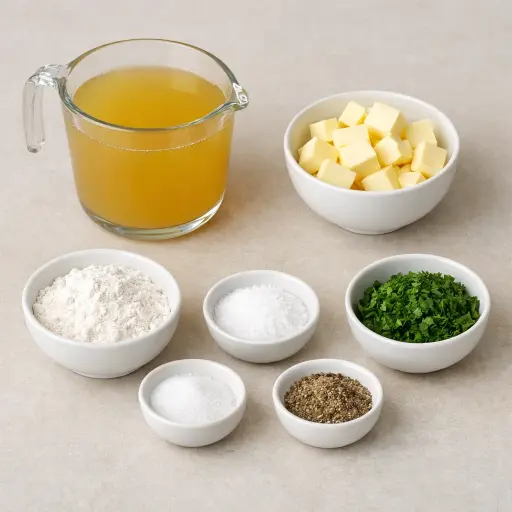
The foundation of this gravy is chicken stock, providing a rich, savory base that carries all the flavors. You'll need unsalted butter for a silky texture and to help form the roux. The all-purpose flour thickens the gravy, ensuring it clings beautifully to your main dish. A blend of salt and black pepper seasons the gravy perfectly, while a touch of fresh parsley adds a pop of color and fresh flavor just before serving.
Why This Traditional Chicken Gravy Works
As the butter melts and the flour is whisked in, they turn into a smooth paste that coats every bit of flour in fat. During those first couple of minutes on the heat, the flour starts to cook and change from raw and powdery to lightly toasted. That short cooking time keeps the gravy from tasting like raw flour later and also gets the flour ready to thicken the stock.
Once the chicken stock is added slowly, the coated flour can spread through the liquid without clumping. With steady whisking and gentle heat, the flour swells and the stock goes from thin and runny to smooth and thick. After a few minutes of simmering, the gravy holds its shape on a spoon but still pours easily. Salt and pepper sink into the hot gravy and season it evenly, and the fresh parsley goes in at the end so it stays bright and doesn’t wilt away in the heat.
Traditional Chicken Gravy Tips & Tricks
- To avoid lumps, make sure to whisk constantly while adding the stock.
- If your gravy is too thick, add a splash more stock until it reaches the desired consistency.
- For a deeper flavor, try browning the butter slightly before adding the flour.
Mistakes To Avoid
Letting the flour and butter sit on the heat too long can turn the mixture dark brown and give it a slightly burnt, bitter edge. The flour toasts past “golden” and starts to scorch on the bottom of the pan. The final gravy ends up darker than expected and carries that burnt note in every spoonful.
When the stock is poured in too fast, the flour paste can’t absorb it evenly and clumps form right away. Those lumps cook into little gummy balls that don’t break down, even with more whisking. The gravy then looks grainy and has chewy bits instead of being smooth.
Using very low heat after adding the stock often means the gravy never really thickens. The mixture just steams and stays thin, so it pours like broth instead of coating a spoon. The result is a watery gravy that runs all over the plate instead of sitting nicely on the chicken or potatoes.
Adding the parsley at the very start of cooking makes it lose its bright color and turn dull and limp. The long simmer breaks it down so it almost disappears into the sauce. The gravy still works, but it looks muddy and lacks those fresh green flecks on top.
Equipment Used:
Ingredients
- 2 cups chicken stock
- 1/4 cup all-purpose flour
- 1/4 cup unsalted butter
- 1/2 teaspoon salt
- 1/4 teaspoon black pepper
- 1 tablespoon fresh parsley, chopped
Step-by-step Instructions
- 1. In a medium saucepan, melt the butter over medium heat.
- 2. Whisk in the flour to form a smooth paste; cook for 1-2 minutes until it turns a light golden color.
- 3. Gradually add the chicken stock, whisking constantly to avoid lumps.
- 4. Bring the mixture to a gentle simmer and continue to whisk until thickened, about 5-7 minutes.
- 5. Season with salt and pepper to taste, and stir in the fresh parsley before serving.
Trending Now
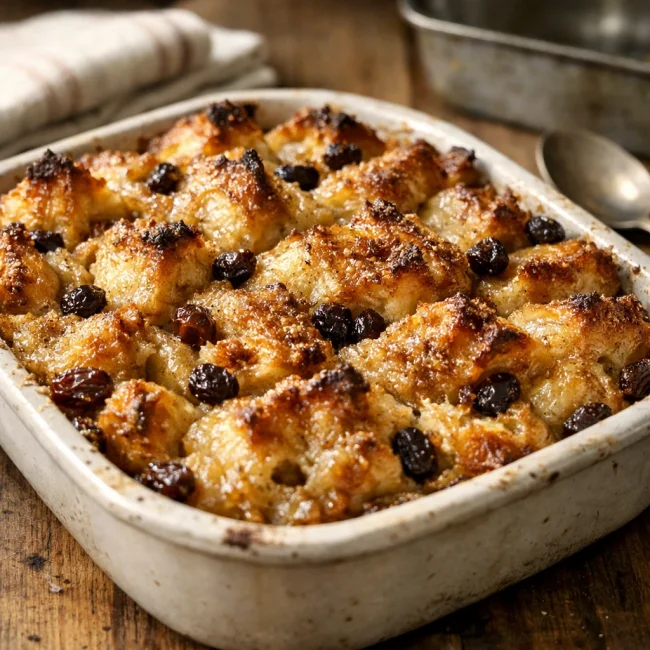
Old-Fashioned Bread Pudding
Discover the classic charm of Old-Fashioned Bread Pudding - a timeless dessert com...
View Recipe
Traditional Italian Bruschetta
Experience the authentic taste of Italian bruschetta, a perfect blend of fresh tom...
View Recipe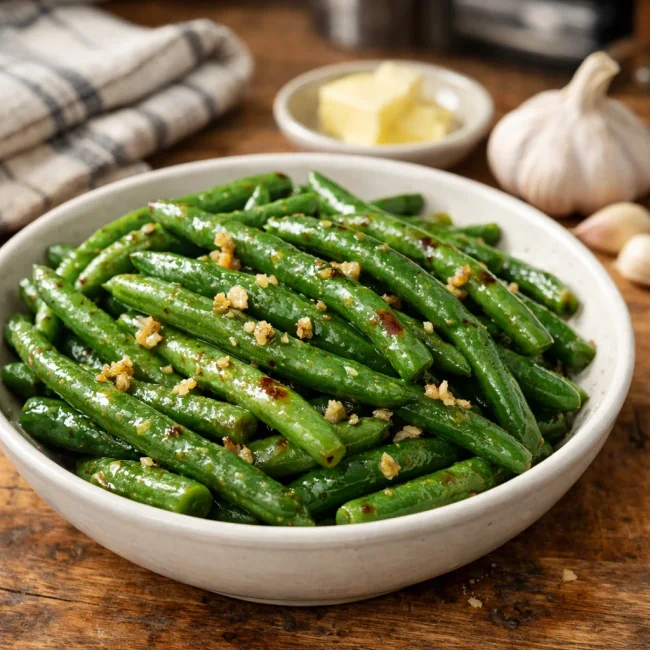
Classic Green Beans
Discover the timeless delight of Classic Green Beans, a simple yet flavorful side ...
View Recipe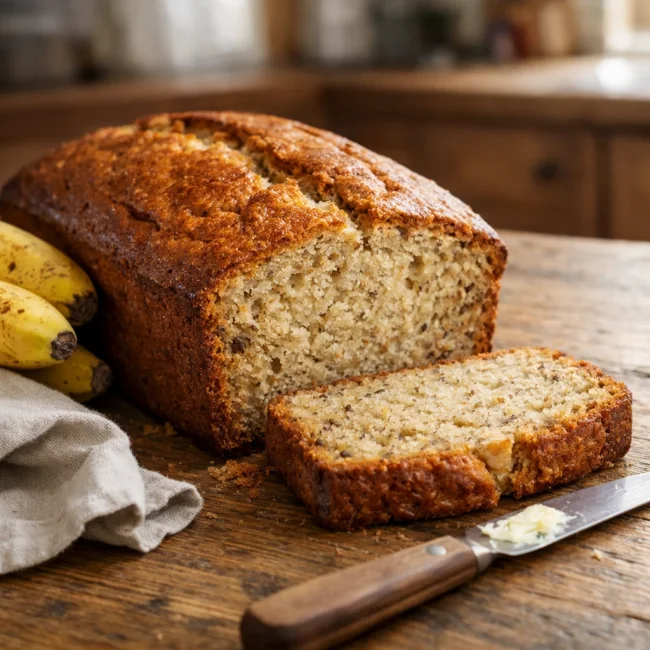
Classic Banana Bread
Classic Banana Bread is a timeless dessert beloved for its moist texture and sweet...
View RecipeFrequently Asked Questions
- Can I use salted butter?
- Yes, but reduce the additional salt to avoid over-seasoning.
- How can I make this gravy gluten-free?
- Substitute the all-purpose flour with a gluten-free flour blend designed for thickening.
- Can I make this gravy in advance?
- Definitely! Store it in the fridge for up to 3 days and reheat gently on the stove, adding a bit of stock if needed to thin it out.
Serving Ideas for Traditional Chicken Gravy
This gravy is a perfect companion for roasted chicken or turkey. It's also fantastic drizzled over mashed potatoes or served alongside a hearty pot roast. For a comforting twist, try it with biscuits or alongside a savory bread pudding.
More Side Dishes Recipes
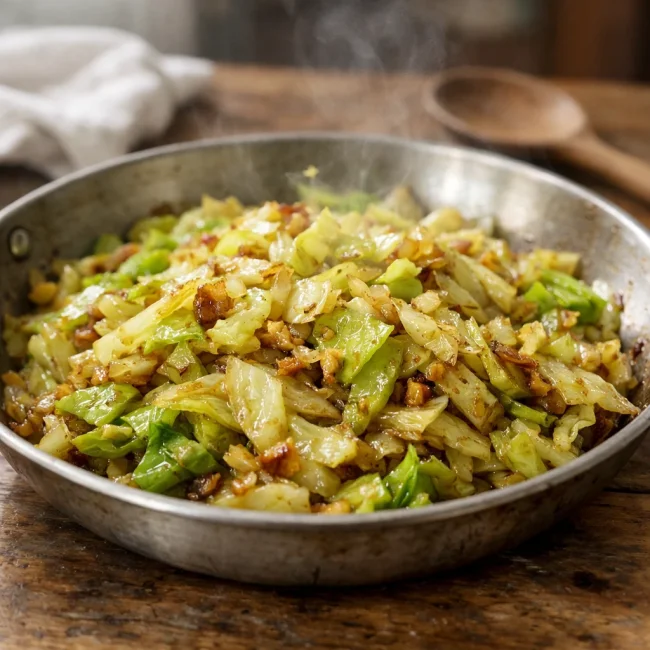
Savory Sautéed Cabbage
This savory sautéed cabbage dish brings out the natural sweetness and crispness of...
View Recipe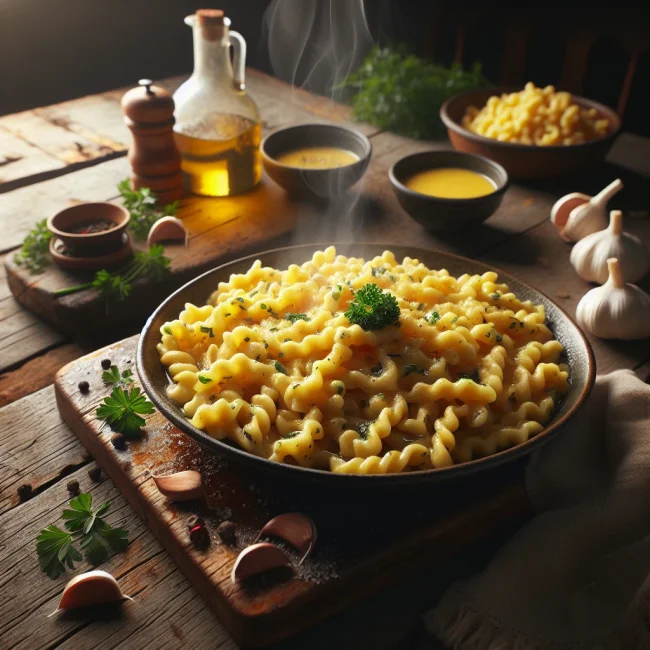
Herbed Spaetzle with Garlic Butter
Discover the delightful twist on traditional German Spaetzle with this easy-to-mak...
View Recipe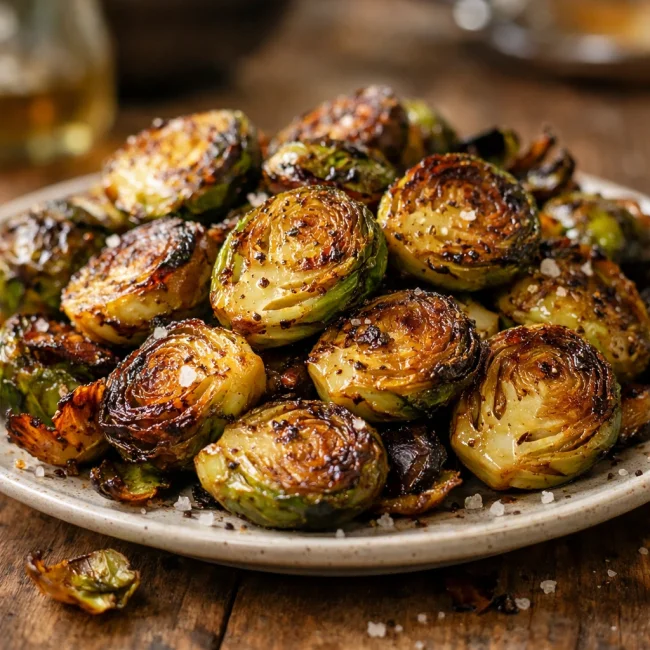
Golden Crispy Brussels Sprouts
Delight in the golden perfection of these crispy Brussels sprouts, a delightful si...
View Recipe
Marjoram-Seasoned Roasted Vegetables
Marjoram-Seasoned Roasted Vegetables bring a delightful floral note to roasted zuc...
View Recipe