
Traditional Chicken Chow Mein
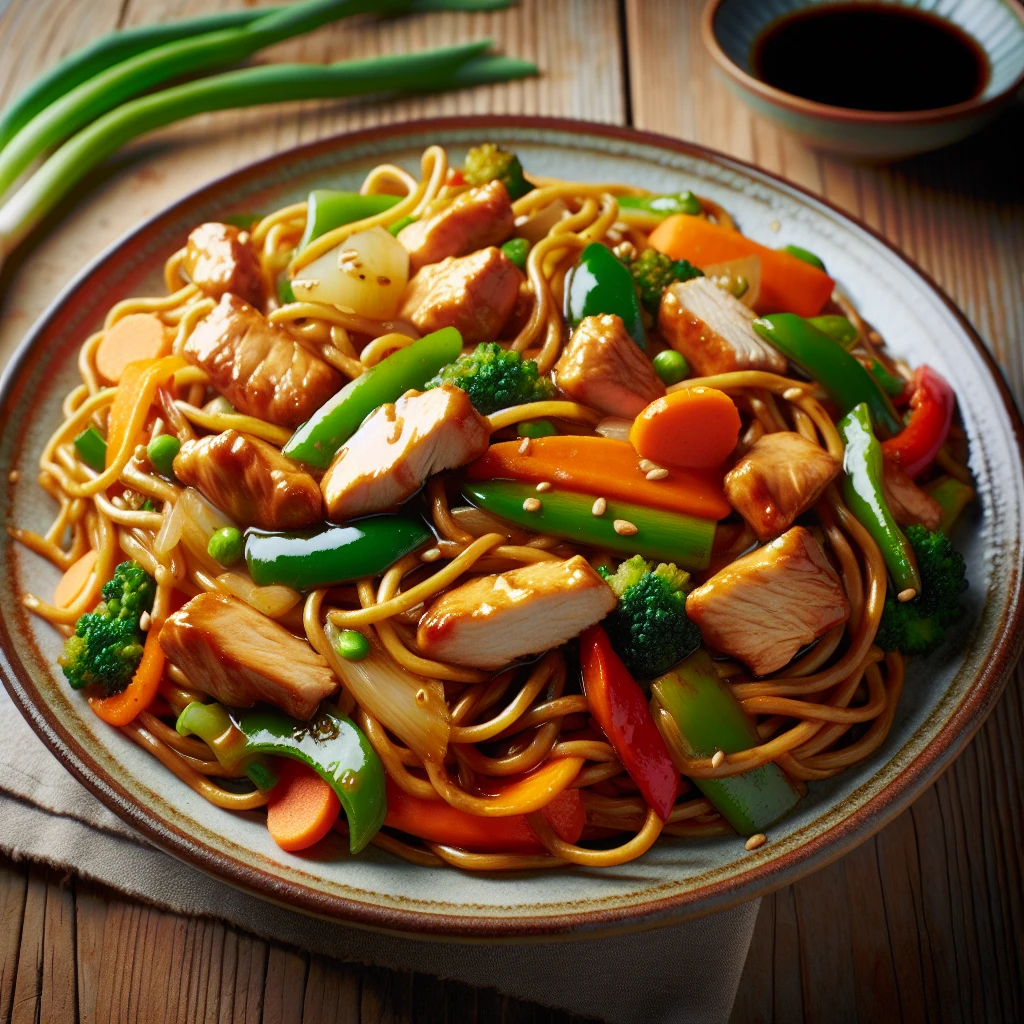
If you're in the mood for a quick and tasty dinner that's sure to please the whole family, this Traditional Chicken Chow Mein might just become your new go-to recipe. It's a delightful mix of savory chicken, crisp vegetables, and silky noodles, all coming together in a symphony of flavors.
 Share
Share
This post may contain affiliate links. As an Amazon Associate, we earn from qualifying purchases.
Ingredients for Traditional Chicken Chow Mein
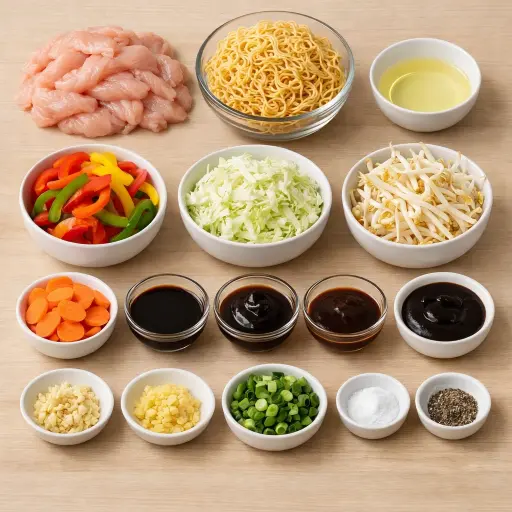
Chicken breast provides a lean and protein-rich base for the dish, absorbing all the wonderful flavors of the sauce. Chow mein noodles bring the classic texture and chewiness that make this dish so satisfying. Vegetable oil is used for stir-frying, ensuring a neutral taste that lets other flavors shine. Bell peppers add color and sweetness, while cabbage brings a mild, crunchy texture. Bean sprouts introduce freshness and a slight nuttiness, complemented by the tender sweetness of carrots. The trio of soy sauce, oyster sauce, and hoisin sauce creates a savory, slightly sweet, and umami-packed sauce. Garlic and ginger provide aromatic depth, and green onions are the perfect garnish to finish with a hint of brightness. Season with salt and pepper as needed.
Why This Traditional Chicken Chow Mein Works
During cooking, the thin slices of chicken hit the hot oil and cook fast, so they stay tender instead of drying out. Pulling the chicken out of the pan once it’s just cooked keeps it from sitting in the heat too long. When it goes back in later, it only needs a short time to warm through.
After the garlic and ginger go into the hot pan, they quickly soften and spread their taste into the oil. Then the peppers, cabbage, carrots, and bean sprouts go in and cook over high heat. They soften just enough but still keep a bit of crunch, so the chow mein doesn’t end up soggy. The quick cooking keeps the vegetables bright and a little crisp.
Once the noodles and chicken are back in the pan, the soy sauce, oyster sauce, and hoisin coat everything. The noodles soak up some of the sauce and oil, so they become chewy and flavorful instead of sticky or dry. By the time the green onions go on top, the chicken is still moist, the vegetables are tender-crisp, and the noodles hold everything together in one pan.
Traditional Chicken Chow Mein Tips & Tricks
- Use a high smoke point oil like vegetable or canola to prevent burning during stir-frying.
- If you prefer your vegetables super-crisp, reduce the stir-fry time by a minute.
- Cut chicken into uniform slices to ensure even cooking.
- Prep all your ingredients before starting to cook — stir-frying is quick!
Mistakes To Avoid
Boiling the chow mein noodles too long makes them soft and swollen, so when they hit the hot pan with sauce they break apart and turn mushy instead of staying springy and slightly chewy.
Cooking the chicken on low heat or crowding it in the pan causes it to steam in its own liquid instead of searing; the pieces turn pale and a bit rubbery, and later they blend into the noodles instead of staying in clear, juicy strips.
Adding the garlic and ginger too early and letting them sit in the hot oil for more than those 30 seconds leads to burnt bits that turn dark and bitter, and those tiny burnt pieces cling to the noodles and vegetables.
Throwing the vegetables in and cooking them until fully soft means they lose their crunch and release a lot of water, so the pan fills with liquid and the final chow mein turns slightly soggy instead of having crisp-tender bites.
Pouring in extra sauce to “make it saucier” leaves the noodles wet and glossy but not really coated; the liquid pools at the bottom of the pan and the noodles slide around instead of grabbing onto the seasoning.
Equipment Used:
Ingredients
- 1 lb boneless, skinless chicken breast, thinly sliced
- 8 oz chow mein noodles
- 2 tbsp vegetable oil
- 1 cup sliced bell peppers
- 1 cup shredded cabbage
- 1 cup bean sprouts
- 1/2 cup sliced carrots
- 3 tbsp soy sauce
- 2 tbsp oyster sauce
- 1 tbsp hoisin sauce
- 2 cloves garlic, minced
- 1 tsp fresh ginger, minced
- 1/4 cup sliced green onions
- Salt and pepper to taste
Step-by-step Instructions
- 1. Boil the chow mein noodles according to package instructions, drain, and set aside.
- 2. Heat 1 tbsp of vegetable oil in a large skillet or wok over medium-high heat.
- 3. Add the sliced chicken breast to the skillet and season with salt and pepper.
- 4. Cook the chicken until it is no longer pink and remove from the skillet.
- 5. In the same skillet, add the remaining vegetable oil and stir-fry the garlic and ginger for 30 seconds.
- 6. Add the bell peppers, cabbage, carrots, and bean sprouts, and stir-fry until the vegetables are just tender.
- 7. Return the chicken to the skillet and add the cooked noodles.
- 8. Pour in the soy sauce, oyster sauce, and hoisin sauce, stirring to coat the noodles and chicken evenly.
- 9. Cook for another 2-3 minutes, ensuring everything is well combined.
- 10. Garnish with sliced green onions and serve hot.
Trending Now
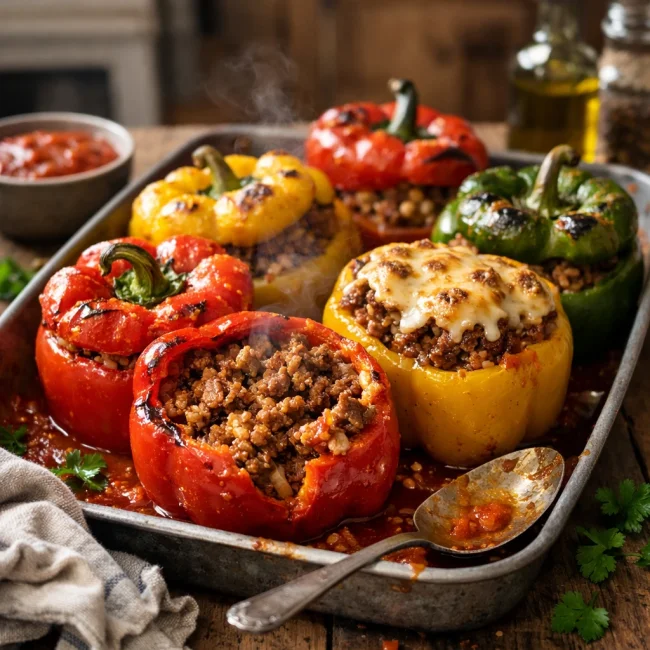
Traditional Stuffed Peppers
Explore the delightful blend of seasoned beef, rice, and tomato sauce nestled in v...
View Recipe
Traditional Lemon Pound Cake
A delightful and moist traditional lemon pound cake infused with the fresh zest an...
View Recipe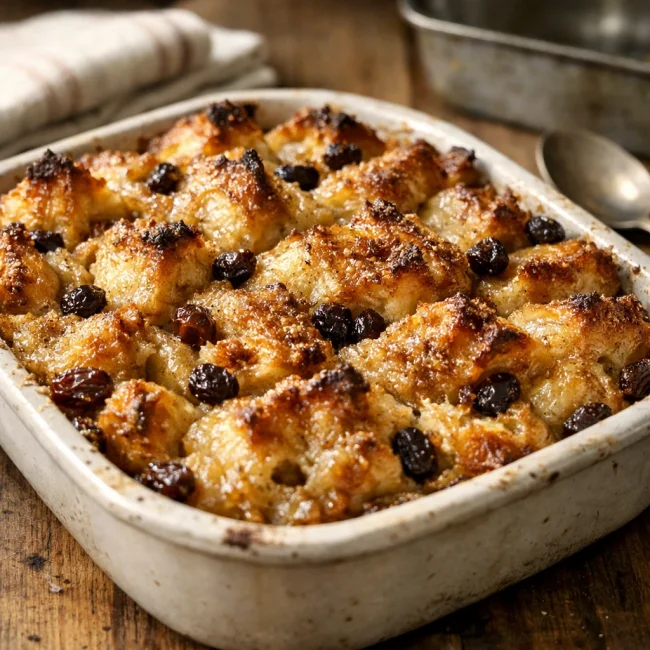
Old-Fashioned Bread Pudding
Discover the classic charm of Old-Fashioned Bread Pudding - a timeless dessert com...
View Recipe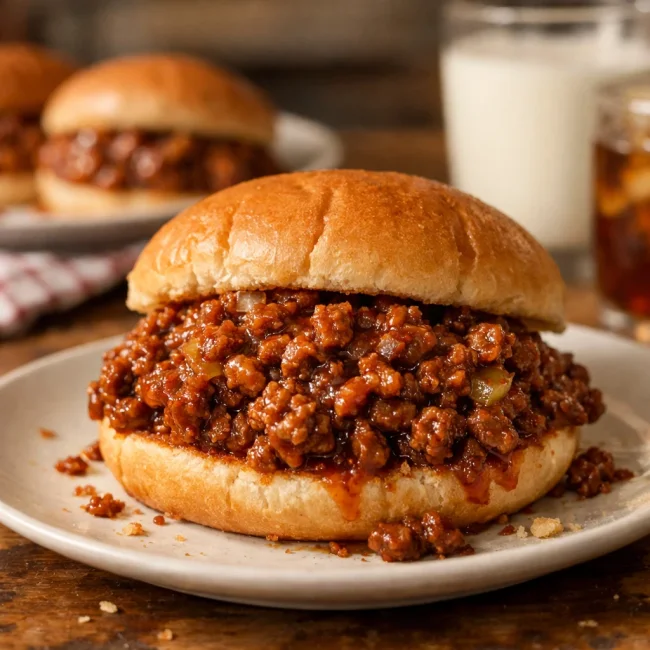
Classic Sloppy Joes
Bring back childhood memories with these hearty and savory sloppy joes. Made with ...
View RecipeFrequently Asked Questions
- Can I use a different type of noodle?
- Yes, you can substitute with lo mein or even spaghetti in a pinch, although the texture will be slightly different.
- Is there a vegetarian version of this recipe?
- Absolutely! Swap out the chicken for tofu or more vegetables like broccoli or snow peas.
- How do I store leftovers?
- Store any leftovers in an airtight container in the fridge for up to 3 days. Reheat in a skillet to retain some of the original texture.
Serving Ideas for Traditional Chicken Chow Mein
Pair this Chicken Chow Mein with a side of steamed dumplings or spring rolls for a complete Asian-inspired meal. A light cucumber salad with a simple sesame dressing can also be a refreshing accompaniment.
More Stir-Fry Recipes
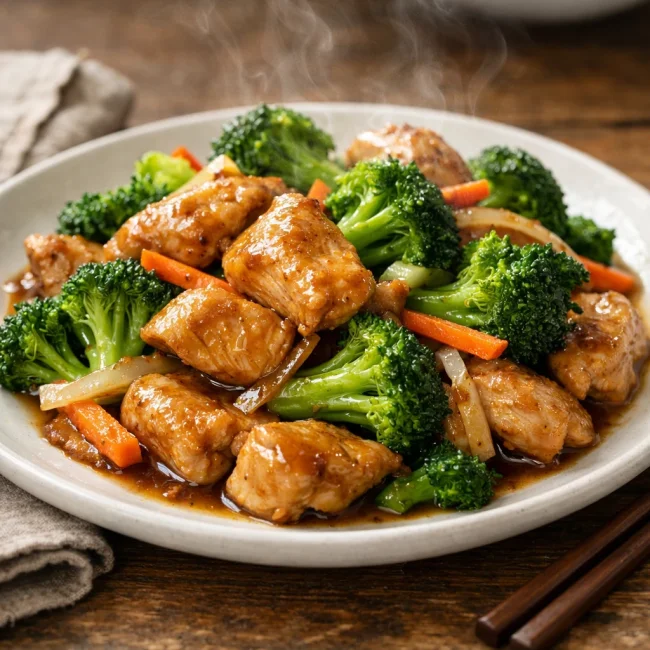
Savory Chicken and Broccoli
Savor the delightful combination of tender chicken and crisp broccoli in this flav...
View Recipe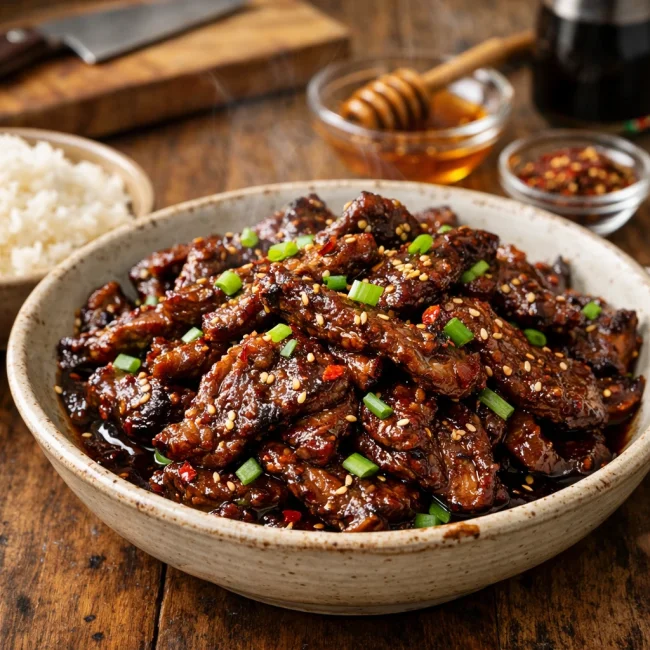
Spicy Honey Mongolian Beef
A zesty twist on the classic Mongolian Beef, this version adds a spicy and sweet f...
View Recipe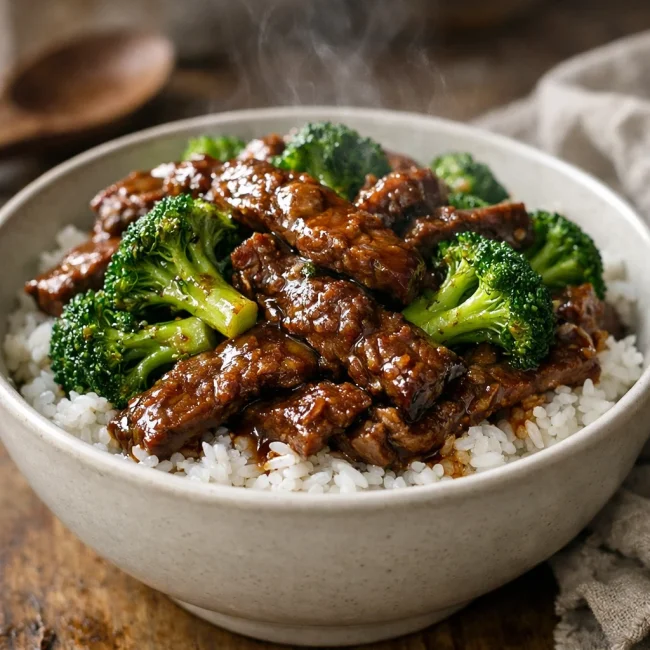
Beef and Broccoli Stir-Fry
Tender strips of beef and bright green broccoli florets are tossed in a savory soy...
View Recipe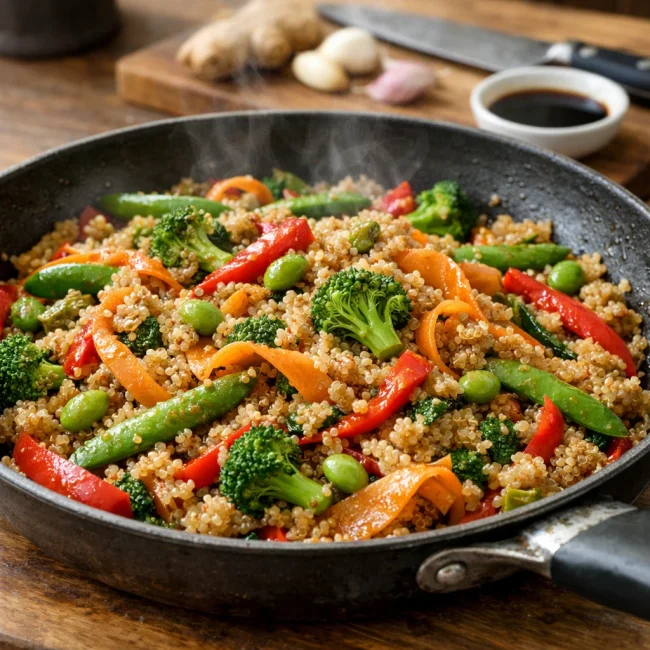
Quinoa and Vegetable Stir-Fry
Sautéed quinoa and fresh vegetables come together with soy sauce, ginger, and garl...
View Recipe