
Traditional Chicken and Sausage Jambalaya
This Traditional Chicken and Sausage Jambalaya is a hearty, flavorful dish straight from the heart of Louisiana. It's a perfect blend of spices, meats, and vegetables that makes for an unforgettable meal. Whether you're a seasoned cook or new to jambalaya, this recipe will guide you to a satisfying, authentic result every time.
 Share
Share
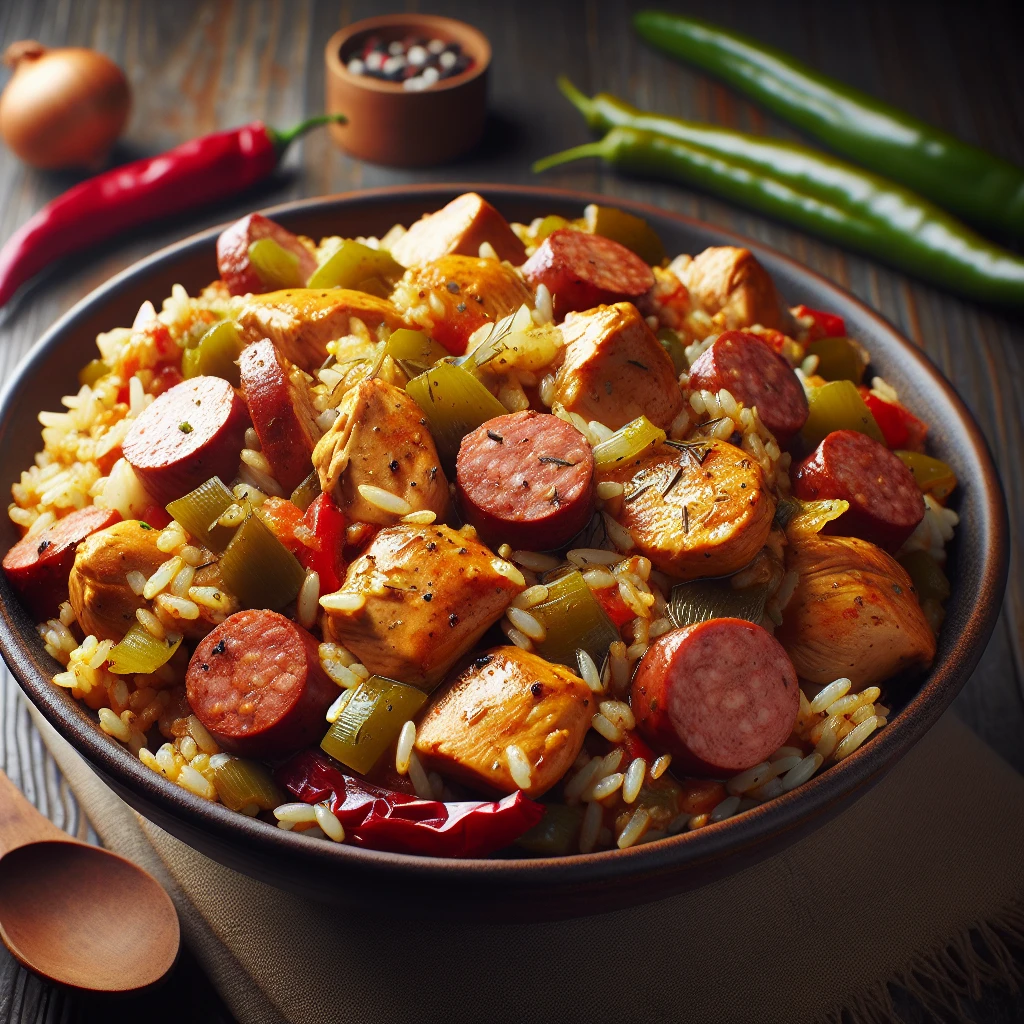
This post may contain affiliate links. As an Amazon Associate, we earn from qualifying purchases.
Ingredients for Traditional Chicken and Sausage Jambalaya
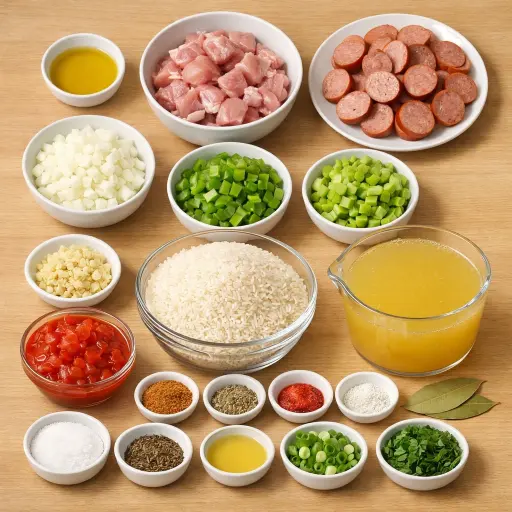
The star of this dish is the chicken thighs, providing a tender, juicy texture that's hard to beat. Andouille sausage adds a smoky, spicy kick that complements the chicken perfectly. The holy trinity of Cajun cooking—onion, green bell pepper, and celery—brings a savory depth to the base of the dish. Garlic rounds out the aromatics, adding a rich flavor. Long-grain white rice absorbs all the delicious juices and spices, creating the perfect base. Chicken broth and diced tomatoes add moisture and richness. Finally, the Cajun seasoning, thyme, cayenne pepper, and bay leaves come together for a well-balanced spice profile with a kick of heat.
Why This Traditional Chicken and Sausage Jambalaya Works
At the start, browning the chicken and sausage in a little oil gives them a crust. That crust keeps the meat juicy inside while it simmers later. All those browned bits stuck to the bottom of the pot loosen once the vegetables and liquid go in, so their taste spreads through the whole jambalaya instead of staying on the surface of the meat.
As the onion, bell pepper, and celery cook, they soften and shrink. Their juices mix with the fat from the sausage, so the pot has a tasty, oily base before the rice ever goes in. When the rice is added with the broth and tomatoes, each grain is surrounded by that liquid. During the slow simmer, the rice soaks up the broth and tomato juice, swells, and becomes tender. At the same time, the starch from the rice thickens the cooking liquid so it doesn’t feel like soup. By the end, the rice holds onto the chicken and sausage juices, so every bite is moist, not watery. Letting it sit at the end lets the steam settle and keeps the grains fluffy instead of mushy.
Traditional Chicken and Sausage Jambalaya Tips & Tricks
- If you prefer more heat, feel free to increase the cayenne pepper or add hot sauce.
- For an even richer flavor, let the jambalaya rest longer before serving.
- Make sure to use long-grain rice; short-grain can become mushy.
- Always taste and adjust seasoning before serving.
Mistakes To Avoid
Letting the chicken and sausage just “brown” lightly instead of getting real color leaves a lot of fat and moisture sitting on the surface. Then, when the rice and broth go in, the pot has extra grease and water, and the rice can turn out slightly oily and a bit mushy instead of separate and fluffy.
Adding the rice and liquid before the onion, pepper, and celery have softened enough keeps the vegetables firm and a little raw. As the rice finishes, the vegetables are still crunchy and the texture feels uneven, with hard bits mixed into otherwise tender jambalaya.
Using the wrong heat once the liquid is in causes big problems. When the heat stays too high, the bottom layer burns while the top rice is still hard; when the heat is too low, the rice swells unevenly and some grains stay chalky in the center.
Stirring the pot a lot while the rice cooks breaks the grains and scrapes the starch from the bottom. The jambalaya then turns pasty and thick, and the rice clumps together instead of staying loose.
Equipment Used:
Ingredients
- 1 tbsp olive oil
- 1 lb chicken thighs, cut into bite-sized pieces
- 1 lb andouille sausage, sliced
- 1 large onion, diced
- 1 green bell pepper, diced
- 2 celery stalks, diced
- 3 cloves garlic, minced
- 2 cups long-grain white rice
- 4 cups chicken broth
- 1 can (14.5 oz) diced tomatoes
- 2 tsp Cajun seasoning
- 1/2 tsp dried thyme
- 1/4 tsp cayenne pepper
- 2 bay leaves
- Salt and pepper to taste
- 2 green onions, sliced for garnish
- Fresh parsley, chopped for garnish
Step-by-step Instructions
- 1. Heat olive oil in a large pot over medium heat.
- 2. Add chicken thighs and cook until browned on all sides, about 5 minutes. Remove and set aside.
- 3. In the same pot, add sausage slices and cook until browned. Remove and set aside with chicken.
- 4. Add onion, bell pepper, and celery to the pot. Cook until softened, about 5 minutes.
- 5. Stir in garlic, cooking for 1 more minute until fragrant.
- 6. Add rice, chicken broth, diced tomatoes, Cajun seasoning, thyme, cayenne pepper, bay leaves, salt, and pepper.
- 7. Return chicken and sausage to the pot. Stir well to combine.
- 8. Bring to a boil, then reduce heat to low. Cover and simmer for 25-30 minutes, or until rice is tender and liquid is absorbed.
- 9. Remove from heat and let sit for 5 minutes, then fluff with a fork.
- 10. Garnish with green onions and parsley before serving.
Trending Now
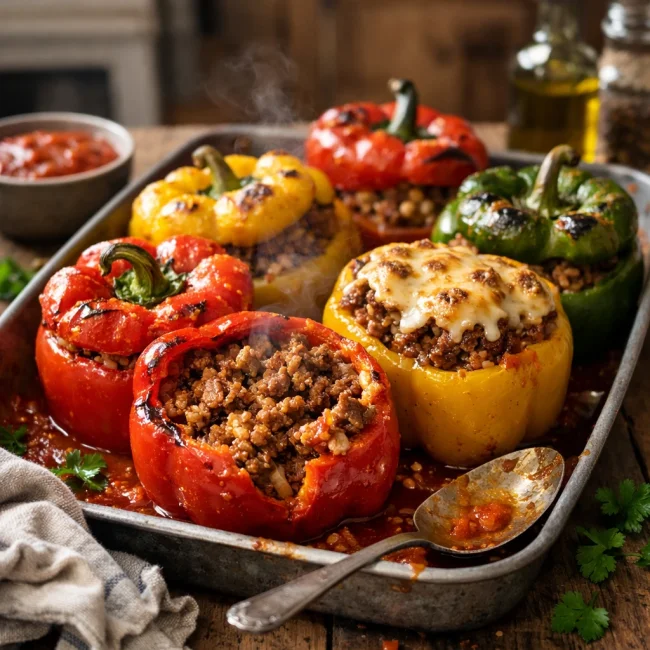
Traditional Stuffed Peppers
Explore the delightful blend of seasoned beef, rice, and tomato sauce nestled in v...
View Recipe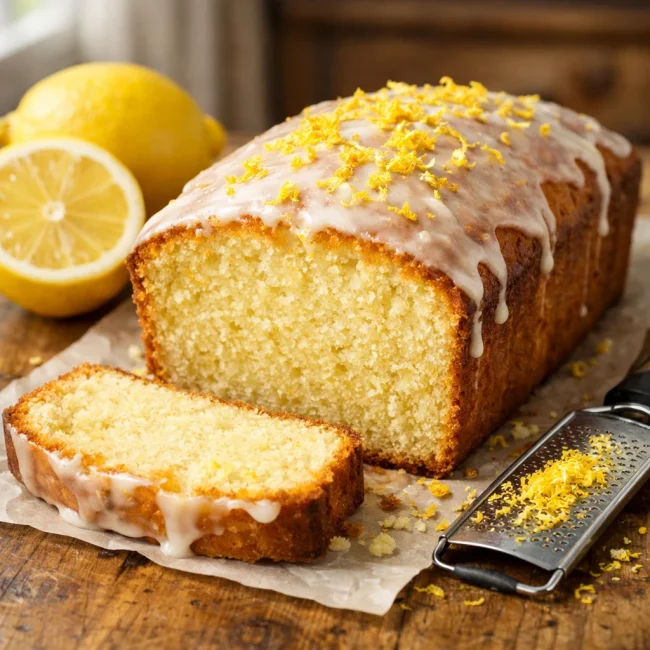
Traditional Lemon Pound Cake
A delightful and moist traditional lemon pound cake infused with the fresh zest an...
View Recipe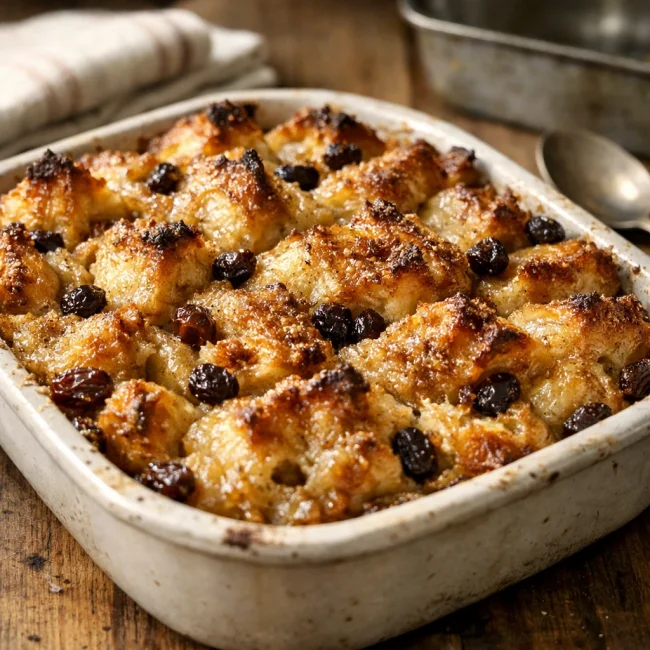
Old-Fashioned Bread Pudding
Discover the classic charm of Old-Fashioned Bread Pudding - a timeless dessert com...
View Recipe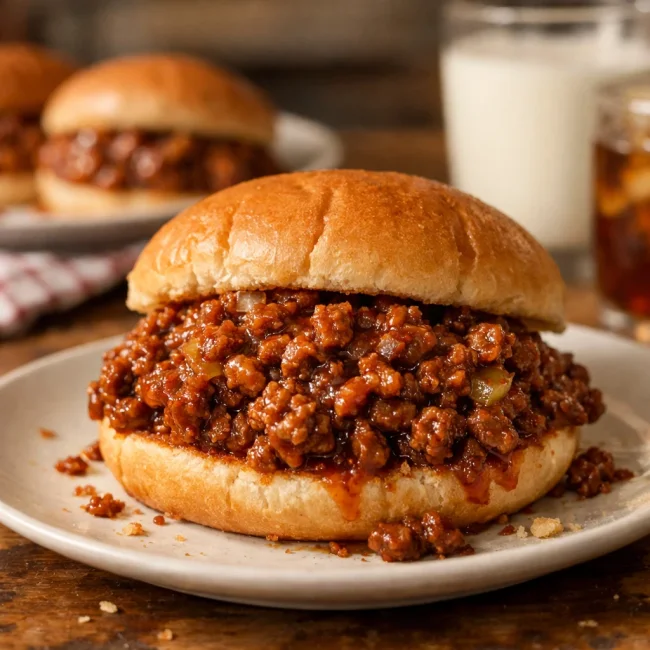
Classic Sloppy Joes
Bring back childhood memories with these hearty and savory sloppy joes. Made with ...
View RecipeFrequently Asked Questions
- Can I use another type of sausage?
- Yes, smoked sausage or even chorizo can work well if you can't find andouille.
- What if I don't have Cajun seasoning?
- You can make a quick blend with paprika, garlic powder, onion powder, thyme, and cayenne.
- Is this dish very spicy?
- It has a bit of a kick, but you can adjust the cayenne pepper to control the heat level.
Serving Ideas for Traditional Chicken and Sausage Jambalaya
This jambalaya pairs wonderfully with a simple green salad or some crusty bread to soak up all the flavors. A side of cornbread can also complement the spices beautifully. For a true Southern experience, serve it with a refreshing sweet tea or a cold beer.
More Rice Dishes Recipes
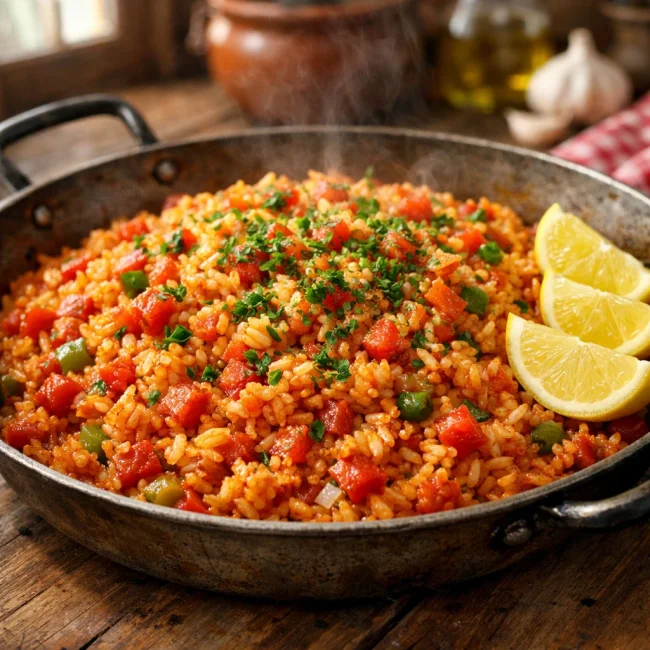
Traditional Spanish Rice
A rich and flavorful Spanish Rice made with aromatic spices and fresh vegetables, ...
View Recipe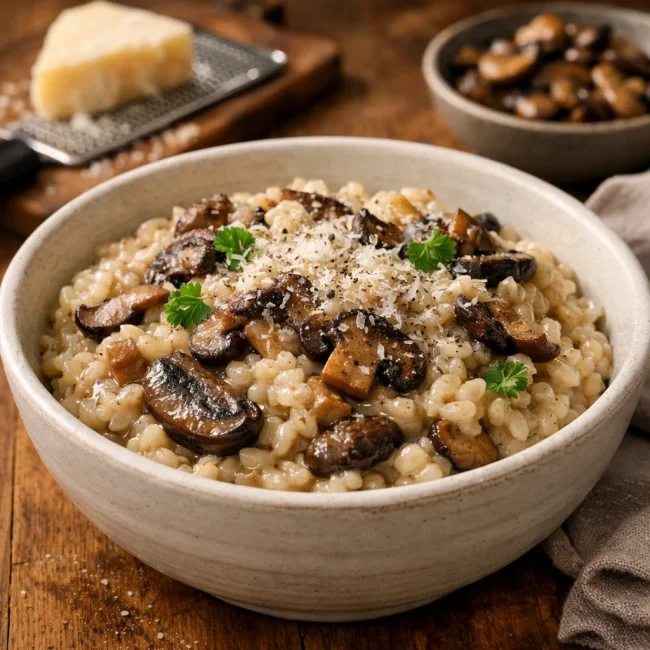
Creamy Mushroom Risotto
Indulge in this creamy mushroom risotto, a comforting dish perfect for warming bot...
View Recipe
Slow Cooker Risotto
Enjoy the creamy texture of risotto without constant stirring by using your slow c...
View Recipe
Cajun Fusion Jambalaya
An innovative twist on traditional jambalaya, combining bold Cajun spices with a f...
View Recipe