
Traditional Cheesecake
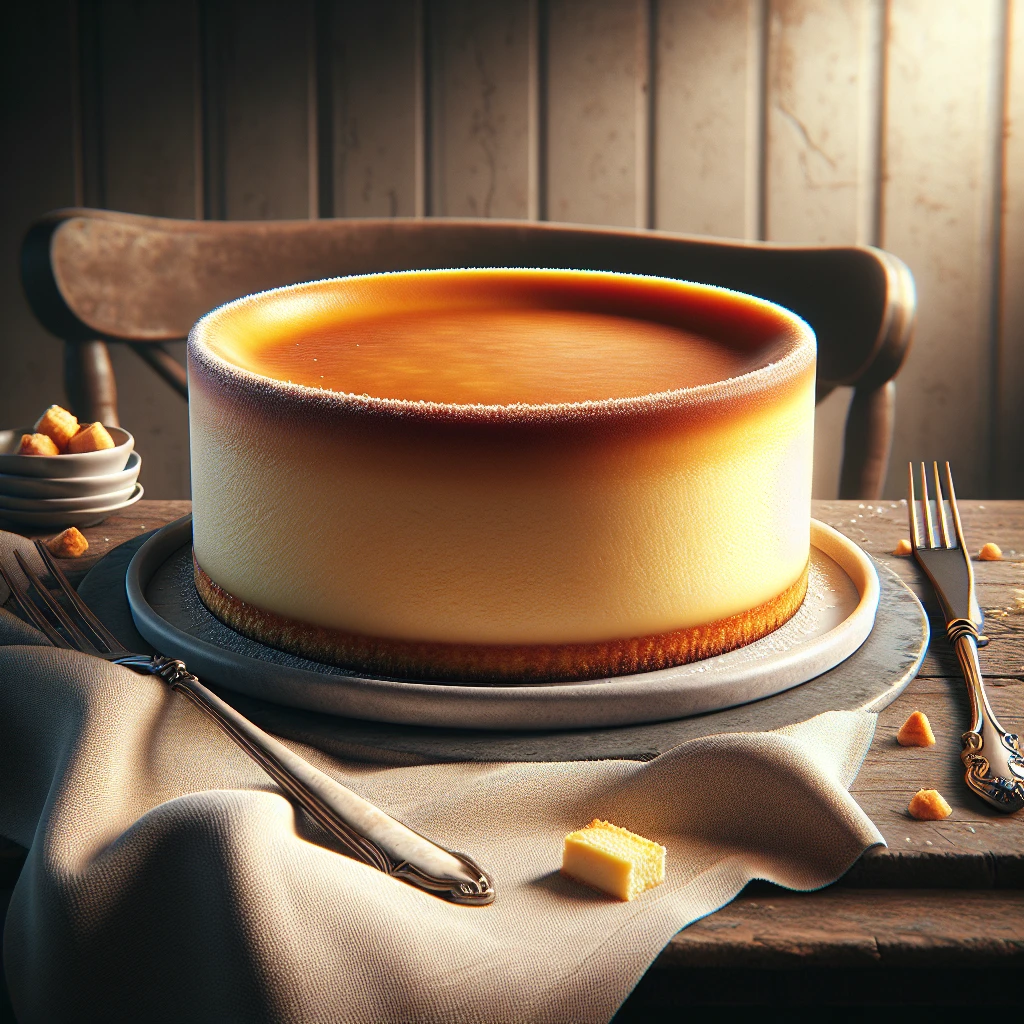
This traditional cheesecake is a classic dessert that never goes out of style. With its creamy texture and rich flavor, it's perfect for any occasion. Let's dive into making this delightful treat!
 Share
Share
This post may contain affiliate links. As an Amazon Associate, we earn from qualifying purchases.
Ingredients for Traditional Cheesecake
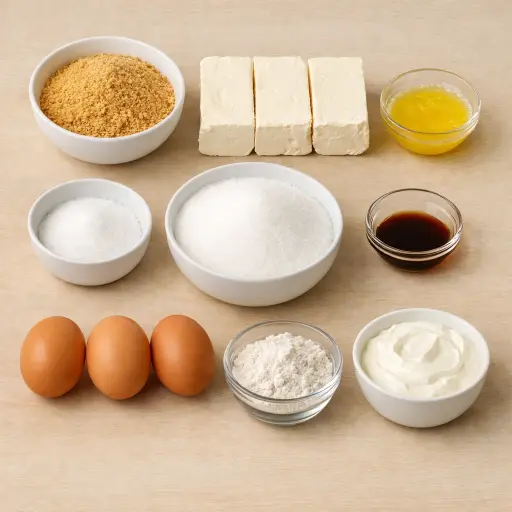
The crust starts with graham cracker crumbs, which give it that familiar, slightly sweet, and crunchy base. Mix them with a bit of sugar and melted butter to hold everything together perfectly. For the filling, use cream cheese, which is the star of the show, lending its smooth and rich texture. White sugar sweetens the deal, while a splash of vanilla extract adds depth. Eggs are crucial for setting the cheesecake into its firm, yet creamy state. The all-purpose flour helps to stabilize the mixture, and a dollop of sour cream introduces a subtle tanginess that balances the sweetness beautifully.
Why This Traditional Cheesecake Works
In the oven, the crust bakes first so the graham crumbs, sugar, and butter firm up into one solid layer. The sugar melts a bit and the butter soaks into the crumbs, so the crust sets and doesn’t float up into the filling later. After it cools, it stays sturdy enough to hold the heavy cheesecake on top.
Inside the filling, soft cream cheese, sugar, and vanilla beat together until smooth. As eggs go in one at a time, they spread through the cream cheese and give the batter something that can set in the heat. Flour and sour cream finish the mix: the flour gives a little structure so the cheesecake slices cleanly, and the sour cream keeps the texture soft instead of rubbery.
During baking, the eggs and flour slowly firm up while the cream cheese and sour cream stay creamy. The center sets gently and the edges puff a bit. Cooling in the turned‑off oven lets everything settle without sudden shrinking or cracking. Chilling in the fridge finishes the job so the cheesecake cuts into neat, smooth slices.
Traditional Cheesecake Tips & Tricks
- Ensure cream cheese is at room temperature for a smoother batter.
- Use a water bath during baking to minimize cracking.
- Run a knife around the edge immediately after baking to prevent sticking.
Mistakes To Avoid
Letting the cream cheese stay cold when mixing often leaves small lumps that never fully smooth out. Those cold chunks don’t blend with the sugar and eggs, so the batter bakes with tiny pockets that feel grainy instead of creamy.
Overbaking the cheesecake until the top is browned or the center is completely firm makes the texture dry and stiff. As it stays too long in the hot oven, more moisture cooks out and the filling turns from silky to almost crumbly, especially around the edges.
Mixing the batter on high speed or for too long beats in a lot of air. All that trapped air expands in the oven, then collapses as it cools, which leads to big cracks and a fluffy, cake-like texture instead of a dense, smooth slice.
Skipping the slow cool-down in the turned-off oven sends the hot cheesecake straight into a colder room or fridge. The sudden temperature change tightens the surface quickly while the inside is still warm and moving, which often causes deep cracks across the top.
Equipment Used:
Ingredients
- 1 cup graham cracker crumbs
- 2 tbsp sugar
- 4 tbsp unsalted butter, melted
- 3 (8 ounce) packages cream cheese, softened
- 1 cup white sugar
- 1 tsp vanilla extract
- 3 large eggs
- 1/4 cup all-purpose flour
- 1/4 cup sour cream
Step-by-step Instructions
- Step 1: Preheat your oven to 325°F (163°C).
- Step 2: In a medium bowl, combine graham cracker crumbs, 2 tbsp sugar, and melted butter. Press mixture into the bottom of a 9-inch springform pan.
- Step 3: Bake the crust for 10 minutes and let cool.
- Step 4: In a large bowl, beat cream cheese until creamy. Gradually add 1 cup sugar and vanilla extract, beating until smooth.
- Step 5: Add eggs one at a time, mixing on low speed until just blended.
- Step 6: Mix in flour and sour cream until fully incorporated.
- Step 7: Pour the batter over the cooled crust.
- Step 8: Bake for 50 to 60 minutes, or until center is set and edges are slightly puffy.
- Step 9: Turn off the oven and let the cheesecake cool inside with the door slightly ajar for 1 hour.
- Step 10: Refrigerate for at least 4 hours before serving.
Trending Now
Classic Banana Bread
Classic Banana Bread is a timeless dessert beloved for its moist texture and sweet...
View Recipe
Classic Cucumber Salad
A refreshing and light cucumber salad featuring crisp cucumbers and a tangy vinaig...
View Recipe
Zesty Summer Squash Casserole
This delightful summer squash casserole combines vibrant garden-fresh vegetables w...
View Recipe
Traditional Dump Cake
Discover the timeless delight of the Traditional Dump Cake, a simple and scrumptio...
View RecipeFrequently Asked Questions
- Can I use low-fat cream cheese?
- Yes, but the texture may be slightly less creamy.
- How long will this cheesecake keep?
- It can be stored in the refrigerator for up to 5 days.
Serving Ideas for Traditional Cheesecake
Top your cheesecake with fresh berries for a burst of color and flavor. A drizzle of chocolate or caramel sauce can also elevate the presentation. Consider serving with a dollop of whipped cream or a scoop of vanilla ice cream for extra indulgence.
More Desserts Recipes
Rustic Vanilla Peach Cobbler
This rustic vanilla peach cobbler combines a rich, buttery crust with the sweet, v...
View Recipe
Traditional Lemon Curd
A classic, tangy lemon curd that is perfect for enhancing desserts, breakfast dish...
View Recipe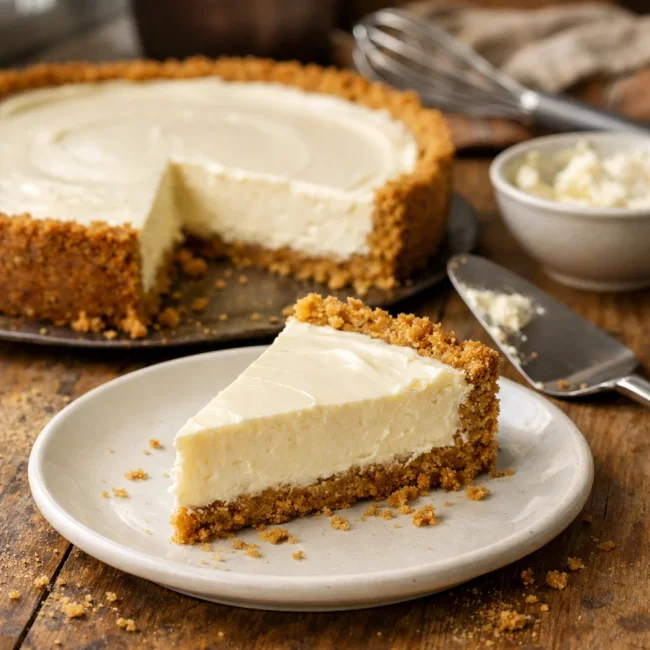
Traditional Cream Cheese Pie
A delightful and timeless dessert, Traditional Cream Cheese Pie offers a rich and ...
View Recipe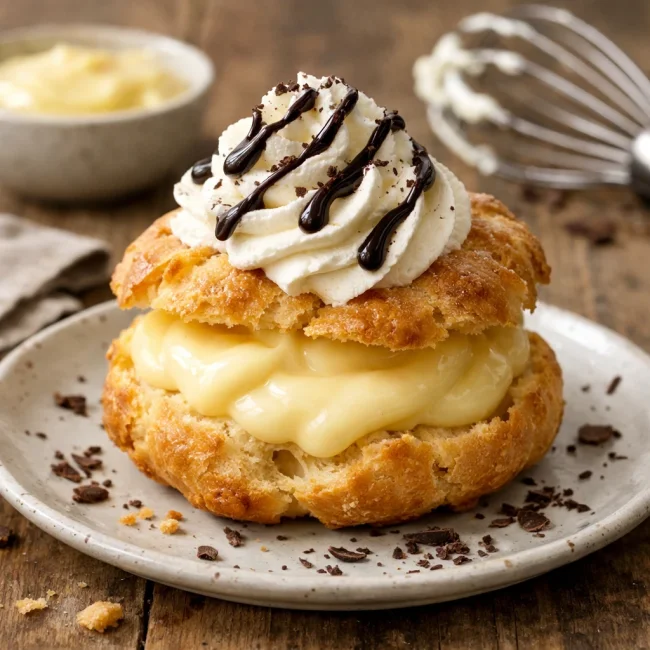
Timeless Cream Puff Delight
Indulge in a delectable Timeless Cream Puff Delight, a classic dessert featuring a...
View Recipe