
Traditional Cheese Sauce
There's something magically nostalgic about a classic cheese sauce. This recipe is a no-fuss, go-to option that’s perfect for drizzling over veggies, pasta, or even using as a dip. The best part? You probably have all the ingredients in your kitchen right now.
 Share
Share

This post may contain affiliate links. As an Amazon Associate, we earn from qualifying purchases.
Ingredients for Traditional Cheese Sauce
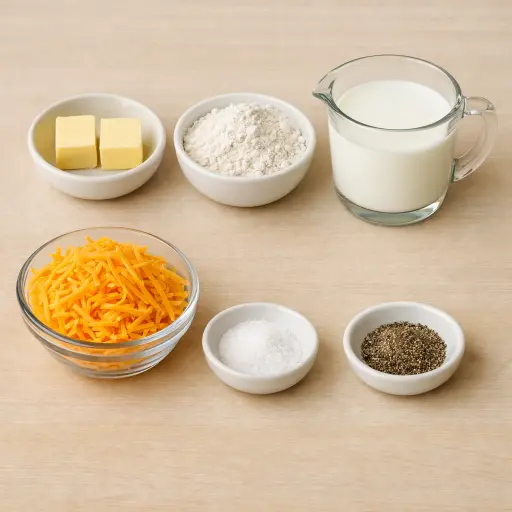
The key to a great cheese sauce is balancing simplicity with flavor. Let’s break it down:
Butter forms the base of the sauce, providing a rich, creamy texture and flavor. It helps cook the flour to create a smooth roux.
All-purpose flour thickens the sauce, transforming it from a plain liquid to a luscious, clingy sauce.
Whole milk is your liquid gold here, adding creaminess and just the right amount of richness to the sauce.
Shredded cheddar cheese is where all the cheesy goodness comes from. Opt for a sharp cheddar for a more pronounced flavor.
Salt and black pepper are your simple seasonings, enhancing the flavors without overpowering the cheese.
Why This Traditional Cheese Sauce Works
As the butter melts and the flour goes in, they form a smooth paste. After a minute or so on the heat, the flour starts to cook. That cooking step keeps the sauce from tasting like raw flour later. The butter coats every bit of flour, so when milk is added, the flour doesn’t clump up in one spot.
During the slow whisking with the milk, the flour starts to swell and spread through the liquid. Over a few minutes on the heat, those swollen flour bits thicken the milk and turn it into a smooth, velvety base. The sauce holds together instead of separating, and it clings nicely to whatever it’s poured on.
Once the pan comes off the heat, the warm base is ready for the cheddar. At this point the cheese melts gently into the hot sauce instead of breaking or going grainy. The fat from the cheese blends into the thickened milk, so the cheese sauce stays creamy, not oily, and the salt and pepper spread evenly through every spoonful.
Traditional Cheese Sauce Tips & Tricks
- Use freshly shredded cheese instead of pre-shredded varieties for a smoother sauce.
- If the sauce gets too thick, thin it with a splash more milk.
- Keep the heat moderate to prevent the sauce from becoming grainy or separating.
Mistakes To Avoid
Letting the flour and butter sit without whisking at the start can make little pastey lumps that never fully smooth out. Once the milk goes in, those dry bits swell and stay grainy, so the finished sauce feels sandy instead of silky.
Pouring all the cold milk in at once often shocks the hot flour-butter mix and creates stubborn clumps. The mixture then thickens in uneven patches, so some parts are gluey while other parts stay thin and runny.
Letting the milk mixture boil hard or sit on the heat too long before adding cheese can make it overly thick and almost doughy. When the cheese goes in, it struggles to melt in smoothly and the sauce can turn stretchy or clumpy instead of flowing.
Adding the cheese while the pan is still over direct high heat can cause the cheese to separate. The fat can leak out, leaving a greasy layer on top and a grainy, curdled sauce underneath.
Ingredients
- 2 tablespoons unsalted butter
- 2 tablespoons all-purpose flour
- 1 cup whole milk
- 1 cup shredded cheddar cheese
- 1/4 teaspoon salt
- 1/4 teaspoon black pepper
Step-by-step Instructions
- 1. Melt the butter in a saucepan over medium heat.
- 2. Whisk in the flour and cook for 1-2 minutes until bubbling.
- 3. Gradually add the milk while continuously whisking to avoid lumps.
- 4. Cook until the mixture thickens, about 3-5 minutes.
- 5. Remove from heat and stir in the cheddar cheese until fully melted.
- 6. Season with salt and black pepper to taste.
Trending Now
Oven-Baked Pork Chops
Enjoy a delightful dinner with these tender and juicy oven-baked pork chops, seaso...
View Recipe
Traditional Corn Casserole
A delightful corn casserole dish that embodies the comforting flavors of sweet cor...
View Recipe
Traditional Cucumber and Tomato Salad
A refreshing and simple salad combining crisp cucumbers and juicy tomatoes, season...
View Recipe
Savory Zucchini Bread
Savory Zucchini Bread is a delectable twist on traditional zucchini recipes, combi...
View RecipeFrequently Asked Questions
- Can I use a different type of cheese?
- Absolutely! Feel free to experiment with mozzarella, gouda, or even a spicy pepper jack.
- How can I store leftover cheese sauce?
- Store it in an airtight container in the fridge for up to three days. Reheat gently on the stove, stirring in a bit of milk if needed to restore the creamy texture.
Serving Ideas for Traditional Cheese Sauce
This cheese sauce is a versatile marvel. Pour it over steamed broccoli for a kid-friendly veggie dish, or mix it into cooked macaroni for an effortless mac and cheese. It’s also fantastic as a dip for soft pretzels or tortilla chips.
More Sauces, Comfort Food, Kid-Friendly Recipes

Traditional Cheese Sauce
A smooth and creamy cheese sauce that perfectly complements a variety of dishes, b...
View Recipe