
Traditional Carrot Cake
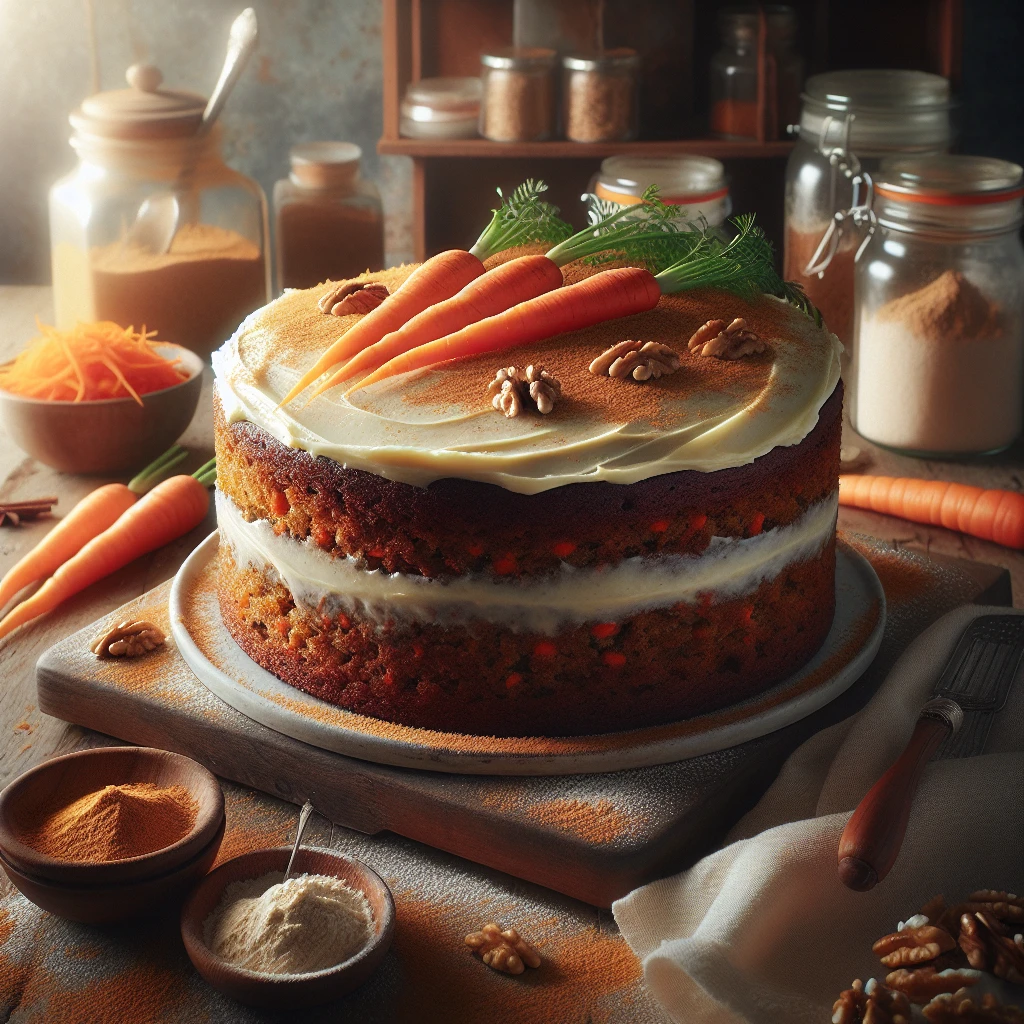
If you're looking for a classic dessert that never goes out of style, this Traditional Carrot Cake is it. Moist, rich, and topped with a creamy frosting, it’s the perfect treat for any occasion. Plus, it’s packed with flavors that will make you come back for more.
 Share
Share
This post may contain affiliate links. As an Amazon Associate, we earn from qualifying purchases.
Ingredients for Traditional Carrot Cake
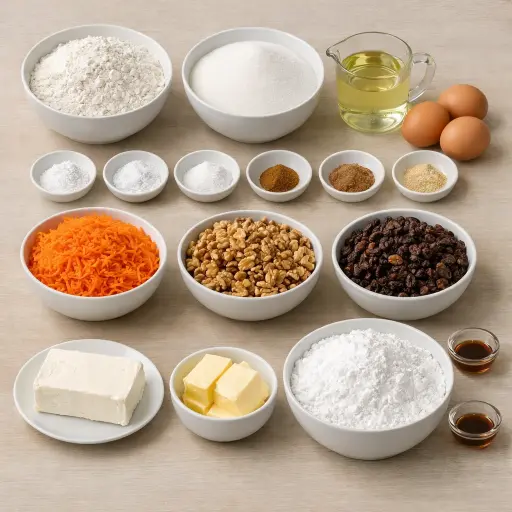
The backbone of this cake is the all-purpose flour, which provides structure. Granulated sugar sweetens the cake, while baking powder and baking soda help it rise beautifully. A pinch of salt enhances all the flavors. The trio of ground cinnamon, nutmeg, and ginger gives the cake its characteristic warmth and spice. Vegetable oil ensures the cake stays moist, and eggs bind everything together. Grated carrots not only add moisture but also that signature carrot cake flavor. Walnuts and raisins bring texture and a hint of sweetness. No cake is complete without the indulgent cream cheese and unsalted butter frosting, sweetened with powdered sugar and flavored with vanilla extract.
Why This Traditional Carrot Cake Works
In the oven, the batter starts out pretty loose from all the oil and eggs, but the flour, eggs, and sugar slowly set up and hold everything in place. As the heat moves through the pans, the eggs firm up and the flour starches swell, so the cake can support the heavy carrots, walnuts, and raisins without sinking. Sugar melts and spreads through the batter, then firms back up as it cools, which gives the cake a tight but tender crumb instead of something crumbly and dry.
During baking, the grated carrots soften and give off moisture into the cake around them. That moisture stays trapped inside the structure made by the eggs and flour, so the cake stays very moist even after it cools. Oil coats the flour and keeps the cake from drying out, so it stays soft for days. Once the cake is cool, the thick cream cheese and butter frosting goes on smoothly and then firms up a bit, holding the two layers together in a neat, sturdy stack.
Traditional Carrot Cake Tips & Tricks
- Use freshly grated carrots for the best texture and flavor; pre-packaged ones are often too dry.
- Toast the walnuts before adding them to enhance their flavor.
- For a smoother frosting, ensure both the cream cheese and butter are fully softened.
- If the frosting is too thick, add a teaspoon of milk to reach the desired consistency.
Mistakes To Avoid
Overbaking the layers can turn this cake from moist to tough. Once the edges pull far from the pan and the top looks very dark, the crumb dries out, and the raisins and nuts harden, so the cake slices feel chewy instead of soft.
Skipping the full cooling time before frosting often ends in a mess. Warm cake makes the cream cheese frosting loosen and slide, so the layers shift, crumbs tear out of the surface, and the frosting turns streaky and hard to spread.
Overmixing the batter after adding the wet ingredients changes the texture a lot. The flour soaks up more liquid and tightens, so instead of a tender, slightly nubby crumb, the cake bakes up dense and a bit rubbery, with less rise.
Using carrots that are too coarsely grated causes uneven texture and pockets of moisture. Big chunks stay a bit firm and wet in the oven, so some bites feel soggy while the rest of the cake is fully baked.
Equipment Used:
Ingredients
- 2 cups all-purpose flour
- 2 cups granulated sugar
- 1 tsp baking powder
- 1/2 tsp baking soda
- 1/2 tsp salt
- 1 tsp ground cinnamon
- 1/2 tsp ground nutmeg
- 1/2 tsp ground ginger
- 1 1/2 cups vegetable oil
- 4 large eggs
- 2 cups grated carrots
- 1 cup chopped walnuts
- 1 cup raisins
- 1 tsp vanilla extract
- 8 oz cream cheese, softened
- 1/2 cup unsalted butter, softened
- 4 cups powdered sugar
- 1 tsp vanilla extract
Step-by-step Instructions
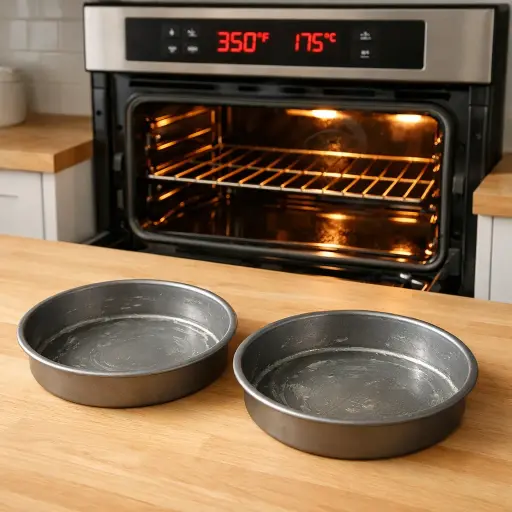
- 1. Preheat oven to 350°F (175°C) and grease two 9-inch round cake pans.
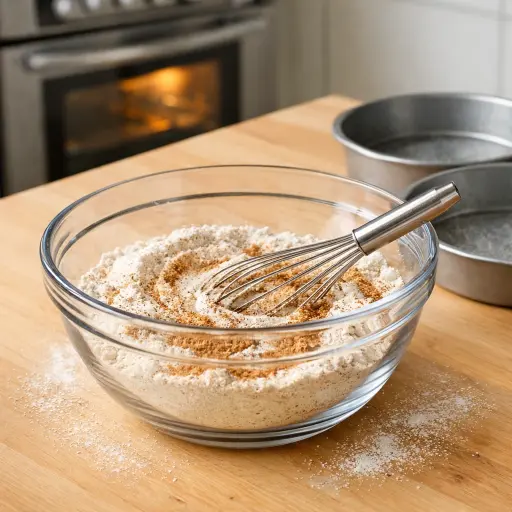
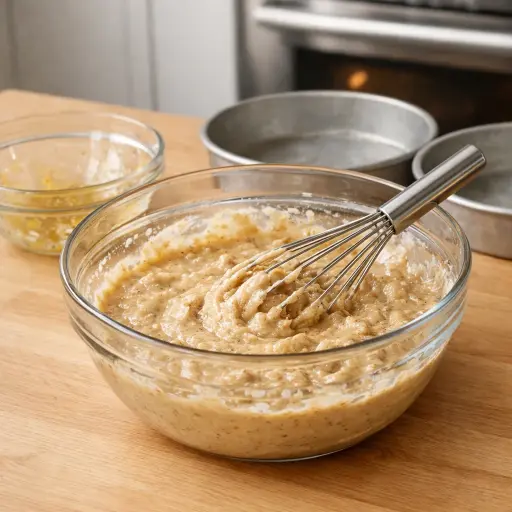
- 2. In a large bowl, whisk together the flour, sugar, baking powder, baking soda, salt, cinnamon, nutmeg, and ginger.
- 3. In another bowl, combine the oil, eggs, and vanilla extract. Stir the wet ingredients into the dry ingredients until just combined.
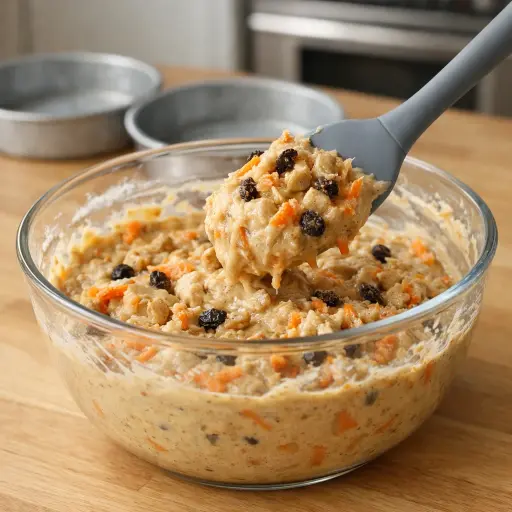
- 4. Fold in the grated carrots, walnuts, and raisins.
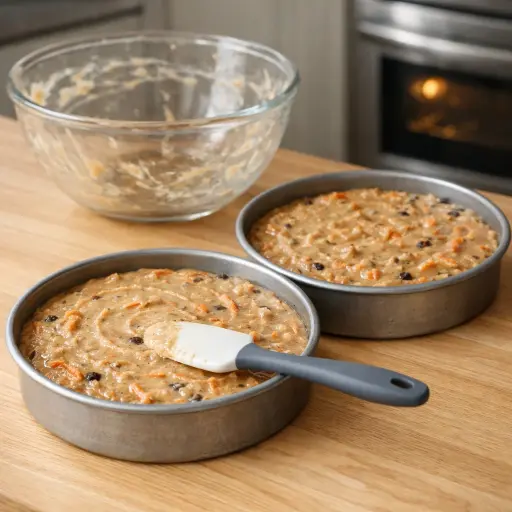
- 5. Divide the batter evenly between the prepared cake pans and smooth the tops.
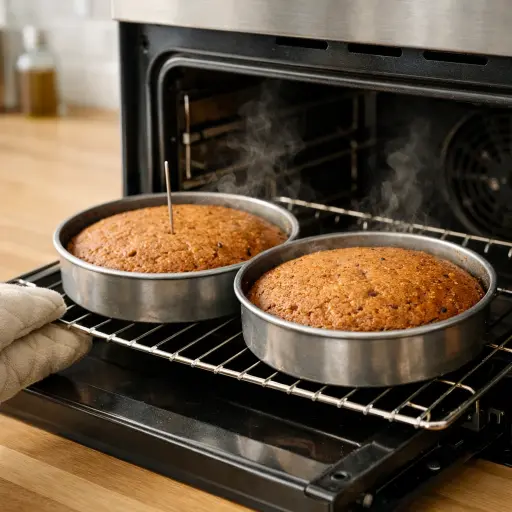
- 6. Bake for 25-30 minutes, or until a toothpick inserted into the center comes out clean.
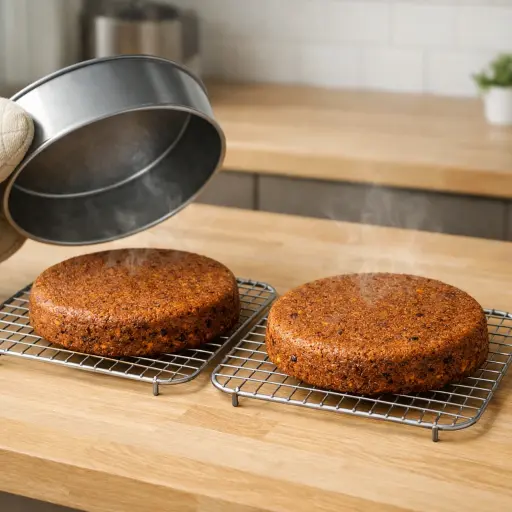
- 7. Allow the cakes to cool in the pans for 10 minutes, then turn out onto wire racks to cool completely.
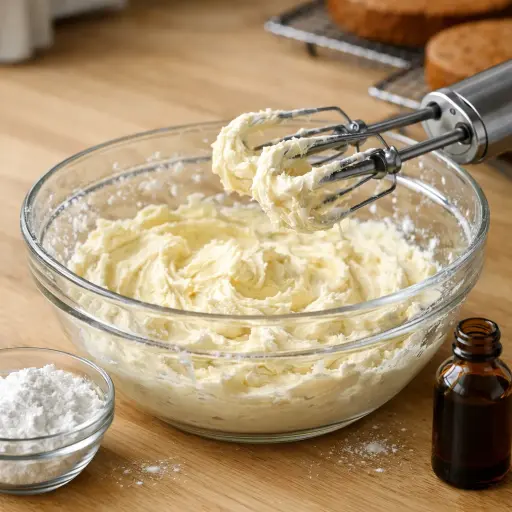
- 8. For the frosting, beat the cream cheese and butter together until smooth. Gradually add the powdered sugar and vanilla extract, beating until creamy.
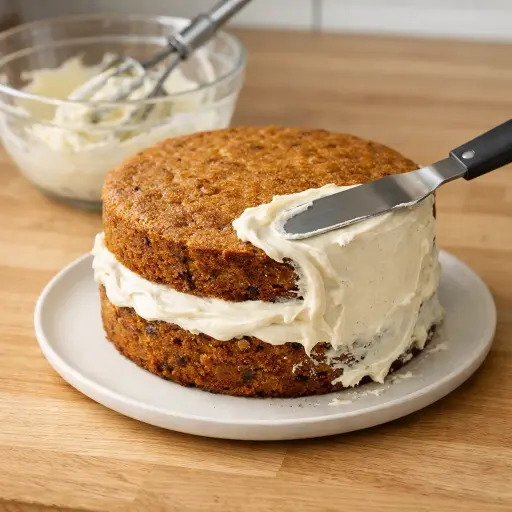
- 9. Once the cakes are completely cool, spread the frosting over the top of one cake, place the other cake on top, and frost the top and sides.
Trending Now
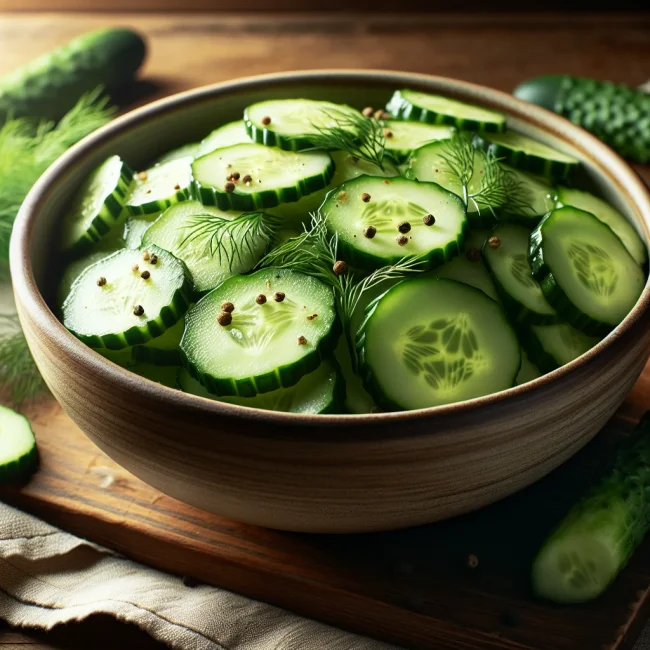
Classic Cucumber Salad
A refreshing and light cucumber salad featuring crisp cucumbers and a tangy vinaig...
View Recipe
Classic Banana Bread
Classic Banana Bread is a timeless dessert beloved for its moist texture and sweet...
View Recipe
Zesty Summer Squash Casserole
This delightful summer squash casserole combines vibrant garden-fresh vegetables w...
View Recipe
Traditional Dump Cake
Discover the timeless delight of the Traditional Dump Cake, a simple and scrumptio...
View RecipeFrequently Asked Questions
- Can I make this cake in advance?
- Yes, you can bake the cake layers a day ahead and store them, wrapped tightly in plastic wrap, at room temperature. Frost the cake on the day of serving.
- Can I freeze the carrot cake?
- Absolutely! Wrap the unfrosted cake layers in plastic wrap and aluminum foil before freezing. They can be stored for up to two months. Thaw overnight in the refrigerator before frosting.
- What can I use instead of walnuts?
- You can substitute with pecans or simply omit the nuts if you prefer.
Serving Ideas for Traditional Carrot Cake
This carrot cake pairs wonderfully with a dollop of whipped cream or a scoop of vanilla ice cream. For a touch of elegance, serve with a sprinkle of additional chopped walnuts on top. It's a perfect dessert for a Sunday brunch or an afternoon tea party.
More Desserts Recipes
Rustic Vanilla Peach Cobbler
This rustic vanilla peach cobbler combines a rich, buttery crust with the sweet, v...
View Recipe
Traditional Lemon Curd
A classic, tangy lemon curd that is perfect for enhancing desserts, breakfast dish...
View Recipe
Traditional Cream Cheese Pie
A delightful and timeless dessert, Traditional Cream Cheese Pie offers a rich and ...
View Recipe
Timeless Cream Puff Delight
Indulge in a delectable Timeless Cream Puff Delight, a classic dessert featuring a...
View Recipe