
Traditional Caribbean Rum Cake
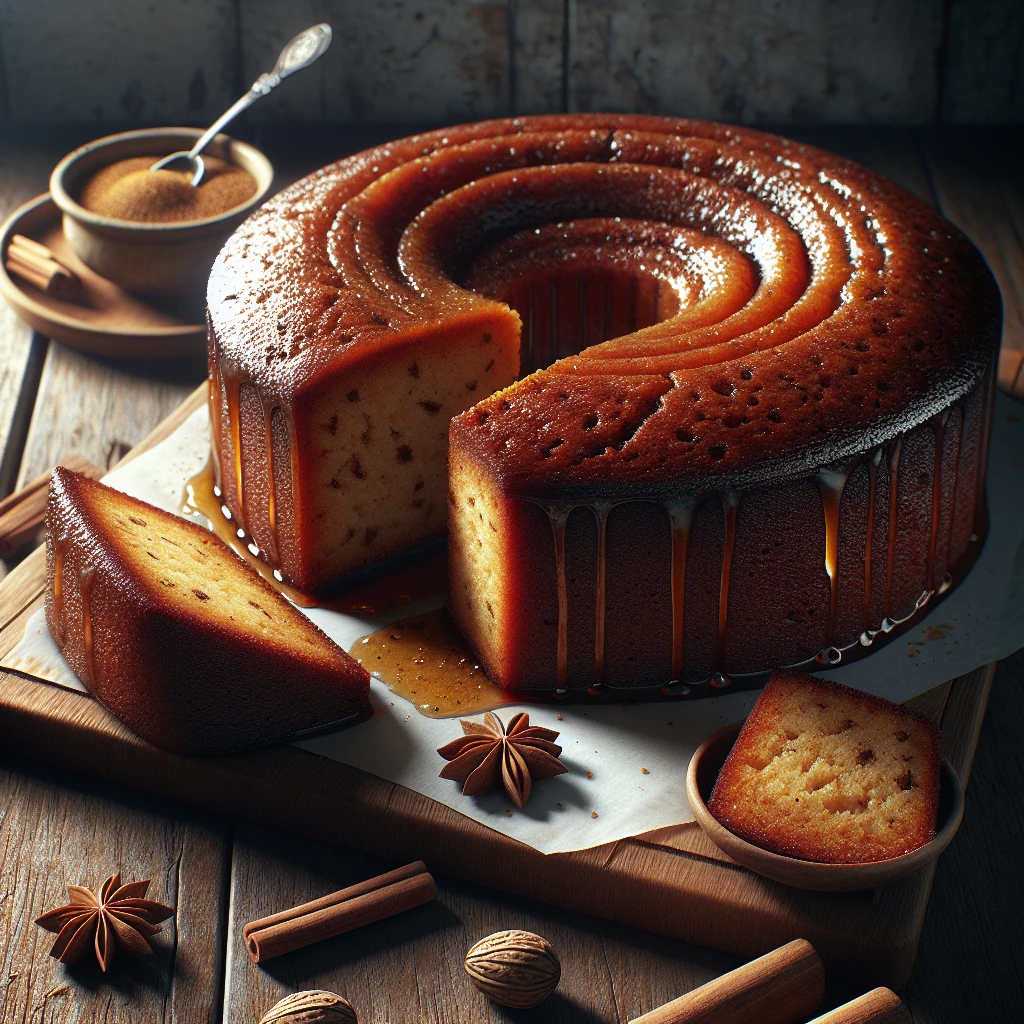
If you’re looking for a dessert that promises both a taste of the tropics and a touch of nostalgia, this Traditional Caribbean Rum Cake is your go-to. Rich, moist, and laced with the warming notes of dark rum, this cake is perfect for gatherings or a special treat at home.
 Share
Share
This post may contain affiliate links. As an Amazon Associate, we earn from qualifying purchases.
Ingredients for Traditional Caribbean Rum Cake
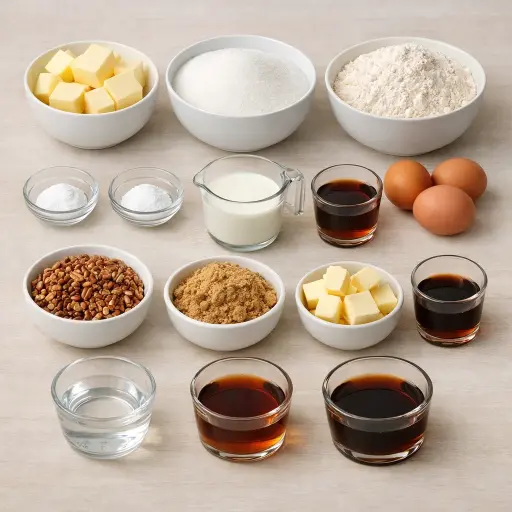
Butter brings richness and a tender crumb to the cake. Granulated sugar sweetens and helps create the cake's structure. Eggs bind everything together while adding moisture. All-purpose flour provides the base and structure. Baking soda ensures a good rise. A pinch of salt enhances all the flavors. Whole milk adds moisture and richness, while dark rum infuses the cake with its signature warmth. Vanilla extract rounds out the flavors with its sweet aroma. For a crunchy contrast, chopped pecans are a delightful addition. The brown sugar, butter, water, and a second helping of dark rum come together to create a glaze that soaks into the cake, making it irresistibly moist.
Why This Traditional Caribbean Rum Cake Works
During mixing, the butter and sugar trap a lot of tiny air pockets as they get light and fluffy. Those little pockets stay in the batter when the eggs and flour go in, so the cake rises evenly instead of baking up dense. The milk loosens the batter just enough so it can spread in the pan and bake through, while the flour and eggs set up in the oven and give the cake its structure.
As the cake bakes, the butter melts and coats the flour, which keeps the crumb soft instead of dry. The rum and vanilla spread through the batter and stay inside as the cake firms up, so the cake doesn’t taste harsh, just warm and sweet. By the time it comes out of the oven, the outside is set enough to hold together, but the inside is still ready to soak.
Once the warm cake is poked and the hot rum glaze is poured on, the liquid runs into the holes and slowly seeps through the crumb. The sugar in the glaze thickens as it cools, so the rum stays inside the cake instead of leaking out, giving a moist, tight crumb that slices cleanly but still feels juicy.
Traditional Caribbean Rum Cake Tips & Tricks
- Ensure your butter is at room temperature for easy creaming.
- Use a skewer to poke holes for the glaze; it makes sure the cake absorbs all the deliciousness.
- Let the cake sit overnight for the flavors to meld beautifully.
Mistakes To Avoid
Overbaking the cake easily turns it from moist to dry. Once it goes past done, the crumb tightens, the edges get tough, and the rum glaze can’t soak in evenly, so the outside becomes sticky while the inside stays a bit crumbly and dull.
Adding the rum glaze while the cake is still piping hot often causes trouble. The glaze runs straight down the sides and pools at the bottom of the pan instead of soaking in, leaving the top fairly plain and the base soggy and overly wet.
Letting the cake cool too long in the pan before poking holes and glazing means the crumb firms up too much. The glaze then mostly sits on the surface or in the cracks instead of sinking in, so the cake tastes more like a plain butter cake with a thin sweet layer on top.
Skipping the creaming step or not beating the butter and sugar until really light makes the batter heavy. In the oven, that dense batter rises poorly, giving a short, tight cake that feels more like a sweet bread than a soft rum cake.
Ingredients
- 1 cup unsalted butter
- 2 cups granulated sugar
- 4 large eggs
- 3 cups all-purpose flour
- 1/2 teaspoon baking soda
- 1/2 teaspoon salt
- 1 cup whole milk
- 1/2 cup dark rum
- 1 teaspoon vanilla extract
- 1/2 cup chopped pecans
- 1/2 cup brown sugar
- 1/2 cup unsalted butter
- 1/4 cup water
- 1/2 cup dark rum for glaze
Step-by-step Instructions
- 1. Preheat your oven to 325°F (165°C) and grease a bundt pan.
- 2. In a large bowl, cream together the butter and granulated sugar until light and fluffy.
- 3. Add eggs one at a time, beating well after each addition.
- 4. In another bowl, combine flour, baking soda, and salt.
- 5. Gradually add dry ingredients to the creamed mixture alternately with milk, beginning and ending with dry ingredients.
- 6. Stir in 1/2 cup of dark rum and vanilla extract, mixing until just combined.
- 7. Pour the batter into the prepared bundt pan, smoothing the top.
- 8. Bake for 55-60 minutes, or until a toothpick inserted into the center comes out clean.
- 9. While the cake bakes, prepare the glaze by combining brown sugar, 1/2 cup unsalted butter, and water in a saucepan. Bring to a boil over medium heat, stirring constantly.
- 10. Remove the glaze from heat and carefully stir in 1/2 cup dark rum.
- 11. Once the cake is done, remove from oven and let it cool in the pan for 10 minutes.
- 12. Poke holes in the warm cake and slowly pour the rum glaze over the top, allowing it to soak in.
- 13. Let the cake cool completely in the pan before turning out onto a serving plate.
Trending Now
Zesty Summer Squash Casserole
This delightful summer squash casserole combines vibrant garden-fresh vegetables w...
View Recipe
Classic Cucumber Salad
A refreshing and light cucumber salad featuring crisp cucumbers and a tangy vinaig...
View Recipe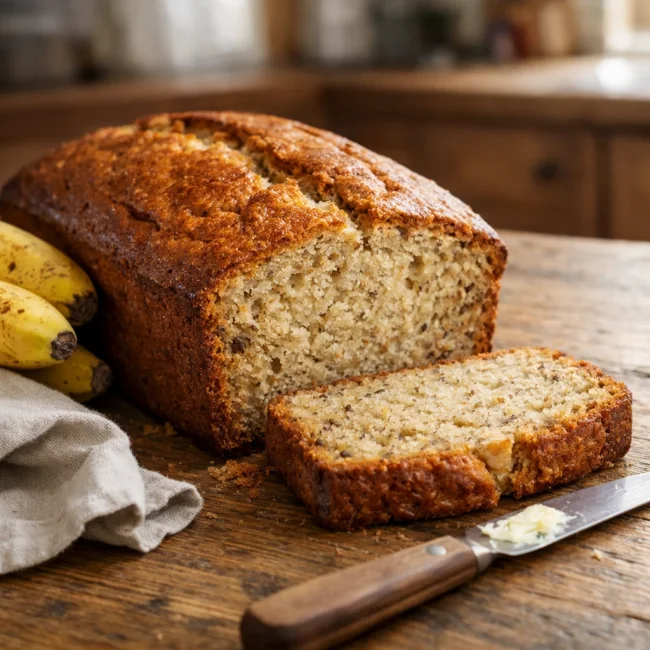
Classic Banana Bread
Classic Banana Bread is a timeless dessert beloved for its moist texture and sweet...
View Recipe
Traditional Dump Cake
Discover the timeless delight of the Traditional Dump Cake, a simple and scrumptio...
View RecipeFrequently Asked Questions
- Can I use a different type of rum?
- Yes, you can use any rum you prefer, but dark rum provides a deep, rich flavor that is traditional for this cake.
- How should I store the cake?
- Store it in an airtight container at room temperature for up to 5 days. It can also be refrigerated.
- Can I make this cake without nuts?
- Absolutely, simply omit the pecans if you prefer a nut-free version.
Serving Ideas for Traditional Caribbean Rum Cake
This rum cake pairs wonderfully with a scoop of vanilla ice cream or a dollop of whipped cream. For a more tropical twist, serve it alongside some fresh pineapple or mango slices.
More Desserts Recipes
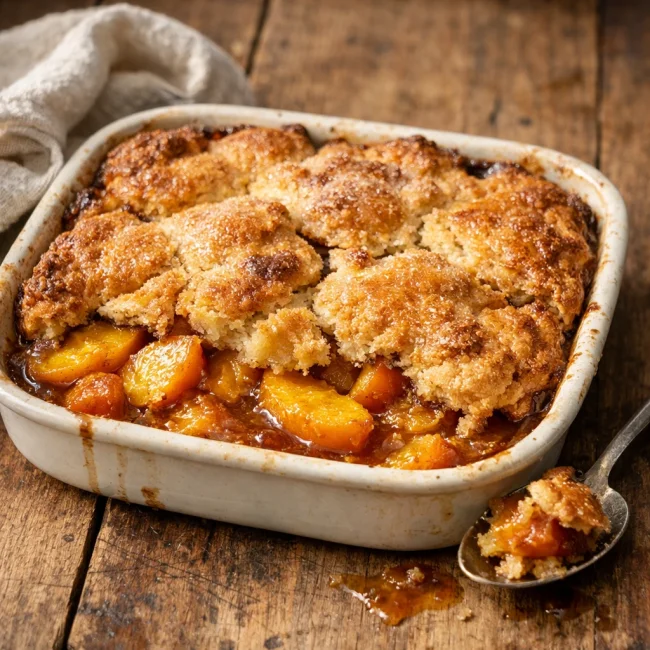
Rustic Vanilla Peach Cobbler
This rustic vanilla peach cobbler combines a rich, buttery crust with the sweet, v...
View Recipe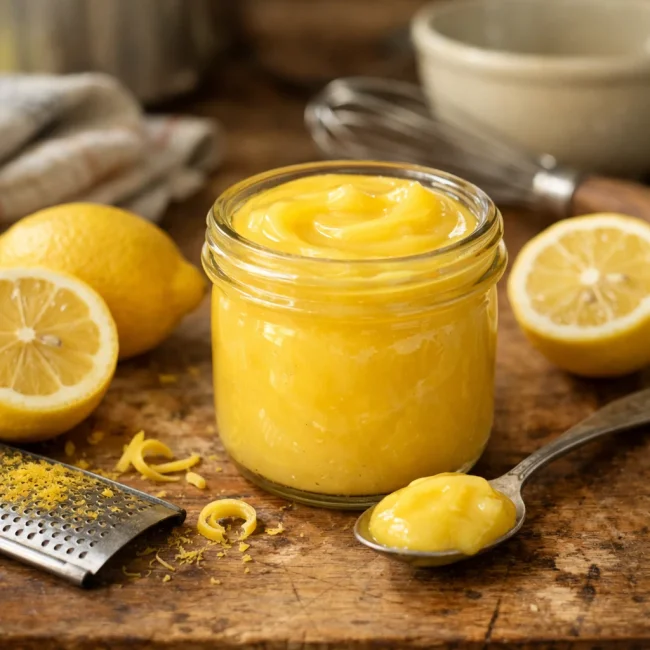
Traditional Lemon Curd
A classic, tangy lemon curd that is perfect for enhancing desserts, breakfast dish...
View Recipe
Traditional Cream Cheese Pie
A delightful and timeless dessert, Traditional Cream Cheese Pie offers a rich and ...
View Recipe
Timeless Cream Puff Delight
Indulge in a delectable Timeless Cream Puff Delight, a classic dessert featuring a...
View Recipe