
Traditional Buttery Pie Crust
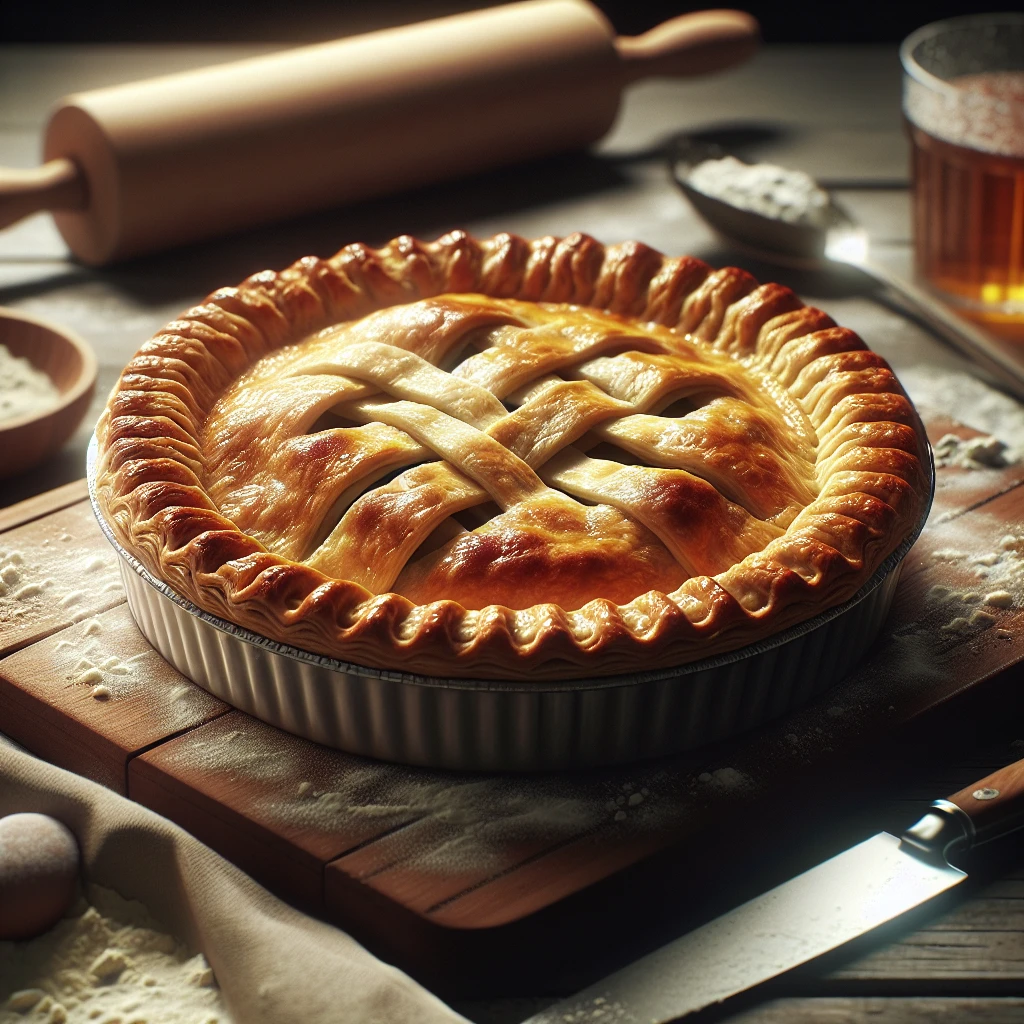
Everyone should have a go-to pie crust recipe, and this Traditional Buttery Pie Crust is just what you need. It's flaky, rich, and perfect for sweet or savory fillings. Let's make your pies the star of any gathering!
 Share
Share
This post may contain affiliate links. As an Amazon Associate, we earn from qualifying purchases.
Ingredients for Traditional Buttery Pie Crust
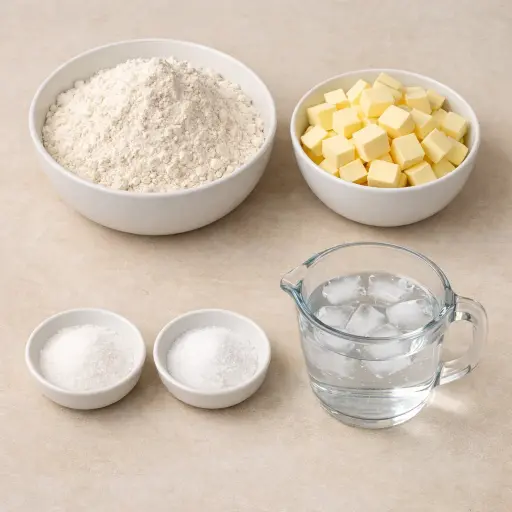
The magic of this crust starts with all-purpose flour, which provides the structure and flakiness. Unsalted butter is key for that rich, buttery flavor and flaky texture. Make sure it's chilled and diced for the best results. The salt enhances all the flavors, while a touch of sugar adds a hint of sweetness, balancing the savory butter. Finally, ice water brings it all together. Add it gradually to ensure the dough just holds together without being sticky.
Why This Traditional Buttery Pie Crust Works
Cold butter is the big thing here. When the butter goes into the flour in firm little chunks, it doesn’t smear all the way in. As the fingers or pastry cutter press it, the butter breaks into flat bits and gets coated in flour. Those bits stay separate instead of melting into a smooth paste.
During baking, each piece of butter starts to melt and gives off steam. That steam pushes apart the layers of flour around it, so the crust bakes up flaky instead of dense. At the same time, the flour and water join together and form the part that actually holds the crust in one piece.
Salt and sugar season the dough and also pull a little moisture into the flour, so it isn’t dry and crumbly. After the dough rests in the fridge, the flour finishes soaking up the water and the butter firms back up. By the time it is rolled out and baked, the dough stays together, but the butter still melts in pockets, giving a tender, crisp, flaky crust.
Traditional Buttery Pie Crust Tips & Tricks
- Keep all your ingredients cold to maximize flakiness.
- Don't overwork the dough; it's okay if you see small pieces of butter.
- If your kitchen is warm, chill your mixing bowl and tools before starting.
- Use a marble rolling pin to keep the dough cool while rolling.
Mistakes To Avoid
Using butter that is too soft turns the mixture past “coarse crumbs” into a paste. The flour then absorbs the melted fat instead of staying in little bits, so the crust bakes up tough and bready instead of flaky, with no visible layers.
Adding all the water at once often leads to a dough that gets overworked. The cook keeps kneading to make it come together, the gluten tightens, and the finished crust shrinks hard in the pan and turns chewy instead of tender.
Skipping the chill time in the fridge means the butter and gluten don’t get a chance to firm up and relax. In the oven, the warm, soft dough slumps down the sides of the pie dish and bakes into a greasy, uneven crust that loses its shape.
Using warm or room‑temperature water instead of ice water causes the butter to soften too early in the bowl. The fat smears into the flour instead of staying in small cold pieces, and the baked crust comes out dense with very little flakiness.
Equipment Used:
Ingredients
- 2 1/2 cups all-purpose flour
- 1 cup unsalted butter, chilled and diced
- 1 teaspoon salt
- 1 teaspoon sugar
- 6 to 8 tablespoons ice water
Step-by-step Instructions
- 1. In a large bowl, combine flour, salt, and sugar.
- 2. Add diced butter and use a pastry cutter or your fingers to blend until the mixture resembles coarse crumbs.
- 3. Slowly add ice water, a tablespoon at a time, mixing gently until the dough begins to hold together.
- 4. Divide the dough in half, shape into discs, wrap in plastic wrap, and refrigerate for at least 1 hour before rolling out.
Trending Now
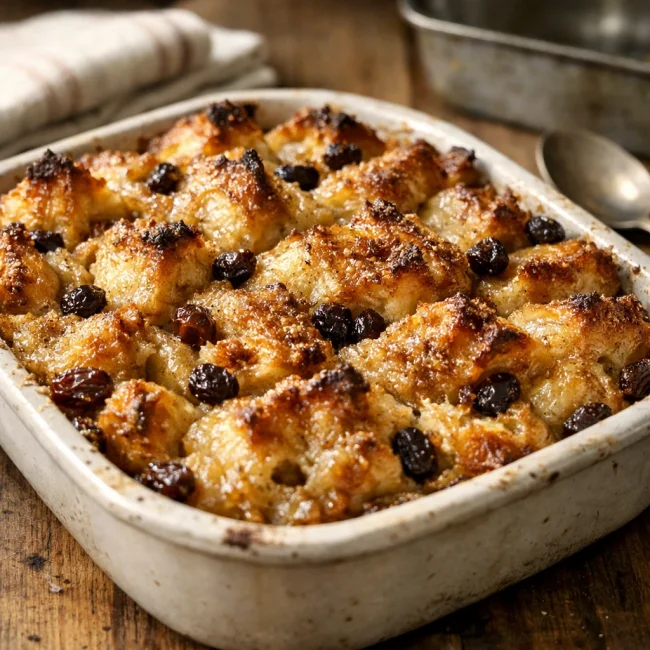
Old-Fashioned Bread Pudding
Discover the classic charm of Old-Fashioned Bread Pudding - a timeless dessert com...
View Recipe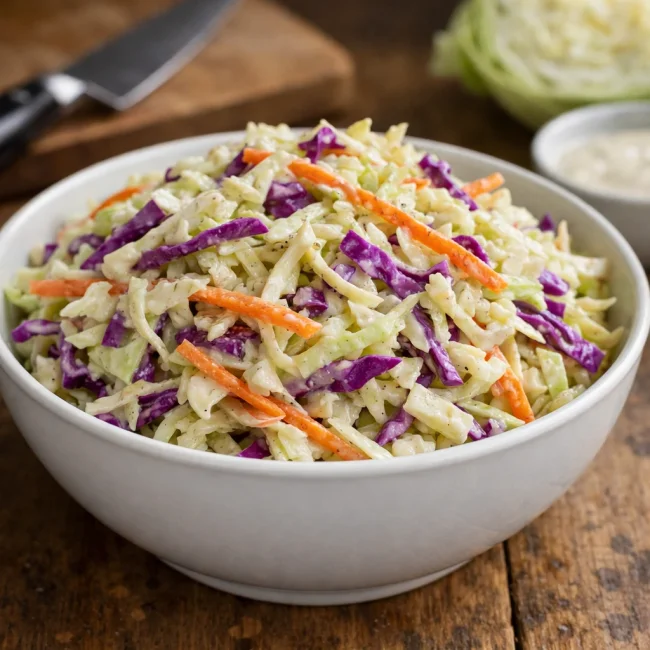
Traditional Crisp Coleslaw
A classic coleslaw recipe featuring finely shredded cabbage and carrots tossed in ...
View Recipe
Traditional Italian Bruschetta
Experience the authentic taste of Italian bruschetta, a perfect blend of fresh tom...
View Recipe
Classic Banana Bread
Classic Banana Bread is a timeless dessert beloved for its moist texture and sweet...
View RecipeFrequently Asked Questions
- Can I use salted butter?
- Yes, but reduce the added salt in the recipe to avoid an overly salty crust.
- How long can I store the dough in the fridge?
- It can be stored for up to 2 days. For longer storage, freeze it for up to 3 months.
- Why does the dough need to rest?
- Resting allows the gluten to relax, preventing a tough crust, and helps the butter to firm up for flakiness.
Serving Ideas for Traditional Buttery Pie Crust
This pie crust is the foundation for countless delicious pies. Use it for a classic apple pie, a savory quiche, or a creamy chicken pot pie. Pair with a scoop of vanilla ice cream for dessert pies or a fresh salad alongside savory ones.
More Baking Recipes
Spiced Honey Carrot Cake
Delight in the rich and moist Spiced Honey Carrot Cake that perfectly balances swe...
View Recipe
Old-Fashioned Butter Cake
A timeless classic, the Old-Fashioned Butter Cake is a rich, buttery treat perfect...
View Recipe
Rustic Herb Pie Crust
This Rustic Herb Pie Crust is a delightful twist on the classic pie base, infused ...
View Recipe
Traditional Key Lime Pie
Discover the rich and tangy taste of our Traditional Key Lime Pie, a classic desse...
View Recipe