
Traditional Buttermilk
If you’ve ever been in the middle of a recipe and realized you’re out of buttermilk, you’ll love this quick and easy solution. With just two simple ingredients, you can have fresh buttermilk in minutes, perfect for baking or cooking.
 Share
Share
This post may contain affiliate links. As an Amazon Associate, we earn from qualifying purchases.
Ingredients for Traditional Buttermilk
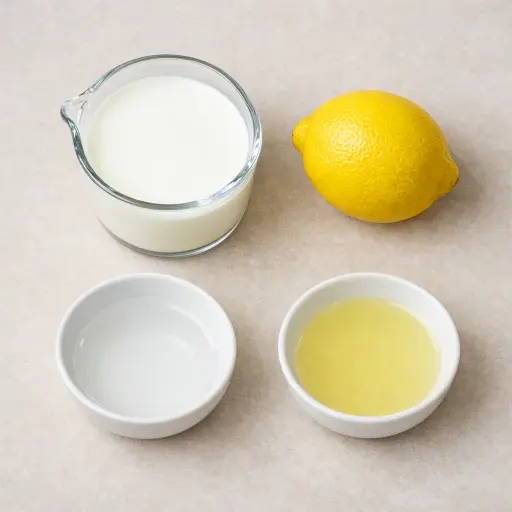
Whole milk is the base for this recipe, providing the necessary fat content for a creamy texture. The key is to use whole milk because it offers the richness and consistency needed for authentic buttermilk.
Distilled white vinegar or lemon juice acts as the acid that curdles the milk, mimicking the tangy flavor and slight thickness of traditional buttermilk. Choose based on what flavor profile you prefer: vinegar for neutrality or lemon for a hint of citrus.
Why This Traditional Buttermilk Works
Once the vinegar or lemon juice hits the whole milk, the milk starts to change almost right away. The acid in the vinegar or lemon juice bumps into the proteins in the milk and they tighten up and clump. That is why little soft bits start to form and the milk looks a bit split or curdled. It might look wrong, but that is exactly what needs to happen.
As the mixture sits for a few minutes, it thickens and loses that fresh, straight‑from‑the-carton look. The milk stays pourable, but it feels heavier and coats a spoon more. Those tiny curds and the thicker liquid act a lot like real buttermilk in baking. In a batter or dough, this thicker, slightly sour milk reacts well with baking soda and helps things rise and stay tender. So a few minutes of waiting lets the milk and acid finish their reaction and turns plain milk into something that behaves like buttermilk in recipes.
Traditional Buttermilk Tips & Tricks
- Always use whole milk for the best texture and flavor.
- If you prefer a less tangy flavor, reduce the vinegar or lemon juice slightly.
- Store leftover buttermilk in an airtight container in the refrigerator for up to three days.
Mistakes To Avoid
Using ultra-low-fat or non-dairy milk often keeps the mixture from thickening properly. The acid doesn’t have enough milk solids to grab onto, so instead of a slightly thick, curdled liquid, it stays thin and watery, and baked goods made with it can turn out flatter and less tender.
Pouring in way more vinegar or lemon juice than called for can throw the balance off. Too much acid can make the milk separate into big, rubbery curds with a very thin liquid around them, so the “buttermilk” behaves more like spoiled milk than a gentle thickener.
Not giving the mixture enough time to sit is another common problem. When it’s used right after stirring, the milk hasn’t had time to thicken or form soft curds, so it stays almost like plain milk and doesn’t give batters the same lift or softness.
Letting the mixture sit for a very long time at warm room temperature can also backfire. After a while it can start to smell off and separate too much, turning grainy and unpleasant, which can make the final dish feel lumpy instead of smooth.
Equipment Used:
Ingredients
- 1 cup whole milk
- 1 tablespoon distilled white vinegar or lemon juice
Step-by-step Instructions
- 1. Pour 1 cup of whole milk into a measuring cup.
- 2. Stir in 1 tablespoon of distilled white vinegar or lemon juice.
- 3. Let the mixture sit for 5-10 minutes at room temperature until it thickens and curdles.
- 4. Use immediately or store as needed.
Trending Now
Oven-Baked Pork Chops
Enjoy a delightful dinner with these tender and juicy oven-baked pork chops, seaso...
View Recipe
Traditional Corn Casserole
A delightful corn casserole dish that embodies the comforting flavors of sweet cor...
View Recipe
Traditional Cucumber and Tomato Salad
A refreshing and simple salad combining crisp cucumbers and juicy tomatoes, season...
View Recipe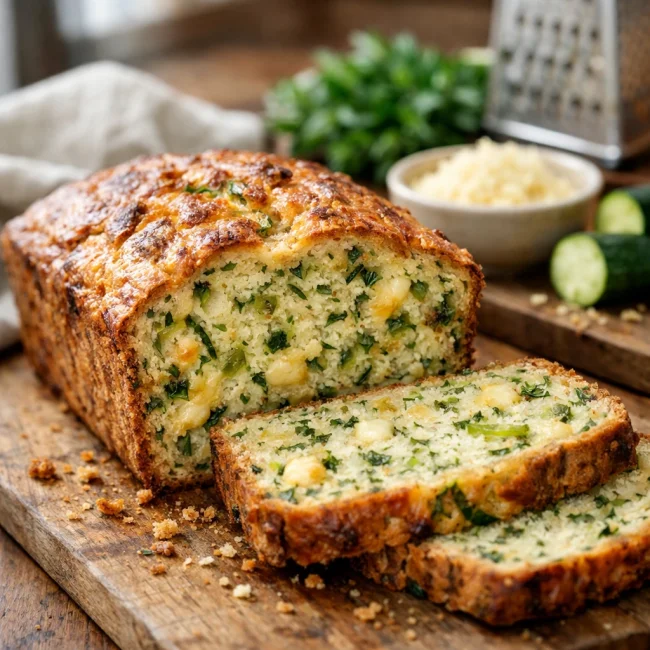
Savory Zucchini Bread
Savory Zucchini Bread is a delectable twist on traditional zucchini recipes, combi...
View RecipeFrequently Asked Questions
- Can I use low-fat milk?
- Yes, but the texture and richness will be slightly reduced.
- How long can I store homemade buttermilk?
- It can be stored in the refrigerator for up to three days.
- Is there a substitute for vinegar or lemon juice?
- Yes, you can try using apple cider vinegar, but it may slightly alter the taste.
Serving Ideas for Traditional Buttermilk
This homemade buttermilk is perfect for adding moisture and tang to pancakes, biscuits, or even fried chicken batter. Try it in dressings or marinades for an extra layer of flavor.
More Dairy-Free, Vegetarian Recipes
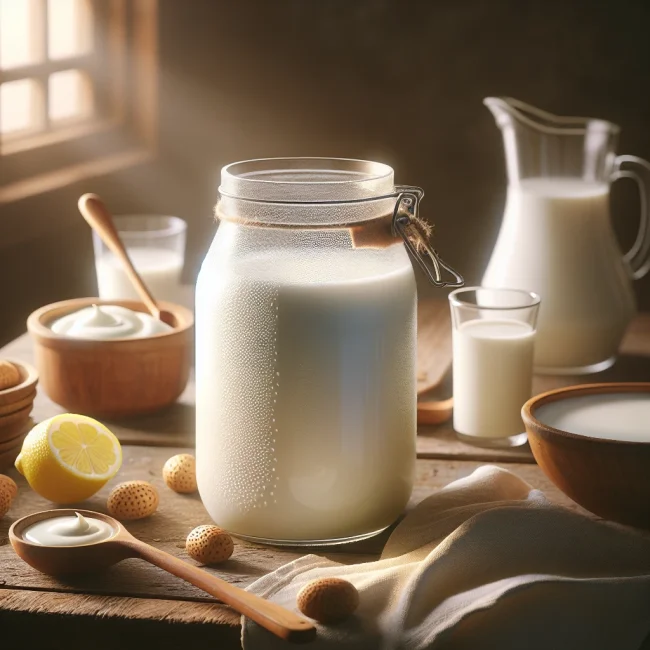
Traditional Buttermilk
Learn how to make traditional homemade buttermilk with this simple recipe. Perfect...
View Recipe