
Traditional Butter Shortbread
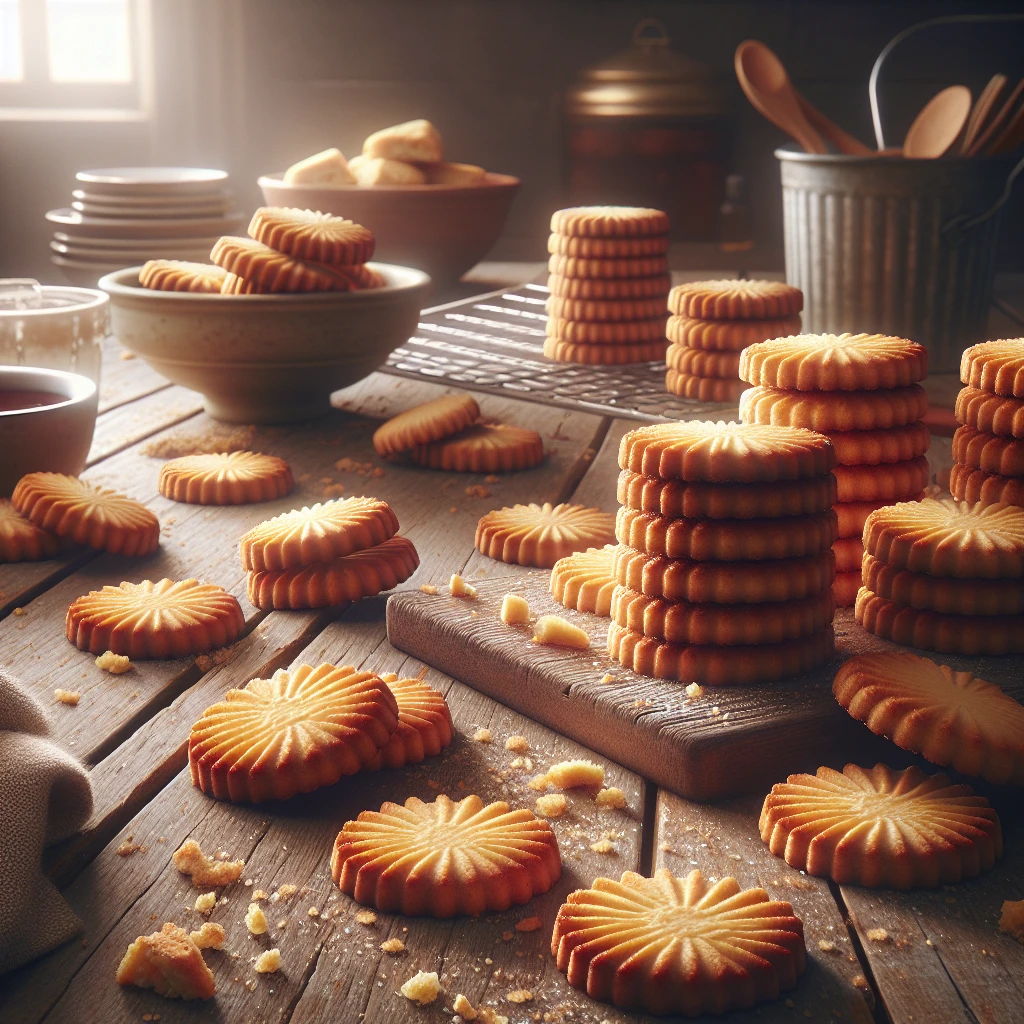
Welcome to the world of traditional butter shortbread, a simple yet classic treat that embodies the perfect balance of buttery richness and melt-in-your-mouth texture. This recipe is timeless, with just four basic ingredients coming together to create a delightful experience that's perfect for any occasion.
 Share
Share
This post may contain affiliate links. As an Amazon Associate, we earn from qualifying purchases.
Ingredients for Traditional Butter Shortbread
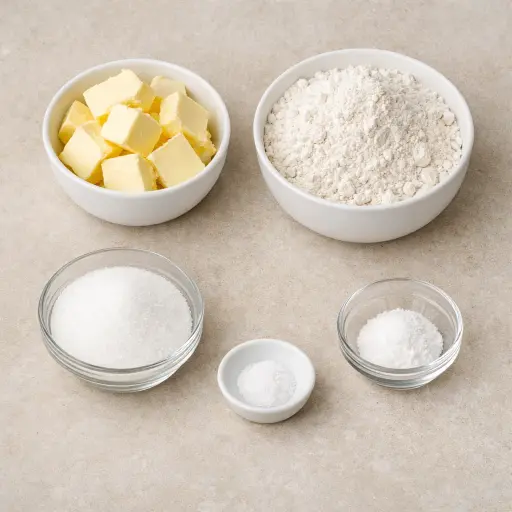
Butter: This is the star of the show, imparting that rich, creamy flavor that makes shortbread so irresistible. Make sure it's unsalted and softened for the best texture and taste.
Sugar: Granulated sugar not only sweetens the dough but also helps to create that signature crumbly texture. It balances out the richness of the butter.
All-purpose flour: This is your structural base. It binds the butter and sugar, giving the cookies their shape and texture.
Salt: Just a pinch enhances the flavors, balancing out the sweetness and richness, and rounding out the overall taste.
Why This Traditional Butter Shortbread Works
As the butter and sugar are creamed together, the sugar scrapes tiny air pockets into the soft butter. Those little pockets stay in the dough and give the shortbread a lighter, more tender bite instead of a hard, dense cookie. The sugar also keeps the butter from feeling greasy by spreading it evenly through the dough.
When the flour and salt go in, the dough only gets mixed until it just comes together. That way the flour doesn’t get worked too much, so the shortbread stays crumbly and delicate instead of chewy. Rolling the dough fairly thick also keeps each cookie from drying out in the oven.
In the oven, the butter slowly melts and spreads through the flour, coating it and keeping the shortbread soft. At the same time, the heat dries the surface and sets the shape. By the time the edges look lightly golden, the center has set but still holds some moisture, so the cookies cool into that classic crisp-but-tender texture.
Traditional Butter Shortbread Tips & Tricks
- Ensure your butter is truly softened for easier creaming. Leave it out of the fridge for at least an hour before starting.
- If the dough feels too crumbly, add a teaspoon of milk to bring it together.
- For an even bake, rotate your baking sheet halfway through the cooking time.
Mistakes To Avoid
Using butter that is still firm from the fridge often keeps it from creaming properly with the sugar. The mixture stays dense and pasty instead of light and fluffy, so the shortbread bakes up hard and compact instead of tender and crumbly.
Overmixing once the flour goes in can quickly turn the dough tough. The flour absorbs more moisture and the butter smears too much, so the baked cookies lose that delicate melt-in-the-mouth texture and feel chewy or rubbery instead.
Rolling the dough too thin means the edges brown before the centers have time to set. The cookies come out with dark, almost burnt rims while the middle stays fragile and dry instead of evenly crisp.
Letting the shortbread bake until it is fully golden all over often leads to a dry, hard result. By the time the color is deep, the moisture has baked out, so the cookies snap sharply instead of giving a soft, sandy bite.
Equipment Used:
Mixing bowl, Whisk, Rolling pin, Cookie cutter, Baking sheet, Parchment paper, Wire rack
Ingredients
- 1 cup unsalted butter, softened
- 1/2 cup granulated sugar
- 2 cups all-purpose flour
- 1/4 tsp salt
Step-by-step Instructions
- 1. Preheat your oven to 325°F (163°C).
- 2. In a large mixing bowl, cream the softened butter and sugar together until light and fluffy.
- 3. Gradually add the flour and salt, mixing until just combined.
- 4. On a lightly floured surface, roll out the dough to about 1/4 inch thickness.
- 5. Cut into desired shapes and place on a baking sheet lined with parchment paper.
- 6. Bake in the preheated oven for 18-20 minutes or until the edges are lightly golden.
- 7. Allow to cool on the baking sheet for a few minutes before transferring to a wire rack to cool completely.
Trending Now

Classic Cucumber Salad
A refreshing and light cucumber salad featuring crisp cucumbers and a tangy vinaig...
View Recipe
Classic Banana Bread
Classic Banana Bread is a timeless dessert beloved for its moist texture and sweet...
View Recipe
Zesty Summer Squash Casserole
This delightful summer squash casserole combines vibrant garden-fresh vegetables w...
View Recipe
Traditional Dump Cake
Discover the timeless delight of the Traditional Dump Cake, a simple and scrumptio...
View RecipeFrequently Asked Questions
- Can I use salted butter?
- Yes, but omit the additional salt in the recipe to avoid over-salting.
- How do I store these cookies?
- Store them in an airtight container at room temperature for up to a week, or freeze for up to three months.
- Can I add flavorings or toppings?
- Absolutely! Try adding vanilla extract, lemon zest, or drizzling with chocolate for a twist.
Serving Ideas for Traditional Butter Shortbread
Pair these shortbread cookies with a rich, dark hot chocolate or a glass of cold milk to complement their buttery richness. They also make an elegant addition to a dessert platter, adding a touch of homemade charm.
More Baking Recipes
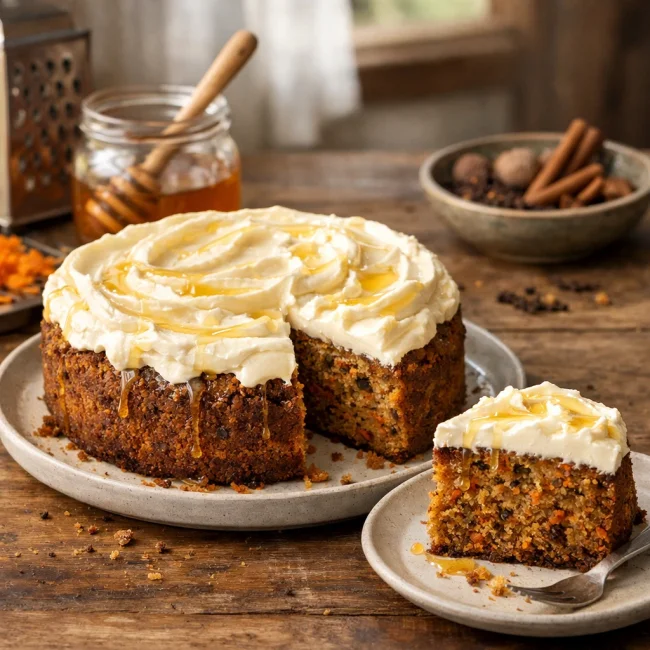
Spiced Honey Carrot Cake
Delight in the rich and moist Spiced Honey Carrot Cake that perfectly balances swe...
View Recipe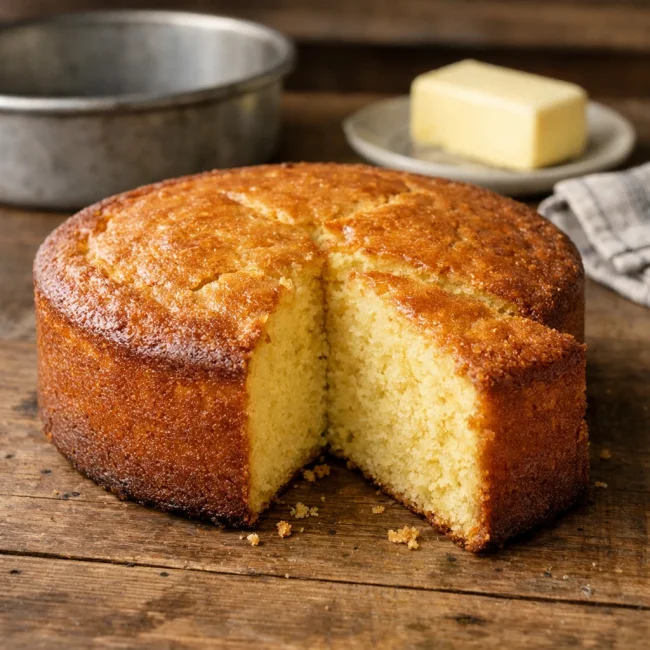
Old-Fashioned Butter Cake
A timeless classic, the Old-Fashioned Butter Cake is a rich, buttery treat perfect...
View Recipe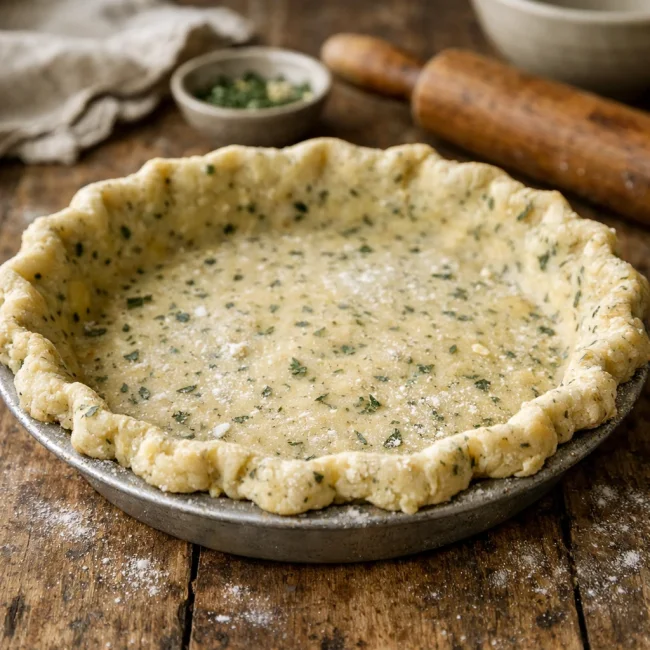
Rustic Herb Pie Crust
This Rustic Herb Pie Crust is a delightful twist on the classic pie base, infused ...
View Recipe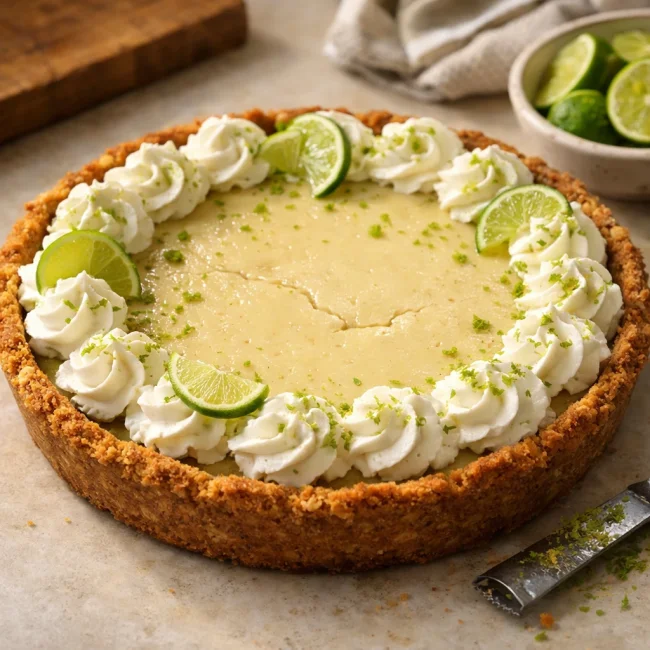
Traditional Key Lime Pie
Discover the rich and tangy taste of our Traditional Key Lime Pie, a classic desse...
View Recipe