
Traditional Braided Bread
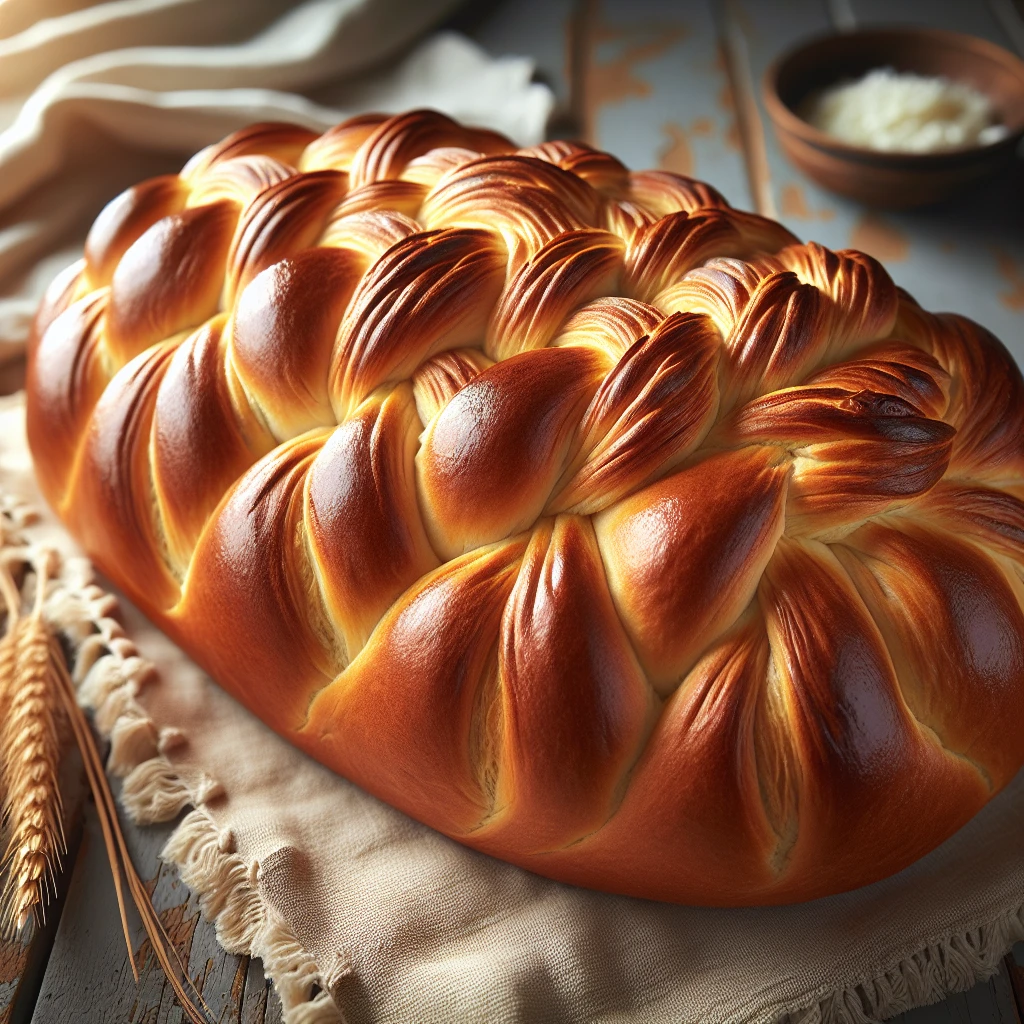
If you've ever wanted to fill your kitchen with the heavenly aroma of freshly baked bread, this Traditional Braided Bread recipe is your answer. It's a showstopper with its golden crust and intricate braid. Perfect for dinner parties or a cozy family meal, this bread is a testament to the art of baking.
 Share
Share
This post may contain affiliate links. As an Amazon Associate, we earn from qualifying purchases.
Ingredients for Traditional Braided Bread
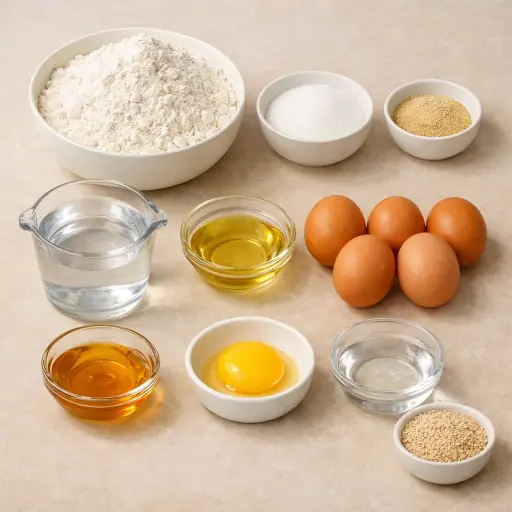
The foundation of this bread is all-purpose flour, providing the structure and chewiness we love. The sugar not only adds a touch of sweetness but also helps feed the yeast, giving our bread its rise. We use active dry yeast for its reliable leavening power. A pinch of salt enhances all the flavors and balances the sweetness. Lukewarm water is crucial to activate the yeast without killing it. Vegetable oil adds moisture, keeping the bread soft and tender. Eggs enrich the dough, adding color and flavor, while honey contributes a unique sweetness and depth. A final egg yolk wash gives the loaf its shiny, golden crust, and a sprinkle of sesame seeds adds a nutty finish.
Why This Traditional Braided Bread Works
At the start, the small amount of flour mixed with sugar, yeast, and salt gives the yeast an easy place to wake up. Once the lukewarm water goes in, the yeast starts to feed on the sugar and slowly fills the dough with tiny gas bubbles. As more flour is added and the dough is kneaded, the flour and eggs form a stretchy network that can trap those bubbles instead of letting them escape.
During the long rise, that stretchy dough slowly swells as the gas spreads through it. The oil and eggs keep the dough soft, so it rises without drying out or cracking. When the dough is divided into ropes and braided, all those layers and twists create spots where the dough can puff in different directions.
In the oven, the heat makes the gas expand fast, and the egg-and-honey dough sets around it. The outside browns and firms up, while the inside stays soft and slightly springy. The egg wash on top dries into a thin, shiny crust that holds the sesame seeds in place.
Traditional Braided Bread Tips & Tricks
- If your kitchen is cold, let the dough rise in a slightly warmed (but off) oven for a consistent environment.
- For a richer flavor, replace half of the water with milk.
- Ensure your water is lukewarm, not hot, to prevent killing the yeast.
Mistakes To Avoid
Using water that is too hot for the yeast can kill it, so the dough barely rises. The dough then stays dense and tight, and the finished loaf comes out heavy with a tight crumb instead of light and fluffy.
Adding all the flour at once instead of gradually often leads to a stiff dough. The flour doesn’t get worked in evenly, parts stay dry, and the dough ends up too firm to stretch well, so the braid cracks and the bread bakes up tough.
Cutting the dough into three pieces by eye and not getting them close to equal makes the braid uneven. One strand swells more than the others in the oven, so the loaf twists to one side and can bake unevenly, with some parts thicker and slightly underdone.
Skipping the second rise after braiding leaves the loaf small and tight. In the oven it has to do all its rising fast, so the crust sets before the inside has expanded, giving a thick crust and a slightly doughy center.
Equipment Used:
Mixing bowl, baking sheet, parchment paper, brush, wire rack
Ingredients
- 4 cups all-purpose flour
- 1/2 cup sugar
- 2 1/4 teaspoons active dry yeast
- 1 teaspoon salt
- 3/4 cup lukewarm water
- 1/4 cup vegetable oil
- 4 large eggs
- 1 tablespoon honey
- 1 egg yolk
- 1 tablespoon water
- 1 tablespoon sesame seeds
Step-by-step Instructions
- 1. In a large mixing bowl, combine 1 cup of flour, sugar, yeast, and salt.
- 2. Add lukewarm water and vegetable oil to the dry ingredients and mix until combined.
- 3. Beat 3 of the eggs, and add them along with honey to the mixture, stirring well.
- 4. Gradually add the remaining flour, about 1 cup at a time, until a soft dough forms.
- 5. Knead the dough on a floured surface for about 10 minutes, until smooth and elastic.
- 6. Place the dough in a greased bowl, cover it, and let rise in a warm place for 1-2 hours, or until it has doubled in size.
- 7. Punch down the dough, then divide it into three equal parts.
- 8. Roll each part into a long rope, about 14 inches long.
- 9. Braid the ropes together, tucking the ends under to secure.
- 10. Place the braided loaf on a baking sheet lined with parchment paper.
- 11. Beat the remaining egg yolk with 1 tablespoon of water and brush over the loaf.
- 12. Sprinkle with sesame seeds and let rise for another 30 minutes.
- 13. Preheat the oven to 375°F (190°C).
- 14. Bake the bread for 25-30 minutes, or until golden brown and sounds hollow when tapped on the bottom.
- 15. Allow bread to cool on a wire rack before slicing.
Trending Now
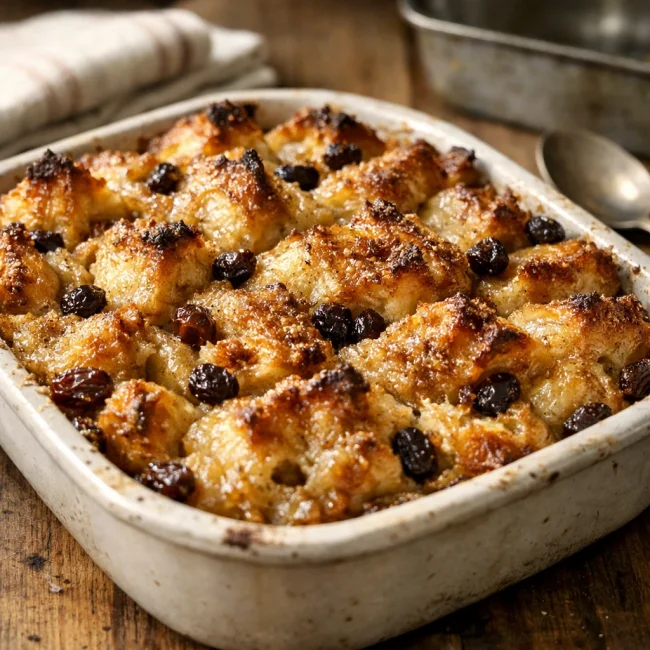
Old-Fashioned Bread Pudding
Discover the classic charm of Old-Fashioned Bread Pudding - a timeless dessert com...
View Recipe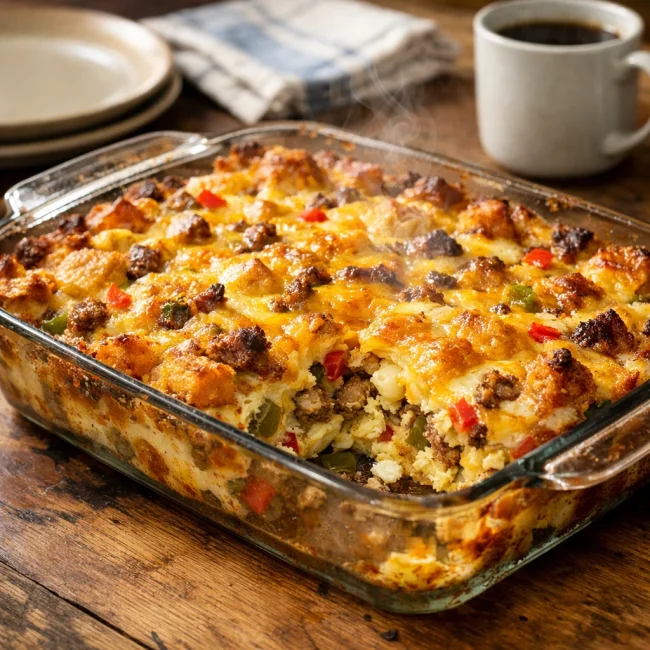
Hearty Breakfast Casserole
This Hearty Breakfast Casserole is the quintessential morning dish, combining savo...
View Recipe
Traditional Stuffed Peppers
Explore the delightful blend of seasoned beef, rice, and tomato sauce nestled in v...
View Recipe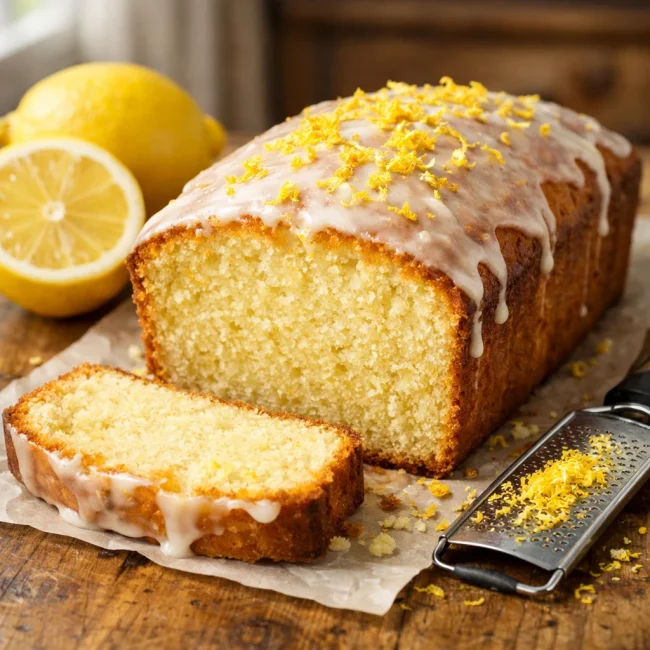
Traditional Lemon Pound Cake
A delightful and moist traditional lemon pound cake infused with the fresh zest an...
View RecipeFrequently Asked Questions
- Can I use whole wheat flour instead?
- Yes, you can substitute half of the all-purpose flour with whole wheat flour for a denser, nuttier loaf.
- How can I tell if the dough has risen enough?
- The dough should double in size. A quick test is to poke it with your finger; if the indentation remains, it's ready.
- What if I don't have sesame seeds?
- No worries! You can skip them or use poppy seeds for a similar effect.
Serving Ideas for Traditional Braided Bread
This braided bread shines as a centerpiece on a dinner table. Pair it with hearty soups, stews, or as a side to a fresh salad. It’s also excellent with a spread of butter or a drizzle of olive oil and balsamic vinegar.
More Breads & Baked Goods Recipes
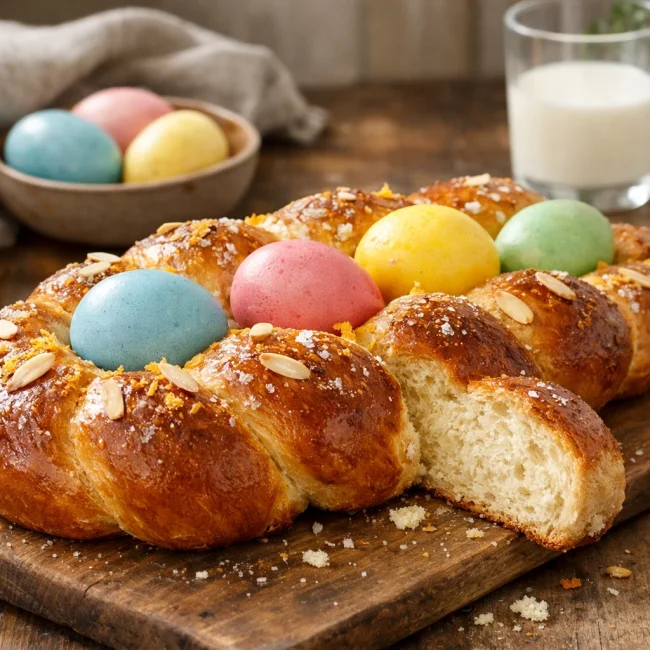
Traditional Italian Easter Bread
Savor the delightful taste of a classic Italian Easter bread, a sweet, soft, and s...
View Recipe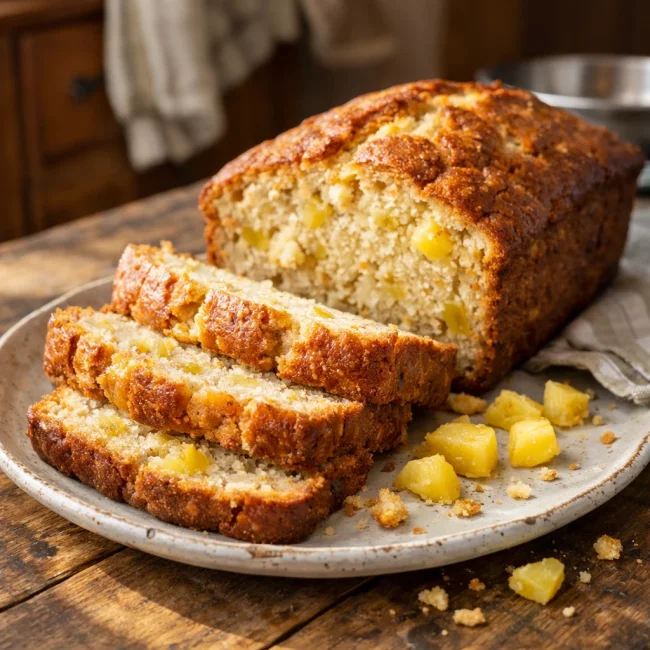
Old-Fashioned Pineapple Bread
A delightful and flavorful bread infused with juicy pineapple, perfect for breakfa...
View Recipe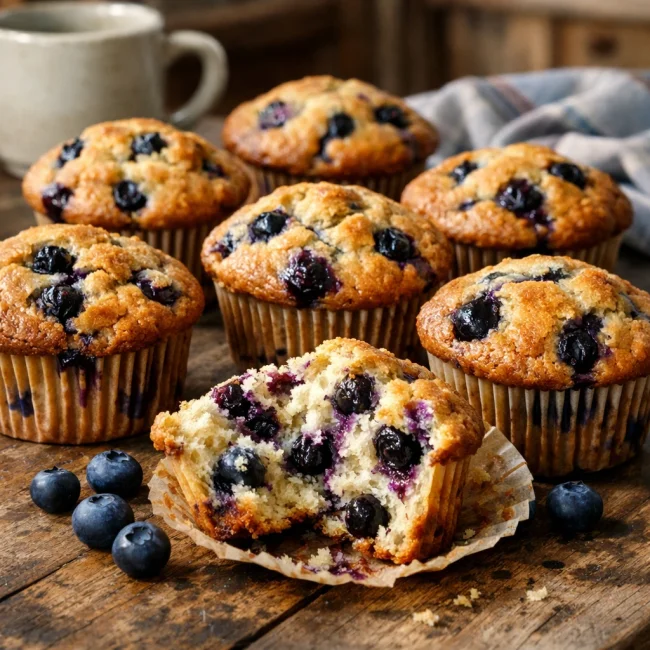
Old-Fashioned Blueberry Muffins
Transport yourself to simpler times with these delightful old-fashioned blueberry ...
View Recipe
Strawberry Basil Scones
These tender scones combine the sweetness of fresh strawberries with a hint of pep...
View Recipe