
Traditional Bavarian Sauerkraut
This Traditional Bavarian Sauerkraut is a delightful mix of tangy, savory, and slightly sweet flavors that will transport your taste buds straight to a cozy German kitchen. Perfect for any time of year, it's a wonderful side dish that pairs beautifully with a variety of main courses, especially hearty meats.
 Share
Share

This post may contain affiliate links. As an Amazon Associate, we earn from qualifying purchases.
Ingredients for Traditional Bavarian Sauerkraut
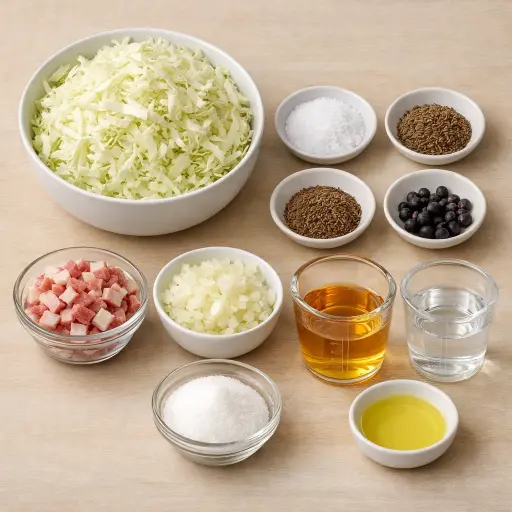
Cabbage is the star of the show, providing a crunchy base that transforms into a tender, tangy delight during cooking. Salt helps draw out the moisture from the cabbage, essential for the fermentation-like process. Caraway seeds and juniper berries add an earthy, aromatic depth that complements the tanginess. Apple cider vinegar infuses the dish with its signature zing, while water ensures the cabbage cooks down without drying out. Sugar balances the acidity, offering a hint of sweetness. Bacon adds a smoky, savory richness, and the onion brings a subtle sweetness and depth. Finally, vegetable oil is used to sauté the bacon and onion, setting the flavorful base for the dish.
Why This Traditional Bavarian Sauerkraut Works
At the start, the cabbage is rubbed with salt, so it starts to wilt and give off its own liquid. That little rest lets the salt pull water out of the cabbage and into the bowl. Later, when the cabbage goes into the pot, it already has some moisture and seasoning spread through it, so it softens more evenly instead of staying tough in the middle.
While the bacon and onion cook, the fat from the bacon melts out into the pot. That melted fat coats the onion and later the cabbage, so nothing dries out even though it cooks for a long time. As the pot simmers, the vinegar and water slowly soak into the cabbage while the sugar and spices spread through the whole batch.
Over the hour on low heat, the cabbage slowly changes from crunchy to tender. The long, gentle simmer gives time for the salty, sour, and slightly sweet liquid to move into each strand of cabbage. By the end, the cabbage is soft but not mushy, and the bacon, onion, and spices are mixed through every bite.
Traditional Bavarian Sauerkraut Tips & Tricks
- Use a mandoline slicer for even cabbage strips, ensuring uniform cooking.
- For a smokier flavor, try adding a touch of smoked paprika when sautéing the bacon.
- If you prefer a stronger tang, let the sauerkraut sit overnight in the fridge before serving.
Mistakes To Avoid
Letting the cabbage sit with the salt for only a few minutes instead of the full hour keeps it too stiff and dry. The salt doesn’t have time to pull out enough liquid, so the pot ends up short on brine and the cabbage steams in patches instead of softening evenly.
Throwing the cabbage into the pot without its juices leaves the mixture too dry at the start. The bottom layer catches more heat, so some strands can scorch while the rest stay tough, and the liquid balance never quite recovers even after adding water and vinegar.
Cranking the heat high and rushing the simmer turns the sauerkraut patchy in texture. The liquid boils off too fast, the sugar on the bottom can start to brown and stick, and the cabbage softens on the edges while the thicker pieces stay chewy.
Skipping the step of briefly cooking the caraway and juniper in the fat means the spices stay hard and sharp. Instead of blending into the cabbage, they sit as little hard bits and give uneven bursts of flavor in some bites and almost nothing in others.
Equipment Used:
Ingredients
- 1 head of cabbage (about 2 lbs), shredded
- 1 tbsp salt
- 1/2 tsp caraway seeds
- 1/2 tsp juniper berries
- 1/2 cup apple cider vinegar
- 1/2 cup water
- 1/4 cup sugar
- 1/4 lb bacon, diced
- 1 onion, finely chopped
- 1 tbsp vegetable oil
Step-by-step Instructions
- 1. In a large mixing bowl, combine the shredded cabbage with salt, using your hands to massage the salt into the cabbage until it starts releasing its juice.
- 2. Cover the bowl with a clean cloth and let it sit at room temperature for about 1 hour.
- 3. In a large pot, heat the vegetable oil over medium heat and add the diced bacon. Cook until the bacon is crispy.
- 4. Add the chopped onion to the bacon in the pot and sauté until the onion is translucent.
- 5. Stir in the caraway seeds and juniper berries, letting them cook for 1 minute to release their aromas.
- 6. Add the cabbage along with its juices, apple cider vinegar, water, and sugar to the pot.
- 7. Bring the mixture to a boil, then reduce the heat to low, cover, and simmer for about 60 minutes, stirring occasionally, until the cabbage is tender and the flavors have melded together.
- 8. Adjust seasoning with more salt or sugar to taste before serving.
Trending Now
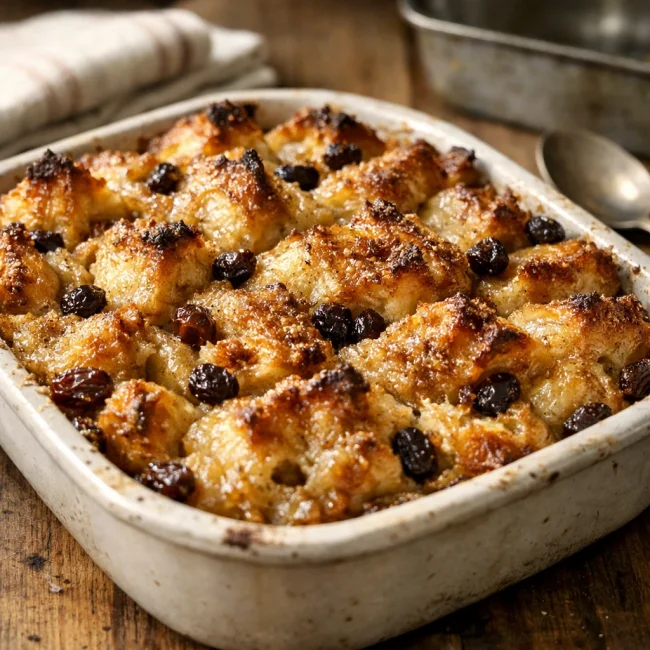
Old-Fashioned Bread Pudding
Discover the classic charm of Old-Fashioned Bread Pudding - a timeless dessert com...
View Recipe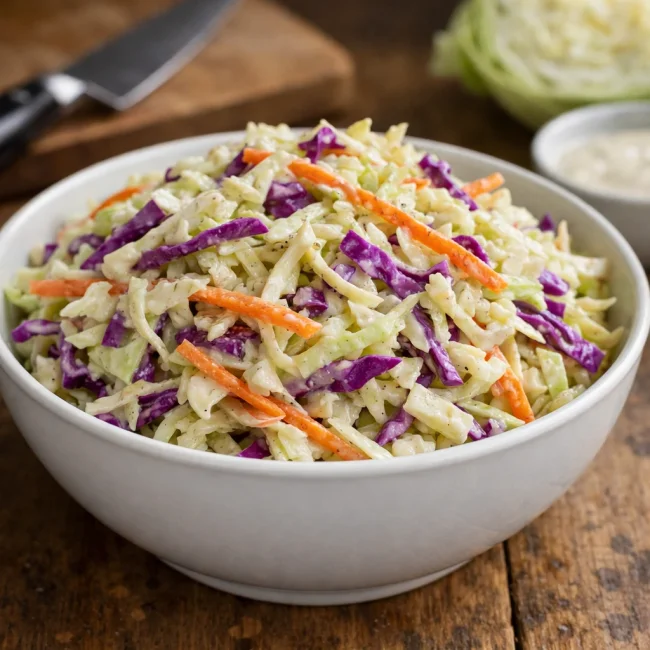
Traditional Crisp Coleslaw
A classic coleslaw recipe featuring finely shredded cabbage and carrots tossed in ...
View Recipe
Traditional Italian Bruschetta
Experience the authentic taste of Italian bruschetta, a perfect blend of fresh tom...
View Recipe
Classic Banana Bread
Classic Banana Bread is a timeless dessert beloved for its moist texture and sweet...
View RecipeFrequently Asked Questions
- Can I make this sauerkraut vegetarian?
- Yes! Simply omit the bacon and use a bit more vegetable oil for sautéing the onion.
- How long will this sauerkraut keep?
- Stored in an airtight container in the fridge, it will keep for up to one week. The flavors will deepen over time.
- Can I freeze it?
- Freezing is not recommended as it can alter the texture of the cabbage.
Serving Ideas for Traditional Bavarian Sauerkraut
This sauerkraut pairs wonderfully with bratwurst or any grilled sausage. It's also a fantastic side for roasted pork or duck. To round out a meal, serve it with boiled potatoes or a hearty rye bread. For a vegetarian option, it complements a plate of roasted root vegetables beautifully.
More Side Dishes Recipes

Savory Sautéed Cabbage
This savory sautéed cabbage dish brings out the natural sweetness and crispness of...
View Recipe
Herbed Spaetzle with Garlic Butter
Discover the delightful twist on traditional German Spaetzle with this easy-to-mak...
View Recipe
Golden Crispy Brussels Sprouts
Delight in the golden perfection of these crispy Brussels sprouts, a delightful si...
View Recipe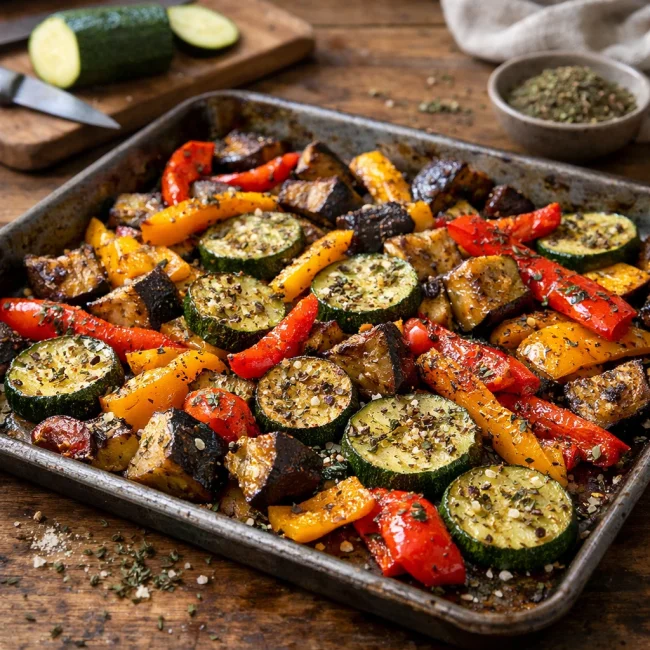
Marjoram-Seasoned Roasted Vegetables
Marjoram-Seasoned Roasted Vegetables bring a delightful floral note to roasted zuc...
View Recipe