
Traditional Basil Pesto
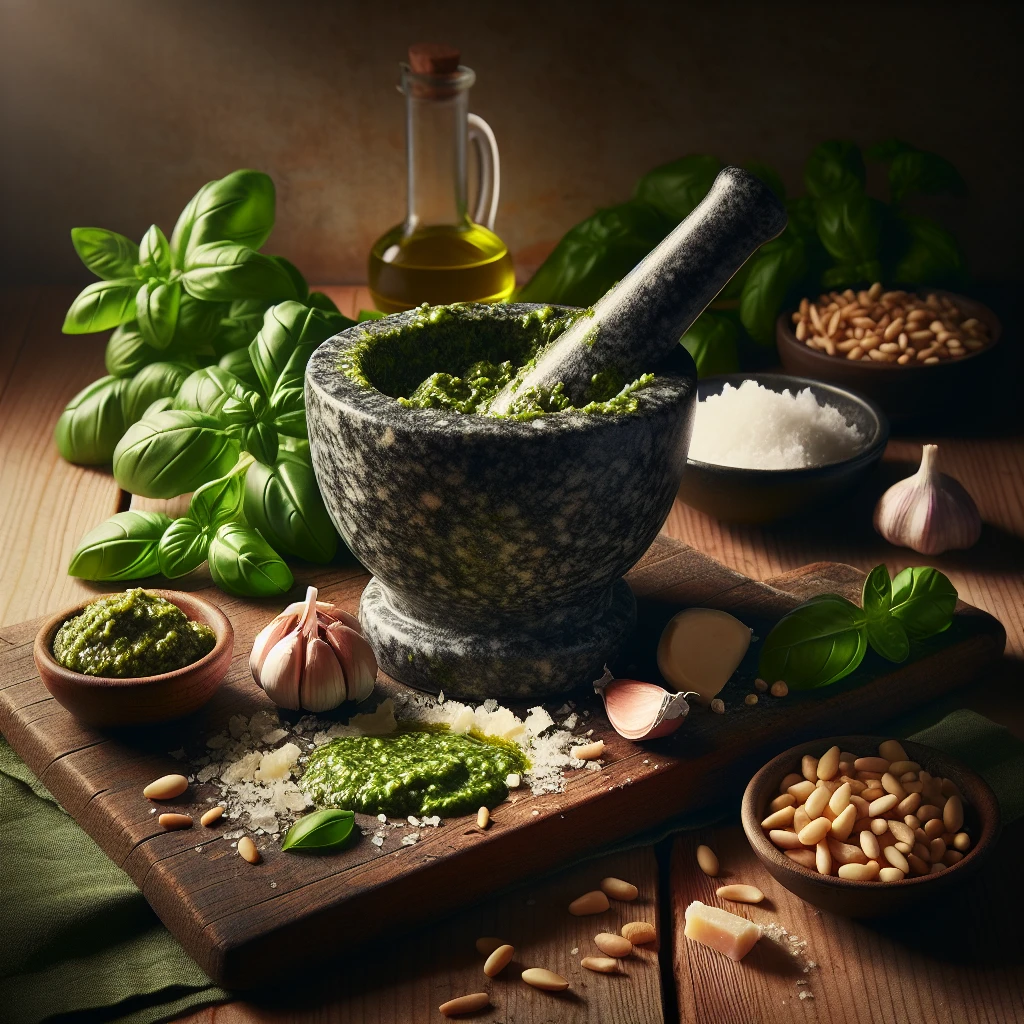
If you’ve ever tasted a spoonful of fresh basil pesto, you know the magic it can bring to a dish. This traditional recipe is simple, yet packs a punch of flavor that can instantly elevate your pasta, sandwiches, or just about anything you pair it with.
 Share
Share
This post may contain affiliate links. As an Amazon Associate, we earn from qualifying purchases.
Ingredients for Traditional Basil Pesto
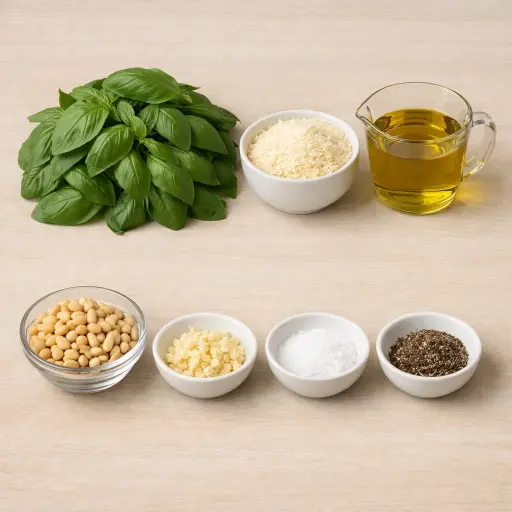
Basil leaves are the star of the show, bringing that signature fresh and peppery flavor. Choose bright, unblemished leaves for the best results. Pine nuts add a rich, buttery texture and subtle nutty taste that complements the basil beautifully. Garlic gives the pesto its pungent kick, balancing the richness of the nuts and cheese. Parmesan cheese offers a salty, savory depth that ties everything together. Extra virgin olive oil is crucial for creating a smooth, luscious texture. Finally, a touch of salt and pepper helps to enhance all these flavors.
Why This Traditional Basil Pesto Works
As the basil, pine nuts, and garlic spin in the food processor, they break down into tiny pieces. More cut edges show, so the basil and garlic spread their taste through the whole paste instead of staying in big leaves or chunks. The pine nuts get crushed and start to feel creamy, not crunchy, which gives the pesto a smooth base instead of a gritty one.
Once the Parmesan goes in, it mixes into that nut paste and thickens it. The cheese is dry and a little salty, so it keeps the pesto from feeling oily later and gives the paste some body. When the olive oil is poured in slowly while everything is moving, the oil slips into all those tiny gaps between the basil, nuts, and cheese. The pesto becomes glossy and smooth instead of separating into oil on top and solids on the bottom. Salt and pepper go in at the end so the taste can be adjusted without thinning or tightening the texture.
Traditional Basil Pesto Tips & Tricks
- Toast your pine nuts lightly before using. It enhances their flavor and gives your pesto an extra depth.
- If your pesto is too thick, add a tablespoon of pasta water or more olive oil to thin it out gently.
- For a twist, try substituting half the basil with fresh spinach or arugula for a different flavor profile.
- Ensure your basil leaves are dry before processing to prevent the pesto from becoming mushy.
Mistakes To Avoid
Adding all the olive oil at once instead of slowly can make the pesto separate. The blades whip the oil and basil too fast, so the mixture turns greasy on top and watery underneath instead of forming a smooth, thick sauce.
Running the food processor too long turns the pesto into a heavy paste. The basil breaks down too much, the nuts get overworked, and the sauce loses its light, slightly textured feel and becomes dense and sticky.
Using wet basil leaves straight from washing causes problems with texture. Water trapped on the leaves mixes with the oil and cheese, so the pesto turns thin and a bit sloshy instead of rich and glossy.
Skipping the salt or adding it only at the very end can leave the pesto tasting flat and uneven. The salt doesn’t get fully mixed in, so some bites taste sharp and cheesy while others feel bland and oily.
Equipment Used:
Ingredients
- 2 cups fresh basil leaves
- 1/2 cup grated Parmesan cheese
- 1/2 cup extra virgin olive oil
- 1/3 cup pine nuts
- 2 cloves garlic, minced
- Salt to taste
- Pepper to taste
Step-by-step Instructions
- 1. Combine basil leaves, pine nuts, and garlic in a food processor.
- 2. Pulse until coarsely chopped.
- 3. Add Parmesan cheese and process until combined.
- 4. Slowly add olive oil while processing until smooth.
- 5. Season with salt and pepper to taste.
Trending Now
Old-Fashioned Bread Pudding
Discover the classic charm of Old-Fashioned Bread Pudding - a timeless dessert com...
View Recipe
Traditional Italian Bruschetta
Experience the authentic taste of Italian bruschetta, a perfect blend of fresh tom...
View Recipe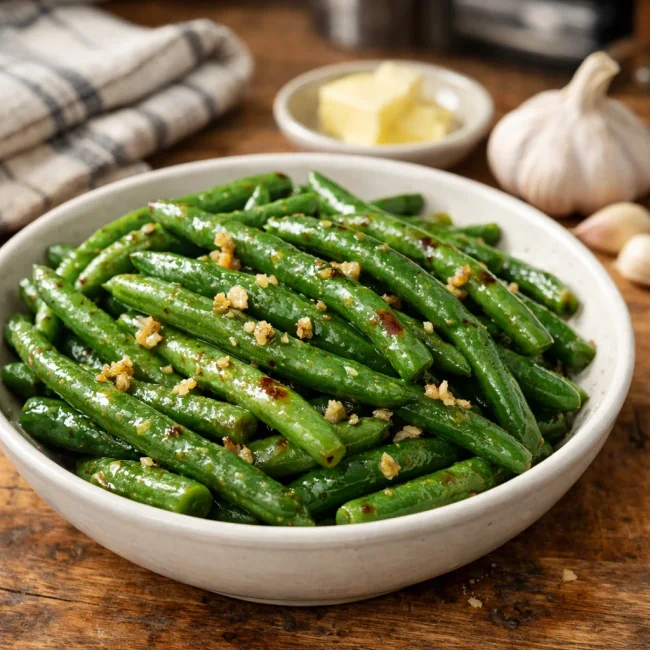
Classic Green Beans
Discover the timeless delight of Classic Green Beans, a simple yet flavorful side ...
View Recipe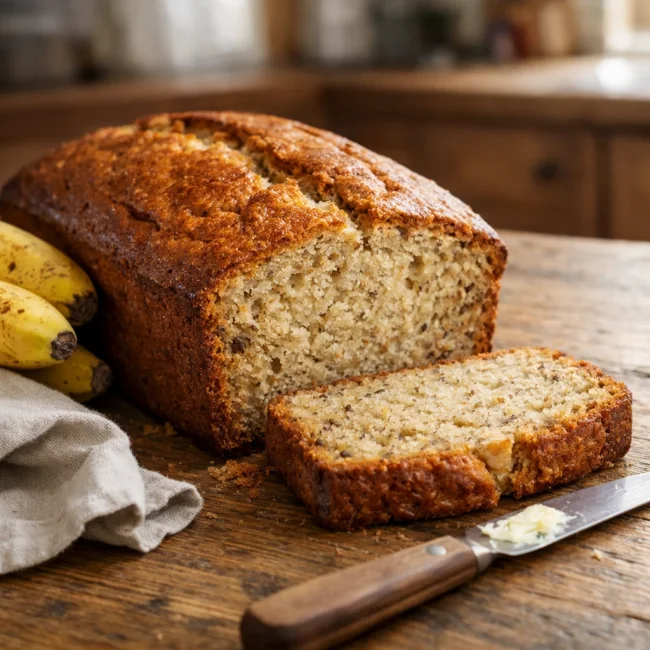
Classic Banana Bread
Classic Banana Bread is a timeless dessert beloved for its moist texture and sweet...
View RecipeFrequently Asked Questions
- Can I use a blender instead of a food processor?
- Yes, but be cautious not to over-blend. You want some texture in your pesto, not a complete puree.
- How can I store leftover pesto?
- Keep it in an airtight container in the fridge for up to a week. A thin layer of olive oil on top can help preserve its color and flavor.
- Is there a nut-free version?
- Absolutely! You can substitute pine nuts with sunflower seeds or simply omit nuts entirely for a still-delicious sauce.
Serving Ideas for Traditional Basil Pesto
This pesto is a classic pairing with pasta, of course. Toss it with spaghetti or penne, and you’ve got a meal. It also makes a fantastic topping for grilled chicken or fish. Spread it on sandwiches or toast for a burst of flavor, or swirl it into soups for an herbaceous lift.
More Sauces & Dips Recipes
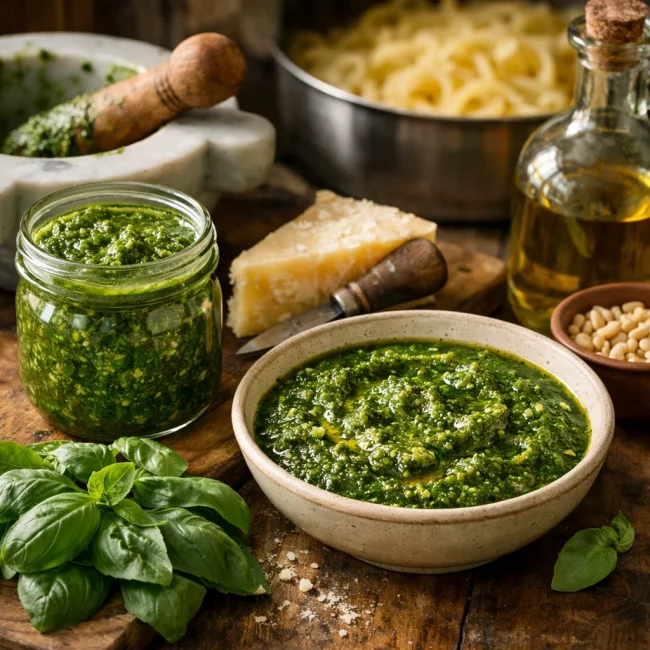
Traditional Basil Pesto
Discover the authentic flavors of Italy with our Traditional Basil Pesto recipe, p...
View Recipe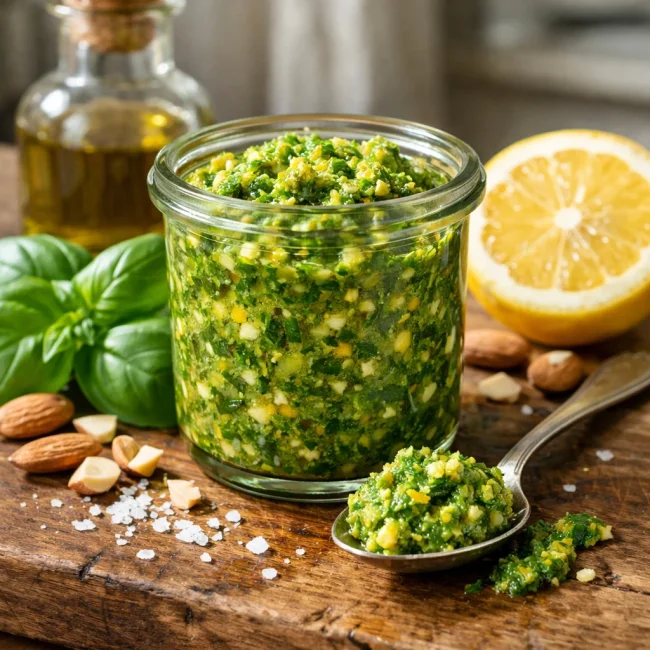
Lemon Basil Almond Pesto
A zesty twist on traditional pesto, this Lemon Basil Almond Pesto offers a fresh a...
View Recipe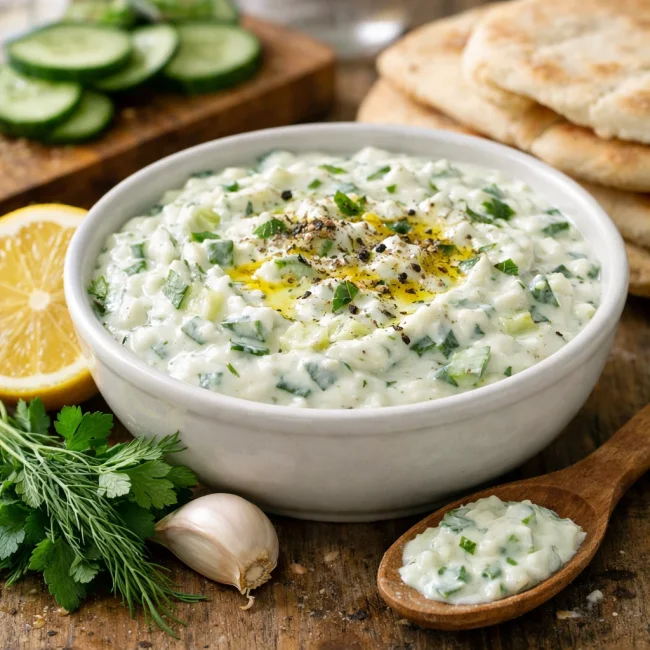
Herb-Infused Lemony Tzatziki Sauce
A refreshing Mediterranean-inspired twist on the traditional tzatziki sauce, featu...
View Recipe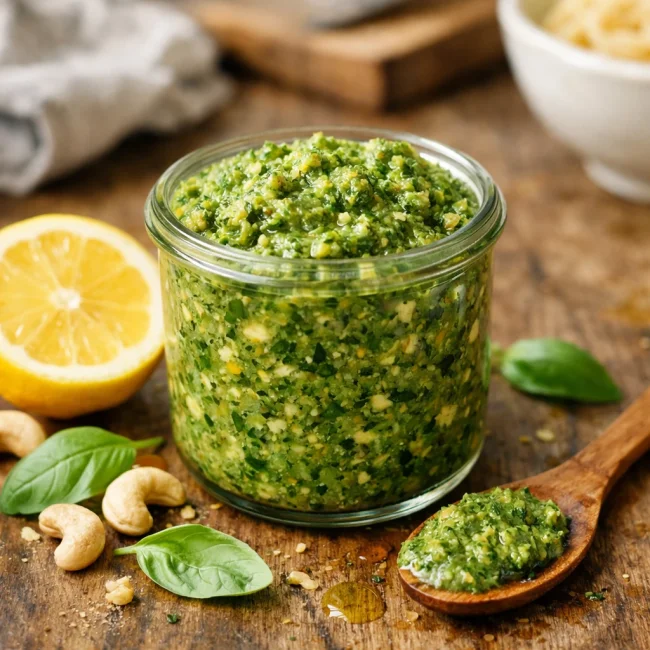
Lemon Basil Cashew Pesto
A vibrant twist on classic pesto, this Lemon Basil Cashew Pesto uses zesty lemon a...
View Recipe