
Traditional Baklava
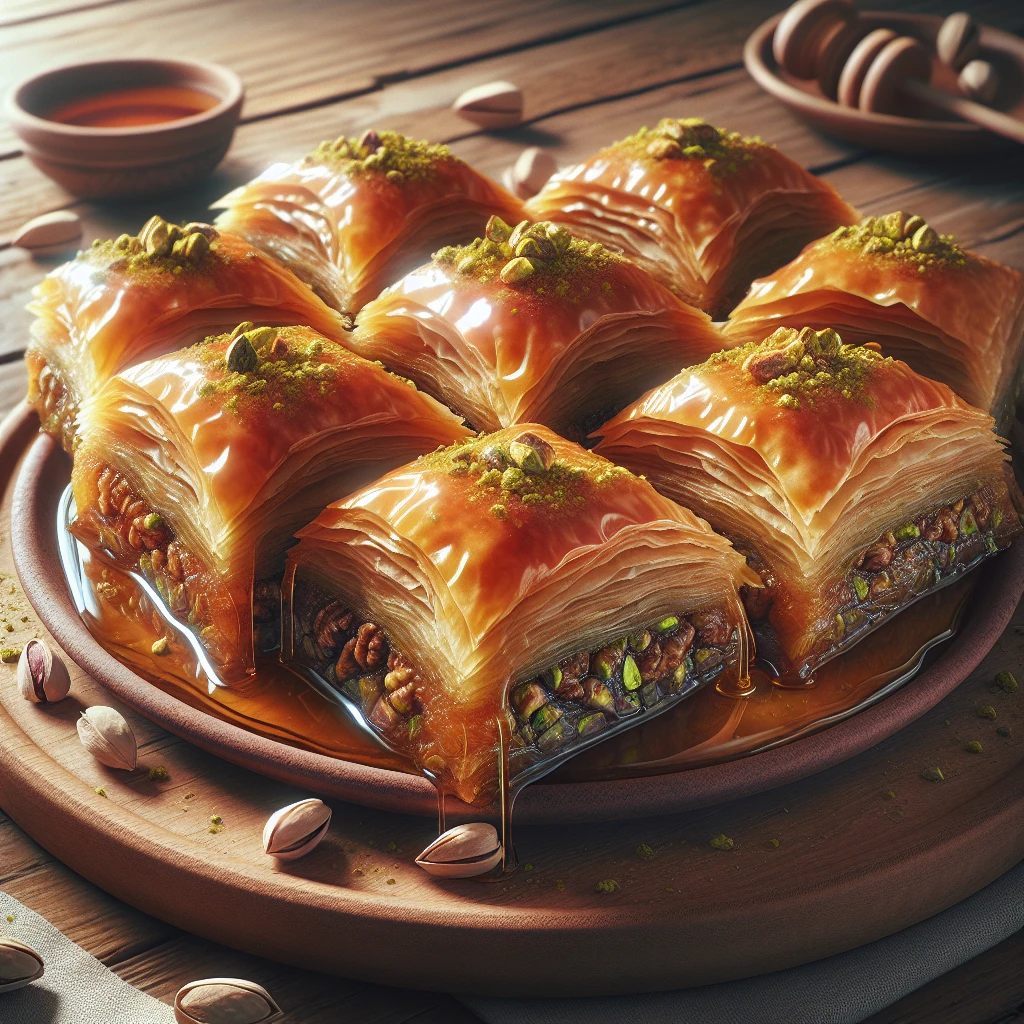
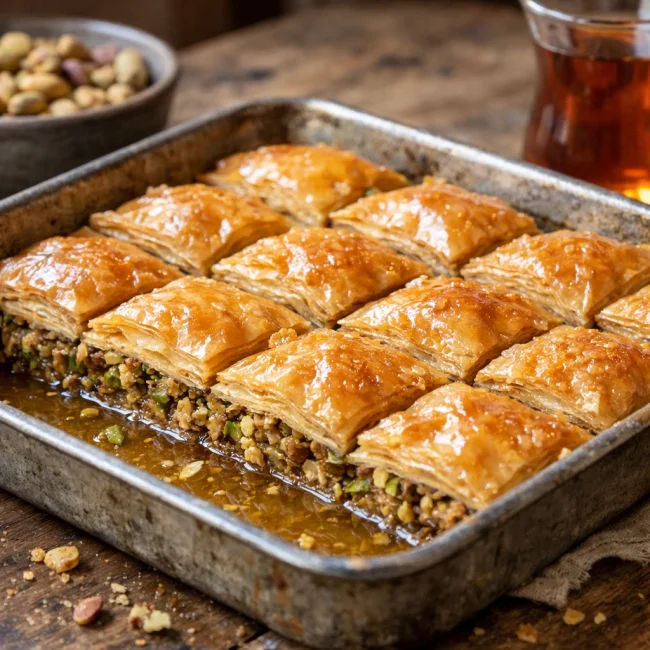
Traditional Baklava is a rich, sweet pastry that embodies the flavors of the Middle East. Its delicate layers of crispy phyllo dough, nuts, and fragrant honey syrup make it a true indulgence. Whether you’re new to making baklava or looking to perfect your technique, this recipe offers a delightful experience.
 Share
Share
This post may contain affiliate links. As an Amazon Associate, we earn from qualifying purchases.
Ingredients for Traditional Baklava
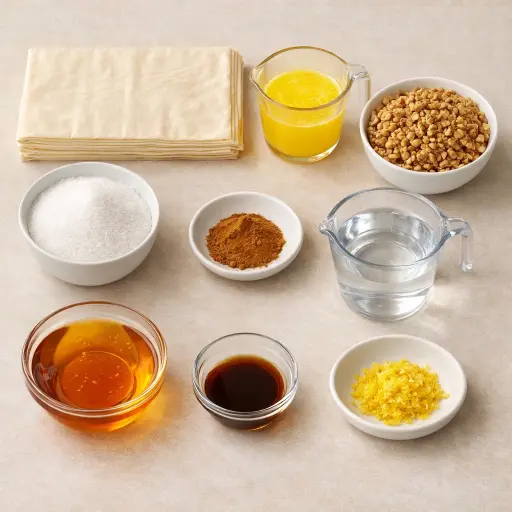
Phyllo dough is the base that gives baklava its signature flaky texture. It’s thin and delicate, so handle with care. Butter adds richness and helps the layers crisp up beautifully. Walnuts provide a nutty crunch and a nice contrast to the sweetness. Sugar, water, and honey create the syrup that moistens and sweetens the pastry, while vanilla extract and lemon zest add a hint of warmth and freshness.
Why This Traditional Baklava Works
In the oven, the thin phyllo sheets dry out and crisp up while the melted butter soaks into every layer. Two sheets at a time give the stack a little strength, so it bakes into one solid, flaky block instead of sliding around. As the butter heats, it fries the edges of the phyllo just enough so they turn golden and crunchy instead of soggy.
Between those sheets, the chopped walnuts stay in place because they are trapped under and over by buttered dough. During baking, the nuts toast a bit, lose some moisture, and stay slightly chewy instead of soft. Cutting the baklava before baking lets the heat reach the middle and also gives paths for the syrup later.
While the pan bakes, the sugar, water, honey, vanilla, and lemon simmer into a thin syrup. Once the hot baklava comes out, that syrup runs down the cut lines and slowly soaks into the crisp layers. The top stays crunchy, but the inside layers soften and stick together, so the whole thing holds as neat, sticky pieces once it cools.
Traditional Baklava Tips & Tricks
- Thaw phyllo dough in the fridge overnight for easier handling.
- Keep unused phyllo sheets covered with a damp cloth to prevent drying out.
- Use a sharp knife for clean cuts and avoid tearing the dough.
- Pour syrup over hot baklava to ensure even absorption.
Mistakes To Avoid
Pouring cold syrup over hot baklava, or hot syrup over hot baklava, often makes the layers soggy instead of crisp. When both parts are hot, the steam gets trapped and the pastry softens all the way through. Letting the syrup cool slightly while the baklava bakes helps it soak in without turning the whole pan mushy.
Letting the baklava underbake so it stays pale means the inside layers never really dry out. The butter and moisture stay trapped between the sheets, so the middle turns chewy and greasy instead of flaky. The top may look fine, but the bottom pieces come out heavy and wet.
Soaking the phyllo with too much butter in each layer can cause the stack to collapse. The sheets slide around and almost fry in the fat, so the texture turns dense and oily instead of light and crisp. The finished pieces then feel heavy and leave a greasy film on the plate.
Skipping the step of cutting the baklava before baking makes it very hard for the syrup to get inside later. Once baked, the crisp top shatters and the knife crushes the layers, so the syrup mostly runs around the edges. The center pieces stay dry and separate instead of holding together in neat, sticky diamonds.
Equipment Used:
Ingredients
- 1 lb phyllo dough
- 1 cup unsalted butter, melted
- 2 cups finely chopped walnuts
- 1 cup granulated sugar
- 1 tsp ground cinnamon
- 1 cup water
- 1/2 cup honey
- 1 tsp vanilla extract
- 1 tsp grated lemon zest
Step-by-step Instructions
- 1. Preheat oven to 350°F (175°C).
- 2. Grease a 9x13 inch baking dish.
- 3. Place two sheets of phyllo dough in the prepared pan, buttering generously.
- 4. Sprinkle a thin layer of walnuts over the buttered phyllo.
- 5. Repeat the layering process, using two sheets of phyllo at a time and buttering each layer until all ingredients are used, ending with a phyllo layer.
- 6. Using a sharp knife, cut the layered dough into diamond or square shapes.
- 7. Bake in the preheated oven for about 50 minutes, or until golden and crisp.
- 8. While the baklava is baking, combine sugar and water in a small saucepan over medium heat, stir until sugar dissolves.
- 9. Add honey, vanilla extract, and lemon zest to the sugar water and bring to a boil.
- 10. Reduce heat and let simmer for about 20 minutes.
- 11. Remove baklava from oven and immediately pour the syrup over the top, allowing it to seep into the layers.
- 12. Let it cool completely before serving.
Trending Now
Oven-Baked Pork Chops
Enjoy a delightful dinner with these tender and juicy oven-baked pork chops, seaso...
View Recipe
Traditional Corn Casserole
A delightful corn casserole dish that embodies the comforting flavors of sweet cor...
View Recipe
Traditional Cucumber and Tomato Salad
A refreshing and simple salad combining crisp cucumbers and juicy tomatoes, season...
View Recipe
Savory Zucchini Bread
Savory Zucchini Bread is a delectable twist on traditional zucchini recipes, combi...
View RecipeFrequently Asked Questions
- Can I use other nuts?
- Absolutely! Pistachios or almonds are great alternatives to walnuts.
- How long does baklava keep?
- Stored in an airtight container, baklava can last up to two weeks at room temperature.
Serving Ideas for Traditional Baklava
Baklava pairs wonderfully with a cup of mint tea or Turkish coffee, enhancing its rich flavors. For a refreshing contrast, serve it with a dollop of Greek yogurt, which cuts through the sweetness and adds a creamy texture.
More Desserts, Baking, Mediterranean, Middle Eastern, Party Recipes
Traditional Baklava
Discover the rich, sweet layers of a traditional dessert with our authentic Baklav...
View Recipe