
Traditional Baked Salmon
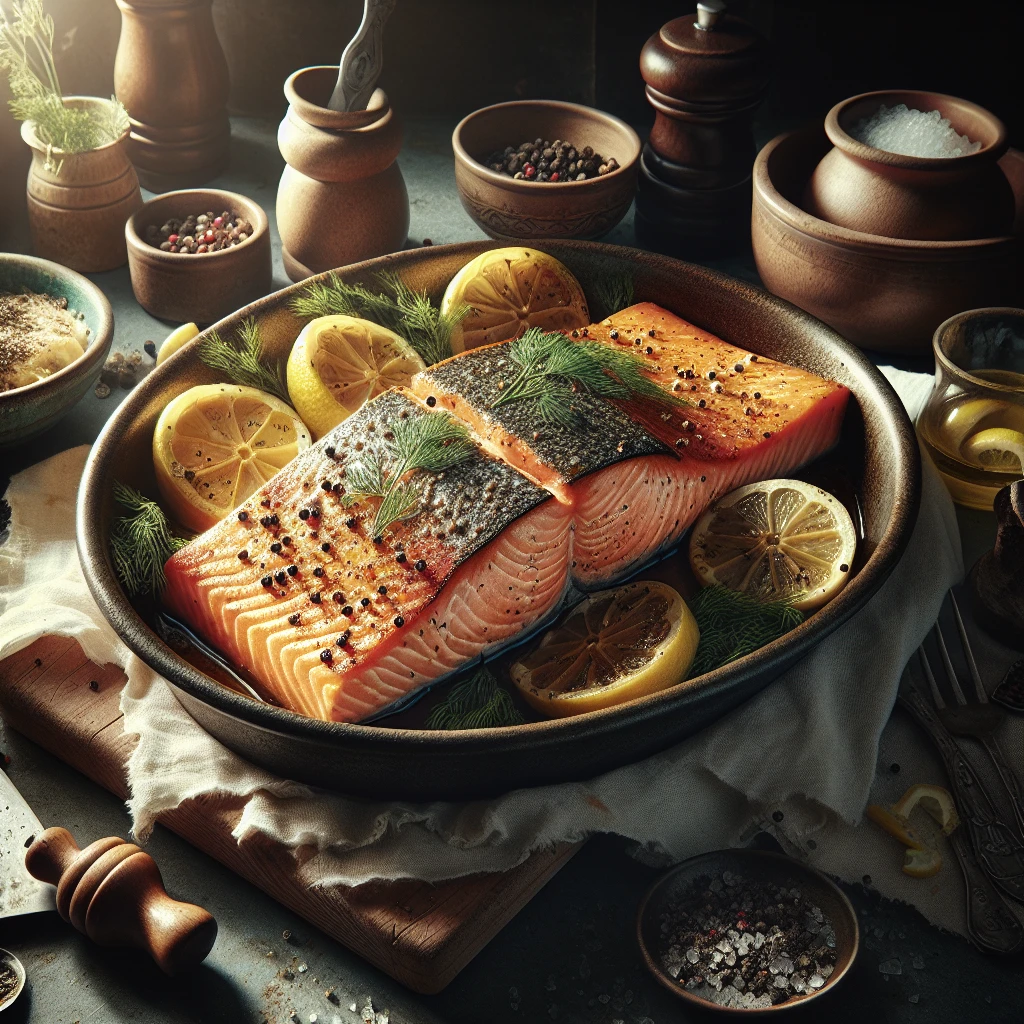
This Traditional Baked Salmon recipe is a go-to for a quick, elegant meal that doesn't skimp on flavor. With fresh ingredients and a simple process, it captures the essence of home-cooked comfort while still feeling a bit upscale.
 Share
Share
This post may contain affiliate links. As an Amazon Associate, we earn from qualifying purchases.
Ingredients for Traditional Baked Salmon
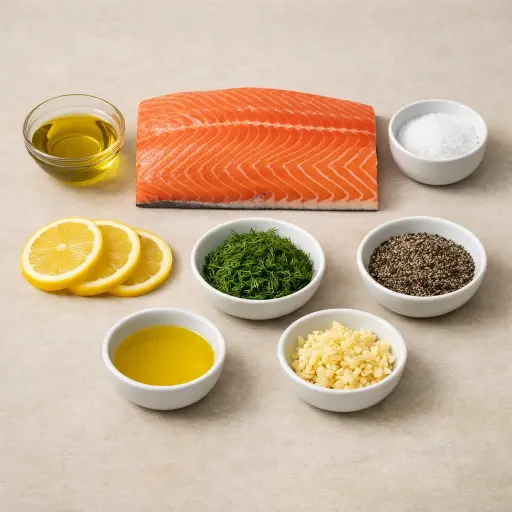
The star of the dish is the salmon fillet, providing a rich, buttery texture that pairs beautifully with the rest of the ingredients. Olive oil adds a touch of moisture and helps the seasonings adhere. A sprinkle of sea salt and ground black pepper enhances the salmon's natural flavor. Lemon slices introduce a refreshing citrus note that balances the richness of the fish. Fresh dill brings an aromatic, slightly sweet touch, while minced garlic adds a savory depth.
Why This Traditional Baked Salmon Works
In the oven, the salmon cooks gently at 375°F, so the inside has time to warm through without drying out. The natural fat in the fish slowly melts and spreads through the fillet, so the meat stays moist instead of turning tough. Because the fillet sits skin-side down, the skin acts like a little shield between the hot pan and the flesh, so the bottom doesn’t burn or stick and the juices stay in the fish.
As the heat moves through the salmon, the protein firms up and the big flakes start to separate. That is why it can be pulled apart easily with a fork when it is done. While this happens, the olive oil, lemon juice from the slices, dill, and garlic sit right on top and sink into the surface. By the time it comes out of the oven and rests for a few minutes, the salmon has set, the juices have settled inside, and the top is coated with soft lemon and herbs instead of drying out.
Traditional Baked Salmon Tips & Tricks
- Check the salmon for doneness a few minutes early to avoid overcooking.
- For extra crispy skin, you can broil the salmon for the last 2-3 minutes.
- If you're short on fresh dill, substitute with dried dill, but use half the amount.
Mistakes To Avoid
Letting the salmon bake too long is the fastest way to ruin it. The fish keeps losing moisture in the oven, so the flesh turns stiff and chalky instead of soft and flaky. The top can look fine, but the inside ends up dry and stringy, and the white protein leaks out in thick patches.
Putting the oven much hotter than 375°F makes the outside cook too fast. The edges can brown and start to harden while the center is still a bit raw and glossy. This leaves the fillet uneven, with tough ends and a middle that doesn’t flake cleanly.
Skipping the oil drizzle leaves the surface unprotected in the dry oven heat. The top layer of the salmon can stick to the parchment and tear when lifted, and the exposed flesh dries out faster. The result is a fillet that breaks apart in rough chunks instead of lifting off in neat pieces.
Letting the salmon sit around too long with the salt on before baking can cause problems. The salt pulls moisture out of the surface, so the top layer turns a little firm and chewy once baked. The fish then looks fine but feels slightly rubbery on the outside instead of tender all the way through.
Equipment Used:
Ingredients
- 1 salmon fillet (about 2 lbs)
- 2 tablespoons olive oil
- 1 teaspoon sea salt
- 1/2 teaspoon ground black pepper
- 1 lemon, sliced
- 2 tablespoons fresh dill, chopped
- 2 cloves garlic, minced
Step-by-step Instructions
- 1. Preheat your oven to 375°F (190°C).
- 2. Line a baking sheet with parchment paper for easy cleanup.
- 3. Place the salmon fillet skin-side down on the prepared baking sheet.
- 4. Drizzle the olive oil evenly over the salmon.
- 5. Sprinkle the sea salt and ground black pepper over the fillet for seasoning.
- 6. Arrange lemon slices over the salmon for a citrusy aroma.
- 7. Sprinkle the fresh dill and minced garlic across the top for added flavor.
- 8. Bake in the preheated oven for 20-25 minutes, or until the salmon flakes easily with a fork.
- 9. Remove from oven and let it rest for 5 minutes before serving.
Trending Now
Classic Cucumber Salad
A refreshing and light cucumber salad featuring crisp cucumbers and a tangy vinaig...
View Recipe
Classic Banana Bread
Classic Banana Bread is a timeless dessert beloved for its moist texture and sweet...
View Recipe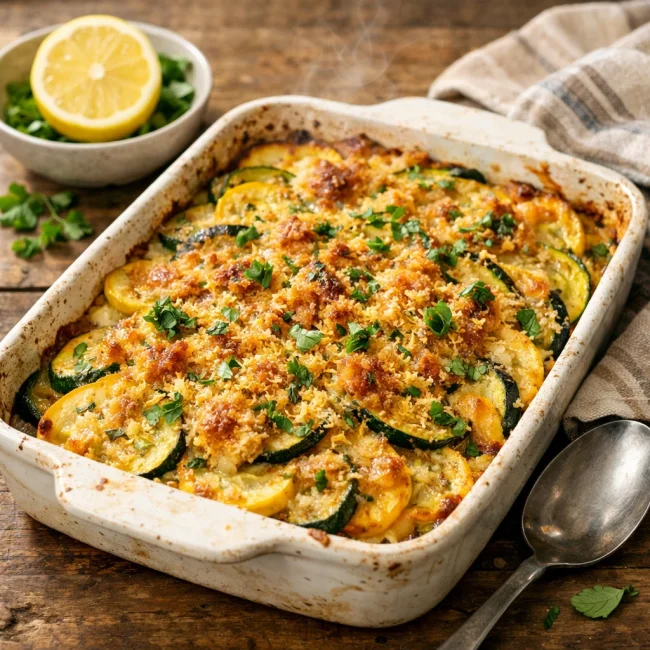
Zesty Summer Squash Casserole
This delightful summer squash casserole combines vibrant garden-fresh vegetables w...
View Recipe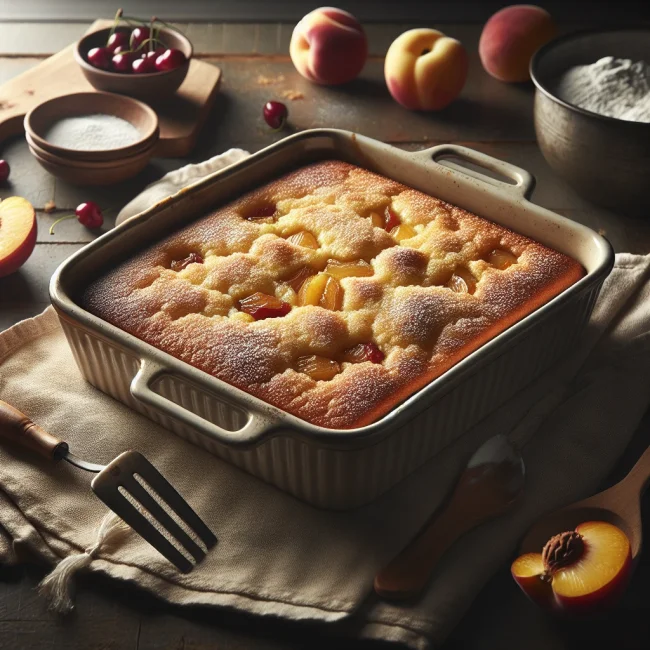
Traditional Dump Cake
Discover the timeless delight of the Traditional Dump Cake, a simple and scrumptio...
View RecipeFrequently Asked Questions
- Can I use frozen salmon?
- Yes, just make sure to thaw it completely and pat it dry before using.
- How do I know if my salmon is fresh?
- Fresh salmon should have a mild scent and vibrant color. Avoid fish with a strong odor or dull appearance.
Serving Ideas for Traditional Baked Salmon
This dish pairs beautifully with a light arugula salad tossed in lemon vinaigrette. For something heartier, consider serving it alongside roasted potatoes or a creamy risotto. A glass of chilled white wine, like Sauvignon Blanc, complements the meal nicely.
More Main Dishes Recipes
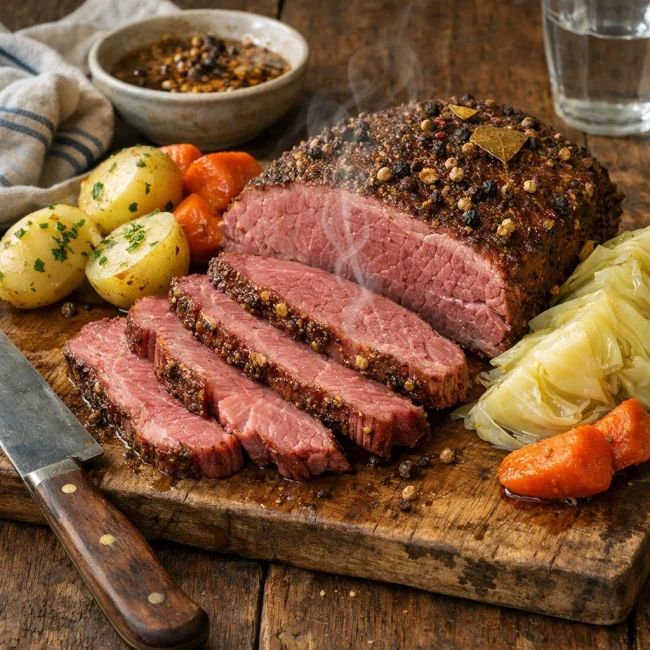
Unique Homemade Corned Beef
Discover the ultimate homemade corned beef recipe that balances rich flavors and t...
View Recipe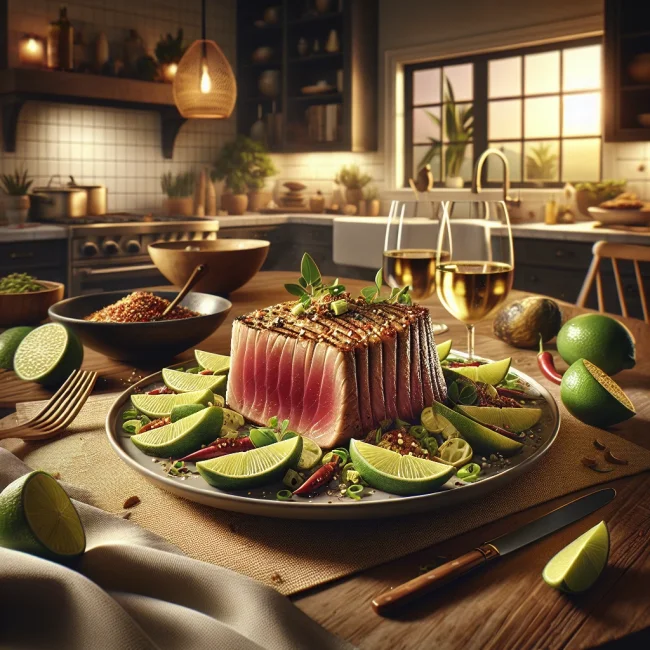
Spicy Lime Seared Ahi Tuna
Experience a burst of flavor with our Spicy Lime Seared Ahi Tuna, a perfect fusion...
View Recipe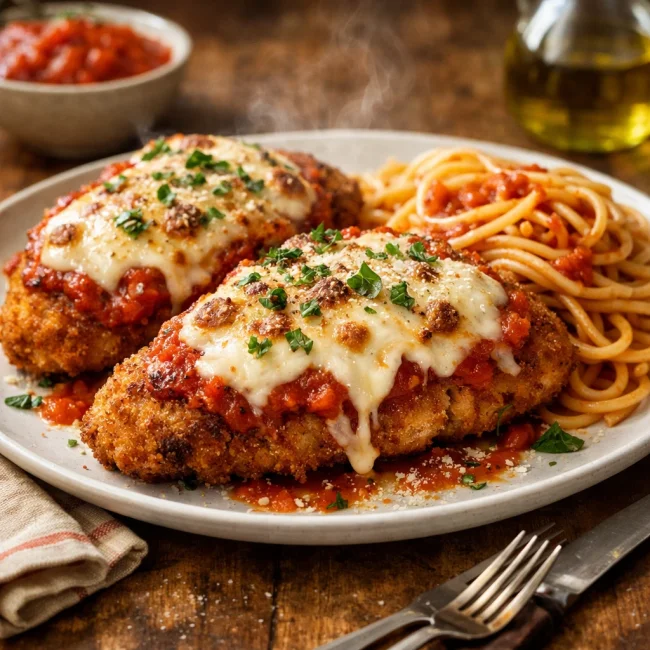
Traditional Chicken Parmesan
Savor the authentic taste of Italian cuisine with our Traditional Chicken Parmesan...
View Recipe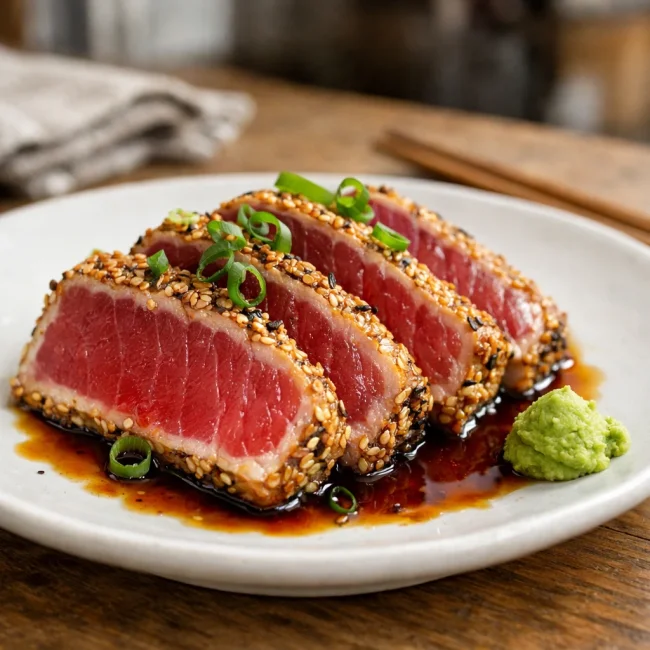
Seared Ahi Tuna
Experience the sublime taste of seared Ahi tuna, a Japanese-inspired dish that hig...
View Recipe