
Traditional Baked Beans
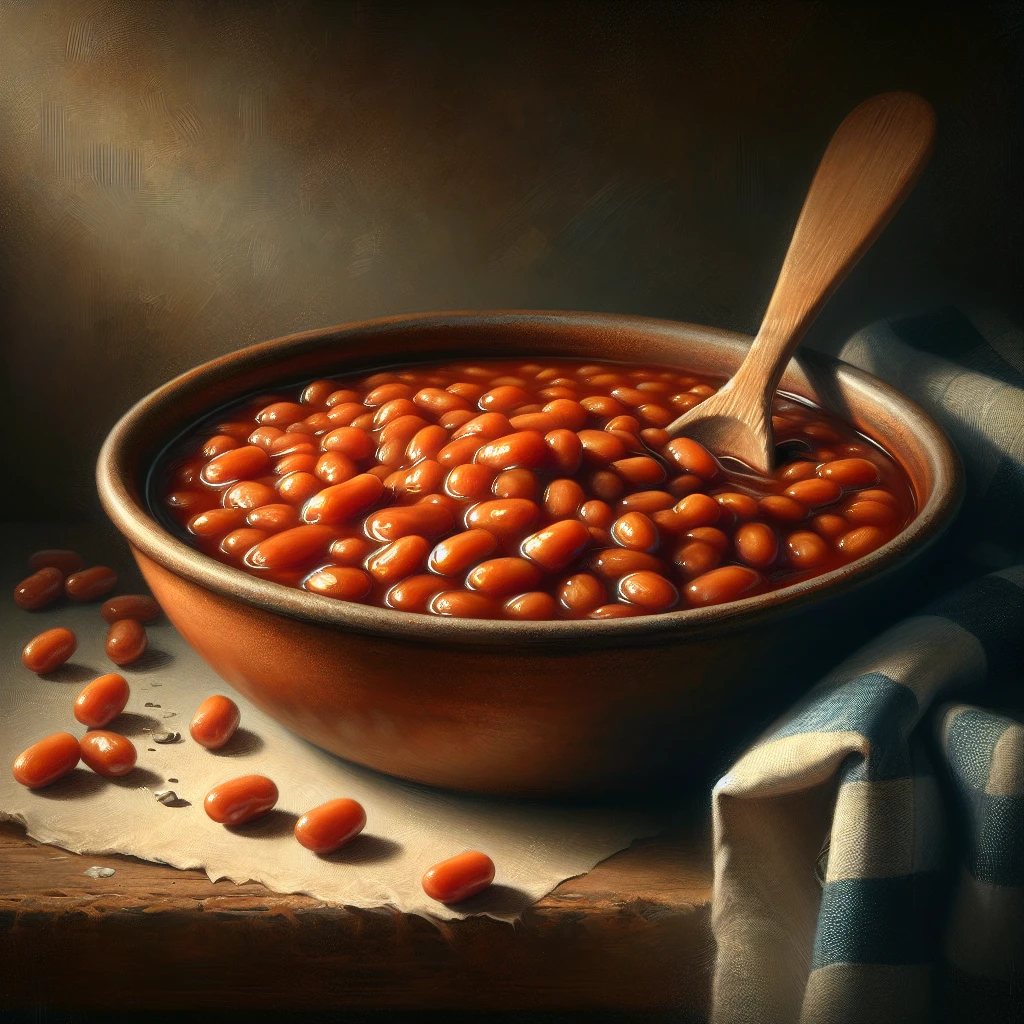
There's something incredibly comforting about a hearty dish of traditional baked beans. This recipe is a time-honored classic, bringing together rich, smoky, and sweet flavors that are perfect for gatherings or a simple family dinner. It's the kind of dish that warms you from the inside out.
 Share
Share
This post may contain affiliate links. As an Amazon Associate, we earn from qualifying purchases.
Ingredients for Traditional Baked Beans
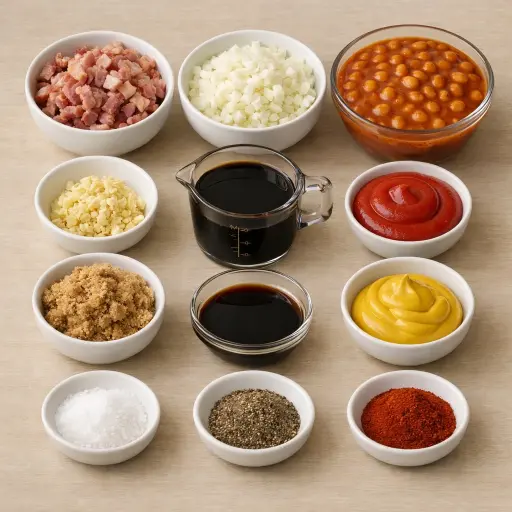
The star of this dish is the bacon, adding a smoky, savory depth. When you cook it until crispy, it provides both flavor and texture. Onion and garlic are the aromatic base, delivering a subtle sweetness and warmth. The pork and beans serve as the hearty foundation, soaking up all the flavors beautifully. Molasses gives the beans their characteristic sweetness and color, while ketchup adds tanginess. Brown sugar enhances the sweetness, balancing the Worcestershire sauce, which brings umami notes. Yellow mustard adds a bit of tang and complexity. Finally, a touch of salt, black pepper, and smoked paprika rounds out the dish with heat and smokiness.
Why This Traditional Baked Beans Works
During cooking, the bacon does more than just crisp up. The fat melts out into the pan and coats the onions and garlic. As they sit in that hot bacon fat, the onions soften and lose their sharp bite, and the garlic mellows. That mix then goes into the beans, so the bacon flavor is spread all through the dish, not just on top.
In the oven, the long, slow heat is what really changes everything. The beans sit in the molasses, ketchup, brown sugar, and Worcestershire sauce for a couple of hours, so the sauce slowly thickens and clings to each bean. As it bakes, some liquid cooks off, the sugars darken, and the beans soak in the sweet and smoky taste instead of just swimming in a thin sauce.
Once the foil comes off, the top has time to dry out a bit and tighten up. The bacon on top stays a little chewy and the sauce around the edges turns thicker and stickier, so the beans come out hearty instead of soupy.
Traditional Baked Beans Tips & Tricks
- If you like your beans a bit spicier, add a pinch of cayenne pepper.
- Use a cast-iron skillet if you have one; it distributes heat evenly.
- For a vegetarian version, omit the bacon and use olive oil instead.
Mistakes To Avoid
Cranking the oven hotter to “speed things up” often makes the top layer dry out and darken while the beans underneath stay loose and soupy. The sauce doesn’t have time to slowly thicken, so the dish comes out uneven, with tough bits on top and runny beans below.
Skipping the step of cooking the onions and garlic in the bacon fat leaves them sharp and a little crunchy. In the oven they don’t soften much more, so the beans end up with hard onion pieces and the sauce doesn’t blend into a smooth, thick mix.
Pouring off most of the bacon fat from the pan can seem like a way to make the dish lighter, but it changes the texture. With too little fat, the sauce bakes up thinner and the beans can feel a bit pasty instead of glossy and rich.
Stirring the bacon into the beans instead of leaving it on top leads to soggy bacon. The pieces sit buried in liquid for hours, so they lose their crisp edges and turn soft and rubbery.
Equipment Used:
Ingredients
- 8 slices of bacon, chopped
- 1 medium onion, diced
- 2 cloves garlic, minced
- 1 can (28 oz) pork and beans
- 1/2 cup molasses
- 1/3 cup ketchup
- 1/4 cup brown sugar
- 1 tablespoon Worcestershire sauce
- 1 tablespoon yellow mustard
- 1/2 teaspoon salt
- 1/2 teaspoon black pepper
- 1/4 teaspoon smoked paprika
Step-by-step Instructions
- 1. Preheat your oven to 325°F (165°C).
- 2. In a large skillet, cook the chopped bacon over medium heat until crispy. Remove the bacon and set it aside, leaving the fat in the skillet.
- 3. Add the diced onion and minced garlic to the skillet, cooking until the onion is translucent.
- 4. In a large baking dish, combine the cooked onions and garlic with pork and beans, molasses, ketchup, brown sugar, Worcestershire sauce, yellow mustard, salt, black pepper, and smoked paprika.
- 5. Stir the mixture thoroughly, then sprinkle the cooked bacon on top.
- 6. Cover the baking dish with a lid or foil and bake for 2 hours.
- 7. Remove the cover and bake for an additional 30 minutes, or until the sauce is thickened to your liking.
- 8. Let it cool slightly before serving.
Trending Now
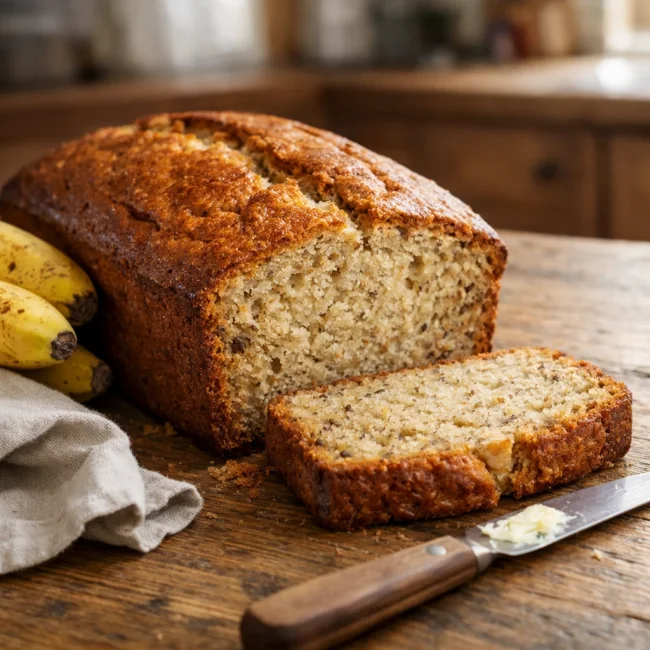
Classic Banana Bread
Classic Banana Bread is a timeless dessert beloved for its moist texture and sweet...
View Recipe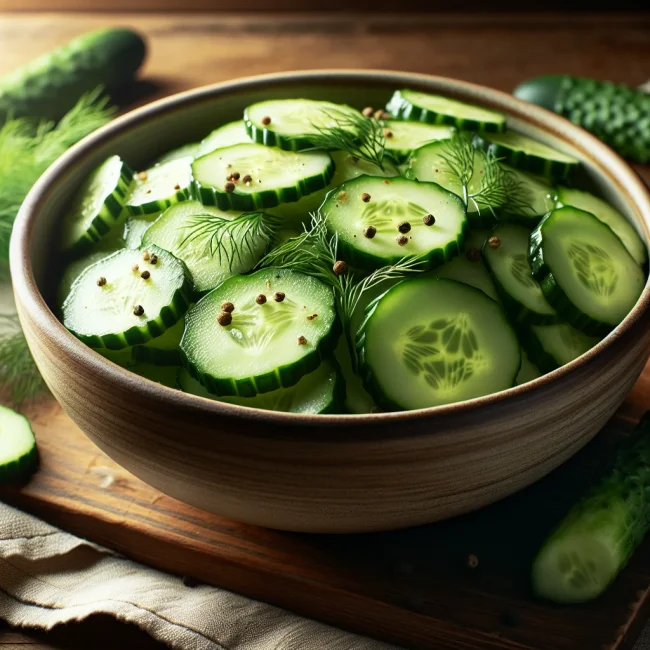
Classic Cucumber Salad
A refreshing and light cucumber salad featuring crisp cucumbers and a tangy vinaig...
View Recipe
Zesty Summer Squash Casserole
This delightful summer squash casserole combines vibrant garden-fresh vegetables w...
View Recipe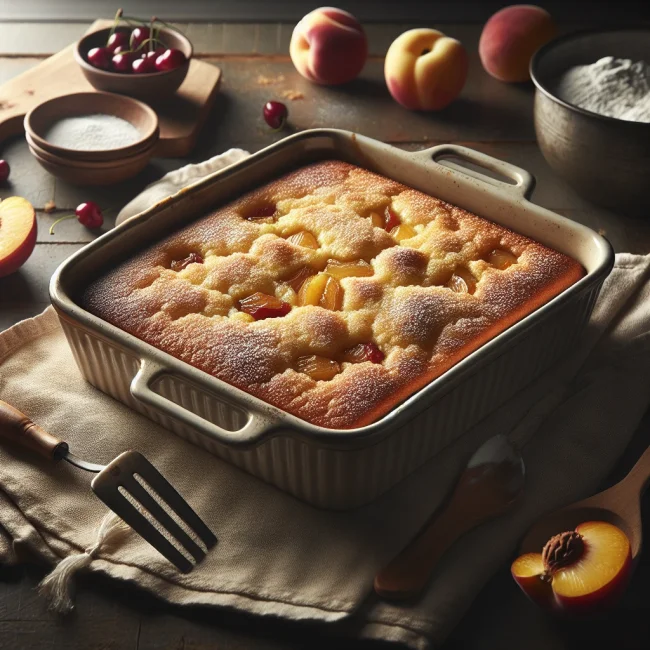
Traditional Dump Cake
Discover the timeless delight of the Traditional Dump Cake, a simple and scrumptio...
View RecipeFrequently Asked Questions
- Can I make this recipe ahead of time?
- Absolutely! These beans taste even better the next day. Just reheat them in the oven or on the stovetop before serving.
- Can I freeze the baked beans?
- Yes, you can freeze them in an airtight container for up to 3 months. Thaw in the refrigerator before reheating.
Serving Ideas for Traditional Baked Beans
These baked beans pair wonderfully with grilled meats like ribs or chicken. They're also fantastic alongside cornbread or a crisp, fresh salad. For a complete meal, serve them with a grilled cheese sandwich or as a topping on a baked potato.
More Side Dishes Recipes
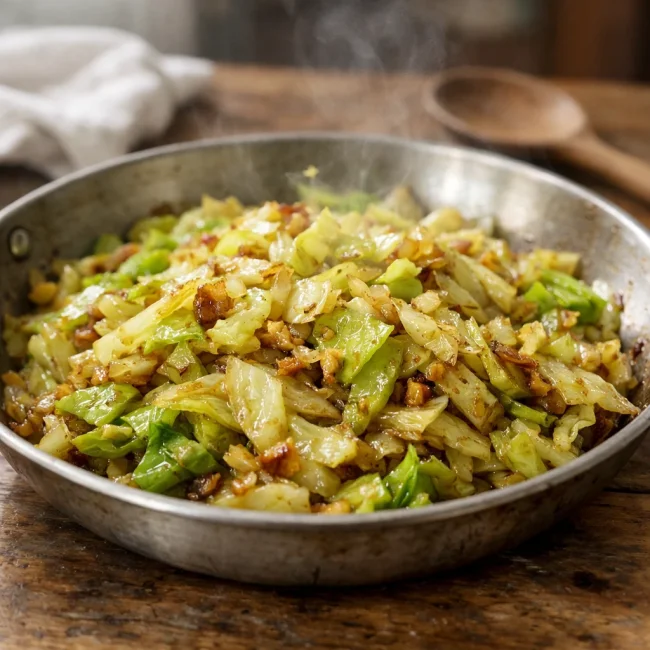
Savory Sautéed Cabbage
This savory sautéed cabbage dish brings out the natural sweetness and crispness of...
View Recipe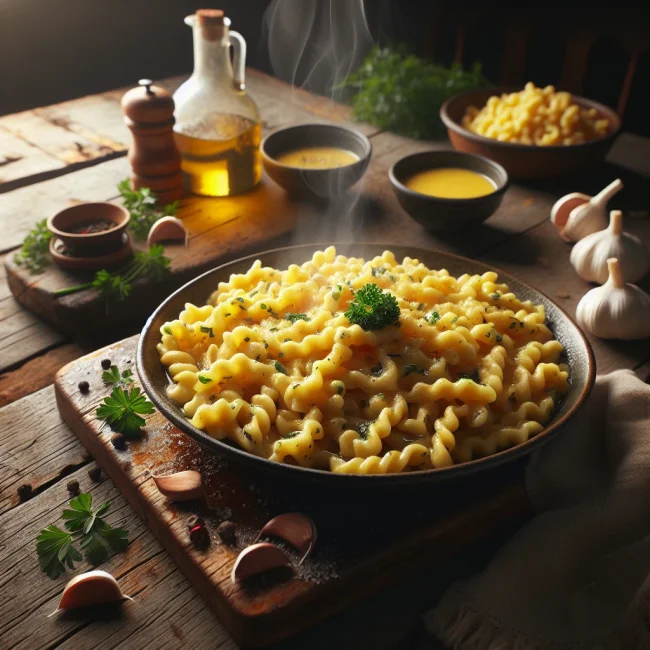
Herbed Spaetzle with Garlic Butter
Discover the delightful twist on traditional German Spaetzle with this easy-to-mak...
View Recipe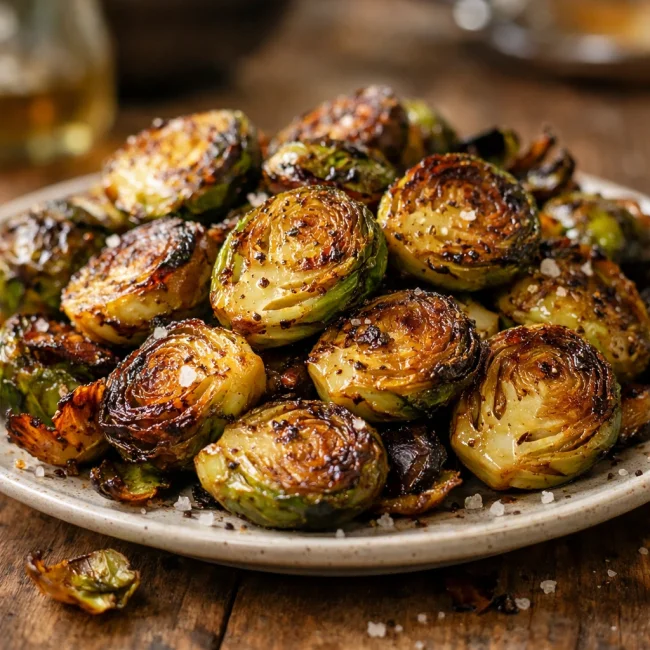
Golden Crispy Brussels Sprouts
Delight in the golden perfection of these crispy Brussels sprouts, a delightful si...
View Recipe
Marjoram-Seasoned Roasted Vegetables
Marjoram-Seasoned Roasted Vegetables bring a delightful floral note to roasted zuc...
View Recipe