
Traditional Artisan Sourdough Starter
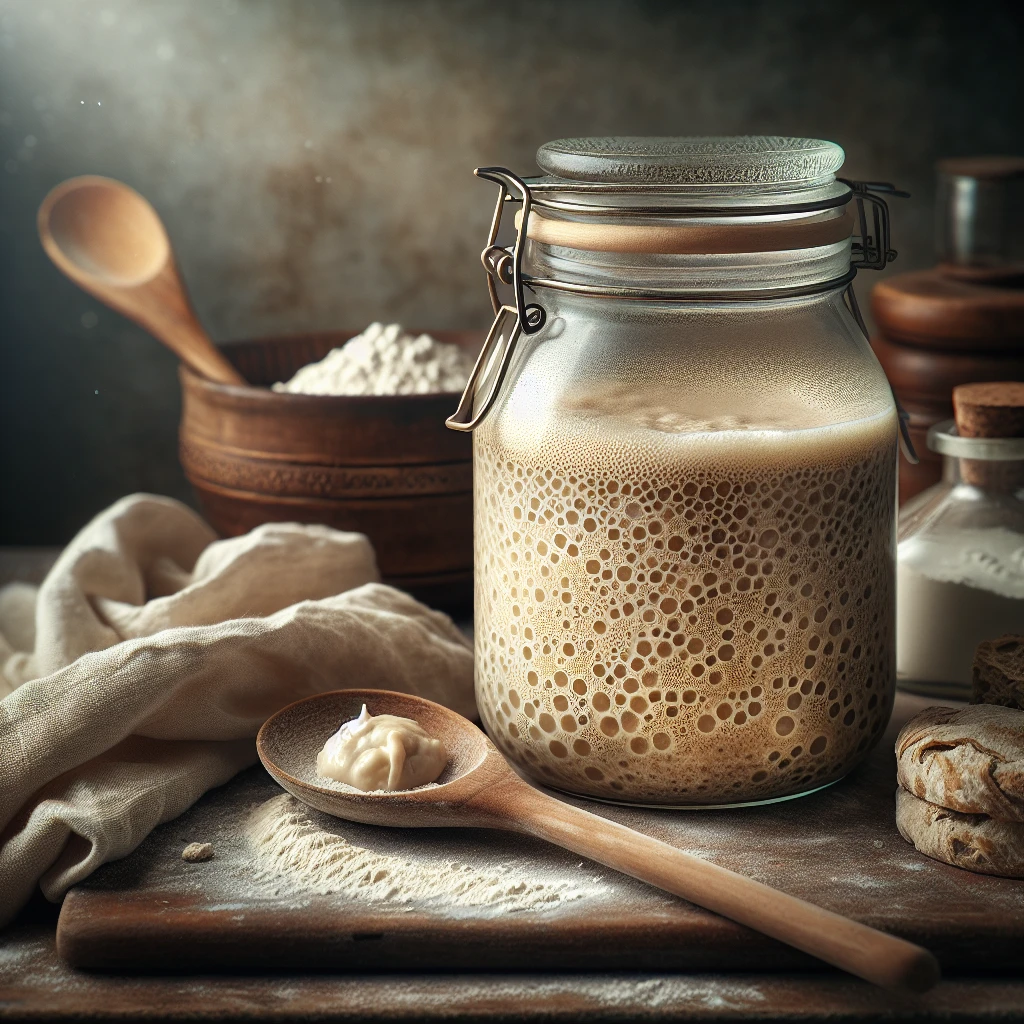
Creating your own sourdough starter is like inviting a little magic into your kitchen. This traditional artisan sourdough starter recipe is a simple way to bring that delightful tang and chewy texture into your homemade bread. It's a rewarding process that connects you with centuries of baking tradition.
 Share
Share
This post may contain affiliate links. As an Amazon Associate, we earn from qualifying purchases.
Ingredients for Traditional Artisan Sourdough Starter
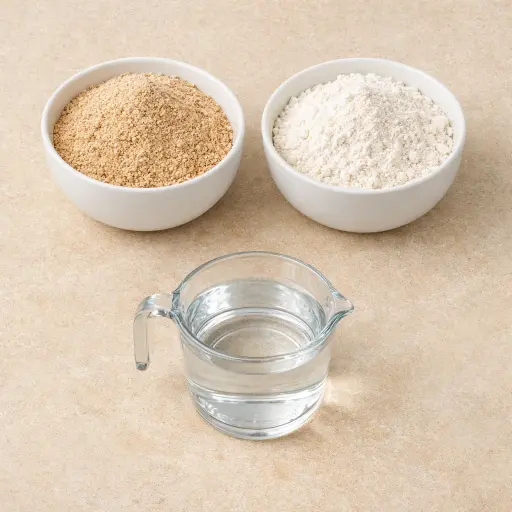
Whole wheat flour is the star of the show on day one. It contains more nutrients and wild yeast than white flour, giving your starter a strong kickstart. Unbleached all-purpose flour is used from day two onward, providing a consistent texture and flavor profile. Filtered water ensures nothing interferes with the growth of your natural yeast, as tap water often contains chlorine and other chemicals.
Why This Traditional Artisan Sourdough Starter Works
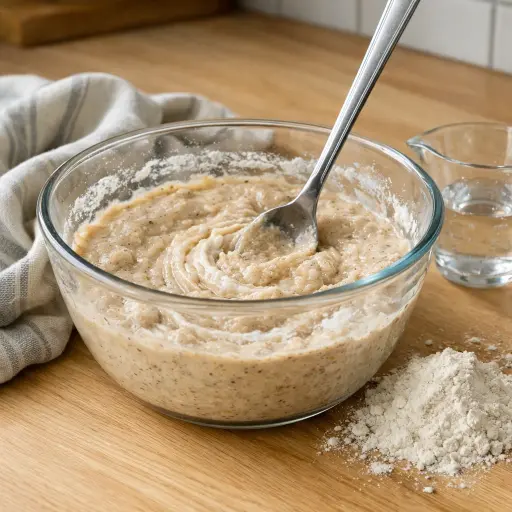
Over several days the flour and water slowly change as wild yeast and bacteria move in and start eating the natural sugars in the flour. Whole wheat flour at the beginning gives more of these tiny organisms to start with, so the mixture wakes up faster. As they feed, they give off gas, which is why the starter starts to look bubbly and a little puffy instead of flat and pasty.
Each time half of the starter is thrown away and fresh all-purpose flour and water are stirred in, the yeast and bacteria get a new meal. They stay active instead of running out of food. The mix also stays loose enough to stir, so air can reach it and the wild yeast can keep growing. Over a few days, the stronger yeast and bacteria win out and take over the bowl.
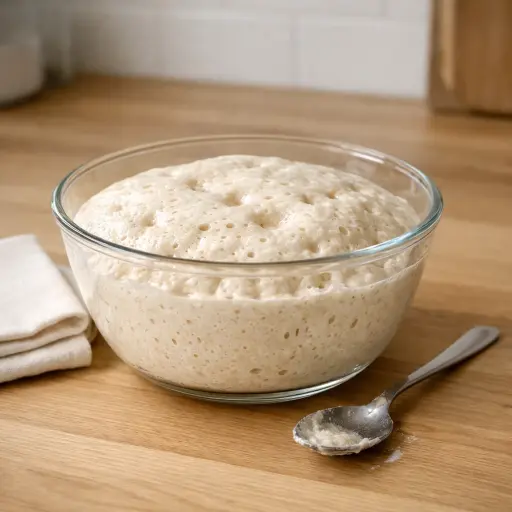
By the time the starter smells pleasantly sour and looks bubbly, it has a steady group of yeast that can lift bread dough and bacteria that give a gentle tang. The flour and water are no longer just paste; they have become a living leaven that can make bread rise.
Traditional Artisan Sourdough Starter Tips & Tricks
- If your kitchen is cold, place your starter in the oven with just the light on to provide a little warmth.
- Feeding your starter at the same time each day helps maintain a consistent routine.
- If you forget to feed it for a day, don't panic! Just resume the process and it should bounce back.
Mistakes To Avoid
Using chlorinated tap water or very hot water often weakens or kills the natural yeast and bacteria in the mix, so the starter never gets bubbly and just sits there looking like paste. When that happens, the flour and water separate a bit, may smell off, and the starter will not rise bread at all.
Keeping the starter in a spot that is too cold or too hot slows or stops the natural activity. In a cold kitchen it may barely form bubbles and stay thick and heavy, while in a very warm place it can turn sharply sour, separate into liquid and sludge, and become hard to bring back to a steady, active state.
Skipping the daily discard and just adding more flour and water each time makes the jar fill up with weak, underfed starter. The mix turns thick and sluggish, with only a few bubbles, and it struggles to lift dough because there is too much old, tired starter and not enough fresh food for the yeast.
Equipment Used:
Ingredients
- 1 cup whole wheat flour
- 1 cup unbleached all-purpose flour
- 1 cup filtered water at room temperature
Step-by-step Instructions
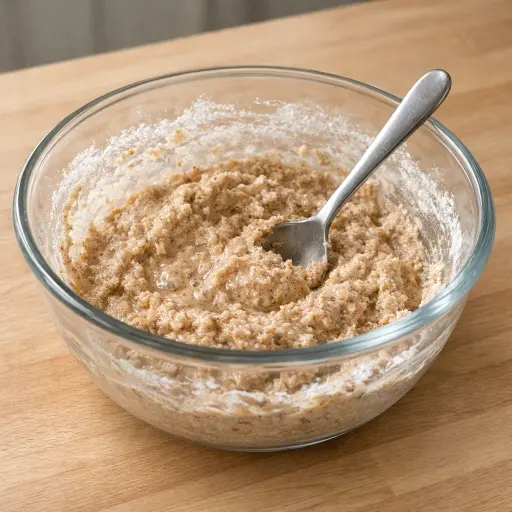
- 1. Combine whole wheat flour and water in a non-reactive bowl and mix well.
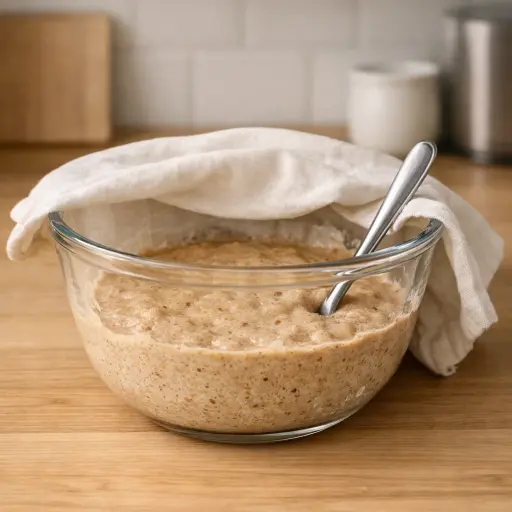
- 2. Cover loosely with a cloth and let it sit at room temperature for 24 hours, stirring occasionally.
- 3. On the second day, discard half of the starter and add 1/2 cup of all-purpose flour and 1/2 cup of water, mixing thoroughly.
- 4. Repeat the feeding process every 24 hours for 5-7 days until the starter is bubbly and has a pleasant sour smell.
Trending Now
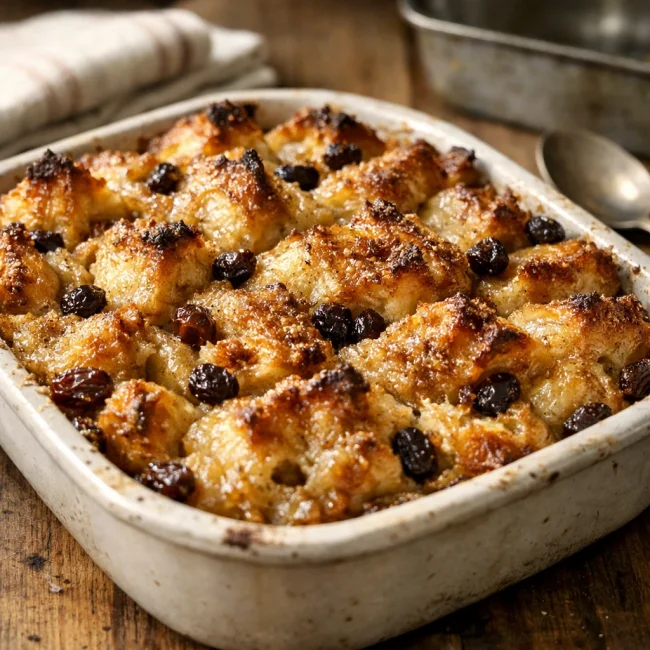
Old-Fashioned Bread Pudding
Discover the classic charm of Old-Fashioned Bread Pudding - a timeless dessert com...
View Recipe
Traditional Italian Bruschetta
Experience the authentic taste of Italian bruschetta, a perfect blend of fresh tom...
View Recipe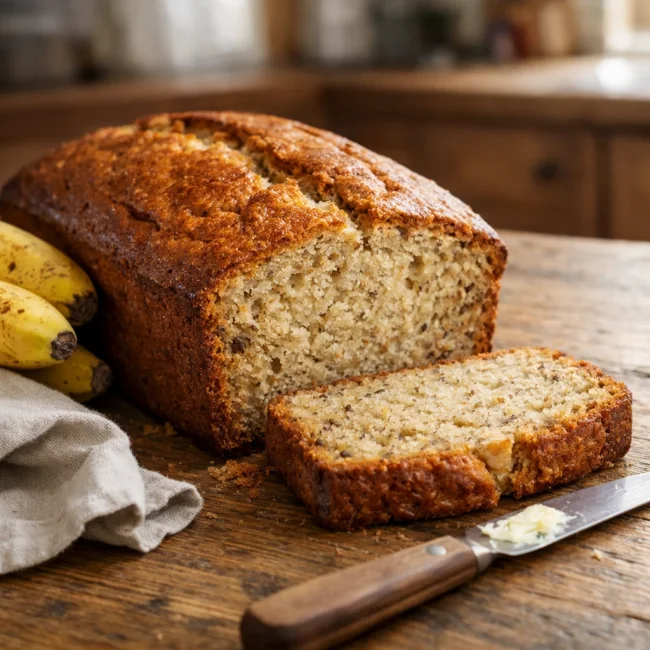
Classic Banana Bread
Classic Banana Bread is a timeless dessert beloved for its moist texture and sweet...
View Recipe
Classic Green Beans
Discover the timeless delight of Classic Green Beans, a simple yet flavorful side ...
View RecipeFrequently Asked Questions
- How do I know if my starter is ready?
- When your starter is bubbly and has doubled in size within a few hours of feeding, it's ready to use.
- What should I do with the discarded starter?
- Use it in recipes for pancakes, waffles, or even pizza dough. It's versatile and adds a nice tangy flavor.
- Can I use tap water instead of filtered water?
- If your tap water is heavily chlorinated, it's best to use filtered water to avoid inhibiting yeast growth.
Serving Ideas for Traditional Artisan Sourdough Starter
Once your sourdough starter is ready, you can use it to make a variety of breads. Try a classic sourdough loaf with a crispy crust and chewy interior, or get creative with sourdough pancakes. Pair your freshly baked bread with a hearty vegetable soup or a charcuterie board with cured meats and cheeses for a delightful meal.
More Breads & Baked Goods Recipes

Traditional Italian Easter Bread
Savor the delightful taste of a classic Italian Easter bread, a sweet, soft, and s...
View Recipe
Old-Fashioned Pineapple Bread
A delightful and flavorful bread infused with juicy pineapple, perfect for breakfa...
View Recipe
Old-Fashioned Blueberry Muffins
Transport yourself to simpler times with these delightful old-fashioned blueberry ...
View Recipe
Strawberry Basil Scones
These tender scones combine the sweetness of fresh strawberries with a hint of pep...
View Recipe