
Traditional Applesauce
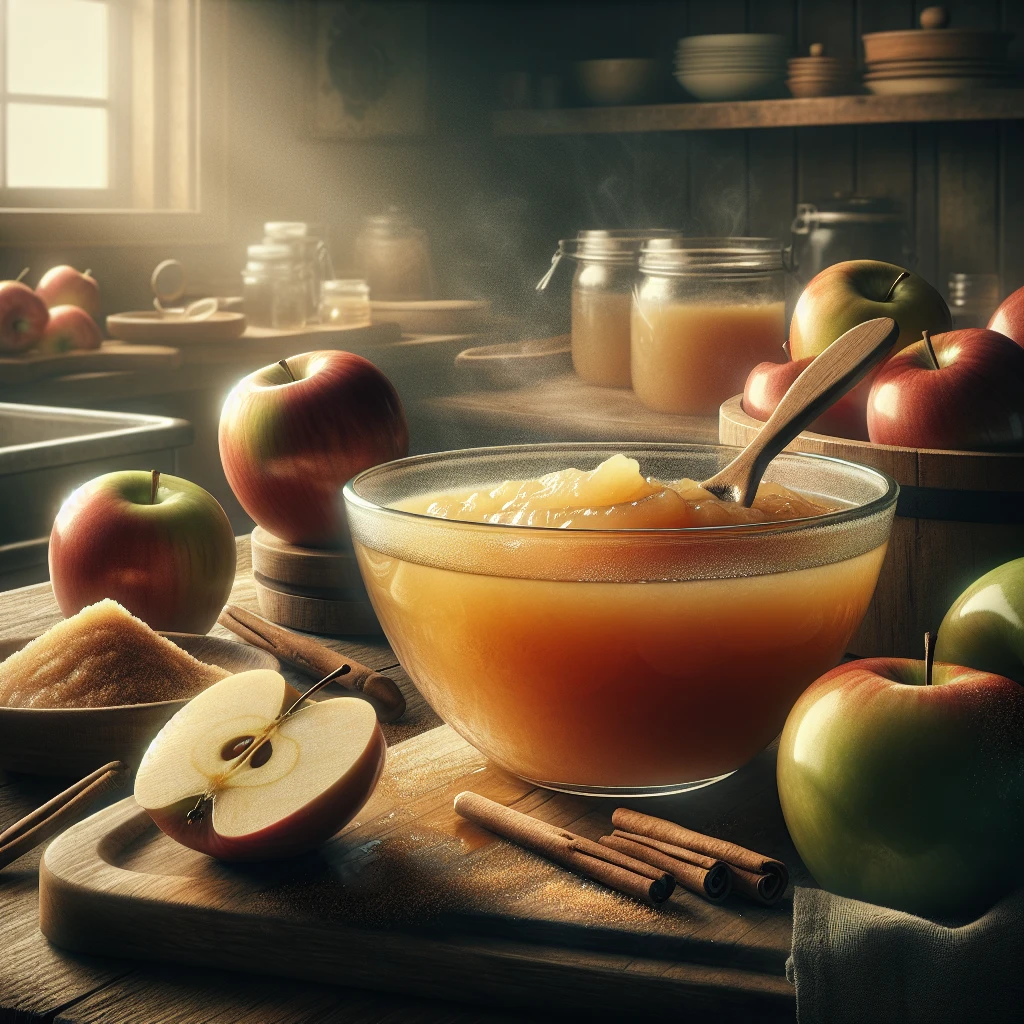
This traditional applesauce recipe is a simple and comforting way to enjoy the bounty of apple season. With just a handful of ingredients, you can whip up a batch of homemade applesauce that's far superior to anything store-bought. It's a delightful way to warm up your kitchen and your spirits.
 Share
Share
This post may contain affiliate links. As an Amazon Associate, we earn from qualifying purchases.
Ingredients for Traditional Applesauce
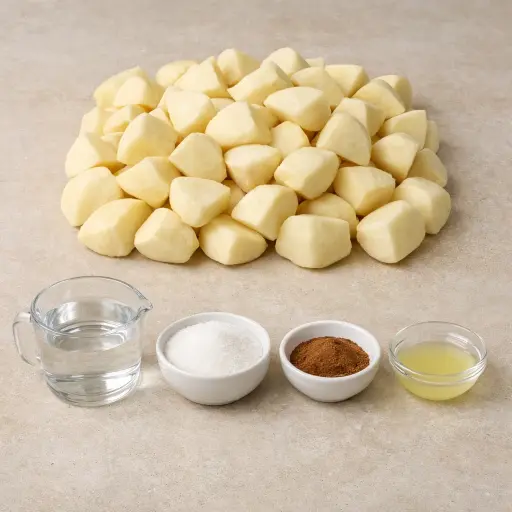
Apples are the star of the show, and choosing a mix of varieties gives the best flavor. Think sweet and tart, like Granny Smith and Fuji. Water helps the apples cook down without sticking. Granulated sugar is optional; use it if your apples are particularly tart or if you just like sweeter applesauce. Ground cinnamon adds a warm, cozy spice that pairs beautifully with apples. Lemon juice brightens the flavors and helps maintain the apples' natural color.
Why This Traditional Applesauce Works
As the apples simmer in the water, they slowly soften all the way through. The heat breaks them down, so the sharp edges of the quarters round off and the pieces start to slump into each other. With the lid on and just a bit of water, the apples steam in their own juices instead of drying out, so they stay moist and juicy. By the time they are tender, a lot of the liquid in the pot has thickened with the apple pulp.
After the apples are soft, the sugar, cinnamon, and lemon juice spread through the hot fruit very easily. The sugar melts right into the warm juices, the cinnamon clings to the soft apple pieces, and the lemon keeps the taste bright instead of dull and flat. Once it cools a little, mashing or blending is easy because the apples are already falling apart. The more they are mashed, the smoother and thicker the applesauce becomes, and it naturally holds its shape on the spoon without needing anything extra.
Traditional Applesauce Tips & Tricks
- If you prefer a more natural applesauce, skip the sugar entirely or replace it with honey or maple syrup for a twist.
- Use a mix of apple varieties for a more complex flavor.
- Freeze in portions if you make a big batch—it keeps well for up to six months.
Mistakes To Avoid
Letting the apples cook too fast over high heat can scorch the bottom of the pot while the top pieces stay firm. The burned bits stick and spread a bitter, dark color through the sauce, and the rest of the apples never soften evenly, so the texture ends up lumpy and uneven.
Adding the sugar at the beginning instead of after the apples soften makes the mixture thicker and stickier too soon. The apples then cook in a syrupy layer, which can cause sticking and uneven softening, and the final sauce can turn gluey instead of loose and spoonable.
Using too little water at the start often leads to the apples drying on the bottom before they release their own juice. The pieces on the bottom can brown and harden while the top ones steam, so the finished applesauce has tough bits and a slightly burnt taste.
Blending or mashing while the applesauce is still very hot can push it past the desired texture. The heat makes it easier to over-blend, so instead of a soft, slightly chunky sauce, it can turn into a runny, baby-food-like puree.
Equipment Used:
Ingredients
- 4 lbs apples, peeled, cored, and quartered
- 1 cup water
- 1/2 cup granulated sugar (optional)
- 1 tsp ground cinnamon
- 1 tbsp lemon juice
Step-by-step Instructions
- 1. Combine apples and water in a large pot. Bring to a simmer over medium heat.
- 2. Cook, stirring occasionally, until apples are tender, about 20 minutes.
- 3. Stir in sugar, cinnamon, and lemon juice. Continue to cook for 5 minutes.
- 4. Remove from heat and let cool slightly.
- 5. Mash with a potato masher to desired consistency or blend for a smoother texture.
Trending Now
Old-Fashioned Bread Pudding
Discover the classic charm of Old-Fashioned Bread Pudding - a timeless dessert com...
View Recipe
Traditional Italian Bruschetta
Experience the authentic taste of Italian bruschetta, a perfect blend of fresh tom...
View Recipe
Classic Green Beans
Discover the timeless delight of Classic Green Beans, a simple yet flavorful side ...
View Recipe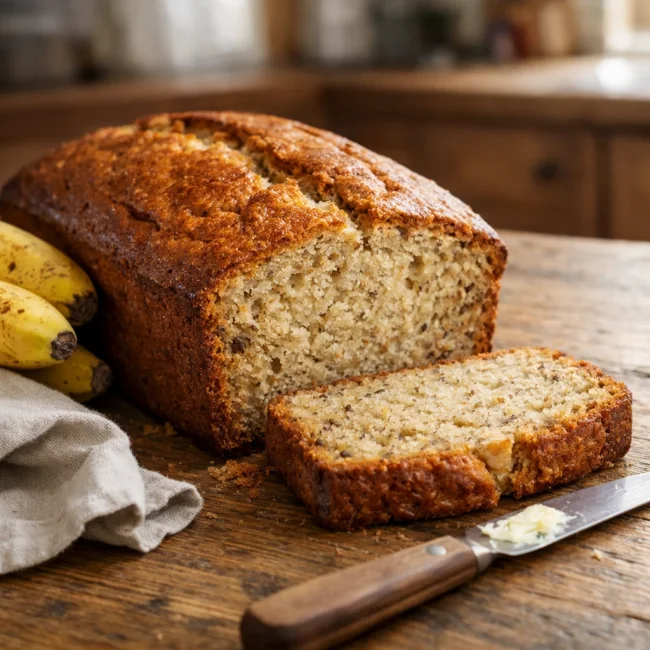
Classic Banana Bread
Classic Banana Bread is a timeless dessert beloved for its moist texture and sweet...
View RecipeFrequently Asked Questions
- Can I use different spices?
- Absolutely! Nutmeg and cloves can add a lovely depth to your applesauce.
- What if I don't have a blender?
- A potato masher works great for a chunkier texture. For a smoother result, try a food mill.
Serving Ideas for Traditional Applesauce
This applesauce pairs perfectly with roasted pork or chicken. It's also a fantastic topping for pancakes, yogurt, or oatmeal. For a snack, just enjoy it chilled straight out of the fridge.
More Desserts Recipes
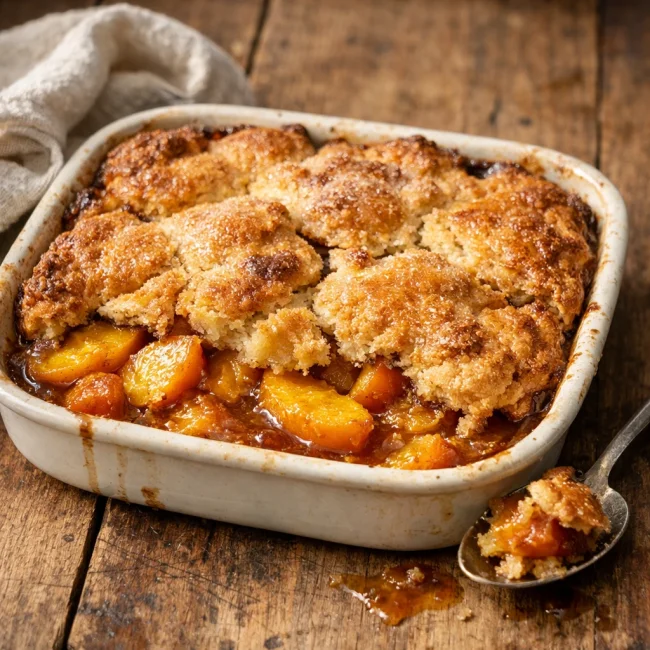
Rustic Vanilla Peach Cobbler
This rustic vanilla peach cobbler combines a rich, buttery crust with the sweet, v...
View Recipe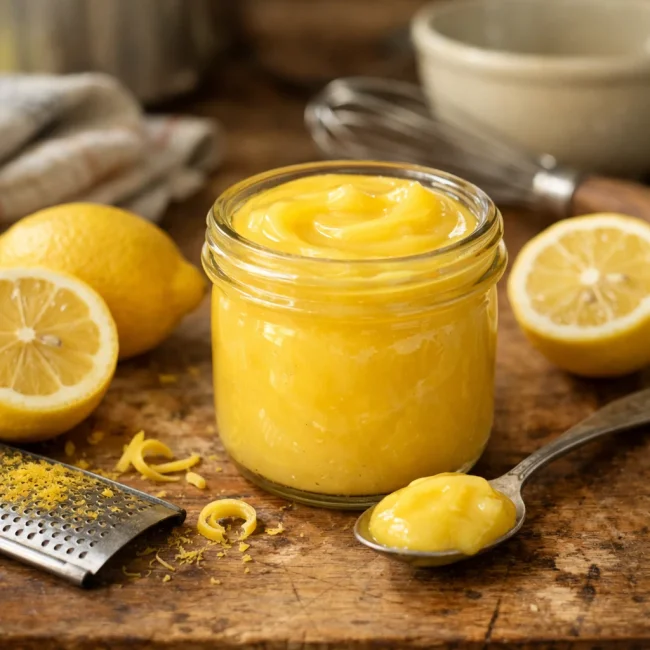
Traditional Lemon Curd
A classic, tangy lemon curd that is perfect for enhancing desserts, breakfast dish...
View Recipe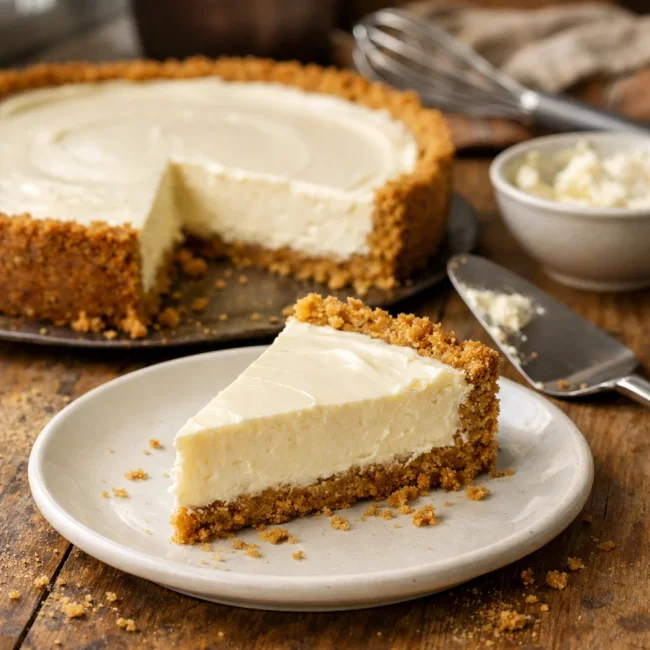
Traditional Cream Cheese Pie
A delightful and timeless dessert, Traditional Cream Cheese Pie offers a rich and ...
View Recipe
Timeless Cream Puff Delight
Indulge in a delectable Timeless Cream Puff Delight, a classic dessert featuring a...
View Recipe