
Traditional Apple Strudel
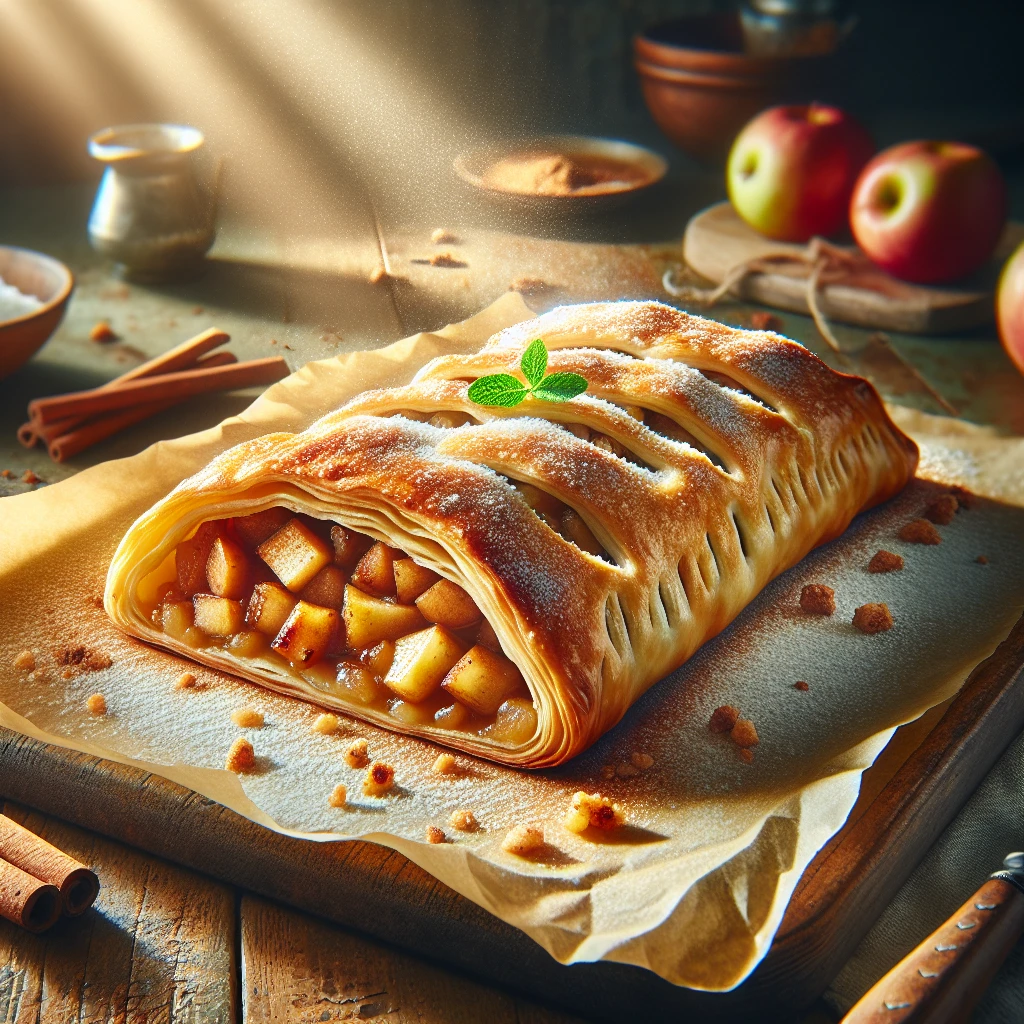
Apple strudel is a classic dessert that brings together the comforting flavors of tart apples, warm spices, and flaky pastry. Perfect for fall or any time you have a craving for something sweet and homey. This traditional recipe is straightforward and will fill your kitchen with the most inviting aromas.
 Share
Share
This post may contain affiliate links. As an Amazon Associate, we earn from qualifying purchases.
Ingredients for Traditional Apple Strudel
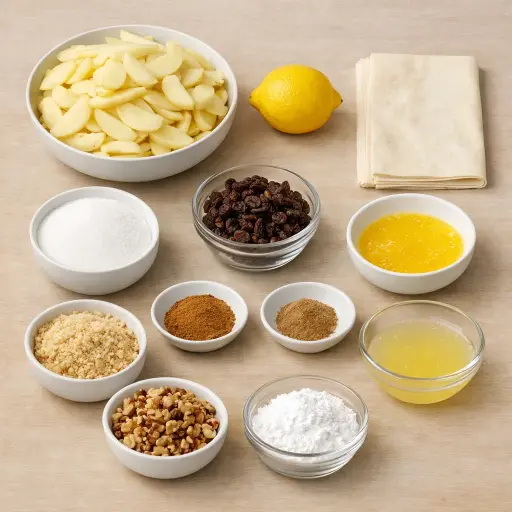
Apples: The star of the show. Tart varieties like Granny Smith work best because they hold their shape and provide a nice tang against the sweet filling.
Granulated sugar: Sweetens the filling just enough to complement the apples without overpowering them.
Raisins: Add a chewy texture and a burst of sweetness that pairs beautifully with the apples.
Cinnamon and nutmeg: These spices are essential for that classic strudel flavor, adding warmth and depth.
Breadcrumbs: Absorb the juices from the apples to keep the pastry from getting soggy, ensuring a perfectly flaky crust.
Unsalted butter: Adds richness to the pastry and helps brown the crust to a golden perfection.
Walnuts: Provide a nice crunch and a nutty flavor that complements the spices and fruit.
Lemon juice: Enhances the tartness of the apples and prevents them from browning too quickly.
Phyllo dough: The delicate, flaky layers create the perfect vessel for the strudel filling. It's store-bought, so no need to worry about making pastry from scratch!
Powdered sugar: A light dusting adds a touch of elegance and sweetness right before serving.
Why This Traditional Apple Strudel Works
In the bowl, the apples sit with sugar, lemon juice, and spices for a bit. During that time, the sugar pulls some juice out of the apples, and the lemon keeps them from browning. The slices start to soften even before they go in the oven, so they bake up tender instead of staying hard. Raisins soak up some of that apple juice and swell, so they don’t dry out or burn while baking.
On the counter, the phyllo dough gets brushed with melted butter, which soaks into the thin layers. As it bakes, that butter keeps the layers from drying into a hard sheet and lets them crisp into flaky, separate pieces. Breadcrumbs scattered over the dough act like a little sponge. They catch the extra apple juice that leaks out during baking, so the bottom of the strudel doesn’t go soggy.
In the oven, the roll holds everything in a tight bundle. The apples steam and soften inside, the walnuts toast a bit, and the outside browns and firms up. By the time it comes out, the filling stays in place when sliced, and the crust stays crisp instead of wet.
Traditional Apple Strudel Tips & Tricks
- If your phyllo tears, don't panic. Just patch it with another piece.
- Chill your apples before slicing to make them easier to handle.
- Soak raisins in warm water or rum for a few minutes to plump them up before adding them to the filling.
- Keep the phyllo covered with a damp towel while working to prevent it from drying out.
Mistakes To Avoid
Rolling the strudel too loosely lets the filling move around in the oven. The apples slide to one side, the roll can split, and hot syrup leaks out onto the pan instead of staying inside, leaving the pastry dry and the filling uneven.
Skipping or barely using the breadcrumbs means the apple juices soak straight into the phyllo. The dough turns soggy instead of crisping, and the bottom can bake into a wet, gummy layer that tears when sliced.
Letting the apple mixture sit too long before rolling causes the fruit to release a lot of liquid into the bowl. The filling then goes in already watery, so the inside steams instead of gently baking, and the strudel can end up mushy in the center.
Using too few apples or spreading them in a very thin line creates a mostly empty roll. The pastry overbakes and turns hard and brittle, while the slices look flat instead of showing a full, spiraled filling.
Equipment Used:
Mixing bowl, Baking sheet, Parchment paper, Pastry brush, Sharp knife
Ingredients
- 2 lbs tart apples (such as Granny Smith), peeled and thinly sliced
- 1/2 cup granulated sugar
- 1/4 cup raisins
- 1 tsp ground cinnamon
- 1/4 tsp ground nutmeg
- 1/4 cup breadcrumbs
- 1/2 cup unsalted butter, melted
- 1/2 cup chopped walnuts
- 1 lemon, juiced
- 1 sheet phyllo dough
- Powdered sugar for dusting
Step-by-step Instructions
- 1. Preheat your oven to 375°F (190°C).
- 2. In a large bowl, combine sliced apples, sugar, raisins, cinnamon, nutmeg, and lemon juice. Toss until the apples are well coated.
- 3. On a clean surface, lay out the phyllo dough and brush it with melted butter.
- 4. Sprinkle breadcrumbs evenly over the dough to prevent sogginess.
- 5. Spread the apple mixture along one side of the dough, leaving a border.
- 6. Sprinkle chopped walnuts over the apple mixture.
- 7. Carefully roll the dough around the filling, ensuring it is tightly packed.
- 8. Brush the outside of the roll with remaining melted butter.
- 9. Place the strudel onto a baking sheet lined with parchment paper.
- 10. Bake for 35-40 minutes until golden brown.
- 11. Allow to cool slightly, then dust with powdered sugar before serving.
Trending Now
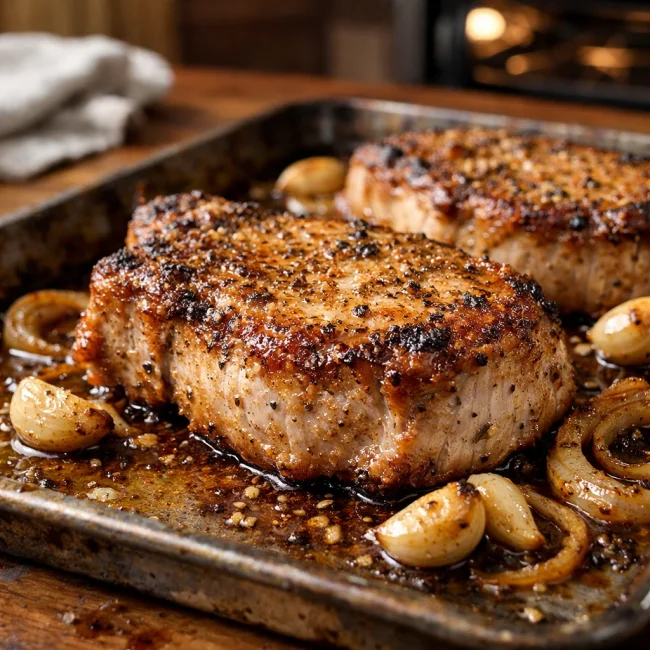
Oven-Baked Pork Chops
Enjoy a delightful dinner with these tender and juicy oven-baked pork chops, seaso...
View Recipe
Traditional Corn Casserole
A delightful corn casserole dish that embodies the comforting flavors of sweet cor...
View Recipe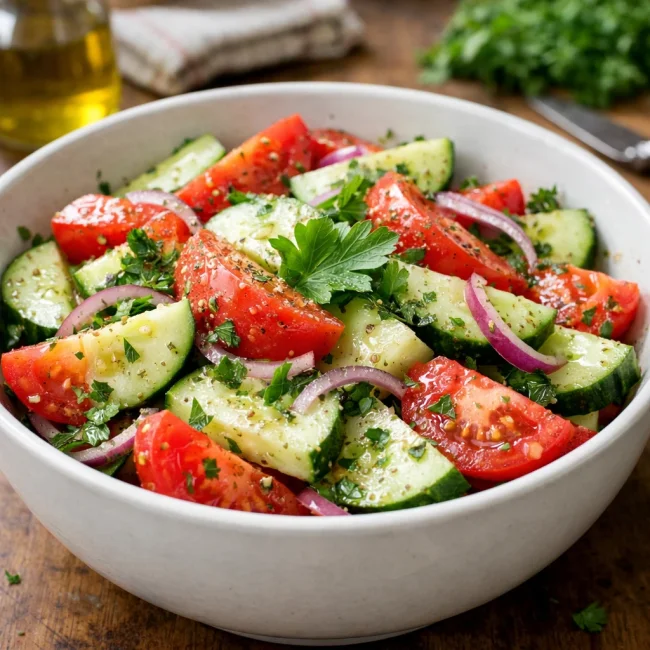
Traditional Cucumber and Tomato Salad
A refreshing and simple salad combining crisp cucumbers and juicy tomatoes, season...
View Recipe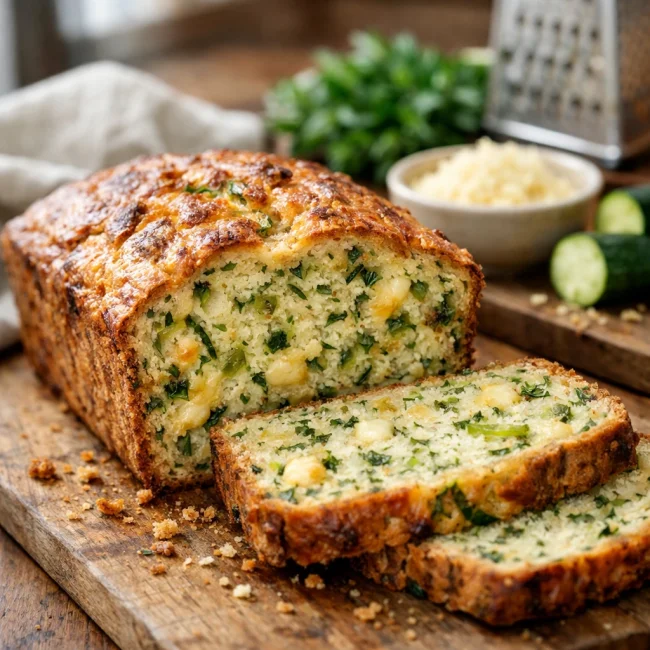
Savory Zucchini Bread
Savory Zucchini Bread is a delectable twist on traditional zucchini recipes, combi...
View RecipeFrequently Asked Questions
- Can I use a different type of apple?
- Yes, you can experiment with other tart or sweet-tart varieties, but avoid overly sweet apples as they can become mushy.
- How do I store leftovers?
- Store in an airtight container at room temperature for up to two days. For longer storage, refrigerate for up to a week.
- Can I freeze apple strudel?
- Absolutely! Wrap it tightly in plastic wrap and foil, then freeze for up to three months. Thaw and reheat before serving.
Serving Ideas for Traditional Apple Strudel
Apple strudel is delightful on its own, but for an extra treat, serve it with a scoop of vanilla ice cream or a dollop of whipped cream. It pairs wonderfully with a cup of spiced tea or a glass of dessert wine for an elegant finish to your meal.
More Desserts Recipes
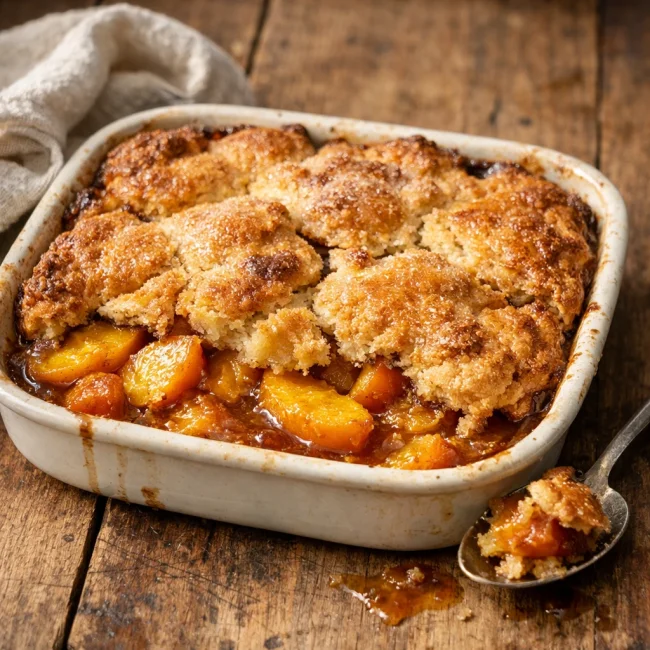
Rustic Vanilla Peach Cobbler
This rustic vanilla peach cobbler combines a rich, buttery crust with the sweet, v...
View Recipe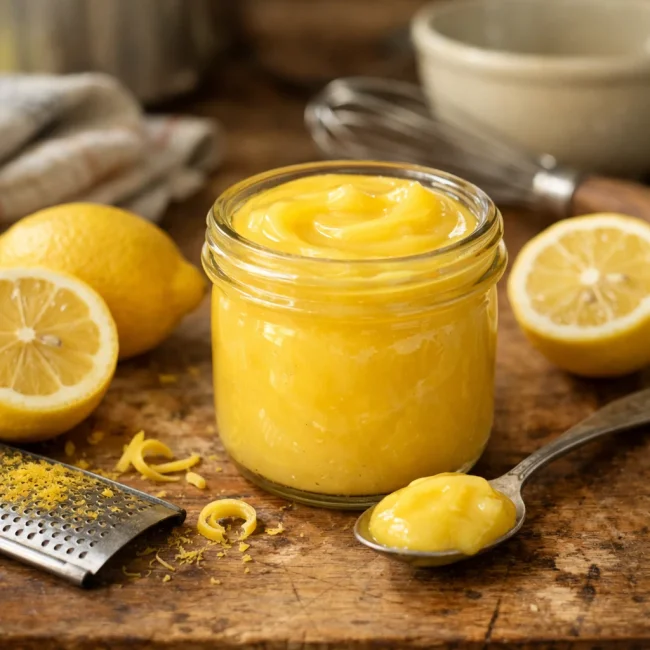
Traditional Lemon Curd
A classic, tangy lemon curd that is perfect for enhancing desserts, breakfast dish...
View Recipe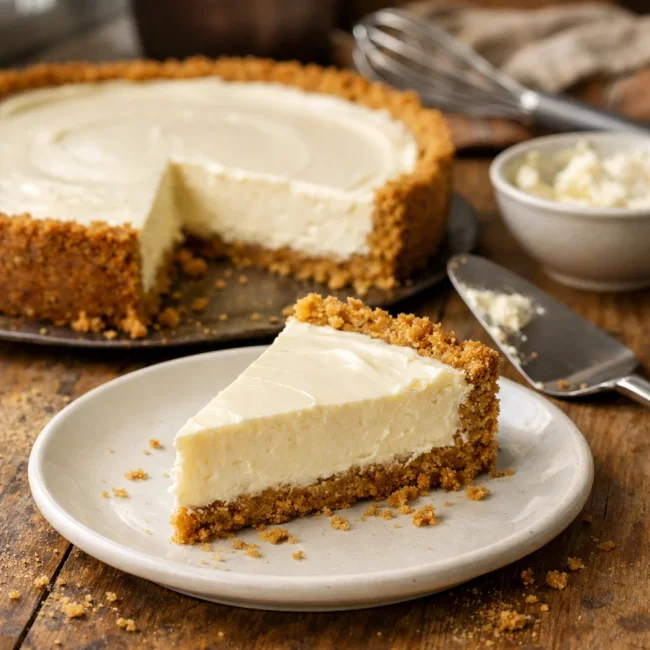
Traditional Cream Cheese Pie
A delightful and timeless dessert, Traditional Cream Cheese Pie offers a rich and ...
View Recipe
Timeless Cream Puff Delight
Indulge in a delectable Timeless Cream Puff Delight, a classic dessert featuring a...
View Recipe