
Traditional Amish Friendship Bread
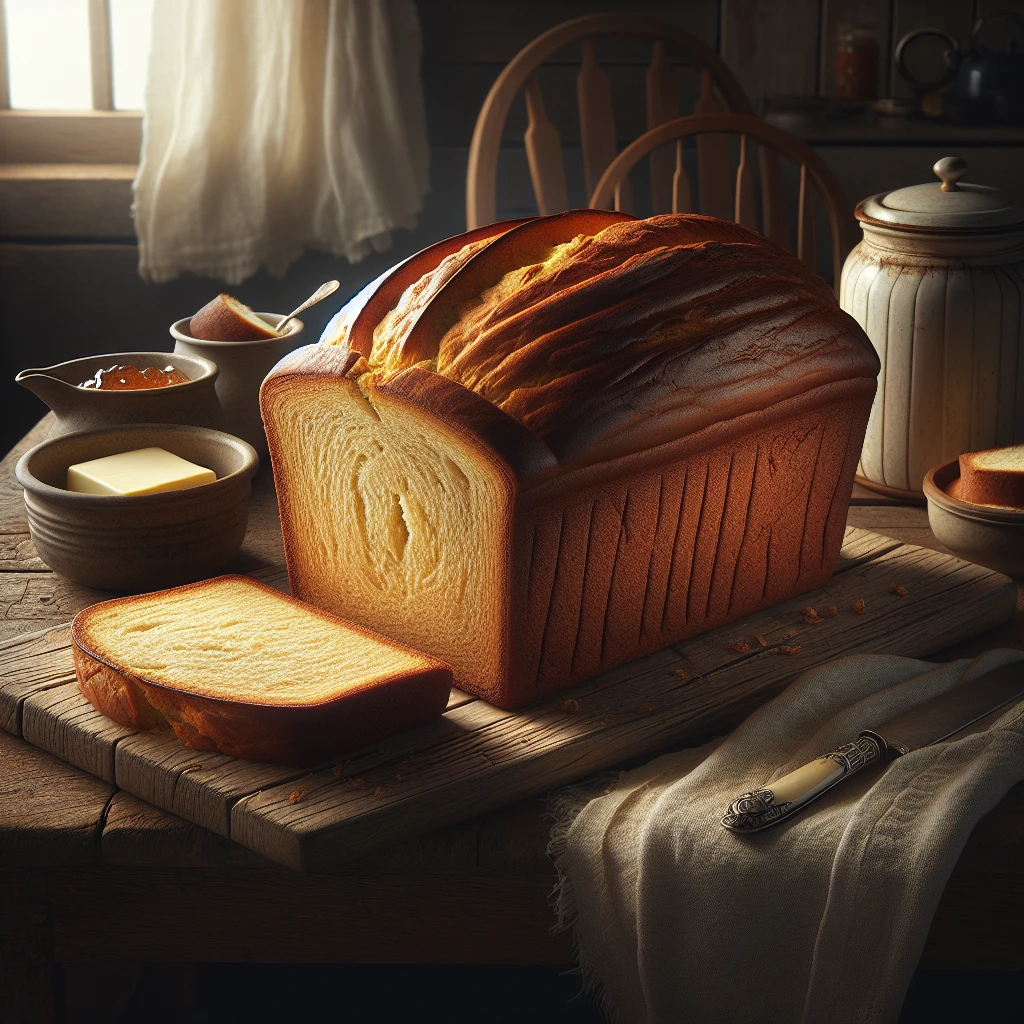
Amish Friendship Bread is more than just a treat — it's a tradition of sharing and community. This recipe is a delightful blend of simple ingredients that results in a moist, flavorful loaf, perfect for any occasion. Let's dive into making this time-honored classic!
 Share
Share
This post may contain affiliate links. As an Amazon Associate, we earn from qualifying purchases.
Ingredients for Traditional Amish Friendship Bread
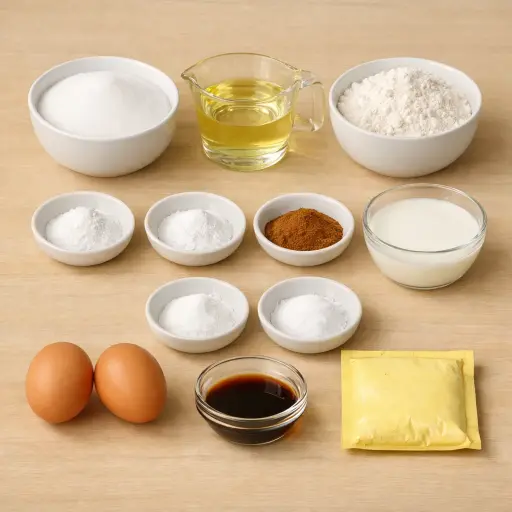
The star of this recipe is the combination of sugar and cinnamon, which gives the bread its signature sweet and spicy flavor. Vegetable oil keeps the loaf moist, while eggs add structure. The vanilla extract and instant vanilla pudding mix boost the flavor profile with a creamy undertone. Meanwhile, flour acts as the base, baking powder and baking soda provide leavening, and salt balances the sweetness. Lastly, milk ensures the batter is smooth and well-blended.
Why This Traditional Amish Friendship Bread Works
In the bowl, the sugar, oil, eggs, and pudding mix make a thick, smooth batter that can hold a lot of moisture. As the dry ingredients go in with the milk, the flour soaks up the liquid but stays fairly loose because of the oil and eggs. Baking powder and baking soda start to react right away and then again in the oven, filling the batter with tiny air pockets.
In the oven, the eggs and flour slowly set and form a soft structure while the milk and oil keep the inside from drying out. The pudding mix has starch that swells and hangs on to water, so the bread stays moist instead of crumbly. Cinnamon and sugar spread through the batter as it bakes, and the outside dries first and forms a light crust. By the time a toothpick comes out clean, the inside has finished setting but still holds plenty of moisture, so the bread stays tender even after it cools.
Traditional Amish Friendship Bread Tips & Tricks
- Use room-temperature eggs and milk for a smoother batter.
- Try sprinkling a bit of sugar and cinnamon on top before baking for an extra crunchy crust.
- If you find the bread browning too quickly, cover it loosely with aluminum foil during the last 15 minutes of baking.
Mistakes To Avoid
Letting the bread bake too long at 325°F often dries it out. The edges turn hard and the top can get tough before the center has a chance to stay soft and moist, so the loaf ends up crumbly instead of tender.
Adding all the milk at once instead of alternating with the dry ingredients can leave pockets of flour in the batter. Those dry spots don’t fully blend in and bake into floury streaks or small dense lumps inside the loaf.
Skipping the step of sifting or at least thoroughly mixing the flour with the baking powder, baking soda, cinnamon, and salt leads to uneven rising. Some parts of the bread puff up more while other parts stay low and dense, giving the loaf an uneven texture.
Pouring the batter into an ungreased or poorly greased loaf pan often causes sticking. The crust then tears as the bread is pulled out, and chunks can stay glued to the pan instead of coming out in one clean loaf.
Cutting into the bread while it is still hot from the oven makes it seem gummy in the center. The crumb has not finished setting yet, so slices squash down and look underbaked even if the bread was cooked through.
Equipment Used:
Ingredients
- 1 cup of white sugar
- 1/3 cup of vegetable oil
- 1 cup of all-purpose flour
- 1 cup of milk
- 1/2 teaspoon of baking powder
- 1/2 teaspoon of baking soda
- 1 teaspoon of cinnamon
- 1/2 teaspoon of salt
- 2 eggs
- 1 teaspoon of vanilla extract
- 1 small box of instant vanilla pudding mix
Step-by-step Instructions
- 1. Preheat your oven to 325°F (165°C).
- 2. In a large mixing bowl, combine sugar, vegetable oil, and eggs. Beat until smooth.
- 3. Stir in vanilla extract and instant pudding mix.
- 4. In a separate bowl, sift together flour, baking powder, baking soda, cinnamon, and salt.
- 5. Gradually add dry ingredients to the wet mixture, alternating with milk until well combined.
- 6. Pour the batter into a greased loaf pan.
- 7. Bake for 60-70 minutes or until a toothpick inserted into the center comes out clean.
- 8. Allow to cool in the pan for 10 minutes, then transfer to a wire rack to cool completely.
Trending Now
Oven-Baked Pork Chops
Enjoy a delightful dinner with these tender and juicy oven-baked pork chops, seaso...
View Recipe
Traditional Corn Casserole
A delightful corn casserole dish that embodies the comforting flavors of sweet cor...
View Recipe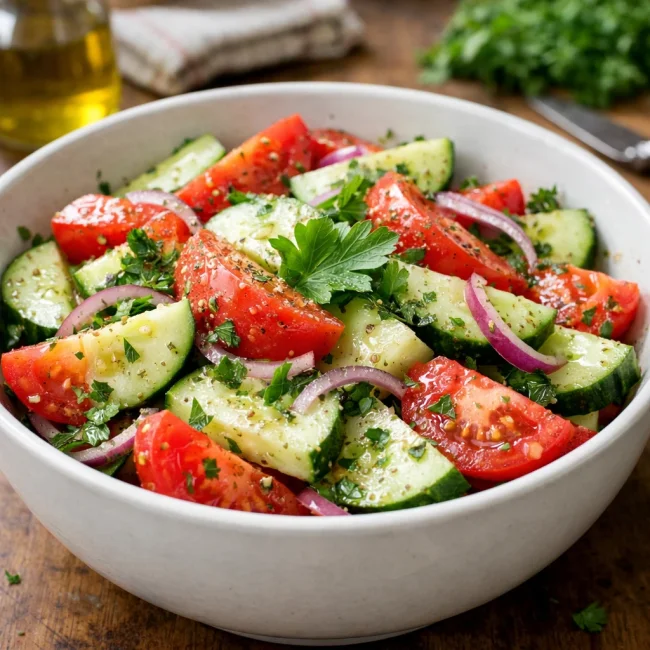
Traditional Cucumber and Tomato Salad
A refreshing and simple salad combining crisp cucumbers and juicy tomatoes, season...
View Recipe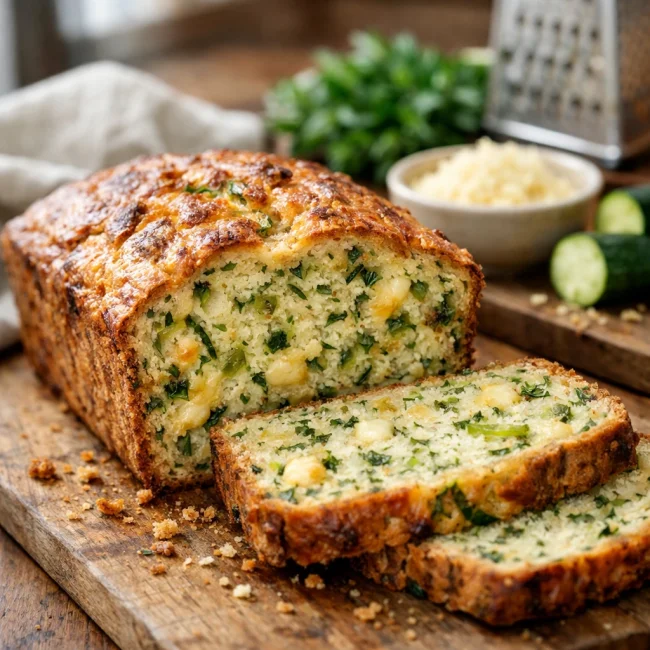
Savory Zucchini Bread
Savory Zucchini Bread is a delectable twist on traditional zucchini recipes, combi...
View RecipeFrequently Asked Questions
- Can I use a different type of oil?
- Yes, you can substitute with canola oil or melted coconut oil.
- Is there a gluten-free version?
- You can use a gluten-free all-purpose flour blend in place of regular flour.
- How long does the bread last?
- Stored in an airtight container, it stays fresh for up to a week.
Serving Ideas for Traditional Amish Friendship Bread
This bread is versatile! Try serving it with a dollop of whipped cream or a scoop of vanilla ice cream for dessert. It also pairs well with a spread of cream cheese or butter for a delightful breakfast treat.
More Breads & Baked Goods Recipes

Traditional Italian Easter Bread
Savor the delightful taste of a classic Italian Easter bread, a sweet, soft, and s...
View Recipe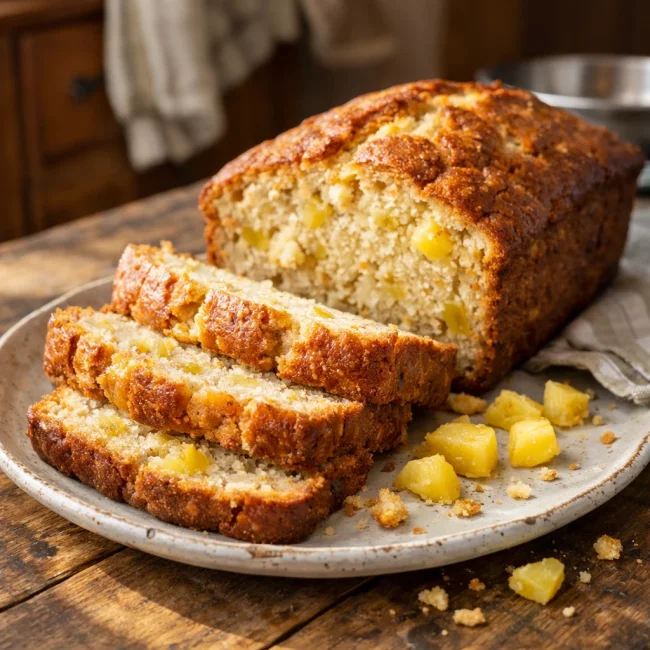
Old-Fashioned Pineapple Bread
A delightful and flavorful bread infused with juicy pineapple, perfect for breakfa...
View Recipe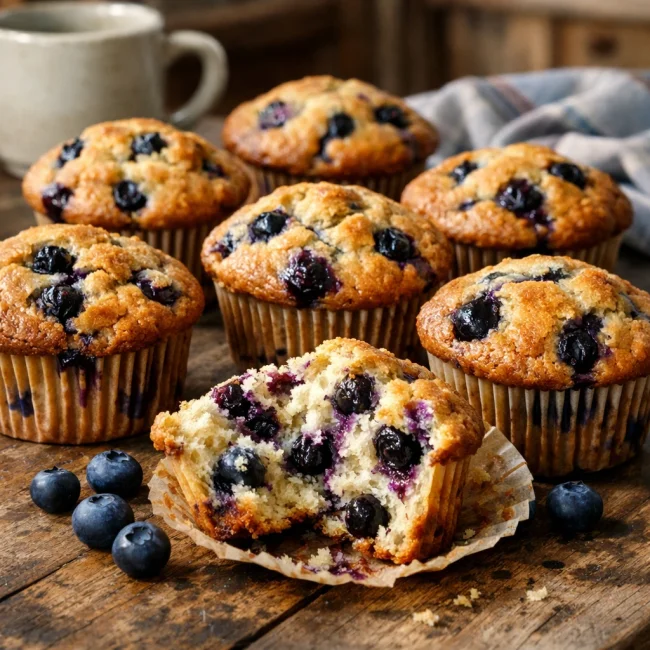
Old-Fashioned Blueberry Muffins
Transport yourself to simpler times with these delightful old-fashioned blueberry ...
View Recipe
Strawberry Basil Scones
These tender scones combine the sweetness of fresh strawberries with a hint of pep...
View Recipe