
Tomato Basil Pasta
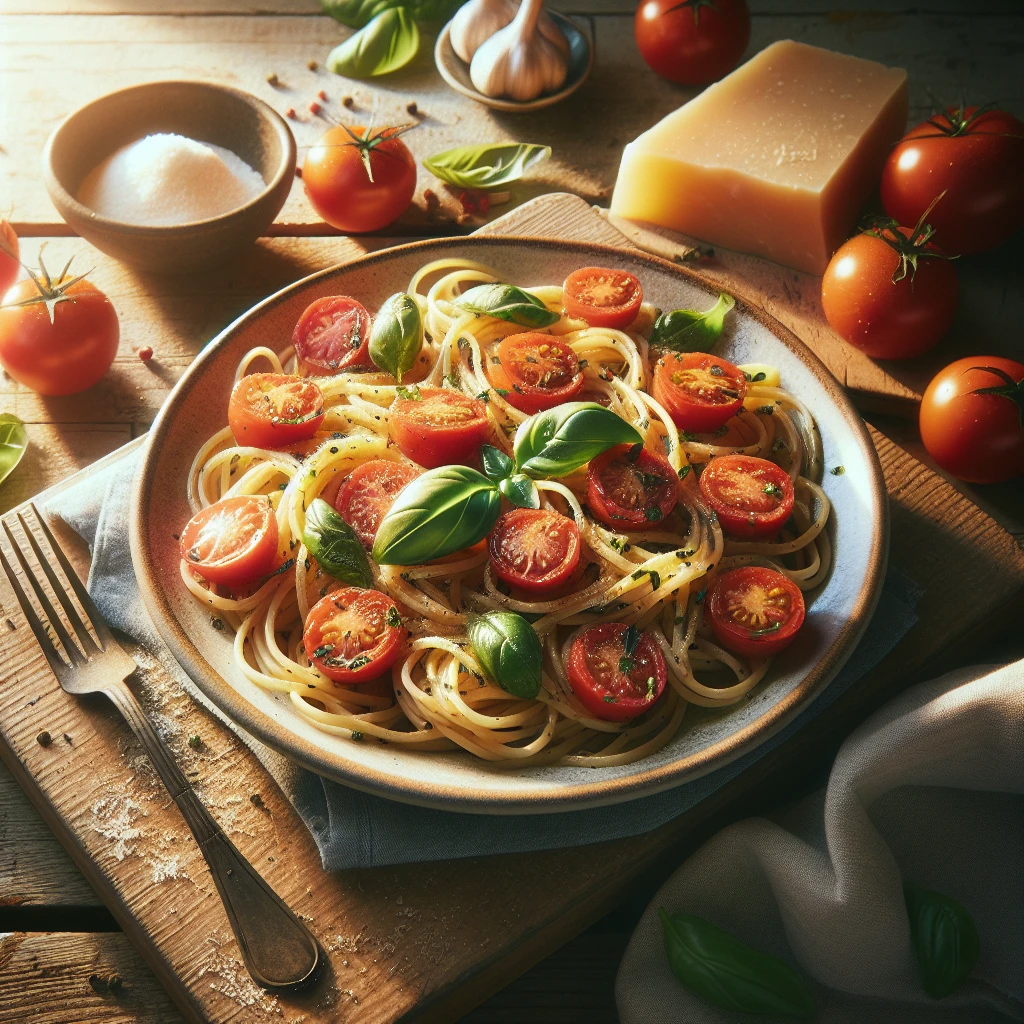
Tomato Basil Pasta is the embodiment of simplicity meeting flavor. With juicy cherry tomatoes and aromatic basil, this dish is a celebration of fresh ingredients that come together in no time.
 Share
Share
This post may contain affiliate links. As an Amazon Associate, we earn from qualifying purchases.
Ingredients for Tomato Basil Pasta
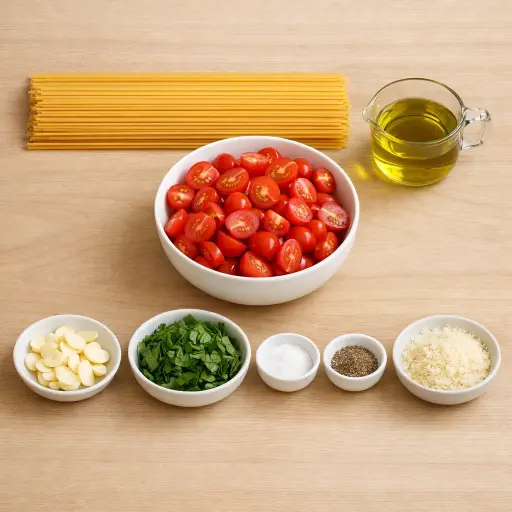
Spaghetti serves as the hearty base of this dish, soaking up all the delicious flavors. Cherry tomatoes add a burst of sweetness and acidity, balancing the richness of the other ingredients. Extra-virgin olive oil provides a smooth, fruity undertone that binds everything together. Garlic infuses the dish with a warm, savory aroma. Fresh basil leaves bring a pop of color and a fresh, herby flavor that complements the tomatoes perfectly. A sprinkle of Parmesan cheese adds a touch of salty, umami goodness to finish the dish. And of course, salt and pepper are essential for seasoning and enhancing all the flavors.
Why This Tomato Basil Pasta Works
As the garlic warms in the olive oil, it softens and gently flavors the oil. The slices stay pale instead of browning hard, so the garlic tastes mellow instead of sharp. That flavored oil then coats the cherry tomatoes on all sides.
After a few minutes in the pan, the tomatoes start to slump and burst. Their juices run out and mix with the oil, so the pan fills with a light, glossy tomato liquid instead of dry pieces. With the heat, that liquid thickens just a bit and clings to whatever touches it.
Once the hot spaghetti goes into the skillet, the pasta starch on the surface grabs onto that tomato-oil mixture. Instead of the sauce sliding off, it sticks to the noodles and coats them. The basil goes in at the end so it only wilts slightly and stays bright. Parmesan lands on the warm pasta and melts into tiny spots, so every strand has a mix of soft tomato, silky oil, and salty cheese.
Tomato Basil Pasta Tips & Tricks
- Reserve a cup of pasta water before draining. You can use it to loosen the sauce if the pasta seems too dry.
- Use the freshest basil you can find — it makes a huge difference in flavor.
- If you like a bit of heat, add a pinch of red pepper flakes when sautéing the garlic.
Mistakes To Avoid
Letting the garlic brown or burn in the oil turns it bitter and harsh. The thin slices go from pale to dark very fast, and once they darken, the whole oil takes on a burnt taste. The finished pasta then has a sharp, burnt edge that covers the fresh tomato and basil and makes the dish feel heavy.
Cooking the tomatoes too little leaves them firm and dry inside. They sit on top of the pasta like separate pieces instead of breaking down and mixing with the oil. The pasta then tastes oily and plain, with random bursts of tomato instead of a light, juicy coating on every strand.
Adding the basil too early, while the pan is still very hot, causes the leaves to blacken and wilt into stringy bits. The herbs lose their fresh smell and turn slightly bitter. In the bowl, the basil looks dull and flat instead of bright green and soft.
Letting the pasta sit too long after draining means it cools and sticks together in clumps. Once it hits the pan, the sauce can’t slide between the strands, so some bites are dry while others are greasy. The dish ends up uneven, with sticky knots of spaghetti that never really get coated.
Equipment Used:
Ingredients
- 12 oz spaghetti
- 3 cups cherry tomatoes, halved
- 1/4 cup extra-virgin olive oil
- 4 cloves garlic, thinly sliced
- 1/2 cup fresh basil leaves, roughly chopped
- Salt and pepper to taste
- 1/4 cup grated Parmesan cheese
Step-by-step Instructions
- 1. Cook the spaghetti according to package instructions until al dente, then drain and set aside.
- 2. In a large skillet over medium heat, warm the olive oil.
- 3. Add the sliced garlic to the skillet and sauté until fragrant but not browned, about 2 minutes.
- 4. Add the halved cherry tomatoes to the skillet and cook, stirring occasionally, until they begin to soften and release their juices, about 5-7 minutes.
- 5. Add the cooked spaghetti to the skillet and toss to coat with the tomato mixture.
- 6. Stir in the fresh basil leaves and season with salt and pepper to taste.
- 7. Remove the skillet from heat and sprinkle the pasta with grated Parmesan cheese before serving.
Trending Now
Classic Banana Bread
Classic Banana Bread is a timeless dessert beloved for its moist texture and sweet...
View Recipe
Classic Cucumber Salad
A refreshing and light cucumber salad featuring crisp cucumbers and a tangy vinaig...
View Recipe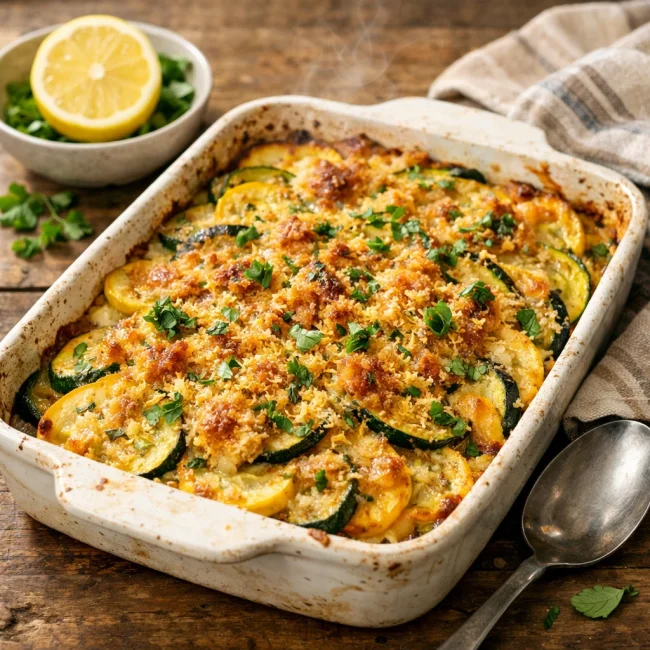
Zesty Summer Squash Casserole
This delightful summer squash casserole combines vibrant garden-fresh vegetables w...
View Recipe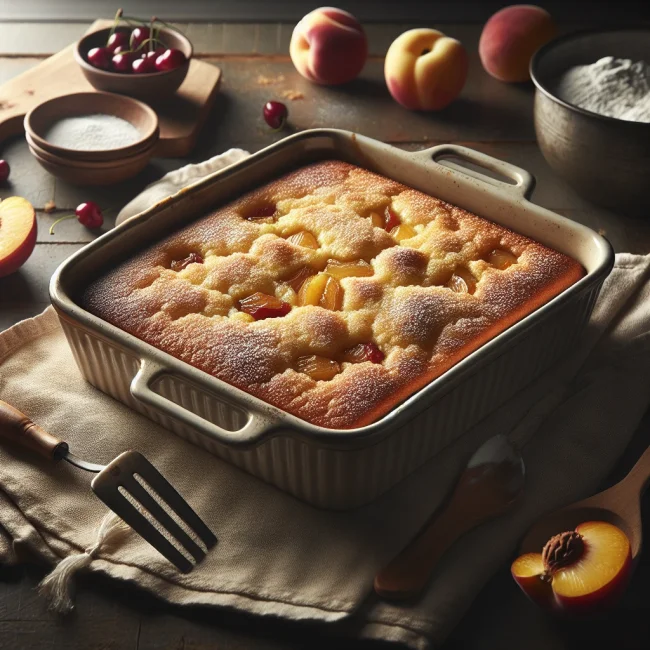
Traditional Dump Cake
Discover the timeless delight of the Traditional Dump Cake, a simple and scrumptio...
View RecipeFrequently Asked Questions
- Can I use another type of pasta?
- Absolutely! Penne or fusilli work well, too, as they hold onto the sauce beautifully.
- What if I don't have fresh basil?
- You can substitute with dried basil, but use it sparingly as it's more concentrated.
- Is there a way to make this vegan?
- Yes, simply omit the Parmesan cheese or use a vegan cheese substitute.
Serving Ideas for Tomato Basil Pasta
Pair this Tomato Basil Pasta with a crisp green salad drizzled with balsamic vinaigrette. A side of garlic bread or a rustic, crusty loaf would also complement the dish beautifully. For a special touch, serve with a light white wine like Pinot Grigio or Sauvignon Blanc.
More Pasta Recipes
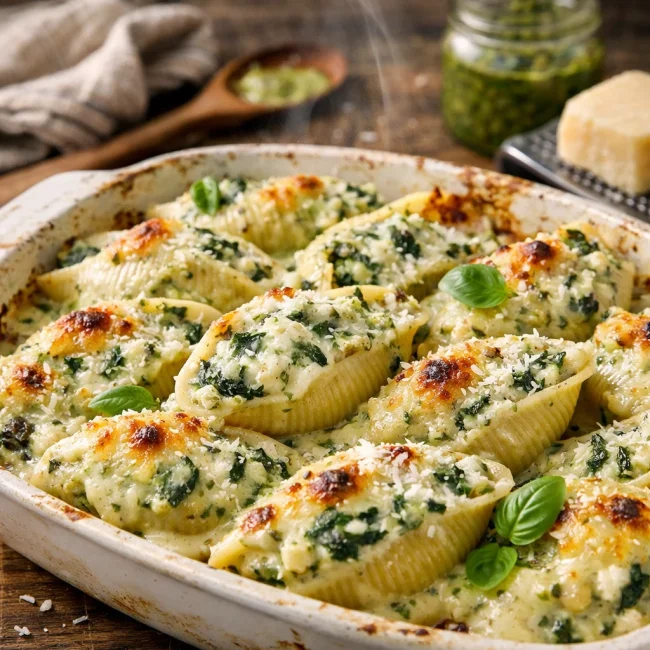
Spinach and Ricotta Stuffed Shells with Pesto Alfredo
Try this delicious twist on classic stuffed shells with a creamy pesto Alfredo sau...
View Recipe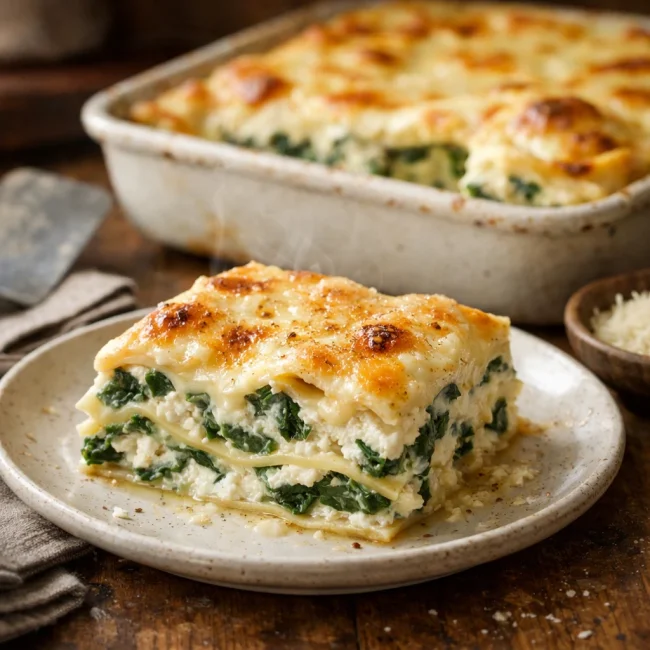
Spinach and Ricotta White Lasagna
A unique twist on the classic lasagna, this white lasagna combines creamy ricotta,...
View Recipe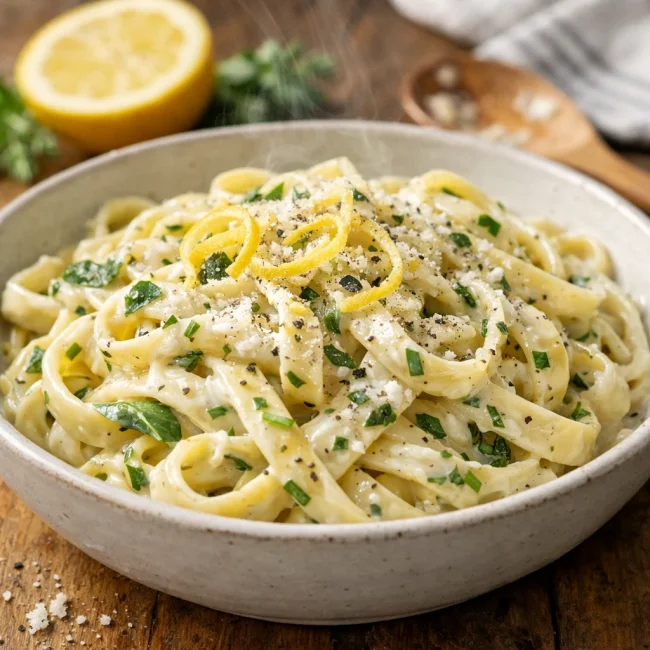
Lemon Herb Fettuccine Alfredo
Lemon Herb Fettuccine Alfredo is a refreshing twist on the classic dish, combining...
View Recipe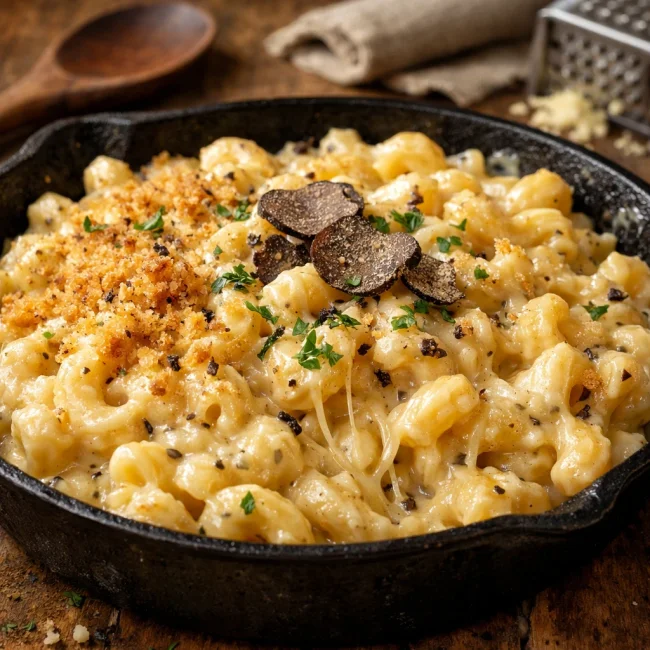
Truffle Mac and Cheese
Experience the ultimate comfort food with a gourmet twist in this Truffle Mac and ...
View Recipe