
The Artisan Loaf
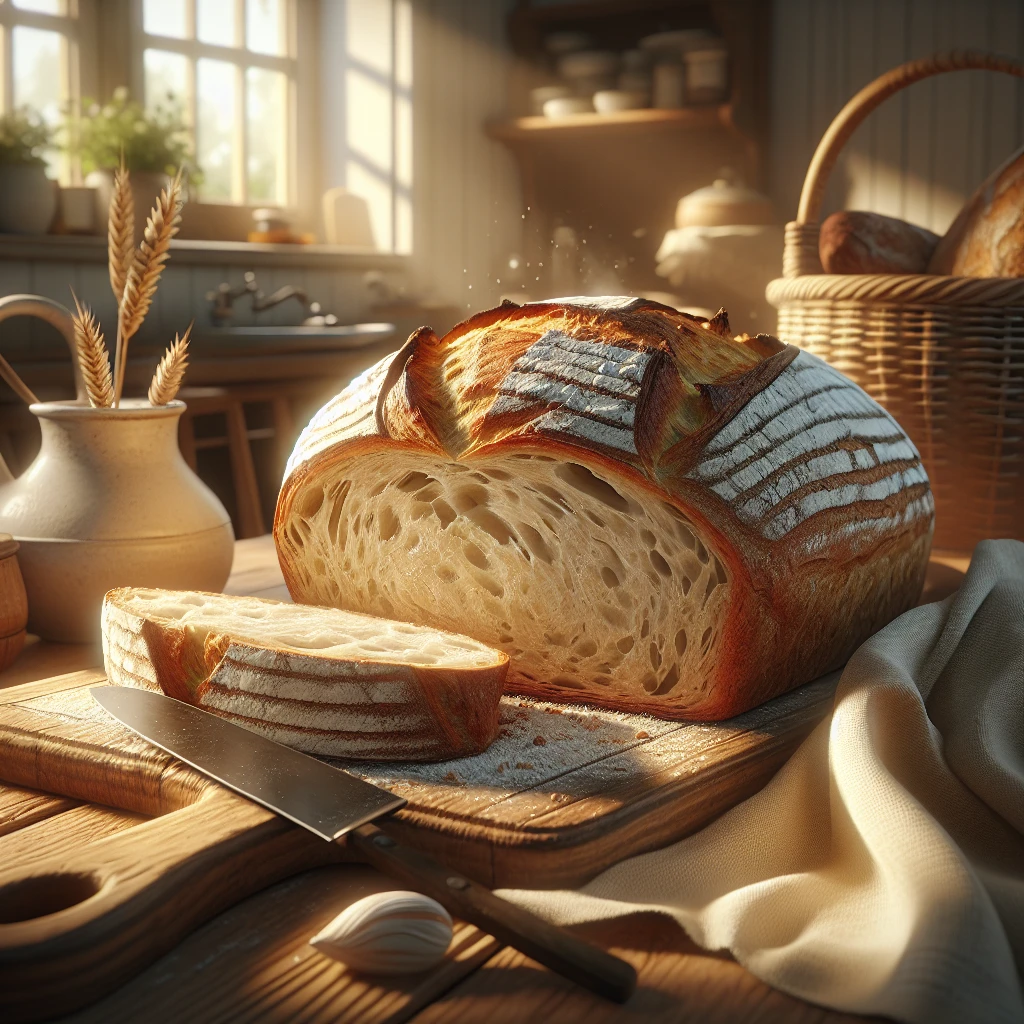
Welcome to the world of homemade bread with this Artisan Loaf recipe. It’s simple enough for beginners yet rewarding enough for seasoned bakers. This loaf is all about the perfect crust and a chewy, airy interior.
 Share
Share
This post may contain affiliate links. As an Amazon Associate, we earn from qualifying purchases.
Ingredients for The Artisan Loaf
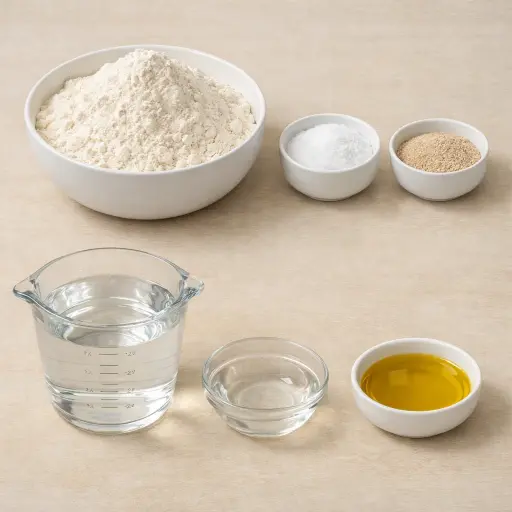
All-purpose flour is the backbone of this bread, providing structure and chewiness. We use it for its versatility and availability. Salt enhances the flavor, making each bite more than just a mouthful of flour. Instant yeast is key for that quick rise — it’s reliable and doesn’t need to be proofed first. Warm water activates the yeast effectively, making the dough rise beautifully. Lastly, a splash of olive oil adds moisture and a hint of richness.
Why This The Artisan Loaf Works
As the flour, salt, and yeast sit with the warm water, the flour starts soaking up the liquid and swells. The dough feels rough at first, but kneading pushes the water and yeast through the flour and lines up the gluten. After a few minutes of kneading, the dough changes from shaggy and sticky to smooth and stretchy, so it can trap gas without tearing.
During the rise, the yeast eats the natural sugars in the flour and makes tiny bubbles. Those bubbles stay inside the stretchy dough, so the loaf grows bigger and lighter. Shaping it into a round tight ball pulls the outside smooth, which gives the bread a nice even shape in the oven.
In the hot Dutch oven, the dough hits a blast of heat while it is still moist. Steam from the dough and the closed pot keeps the surface soft at first, so the loaf can rise even more before the crust sets. Once the lid comes off, the outside dries out and browns, while the inside stays soft and chewy.
The Artisan Loaf Tips & Tricks
- If your kitchen is cold, let the dough rise in an oven with just the light on — it creates a warm environment.
- Don’t skip preheating the Dutch oven; it’s key for achieving that crackling crust.
- Use a bench scraper to handle sticky dough easily during kneading.
Mistakes To Avoid
Letting the water get too hot kills off the yeast, so the dough barely rises in the bowl or in the oven. The loaf then bakes up flat and heavy, with a tight, gummy center instead of an open, airy crumb.
Adding extra flour during kneading until the dough feels “dry” makes it too stiff. In the oven this kind of dough doesn’t expand much, so the bread comes out dense with a tough, thick crust that is hard to bite through.
Skipping the full kneading time leaves the dough uneven and weak. During baking, the loaf spreads instead of lifting, and the inside ends up patchy, with some chewy spots and some doughy streaks.
Putting the shaped loaf into a Dutch oven that isn’t fully preheated keeps the bottom from setting fast. The bread then rises unevenly, can stick to the pot, and often gets a pale, soft crust instead of a firm, crackly one.
Slicing the loaf while it is still hot lets the steam rush out too fast. The crumb then turns slightly gummy and compresses under the knife, so the slices bend and squish instead of staying light.
Equipment Used:
Ingredients
- 5 cups all-purpose flour
- 1 tablespoon salt
- 2 teaspoons instant yeast
- 2 cups warm water (110°F)
- 1 tablespoon olive oil
Step-by-step Instructions
- 1. In a large bowl, mix flour, salt, and yeast.
- 2. Pour in warm water and olive oil, combining until a shaggy dough forms.
- 3. Knead the dough on a floured surface for 8-10 minutes until smooth.
- 4. Place the dough in a lightly oiled bowl, cover with a damp cloth, and let rise for 1 hour.
- 5. Punch down the risen dough and shape into a round loaf.
- 6. Preheat the oven to 450°F and place a Dutch oven inside to warm.
- 7. Carefully transfer the loaf into the hot Dutch oven.
- 8. Cover and bake for 30 minutes, then remove the lid and bake for an additional 10-15 minutes until golden brown.
- 9. Cool on a wire rack before slicing.
Trending Now
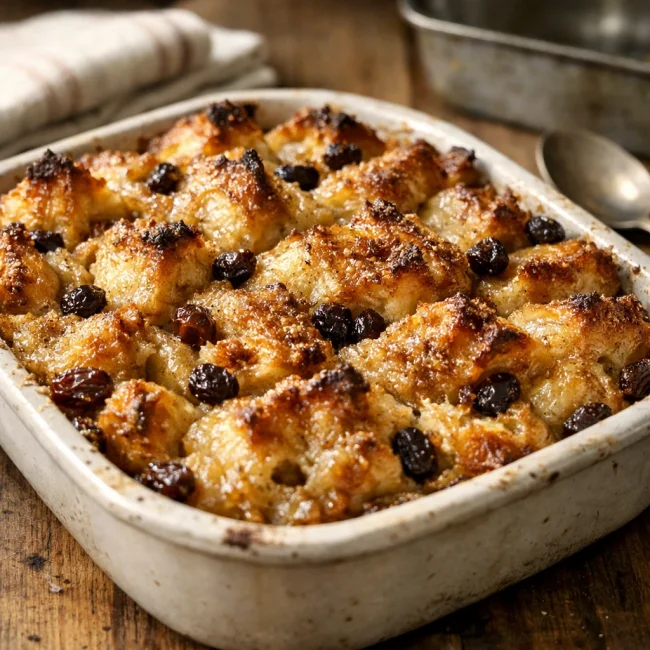
Old-Fashioned Bread Pudding
Discover the classic charm of Old-Fashioned Bread Pudding - a timeless dessert com...
View Recipe
Classic Green Beans
Discover the timeless delight of Classic Green Beans, a simple yet flavorful side ...
View Recipe
Traditional Crisp Coleslaw
A classic coleslaw recipe featuring finely shredded cabbage and carrots tossed in ...
View Recipe
Traditional Italian Bruschetta
Experience the authentic taste of Italian bruschetta, a perfect blend of fresh tom...
View RecipeFrequently Asked Questions
- Can I use active dry yeast instead of instant yeast?
- Yes, but you'll need to proof it first in warm water until bubbly.
- What if I don't have a Dutch oven?
- A heavy pot with a lid or a baking stone with a metal pan for steaming can work.
Serving Ideas for The Artisan Loaf
This artisan loaf pairs wonderfully with a hearty soup or stew, making it perfect for cozy dinners. It’s also excellent for sandwiches, especially when toasted. Try it with a drizzle of olive oil and a sprinkle of sea salt for a simple, yet delicious snack.
More Breads & Baked Goods Recipes

Traditional Italian Easter Bread
Savor the delightful taste of a classic Italian Easter bread, a sweet, soft, and s...
View Recipe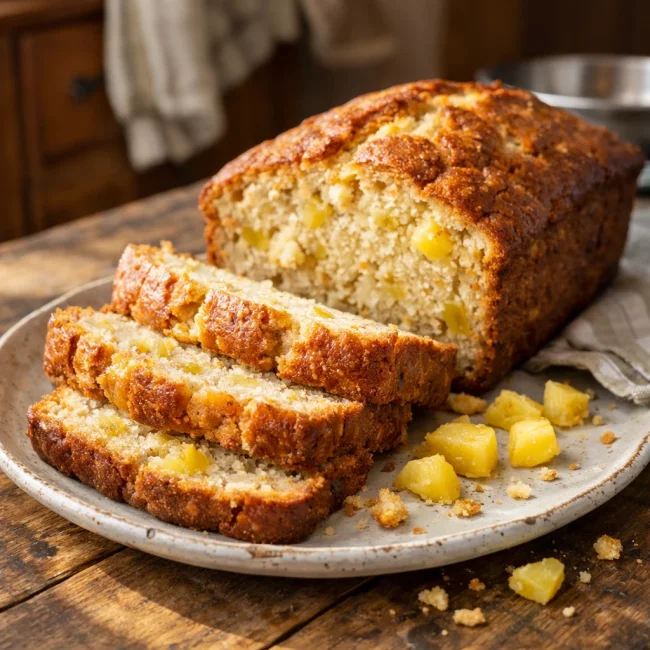
Old-Fashioned Pineapple Bread
A delightful and flavorful bread infused with juicy pineapple, perfect for breakfa...
View Recipe
Old-Fashioned Blueberry Muffins
Transport yourself to simpler times with these delightful old-fashioned blueberry ...
View Recipe
Strawberry Basil Scones
These tender scones combine the sweetness of fresh strawberries with a hint of pep...
View Recipe