
Tender Heritage Spare Ribs
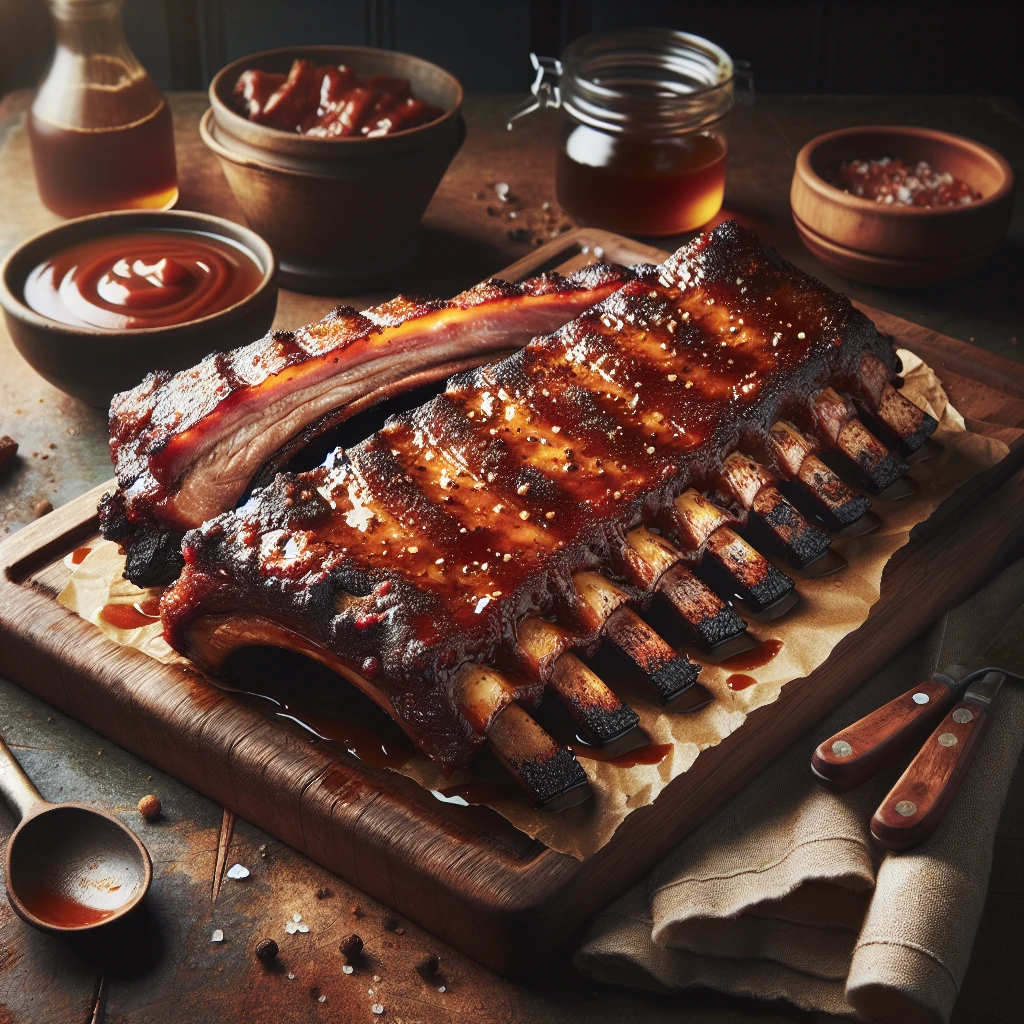
If you're looking to make ribs that fall off the bone and melt in your mouth, you're in the right place. This recipe for Tender Heritage Spare Ribs combines a rich blend of spices with a slow-cooking method that guarantees tenderness and flavor in every bite.
 Share
Share
This post may contain affiliate links. As an Amazon Associate, we earn from qualifying purchases.
Ingredients for Tender Heritage Spare Ribs
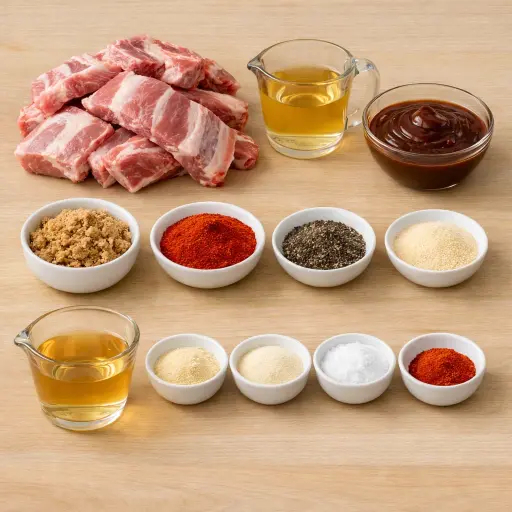
Pork spare ribs are the star of this dish, providing a rich, meaty flavor that's perfectly complemented by the spices. Brown sugar adds a touch of sweetness that caramelizes beautifully in the oven. Paprika brings a smoky depth to the rub, while black pepper adds a bit of spice. Garlic powder and onion powder deliver savory notes that enhance the meat's natural flavors. A touch of salt is essential for seasoning. Finally, a dash of cayenne pepper gives just a hint of heat, perfect for those who like a little kick. Apple cider vinegar is used to tenderize the meat and add a tangy contrast, while your favorite barbecue sauce finishes the dish with a sticky, flavorful glaze.
Why This Tender Heritage Spare Ribs Works
In the oven, the low heat and long time let the ribs slowly relax. The tough parts in the meat start to break down over those 2.5 hours, so the ribs loosen from the bone instead of staying chewy. Foil on top traps steam around the ribs, so the meat stays moist instead of drying out. All that time, the brown sugar and spices sit on the surface and sink into the meat, so the seasoning isn’t just on the outside.
After the foil comes off, the apple cider vinegar soaks into the warm ribs and loosens any dry spots on the surface. It also thins the spice crust a bit so it doesn’t feel thick or sandy. During the last short bake with barbecue sauce, the sauce sticks to that softened crust and tightens up into a shiny coating. While the ribs rest at the end, the hot juices settle back into the meat, so they don’t all run out when the rack is sliced.
Tender Heritage Spare Ribs Tips & Tricks
- Remove the membrane from the ribs with a paper towel for a better grip.
- Use a basting brush to evenly distribute the vinegar and barbecue sauce.
- For extra smoky flavor, consider adding a few drops of liquid smoke to the barbecue sauce.
- Letting the ribs rest makes a big difference—don't skip this step!
Mistakes To Avoid
Leaving the membrane on the back of the ribs keeps the seasoning from soaking in and tightens up as it cooks. The ribs end up with a chewy, papery layer that’s hard to bite through, and the meat near the bone can feel tougher instead of pulling away easily.
Cranking the oven hotter than 300°F to “speed things up” causes the outside of the ribs to dry and harden before the inner fat and connective tissue have time to soften. The result is meat that looks done and browned but stays tight on the bone and feels dry and stringy.
Skipping the foil cover during the long bake lets too much moisture escape. Instead of slowly steaming in their own juices, the ribs lose liquid into the pan, so the meat shrinks, the surface gets tough, and the bones can look dry and exposed.
Brushing on the barbecue sauce too early in the bake makes the sugars in the sauce cook for too long. The sauce can burn onto the ribs in dark, bitter patches while the meat underneath still hasn’t finished tenderizing.
Equipment Used:
Ingredients
- 4 lbs pork spare ribs
- 1/2 cup brown sugar
- 1/4 cup paprika
- 1 tbsp black pepper
- 1 tbsp garlic powder
- 1 tbsp onion powder
- 1 tbsp salt
- 1/2 tsp cayenne pepper
- 1 cup apple cider vinegar
- 1 cup barbecue sauce
Step-by-step Instructions
- 1. Preheat your oven to 300°F.
- 2. Remove the membrane from the back of the ribs.
- 3. In a bowl, mix brown sugar, paprika, black pepper, garlic powder, onion powder, salt, and cayenne pepper.
- 4. Rub the spice mix generously over both sides of the ribs.
- 5. Place the ribs on a baking sheet lined with aluminum foil.
- 6. Cover the ribs with another piece of foil and bake for 2.5 hours.
- 7. Remove the top foil, brush the ribs with apple cider vinegar.
- 8. Return to the oven for another 30 minutes.
- 9. Brush the ribs with barbecue sauce and bake for an additional 15 minutes.
- 10. Let the ribs rest for 10 minutes before slicing and serving.
Trending Now
Golden Fried Yellow Squash
Experience the delightful taste of golden fried yellow squash, a quintessential So...
View Recipe
Homemade Apple Pie
Classic homemade apple pie with a buttery crust and cinnamon-spiced filling, perfe...
View Recipe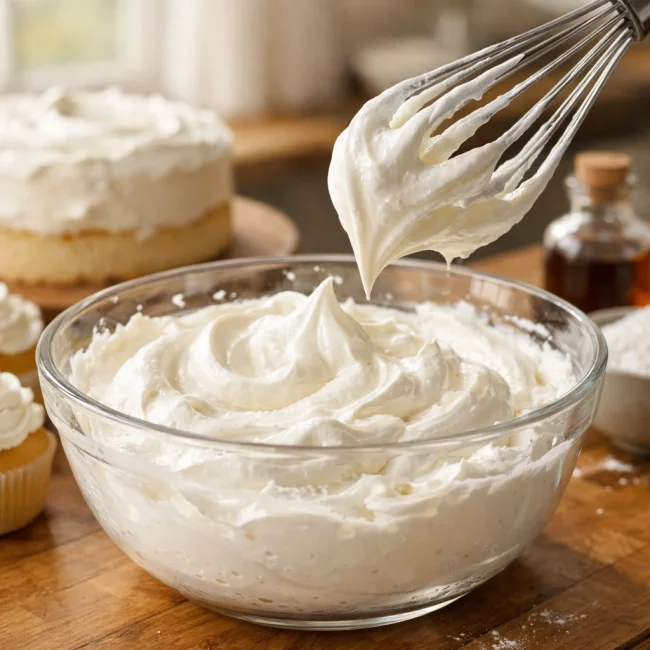
Traditional Whipped Cream Frosting
A rich and creamy whipped cream frosting perfect for topping cakes, cupcakes, and ...
View Recipe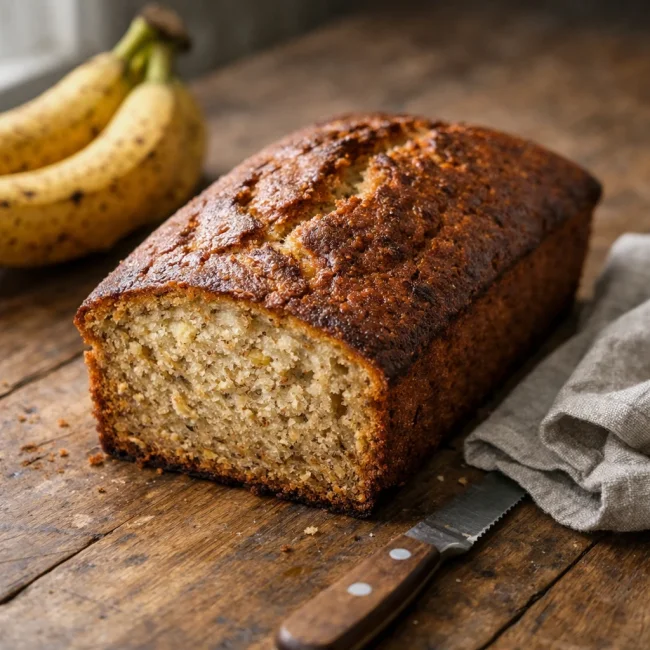
Moist Banana Loaf
Discover the timeless charm of our Moist Banana Loaf, a luscious and tender treat ...
View RecipeFrequently Asked Questions
- Can I use baby back ribs instead of spare ribs?
- Yes, but keep in mind that baby back ribs may cook a bit faster, so check them sooner.
- What if I don't have apple cider vinegar?
- You can substitute with white vinegar or even lemon juice, though the flavor will be slightly different.
- Can these ribs be cooked on a grill?
- Yes, you can finish them on a grill for a smoky flavor; just be sure to monitor closely to prevent burning.
Serving Ideas for Tender Heritage Spare Ribs
Pair these ribs with classic sides like coleslaw, cornbread, or baked beans for a complete meal. A fresh, tangy salad with vinaigrette can also balance the richness of the ribs. For a refreshing drink, iced tea or a light beer complements the flavors nicely.
More Grilling & BBQ Recipes
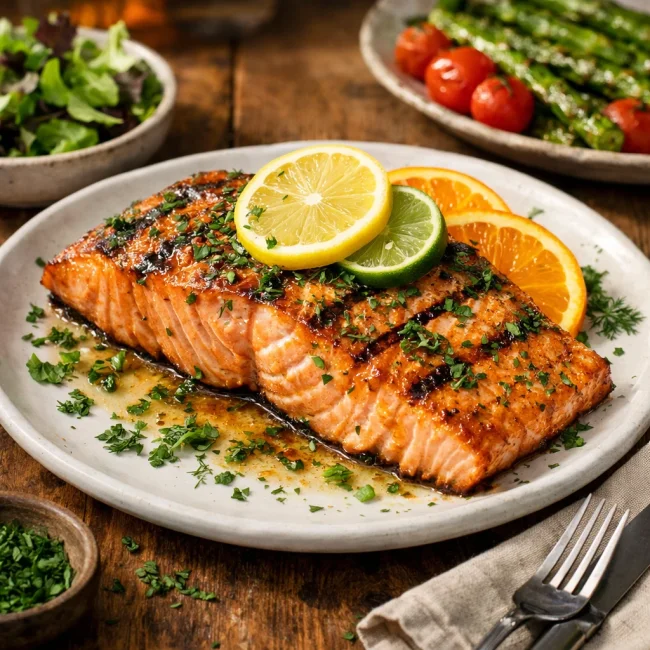
Citrus Herb Grilled Salmon
Discover the burst of flavors in our Citrus Herb Grilled Salmon recipe. This delig...
View Recipe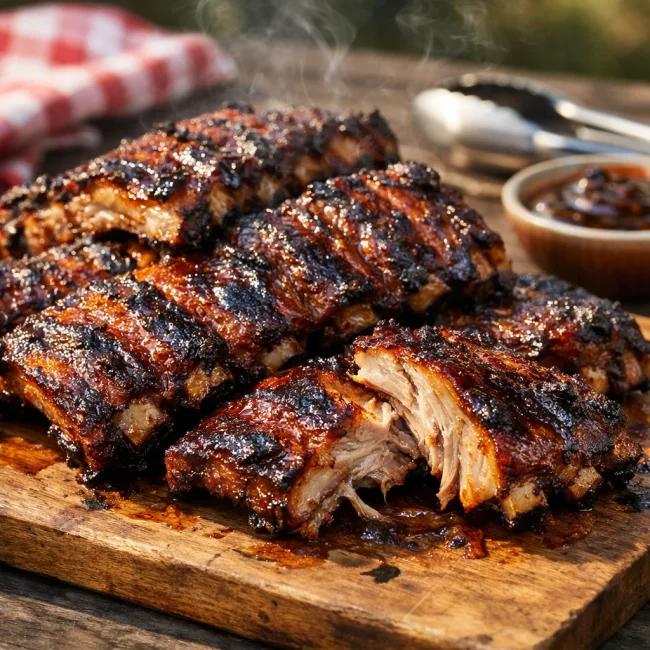
Smoky Maple Bourbon Baby Back Ribs
Savor the taste of summer with our Smoky Maple Bourbon Baby Back Ribs recipe, infu...
View Recipe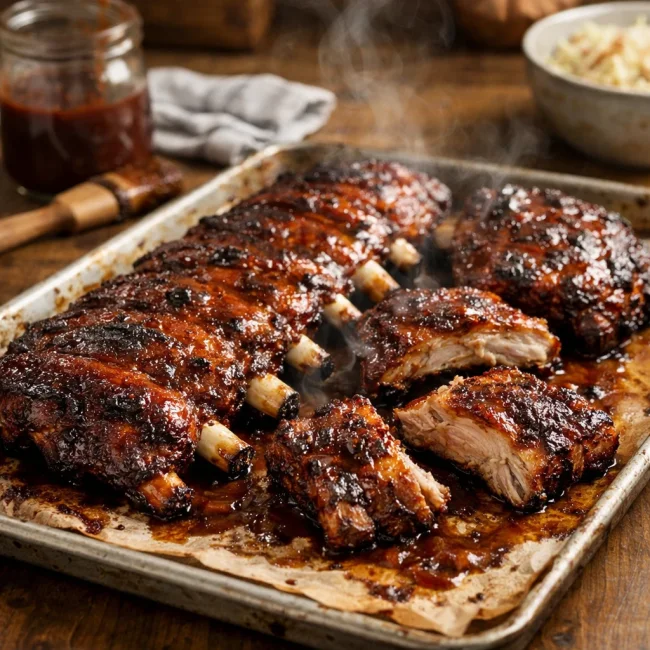
Oven-Baked BBQ Ribs
Enjoy tender ribs with a smoky BBQ sauce, slow-cooked in the oven for that fall-of...
View Recipe
Cilantro Mint Chimichurri
A zesty variation of the classic chimichurri, featuring vibrant cilantro and refre...
View Recipe