
Sunflower Seed Sourdough
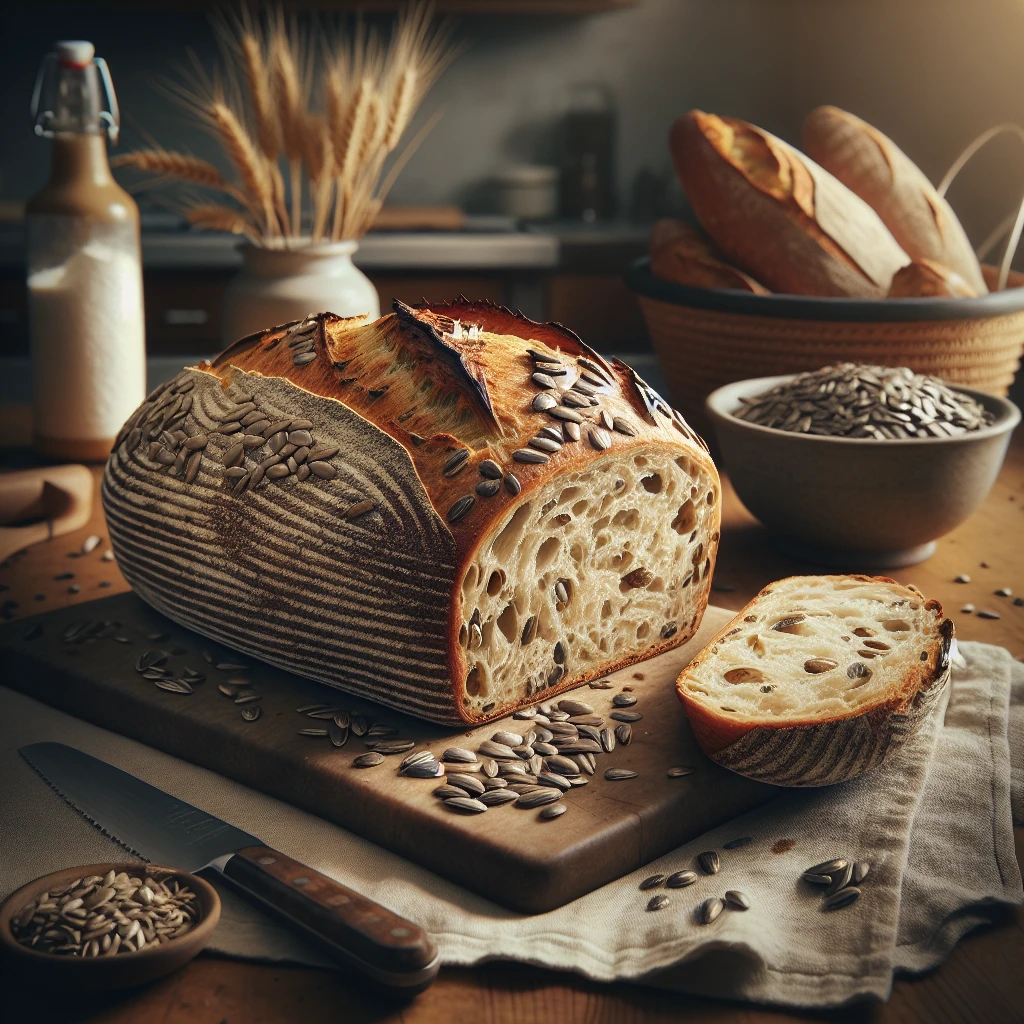
If you're a fan of sourdough with a bit of crunch, you're in for a treat! This Sunflower Seed Sourdough recipe combines the tangy flavors of traditional sourdough with the nutty goodness of sunflower seeds, resulting in a loaf that's both hearty and satisfying.
 Share
Share
This post may contain affiliate links. As an Amazon Associate, we earn from qualifying purchases.
Ingredients for Sunflower Seed Sourdough
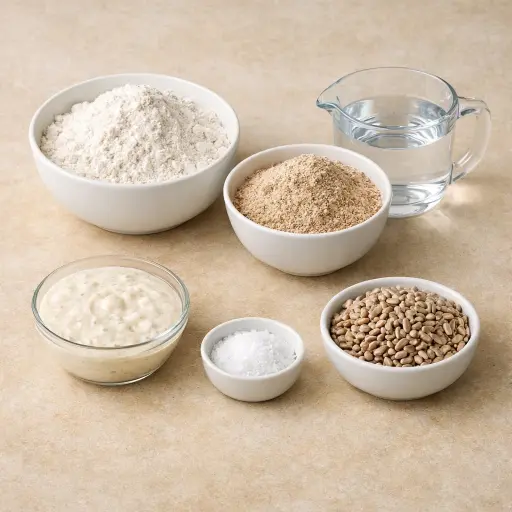
Bread flour is the main structure of our dough, providing the necessary gluten for a good rise. Whole wheat flour adds depth of flavor and aids in fermentation. Water hydrates the flour, beginning the dough formation. Our trusty sourdough starter is the heart of this recipe, providing the tangy flavor and natural leavening. Kosher salt enhances the flavors and strengthens the dough structure. Lastly, unsalted sunflower seeds add a delightful crunch and nutty taste to each bite.
Why This Sunflower Seed Sourdough Works
At the start, the flour and water sit together without the starter so the flour can drink up the water. During that rest, the dough loosens and the gluten starts to form on its own, so later it stretches more easily instead of tearing. Once the sourdough starter and salt go in, kneading and all those stretch-and-folds line up the gluten. Over a few hours, the dough becomes strong and stretchy, so it can trap the gas from the starter.
As the dough rises, the sunflower seeds spread through it and press into the gluten net. They stay suspended instead of sinking because the dough is already strong and elastic. Overnight in the fridge, the dough keeps rising slowly and the gluten relaxes a bit, so it’s easier to shape and it holds its round shape in the banneton.
In the hot Dutch oven, the covered bake keeps steam around the dough. That steam lets the loaf grow fast before the crust sets. By the time the lid comes off, the inside has puffed and set, and then the uncovered time dries and browns the crust while the seeds toast. Cooling on the rack lets the inside finish setting so the slices don’t squash.
Sunflower Seed Sourdough Tips & Tricks
- Don't skip the autolyse step; it really makes a difference in dough handling.
- If your kitchen is warm, keep an eye on the dough fermentation time; it might rise faster.
- Use a sharp blade for scoring the dough to allow for proper expansion.
Mistakes To Avoid
Adding the sourdough starter and salt before the first 30-minute rest stops the flour from soaking up water properly, so the dough stays tight and stiff. During rising it won’t stretch much, and in the oven the loaf tends to stay low and dense instead of opening up.
Skipping or rushing the stretch-and-folds during the 4-hour rise leaves the gluten weak while the dough gets gassy. The dough then spreads out like a pancake instead of holding a tall shape, and the baked bread comes out flat with a tight, uneven crumb.
Folding in whole sunflower seeds too roughly can tear the gluten that just started forming. The dough ends up with weak spots where the seeds clump, so the loaf can split oddly in the oven and have big holes around seed pockets and gummy patches elsewhere.
Putting the shaped dough in a banneton that isn’t floured well enough makes it stick when it is turned out. Parts of the surface rip off, so the loaf loses its tension, spreads more in the Dutch oven, and bakes with a rough, torn crust.
Equipment Used:
Ingredients
- 4 cups bread flour
- 1 cup whole wheat flour
- 2 cups water
- 1 cup sourdough starter
- 1 tablespoon kosher salt
- 1 cup unsalted sunflower seeds
Step-by-step Instructions
- 1. Combine bread flour, whole wheat flour, and water in a large bowl. Mix until a rough dough forms.
- 2. Let the dough rest for 30 minutes, then add the sourdough starter and salt. Knead until well incorporated.
- 3. Fold in the sunflower seeds until evenly distributed throughout the dough.
- 4. Allow the dough to rise at room temperature for 4 hours, performing a series of stretch and folds every 30 minutes.
- 5. Shape the dough into a boule and place it in a well-floured banneton. Cover and refrigerate overnight.
- 6. Preheat your oven to 450°F (232°C) and place a Dutch oven inside to heat.
- 7. Transfer the dough onto parchment paper and score the top.
- 8. Carefully place the dough with the parchment paper into the hot Dutch oven, cover, and bake for 20 minutes.
- 9. Remove the lid and bake for an additional 25 minutes until golden brown.
- 10. Cool the bread on a wire rack before slicing.
Trending Now

Oven-Baked Pork Chops
Enjoy a delightful dinner with these tender and juicy oven-baked pork chops, seaso...
View Recipe
Traditional Corn Casserole
A delightful corn casserole dish that embodies the comforting flavors of sweet cor...
View Recipe
Traditional Cucumber and Tomato Salad
A refreshing and simple salad combining crisp cucumbers and juicy tomatoes, season...
View Recipe
Savory Zucchini Bread
Savory Zucchini Bread is a delectable twist on traditional zucchini recipes, combi...
View RecipeFrequently Asked Questions
- Can I use salted sunflower seeds?
- It's best to use unsalted seeds to control the salt level in your bread.
- What if I don't have a banneton?
- You can use a bowl lined with a clean, floured kitchen towel as a substitute.
Serving Ideas for Sunflower Seed Sourdough
This bread makes a fantastic base for avocado toast topped with a sprinkle of chili flakes. It's also perfect for sandwiches, pairing well with cheeses or a simple spread of butter and honey.
More Breads & Baked Goods Recipes

Traditional Italian Easter Bread
Savor the delightful taste of a classic Italian Easter bread, a sweet, soft, and s...
View Recipe
Old-Fashioned Pineapple Bread
A delightful and flavorful bread infused with juicy pineapple, perfect for breakfa...
View Recipe
Old-Fashioned Blueberry Muffins
Transport yourself to simpler times with these delightful old-fashioned blueberry ...
View Recipe
Strawberry Basil Scones
These tender scones combine the sweetness of fresh strawberries with a hint of pep...
View Recipe