
Spring Pea and Asparagus Risotto
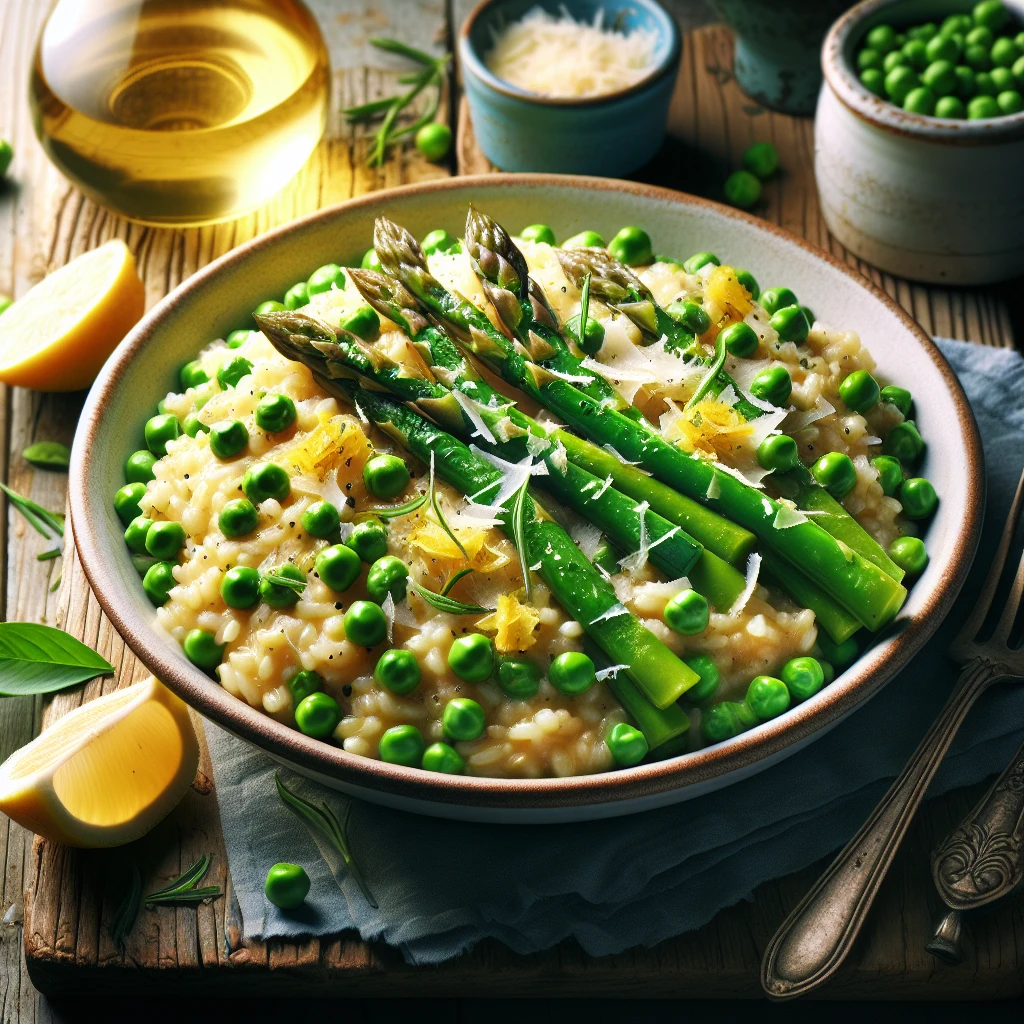
Spring Pea and Asparagus Risotto is a delightful ode to the fresh bounty of spring, bringing vibrant flavors and a creamy texture to your table. This dish combines tender asparagus and sweet peas with the comforting warmth of risotto, creating a dish that’s both elegant and approachable.
 Share
Share
This post may contain affiliate links. As an Amazon Associate, we earn from qualifying purchases.
Ingredients for Spring Pea and Asparagus Risotto
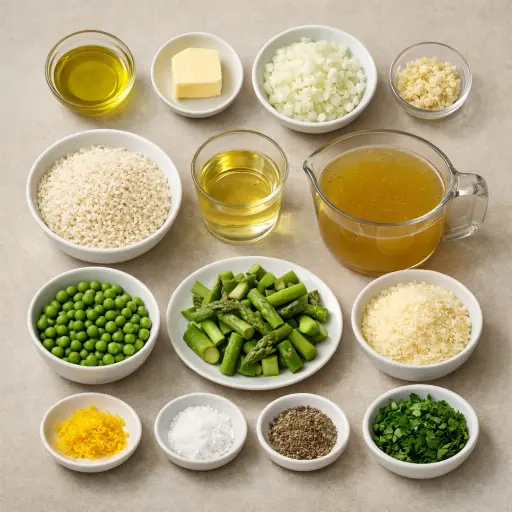
The foundation of our risotto starts with a bit of olive oil and unsalted butter, which create a rich base for sautéing the onion and garlic. These aromatics set the stage for the dish's flavor. The arborio rice, known for its high starch content, is essential for that classic risotto creaminess.
A splash of dry white wine adds a subtle acidity that balances the richness of the dish. Using warmed vegetable broth ensures that the rice cooks evenly without cooling down the pan each time you add more liquid. The fresh peas and asparagus bring a pop of color and a sweet, earthy flavor, making the dish feel like a celebration of spring.
Finishing with Parmesan, lemon zest, and a touch of salt and pepper creates a symphony of flavors, while fresh parsley provides a final burst of freshness.
Why This Spring Pea and Asparagus Risotto Works
As the onion and garlic cook in the oil and butter, they soften and lose their sharp bite. They start to taste sweeter and melt into the fat, so every grain of rice gets coated when the arborio goes in. Once the rice is stirred around in that hot pan, the outside of each grain warms up and loosens. That outer starch is what later makes the risotto creamy.
After the wine goes in and cooks off, the warm broth is added slowly. With each ladle, the rice soaks in liquid, then gives up more starch as it’s stirred. Over time, the pan fills with a thick, silky liquid instead of loose broth. The rice stays tender in the center but soft on the outside, so it feels creamy without needing a lot of extra fat.
Near the end, the peas and asparagus only need a few minutes, so they stay bright and a little crisp. Off the heat, Parmesan and lemon zest melt and spread through the hot rice, tightening the texture just enough and giving the whole pot a smooth, rich finish.
Spring Pea and Asparagus Risotto Tips & Tricks
- Use a good-quality dry white wine for the best flavor. If you don't have wine, more broth will work, but you’ll lose that touch of acidity.
- Keep the broth warm in a separate pot on the stove. This helps maintain the temperature of the risotto as it cooks.
- Stirring frequently is key to releasing the starches from the rice, which is what makes risotto creamy.
Mistakes To Avoid
Letting the broth go in too fast turns the risotto into plain boiled rice. The grains sit in a puddle of liquid instead of slowly soaking it up, so the starch doesn’t come out evenly. The final dish ends up loose and soupy in the pan but oddly firm and not creamy on the plate.
Cooking the risotto on high heat the whole time often makes the bottom catch and stick while the rice in the middle stays hard. The liquid boils off too quickly, so the rice softens on the outside but keeps a chalky center. The result is a mix of scorched bits and undercooked grains.
Adding the peas and asparagus at the very start causes them to break down by the time the rice is ready. The vegetables lose their snap and turn dull and mushy in the creamy rice. Instead of bright pieces that stand out, they blend into the risotto and feel overcooked.
Letting the risotto sit on the heat after the Parmesan goes in makes it seize up. The cheese tightens and the rice keeps soaking liquid, so it goes from silky to thick and heavy. On the plate it sets in a clump instead of slowly spreading.
Equipment Used:
Ingredients
- 1 tablespoon olive oil
- 1 tablespoon unsalted butter
- 1 small onion, finely chopped
- 2 cloves garlic, minced
- 1 cup arborio rice
- 1/2 cup dry white wine
- 4 cups vegetable broth, warmed
- 1 cup fresh peas
- 1 bunch asparagus, trimmed and cut into 1-inch pieces
- 1/2 cup grated Parmesan
- 1 tablespoon lemon zest
- Salt and pepper to taste
- Fresh parsley, chopped, for garnish
Step-by-step Instructions
- 1. Heat the olive oil and butter in a large pan over medium heat. Add the onion and garlic, and sauté until the onion is translucent.
- 2. Stir in the arborio rice, coating it well with the onion mixture. Cook for about 2 minutes.
- 3. Pour in the white wine and cook until it's mostly evaporated.
- 4. Gradually add the warm vegetable broth, one ladle at a time, stirring frequently until absorbed before adding more. Continue this process for about 18 minutes, until the rice is creamy and tender.
- 5. Stir in the peas and asparagus and cook for an additional 5 minutes.
- 6. Remove from heat and stir in Parmesan, lemon zest, salt, and pepper.
- 7. Garnish with fresh parsley before serving.
Trending Now
Classic Banana Bread
Classic Banana Bread is a timeless dessert beloved for its moist texture and sweet...
View Recipe
Classic Cucumber Salad
A refreshing and light cucumber salad featuring crisp cucumbers and a tangy vinaig...
View Recipe
Zesty Summer Squash Casserole
This delightful summer squash casserole combines vibrant garden-fresh vegetables w...
View Recipe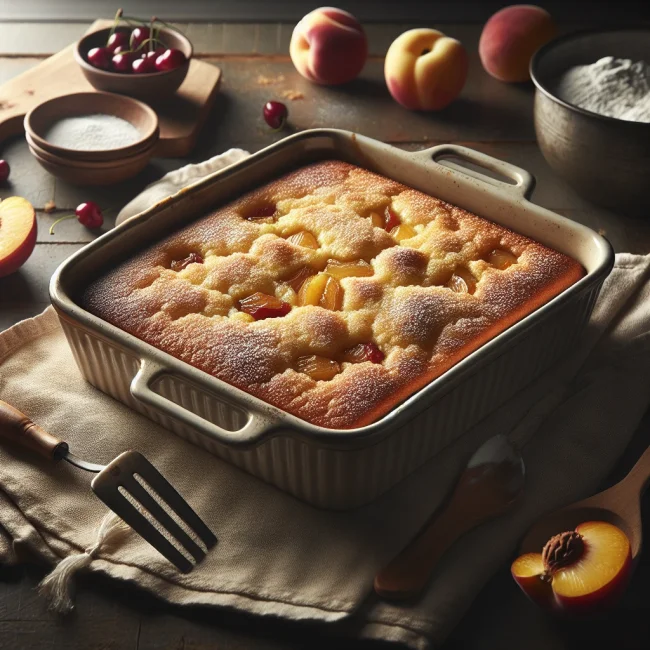
Traditional Dump Cake
Discover the timeless delight of the Traditional Dump Cake, a simple and scrumptio...
View RecipeFrequently Asked Questions
- Can I use frozen peas instead of fresh?
- Yes, frozen peas work well. Just add them during the last few minutes of cooking.
- What if I don’t have arborio rice?
- While arborio is ideal, you can use other short-grain rice, such as carnaroli or vialone nano, to achieve similar results.
Serving Ideas for Spring Pea and Asparagus Risotto
This risotto pairs beautifully with a simple green salad dressed with lemon vinaigrette, or try serving it alongside a roasted chicken for a more substantial meal. A crisp, chilled glass of Sauvignon Blanc complements the flavors nicely.
More Main Dishes Recipes
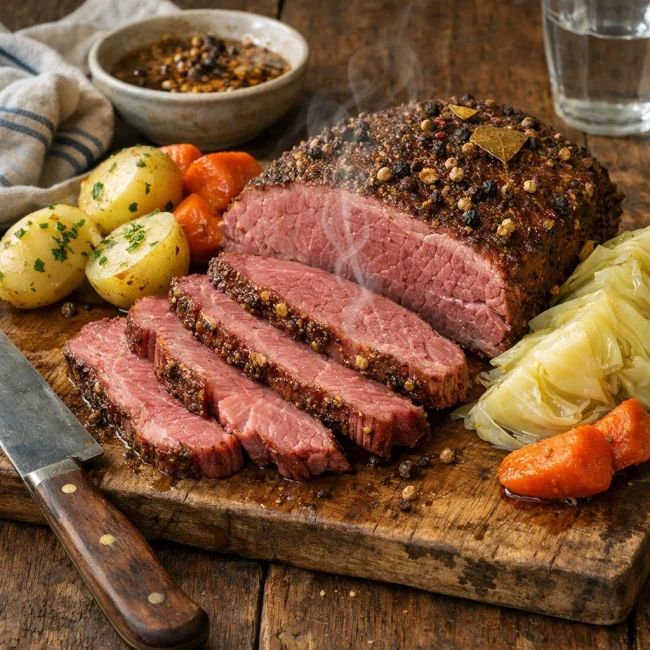
Unique Homemade Corned Beef
Discover the ultimate homemade corned beef recipe that balances rich flavors and t...
View Recipe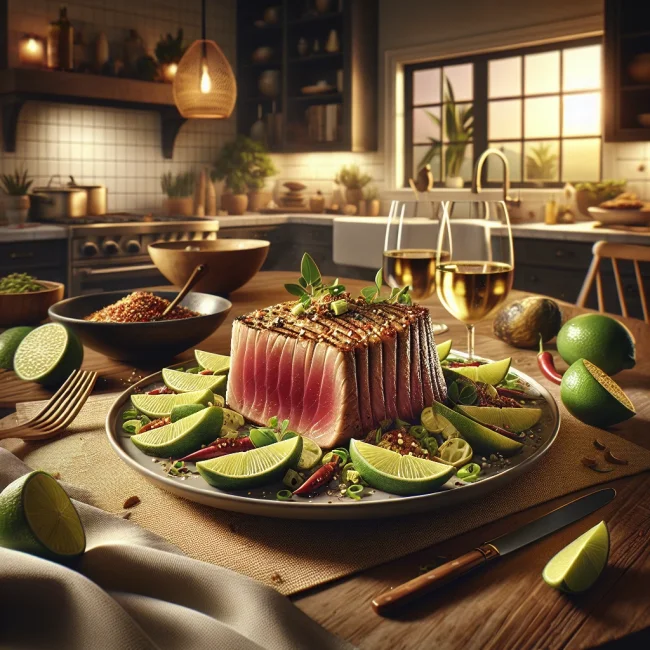
Spicy Lime Seared Ahi Tuna
Experience a burst of flavor with our Spicy Lime Seared Ahi Tuna, a perfect fusion...
View Recipe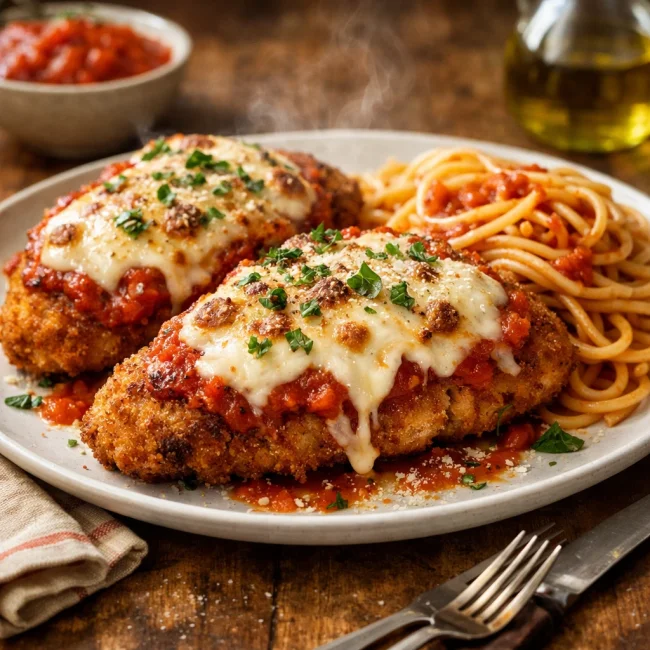
Traditional Chicken Parmesan
Savor the authentic taste of Italian cuisine with our Traditional Chicken Parmesan...
View Recipe
Seared Ahi Tuna
Experience the sublime taste of seared Ahi tuna, a Japanese-inspired dish that hig...
View Recipe