
Spinach and Ricotta Cannelloni
Spinach and Ricotta Cannelloni is a comforting classic that’s perfect for any occasion. With its creamy ricotta filling and rich marinara sauce, this dish is both satisfying and straightforward to make. Let’s dive into this cozy Italian favorite!
 Share
Share

This post may contain affiliate links. As an Amazon Associate, we earn from qualifying purchases.
Ingredients for Spinach and Ricotta Cannelloni
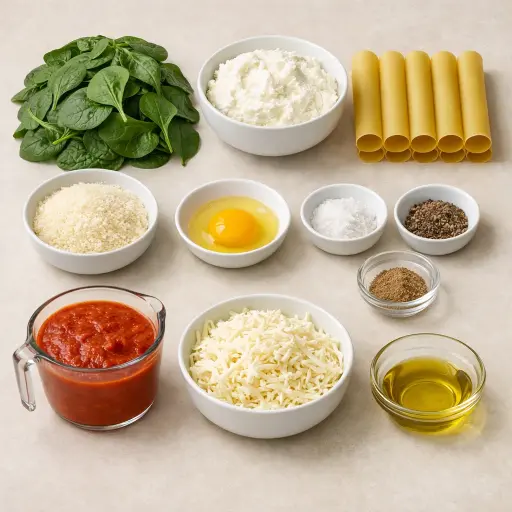
Spinach is the star green here, bringing a fresh, earthy flavor to the filling. Cooking it down helps concentrate its taste and makes it easier to mix into the ricotta.
Ricotta cheese provides a creamy and mild base for the filling, which pairs perfectly with the spinach.
Parmesan cheese adds a nutty, salty kick, enhancing the overall flavor profile.
The egg acts as a binder, holding the filling together so it can be neatly piped into the cannelloni tubes.
Nutmeg is a subtle addition that elevates the filling with its warm spice, complementing the cheeses beautifully.
Salt and pepper are essential for seasoning, letting the flavors of the filling shine through.
Cannelloni tubes are the vessel for our delicious filling, becoming tender and flavorful as they bake.
Marinara sauce brings moisture and a rich tomato flavor, tying the whole dish together.
Mozzarella cheese, when melted, creates a gooey, irresistible top layer.
Finally, olive oil is used to sauté the spinach, adding a subtle richness.
Why This Spinach and Ricotta Cannelloni Works
In the pan, the spinach wilts down and loses a lot of its water. Once it cools and goes into the ricotta, that extra moisture is already gone, so the filling stays thick instead of turning runny in the oven. The egg and Parmesan mix through the ricotta and spinach and, as they bake, they firm up a bit. That keeps the filling packed inside each cannelloni tube instead of oozing out everywhere.
In the baking dish, the marinara sauce around the pasta is important. While everything bakes, the dry cannelloni tubes slowly soak up some of that sauce. The pasta softens from the outside in, so it ends up tender all the way through without boiling it first. Covered baking keeps the steam in, so the pasta and filling stay moist while they set. Once the foil comes off, the mozzarella on top melts, then starts to brown in spots, and the sauce thickens slightly around the edges. After a short rest, the filling settles, so the cannelloni slice cleanly and hold their shape.
Spinach and Ricotta Cannelloni Tips & Tricks
- For a smoother filling, finely chop the spinach after sautéing.
- To save time, use pre-washed baby spinach.
- Prevent sticking by lightly oiling the baking dish before adding sauce.
- If you don’t have a piping bag, use a ziplock bag with a corner snipped off.
Mistakes To Avoid
Overfilling the cannelloni tubes often leads to splitting and leaking. As the filling heats, it expands and pushes out of the pasta, so the tubes crack and the mixture spills into the sauce. The final dish ends up with broken rolls, empty pasta shells, and clumps of filling floating in the pan.
Putting hot spinach straight into the ricotta mixture causes the filling to loosen too much. The heat makes the ricotta release liquid and thins the mixture, so it becomes runny instead of thick. Inside the oven, this wetter filling seeps out of the tubes and leaves the centers less creamy and more hollow.
Leaving the cannelloni too dry—either by using very little sauce on the bottom or not fully covering the tubes on top—makes the pasta stay tough. The dry parts don’t get enough moisture to soften, so the edges turn hard and chewy. The finished bake ends up with crisp, almost brittle corners instead of tender pasta all the way through.
Skipping the foil or removing it too early often dries out the top layer. Without that cover, the cheese and exposed pasta lose moisture faster than the inside can heat through. The result is a browned top that can be hard and rubbery while the centers of the tubes are still a bit undercooked.
Equipment Used:
Ingredients
- 8 oz fresh spinach
- 15 oz ricotta cheese
- 1/2 cup grated Parmesan cheese
- 1 large egg
- 1/2 tsp nutmeg
- Salt to taste
- Pepper to taste
- 12 cannelloni tubes
- 2 cups marinara sauce
- 1 cup shredded mozzarella cheese
- 1 tbsp olive oil
Step-by-step Instructions
- 1. Preheat your oven to 375°F (190°C).
- 2. In a large skillet, heat olive oil over medium heat and sauté the spinach until wilted. Remove and let cool.
- 3. In a mixing bowl, combine ricotta, Parmesan, egg, nutmeg, salt, and pepper. Stir in the cooled spinach until well blended.
- 4. Fill each cannelloni tube with the spinach and ricotta mixture using a piping bag or small spoon.
- 5. Spread 1 cup of marinara sauce on the bottom of a baking dish. Arrange the filled cannelloni on top in a single layer.
- 6. Pour the remaining marinara sauce over the cannelloni and sprinkle with mozzarella cheese.
- 7. Cover the dish with foil and bake for 25 minutes, then remove foil and bake for another 15 minutes until cheese is golden and bubbly.
- 8. Let the dish cool for a few minutes before serving.
Trending Now
Oven-Baked Pork Chops
Enjoy a delightful dinner with these tender and juicy oven-baked pork chops, seaso...
View Recipe
Traditional Corn Casserole
A delightful corn casserole dish that embodies the comforting flavors of sweet cor...
View Recipe
Traditional Cucumber and Tomato Salad
A refreshing and simple salad combining crisp cucumbers and juicy tomatoes, season...
View Recipe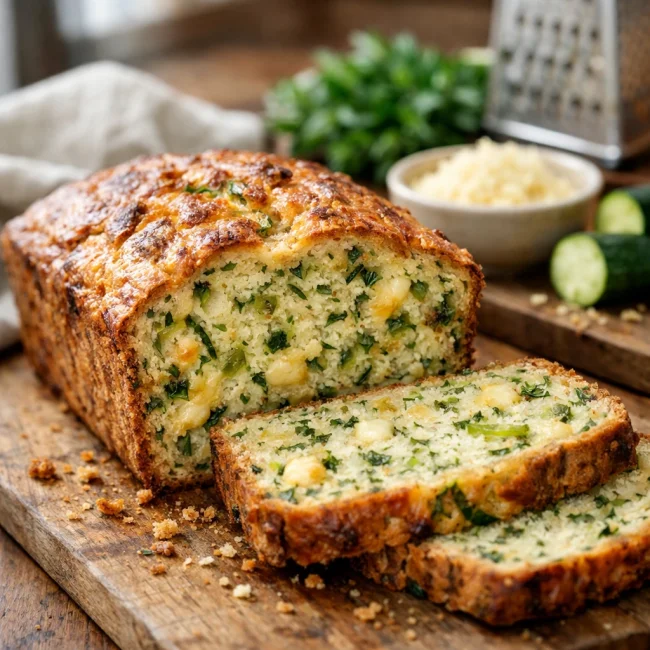
Savory Zucchini Bread
Savory Zucchini Bread is a delectable twist on traditional zucchini recipes, combi...
View RecipeFrequently Asked Questions
- Can I make this dish in advance?
- Yes, you can assemble it a day ahead and store it in the fridge. Just bake it when you’re ready to serve.
- Can I freeze leftovers?
- Absolutely! Wrap portions tightly and freeze for up to two months. Reheat in the oven until heated through.
- What if I don’t have cannelloni tubes?
- Use cooked lasagna sheets, roll the filling inside, and place seam-side down in the dish.
Serving Ideas for Spinach and Ricotta Cannelloni
Pair this Spinach and Ricotta Cannelloni with a crisp green salad and a slice of crusty garlic bread for a balanced meal. A glass of Chianti or another medium-bodied red wine complements the dish beautifully.
More Pasta Recipes
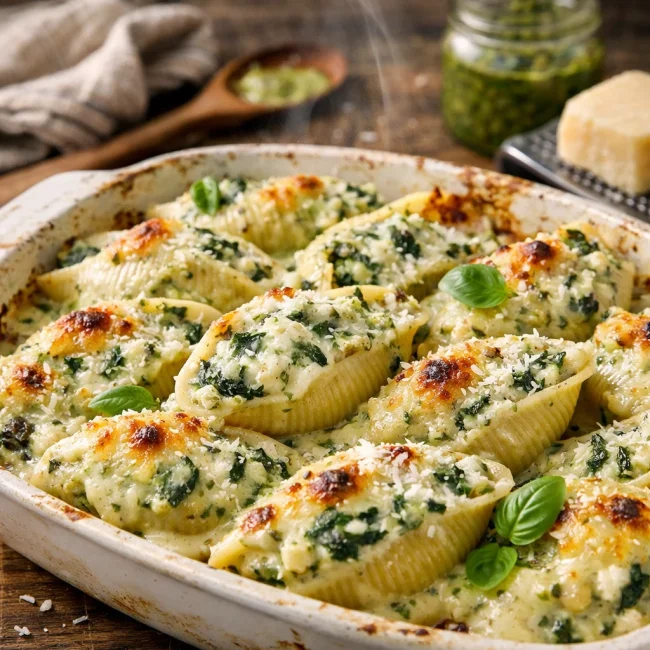
Spinach and Ricotta Stuffed Shells with Pesto Alfredo
Try this delicious twist on classic stuffed shells with a creamy pesto Alfredo sau...
View Recipe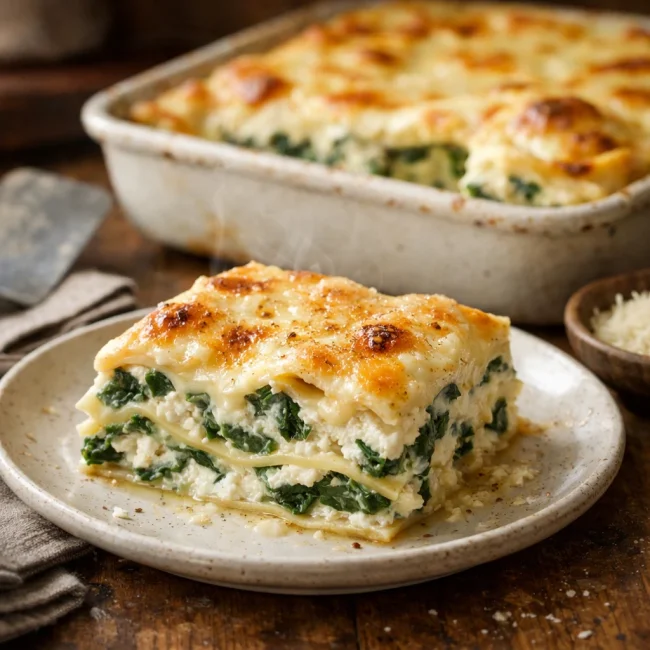
Spinach and Ricotta White Lasagna
A unique twist on the classic lasagna, this white lasagna combines creamy ricotta,...
View Recipe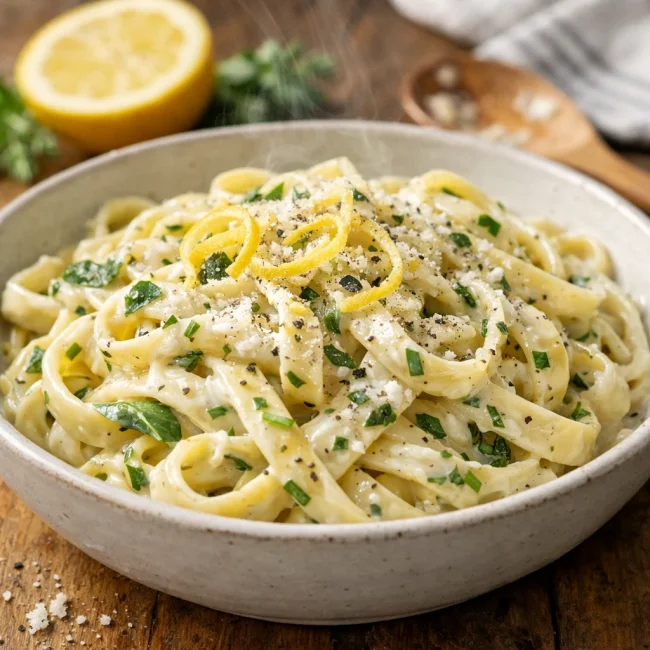
Lemon Herb Fettuccine Alfredo
Lemon Herb Fettuccine Alfredo is a refreshing twist on the classic dish, combining...
View Recipe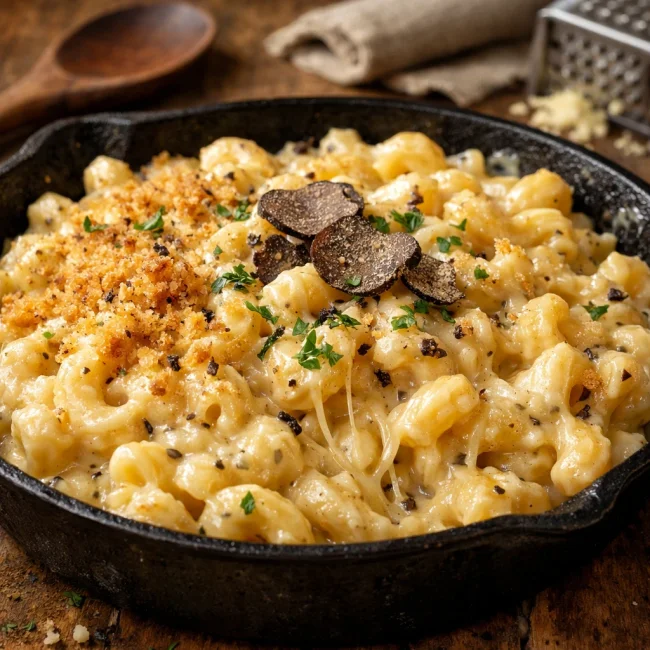
Truffle Mac and Cheese
Experience the ultimate comfort food with a gourmet twist in this Truffle Mac and ...
View Recipe