
Spicy Vegan Creole Gumbo
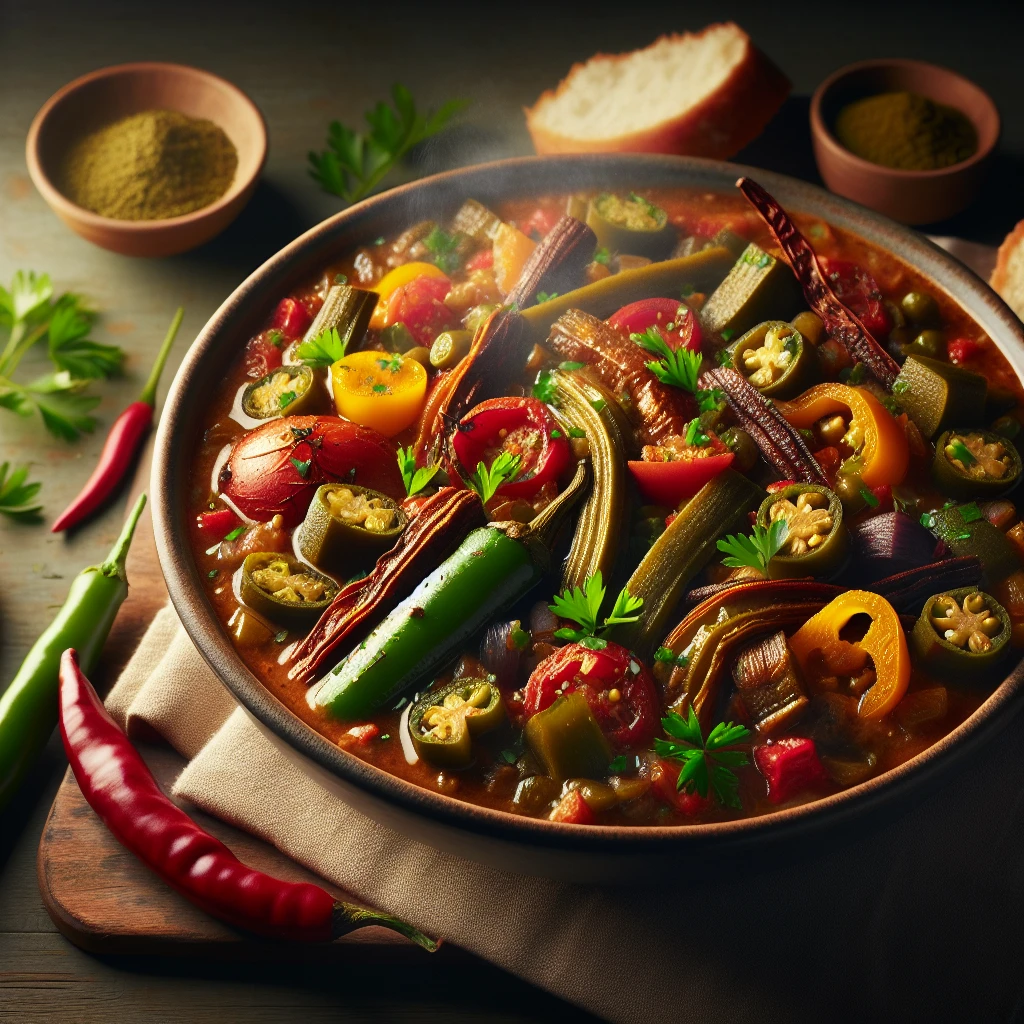
Experience the vibrant flavors of New Orleans with this Spicy Vegan Creole Gumbo. It's a hearty, plant-based version of the classic dish that promises to warm your soul while keeping your taste buds dancing. Perfect for a cozy night in or impressing guests with something a little different.
 Share
Share
This post may contain affiliate links. As an Amazon Associate, we earn from qualifying purchases.
Ingredients for Spicy Vegan Creole Gumbo
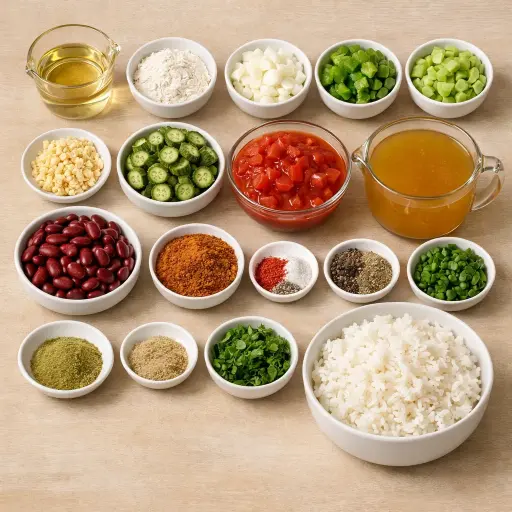
The foundation of any good gumbo is the roux. Here, we're using a simple mix of vegetable oil and all-purpose flour cooked to a rich, deep golden brown, which adds a nutty depth to the dish. The "Holy Trinity" of Creole cooking — onion, bell pepper, and celery — provides a flavor-packed base. Garlic and okra add aroma and texture, while diced tomatoes bring acidity and color. The vegetable broth ties everything together and keeps it vegan. For protein, we're adding red kidney beans, which also add a beautiful color contrast. The heart and soul of the dish, Creole seasoning and cayenne pepper, deliver that signature spicy kick. A sprinkle of salt and black pepper enhances all these flavors. Just before serving, green onions, parsley, and file powder are stirred in for freshness and a hint of earthiness. Serve it over cooked rice for a complete meal.
Why This Spicy Vegan Creole Gumbo Works
At the start, the oil and flour cook together into a roux. As it sits over medium heat and gets stirred, the flour browns and swells in the oil. By the time it is deep golden, that flour is ready to thicken everything that goes into the pot later, so the gumbo ends up full and hearty instead of watery.
Once the onion, bell pepper, and celery go in, they cook right in that hot roux. They soften and give off some liquid, and the roux grabs onto that liquid, so the base starts to feel thicker and smoother. When the okra is added, its natural starch slowly leaks out as it softens, and that adds even more body.
As the gumbo simmers with the tomatoes, broth, and beans, the flour and okra starch keep soaking up liquid. Over time the broth changes from thin to almost stew-like. By the end, the filé powder goes in and gently tightens the texture one last time, so the gumbo clings to the rice instead of running all over the plate.
Spicy Vegan Creole Gumbo Tips & Tricks
- For a richer roux, use a cast iron pot, which retains and distributes heat evenly.
- If you prefer a thicker gumbo, cook it longer to reduce the liquid to your desired consistency.
- Adjust the level of cayenne pepper to control the heat to your preference.
- For a gluten-free version, substitute the all-purpose flour with a gluten-free flour blend.
Mistakes To Avoid
Letting the roux cook too fast over high heat often scorches the flour before it browns evenly. The mixture turns spotty dark and smells sharp, and those burnt bits stay in the gumbo. The final pot tastes harsh and slightly gritty instead of smooth and toasty.
Adding the onion, pepper, and celery before the roux is dark enough leaves the base pale and weak. The vegetables start releasing water, which cools the pot and stops the browning. The gumbo ends up thinner and flatter, without that deep, rich body.
Throwing the okra in too late or not cooking it a bit in the pot can leave it firm and slimy. The slices don’t have time to soften and melt into the broth. The gumbo then has slippery chunks instead of a slightly thick, silky texture.
Letting the gumbo boil hard the whole time can make the beans split and the vegetables fall apart. The broth reduces too quickly and turns pasty instead of soupy. The finished bowl feels heavy and muddy instead of loose and spoonable.
Equipment Used:
Ingredients
- 1/4 cup vegetable oil
- 1/4 cup all-purpose flour
- 1 large onion, chopped
- 1 bell pepper, chopped
- 2 stalks celery, chopped
- 3 cloves garlic, minced
- 1 cup okra, sliced
- 1 can (14.5 oz) diced tomatoes
- 4 cups vegetable broth
- 1 can (15 oz) red kidney beans, drained and rinsed
- 2 tbsp Creole seasoning
- 1/4 tsp cayenne pepper
- Salt and black pepper to taste
- 2 green onions, chopped
- 1/4 cup fresh parsley, chopped
- 1 tsp file powder
- Cooked rice for serving
Step-by-step Instructions
- Step 1: In a large pot, heat vegetable oil over medium heat. Gradually whisk in flour, stirring constantly to make a roux, until it turns a deep golden brown, about 10 minutes.
- Step 2: Add onion, bell pepper, and celery to the roux; cook and stir for 5 minutes or until vegetables are softened.
- Step 3: Stir in garlic and okra, and cook for an additional 2 minutes.
- Step 4: Add diced tomatoes, vegetable broth, red kidney beans, Creole seasoning, cayenne pepper, salt, and black pepper. Bring to a simmer and let cook for 30 minutes, stirring occasionally.
- Step 5: Taste and adjust seasoning if necessary. Stir in green onions, parsley, and file powder. Cook for an additional 5 minutes.
- Step 6: Serve hot over cooked rice.
Trending Now
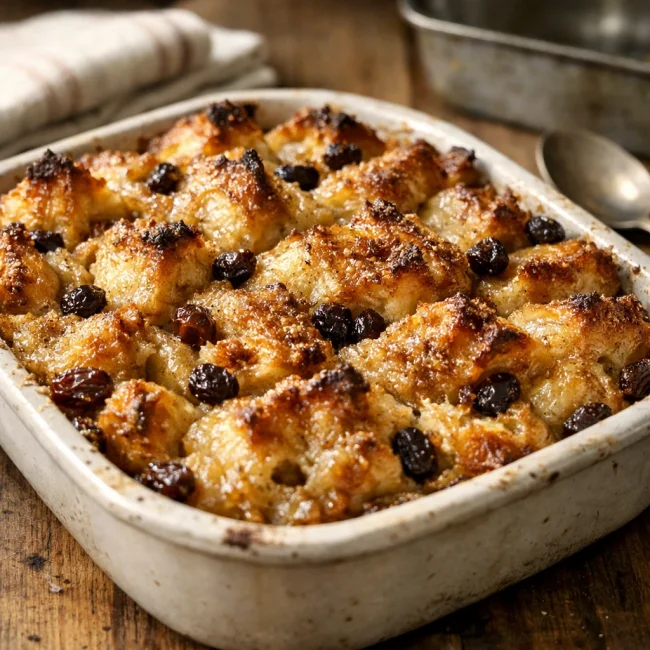
Old-Fashioned Bread Pudding
Discover the classic charm of Old-Fashioned Bread Pudding - a timeless dessert com...
View Recipe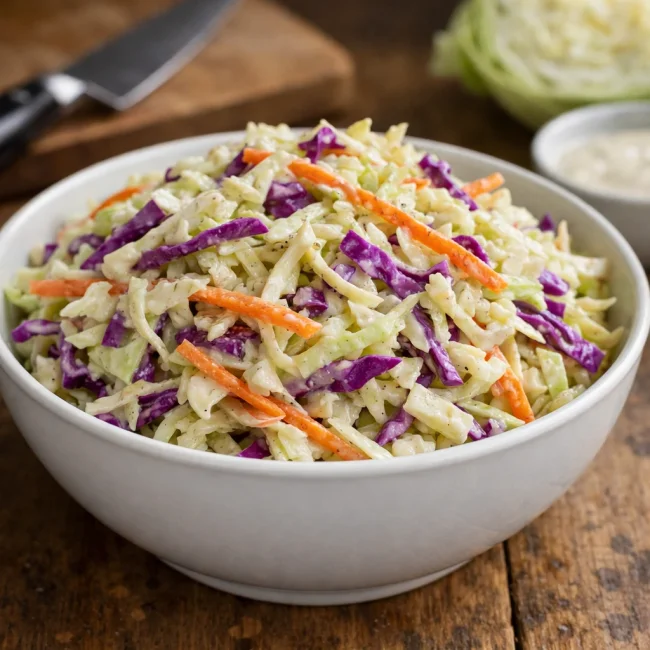
Traditional Crisp Coleslaw
A classic coleslaw recipe featuring finely shredded cabbage and carrots tossed in ...
View Recipe
Traditional Italian Bruschetta
Experience the authentic taste of Italian bruschetta, a perfect blend of fresh tom...
View Recipe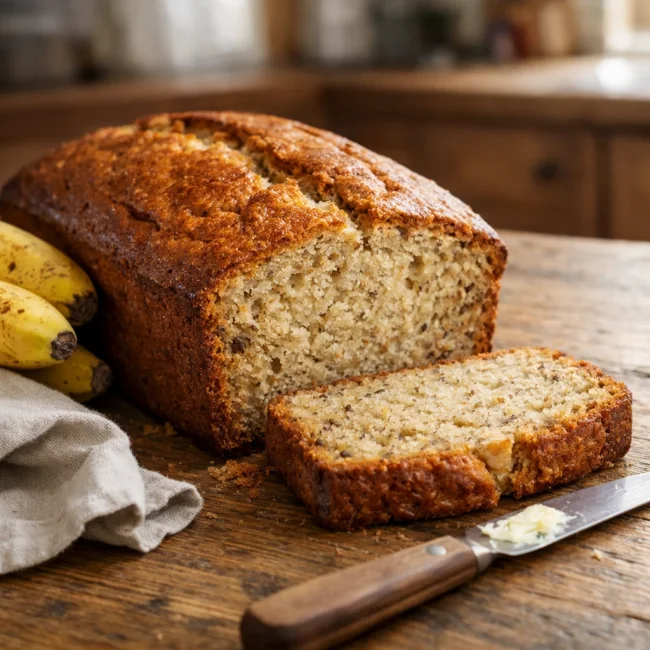
Classic Banana Bread
Classic Banana Bread is a timeless dessert beloved for its moist texture and sweet...
View RecipeFrequently Asked Questions
- Can I make this gumbo ahead of time?
- Yes, gumbo tastes even better the next day as the flavors have more time to meld.
- How do I store leftovers?
- Store in an airtight container in the refrigerator for up to 3 days, or freeze for up to 3 months.
- What can I use instead of okra?
- If you're not a fan of okra, you can use zucchini or leave it out entirely.
Serving Ideas for Spicy Vegan Creole Gumbo
This gumbo makes a complete meal on its own, but you can serve it with some crusty bread to soak up all the flavors. A simple side salad with a tangy vinaigrette pairs well to cut through the richness. If you’re feeling indulgent, a cold beer or a glass of iced tea would complete the Southern experience.
More Soups & Stews Recipes

Classic Clam Chowder
Indulge in a timeless seaside staple with our Classic Clam Chowder recipe, a rich ...
View Recipe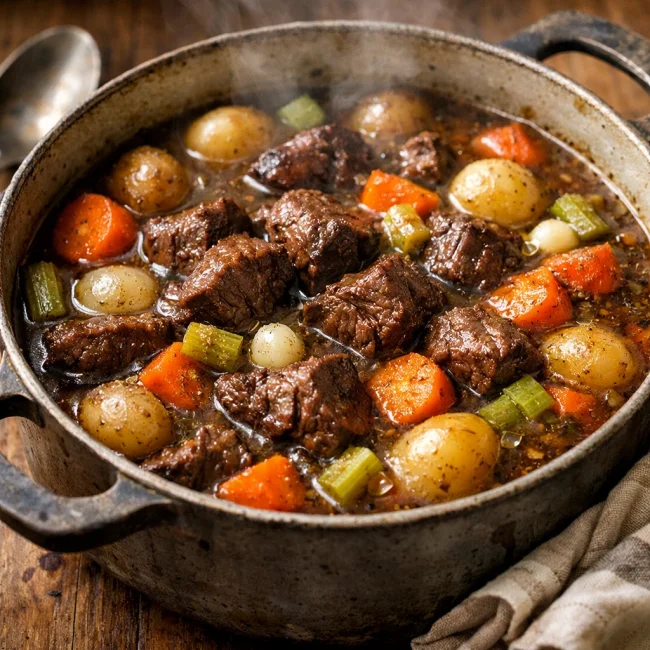
Traditional Beef Stew
A heartwarming traditional beef stew that combines tender beef chunks with classic...
View Recipe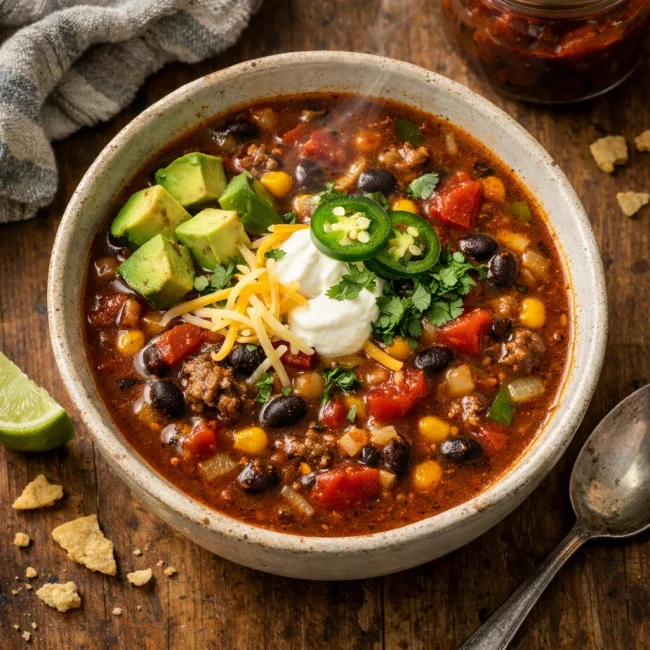
Southwestern Chipotle Taco Soup
Explore the bold flavors of the Southwest with this unique variation of taco soup,...
View Recipe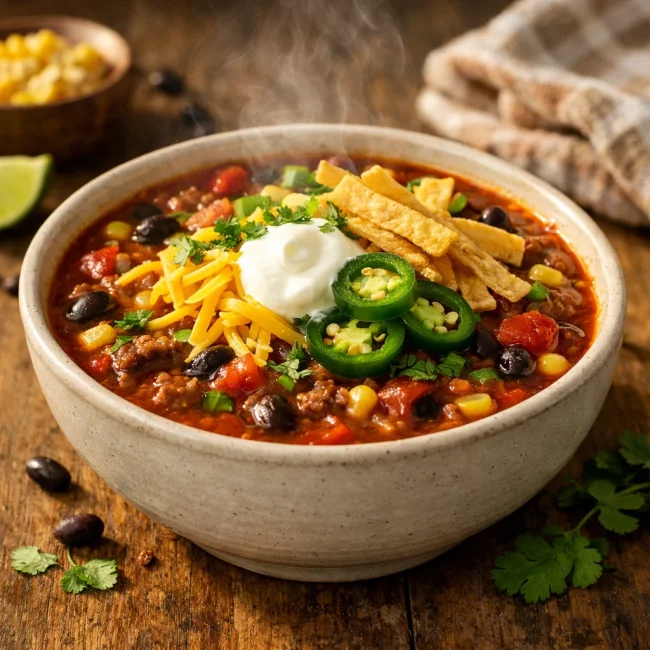
Southwest Fiesta Taco Soup
Discover the vibrant flavors of our Southwest Fiesta Taco Soup, a quick and hearty...
View Recipe