
Spiced Pumpkin Cheesecake
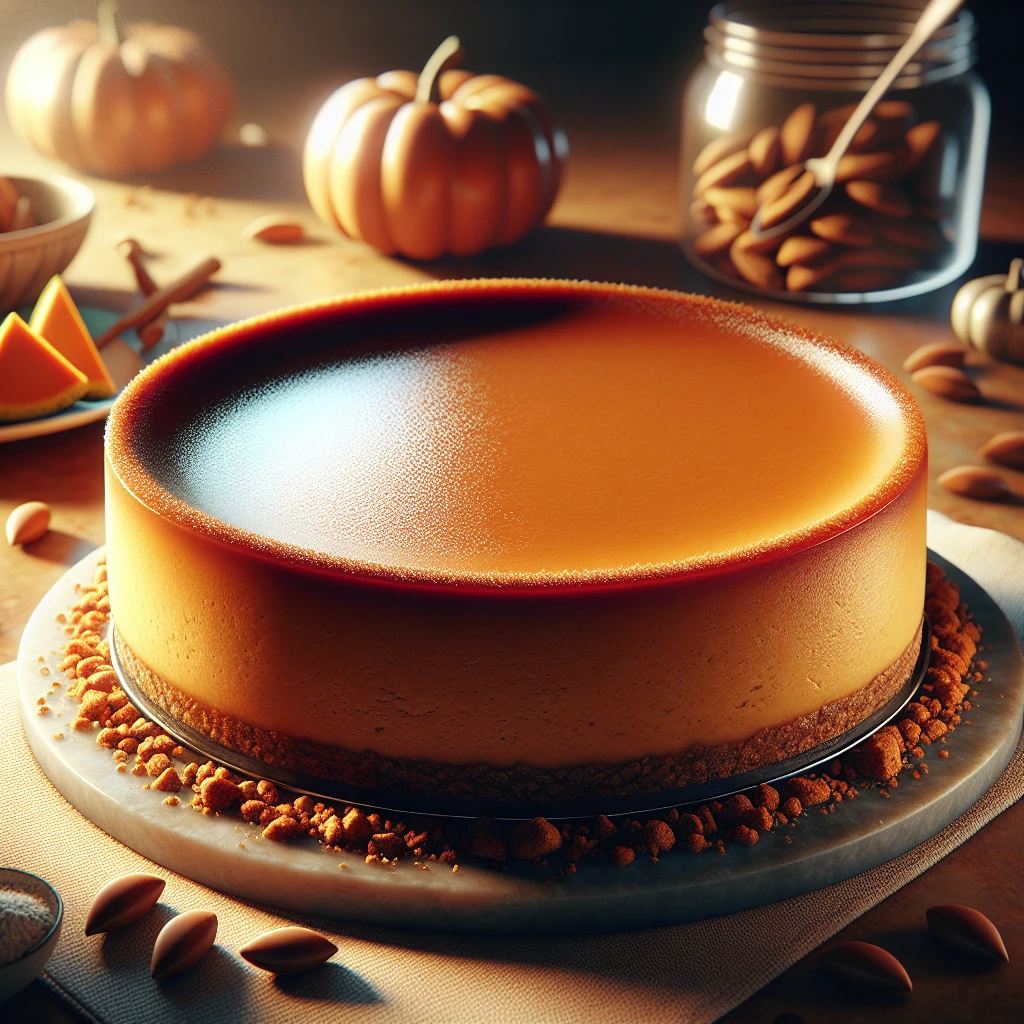
If you're a fan of all things autumn, this Spiced Pumpkin Cheesecake is sure to become your new favorite dessert. It's a perfect blend of creamy cheesecake goodness with the warm spices of fall. Let's dive right into how you can bring this delectable treat to life in your own kitchen!
 Share
Share
This post may contain affiliate links. As an Amazon Associate, we earn from qualifying purchases.
Ingredients for Spiced Pumpkin Cheesecake
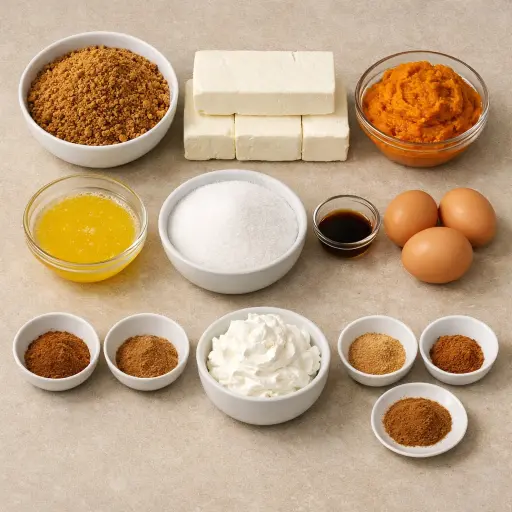
Gingersnap cookies: These cookies form the base of our crust, providing a spicy, crunchy foundation that complements the creamy filling beautifully.
Unsalted butter: Melted butter holds the crust together while adding a rich flavor.
Cream cheese: The star of our cheesecake, providing that classic, tangy creaminess.
Granulated sugar: Sweetens the cheesecake without overpowering the subtle flavors of pumpkin and spice.
Canned pumpkin puree: Adds that iconic pumpkin flavor and a lovely orange hue. Make sure it's pure pumpkin, not pumpkin pie filling.
Vanilla extract: Enhances all the other flavors with its sweet, aromatic notes.
Ground cinnamon, nutmeg, and ginger: These spices create the warm, cozy flavors we crave during the fall.
Eggs: Bind the cheesecake together, giving it structure and richness.
Whipped cream and ground cinnamon: Optional garnishes that add a touch of elegance and extra flavor.
Why This Spiced Pumpkin Cheesecake Works
When the crushed gingersnaps mix with melted butter and get pressed into the pan, the crumbs soak up the fat and stick to each other. In the oven, that butter firms up again, so the crust sets into a solid base that doesn’t crumble apart when sliced. The spices in the cookies also spread through the bottom layer, so the crust already tastes warm and spicy before the filling even goes on.
Inside the filling, soft cream cheese and sugar beat together until smooth, and the sugar pulls some moisture out of the cream cheese and pumpkin. As the cheesecake bakes, the eggs slowly firm up and trap that moisture, so the pumpkin mixture sets into a creamy, custard-like layer instead of staying loose. Keeping the heat gentle and letting the cheesecake cool slowly in the turned-off oven keeps the center from puffing and collapsing, so it stays dense, smooth, and without big cracks. After chilling in the fridge, everything tightens up just enough to slice cleanly while still feeling soft and silky.
Spiced Pumpkin Cheesecake Tips & Tricks
- If your crust mixture seems too dry, add a bit more melted butter, a tablespoon at a time, until it holds together.
- For the smoothest cheesecake, make sure your cream cheese is at room temperature before you start mixing.
- To prevent cracks, avoid opening the oven door while baking, and ensure a gentle cooling process.
Mistakes To Avoid
Overbaking the cheesecake until the center is fully firm makes the texture dry and crumbly instead of creamy. The edges start to puff and brown, and as it cools, the top often cracks because it tightens too much.
Using cold cream cheese straight from the fridge leaves small lumps that never fully blend into the batter. Those lumps stay visible after baking, so the cheesecake looks grainy and slices don’t come out smooth.
Beating the eggs too long after adding them whips in extra air, which makes the cheesecake rise too much in the oven and then sink as it cools. This often leads to a sunken middle and deep cracks across the top.
Skipping the slow cool-down in the turned-off oven makes the hot cheesecake go straight into a colder room or fridge, shocking it. The sudden temperature change tightens the surface fast, which usually causes big cracks and a tougher top layer.
Equipment Used:
Ingredients
- 2 cups gingersnap cookies, crushed
- 1/4 cup unsalted butter, melted
- 3 (8-ounce) packages cream cheese, softened
- 1 cup granulated sugar
- 1 cup canned pumpkin puree
- 1 teaspoon vanilla extract
- 1/2 teaspoon ground cinnamon
- 1/4 teaspoon ground nutmeg
- 1/4 teaspoon ground ginger
- 3 large eggs
- Whipped cream for garnish
- Ground cinnamon for garnish
Step-by-step Instructions
- 1. Preheat your oven to 325°F (165°C). Grease a 9-inch springform pan.
- 2. In a medium bowl, mix the crushed gingersnaps with melted butter until well combined. Press the mixture into the bottom of the prepared pan to form an even layer.
- 3. In a large mixing bowl, beat the cream cheese and sugar together until smooth. Add the pumpkin puree, vanilla extract, cinnamon, nutmeg, and ginger, mixing until incorporated.
- 4. Add the eggs one at a time, beating after each addition until just combined.
- 5. Pour the cheesecake batter over the crust in the pan, smoothing the top with a spatula.
- 6. Bake for 50-60 minutes or until the center is set but still slightly jiggly.
- 7. Turn off the oven, crack the oven door, and let the cheesecake cool in the oven for 1 hour.
- 8. Refrigerate the cheesecake for at least 4 hours or overnight.
- 9. Before serving, garnish with whipped cream and a sprinkle of ground cinnamon.
Trending Now
Oven-Baked Pork Chops
Enjoy a delightful dinner with these tender and juicy oven-baked pork chops, seaso...
View Recipe
Traditional Corn Casserole
A delightful corn casserole dish that embodies the comforting flavors of sweet cor...
View Recipe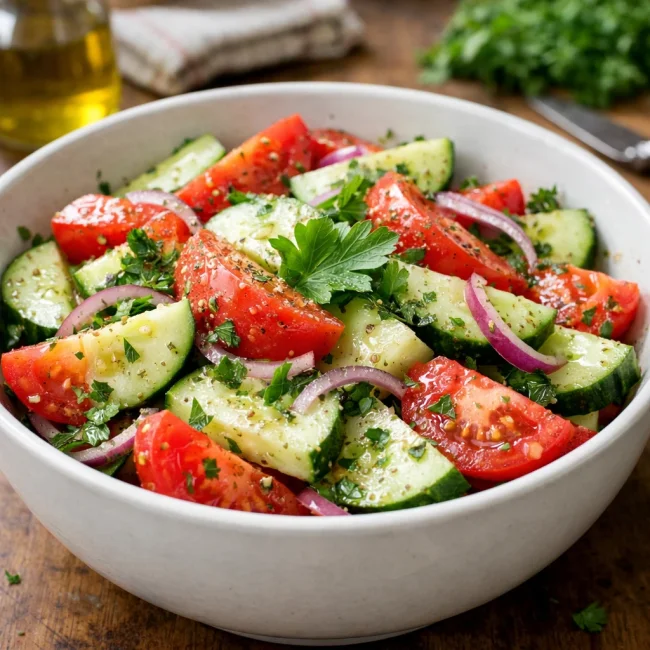
Traditional Cucumber and Tomato Salad
A refreshing and simple salad combining crisp cucumbers and juicy tomatoes, season...
View Recipe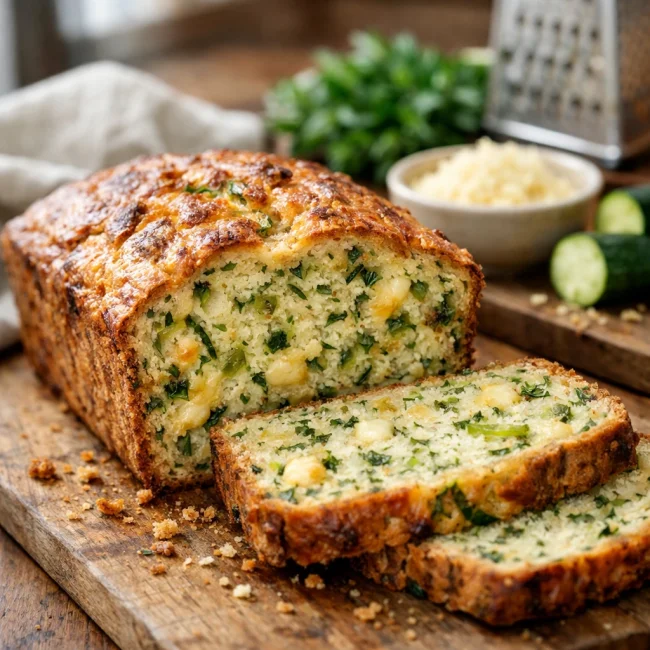
Savory Zucchini Bread
Savory Zucchini Bread is a delectable twist on traditional zucchini recipes, combi...
View RecipeFrequently Asked Questions
- Can I use fresh pumpkin instead of canned puree?
- Yes, you can use homemade pumpkin puree, but make sure it's well-drained to avoid a watery cheesecake.
- How long will this cheesecake keep?
- Stored in an airtight container in the fridge, it should last up to 5 days.
- Can I freeze this cheesecake?
- Absolutely! Wrap it well in plastic and foil, and it can be frozen for up to 2 months. Thaw in the fridge before serving.
Serving Ideas for Spiced Pumpkin Cheesecake
This cheesecake pairs beautifully with a spiced chai or a hot apple cider. For an extra touch, serve with a scoop of vanilla ice cream or a drizzle of caramel sauce. It makes a stunning centerpiece for Thanksgiving or any fall celebration!
More Desserts Recipes
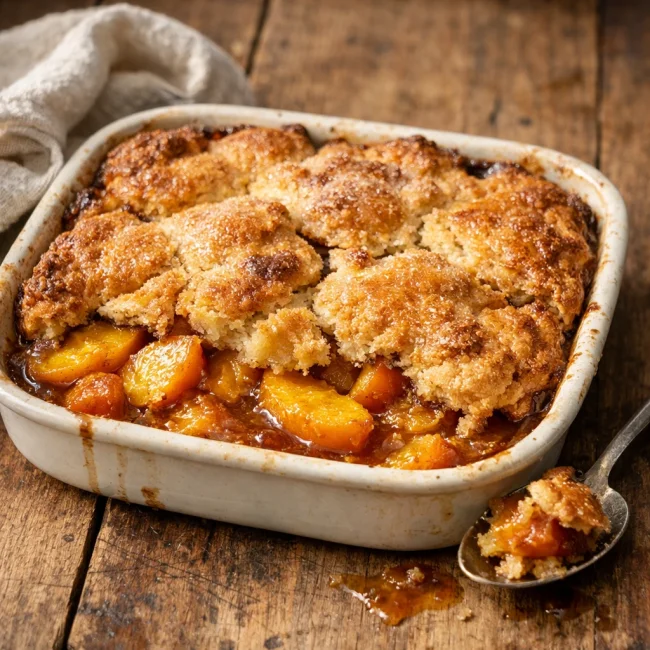
Rustic Vanilla Peach Cobbler
This rustic vanilla peach cobbler combines a rich, buttery crust with the sweet, v...
View Recipe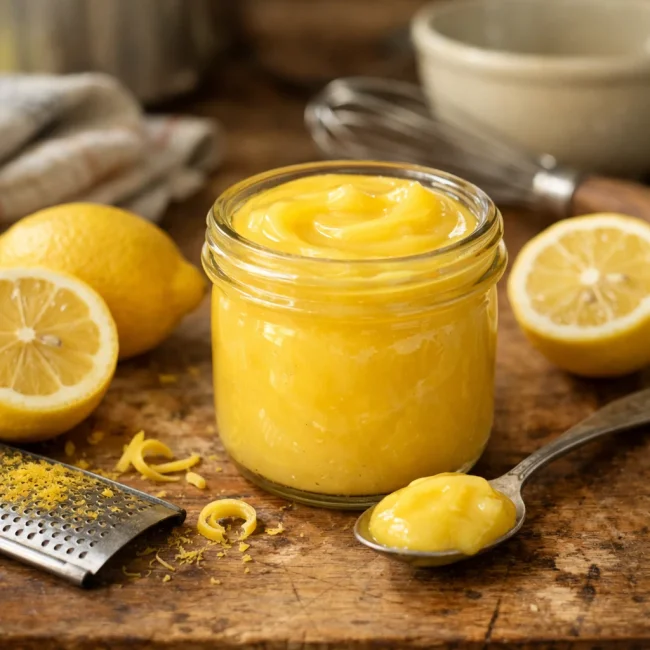
Traditional Lemon Curd
A classic, tangy lemon curd that is perfect for enhancing desserts, breakfast dish...
View Recipe
Traditional Cream Cheese Pie
A delightful and timeless dessert, Traditional Cream Cheese Pie offers a rich and ...
View Recipe
Timeless Cream Puff Delight
Indulge in a delectable Timeless Cream Puff Delight, a classic dessert featuring a...
View Recipe