
Spiced Butternut Squash Soup with Coconut and Lime
Welcome to a bowl of comfort and cozy flavors with our Spiced Butternut Squash Soup with Coconut and Lime. This recipe combines the earthy sweetness of roasted squash with a gentle kick of spices, all rounded out by creamy coconut milk and a zesty lime finish. Perfect for those chilly days when you need a little warmth from the inside out.
 Share
Share

This post may contain affiliate links. As an Amazon Associate, we earn from qualifying purchases.
Ingredients for Spiced Butternut Squash Soup with Coconut and Lime
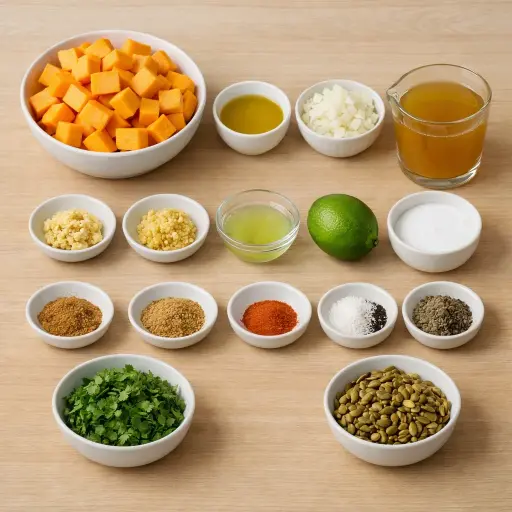
The star of the show is the butternut squash, lending its natural sweetness and creamy texture. Roasting it brings out a deeper flavor. Olive oil helps caramelize the squash and sauté the aromatics like the onion, which forms the base of the soup. Garlic and fresh ginger add a fragrant warmth that pairs beautifully with the ground cumin, coriander, and a touch of cayenne pepper for a subtle heat. Vegetable broth helps blend everything together, while coconut milk adds creaminess. A squeeze of lime brightens the flavors, and a pinch of salt and black pepper ties it all together. For garnish, fresh cilantro and toasted pumpkin seeds add a fresh and crunchy finish.
Why This Spiced Butternut Squash Soup with Coconut and Lime Works
In the oven, the butternut squash dries out a little on the surface and softens all the way through. The edges start to brown, so the outside tastes a bit sweeter and deeper, while the inside stays soft and creamy. By the time it goes into the pot, the squash is already tender, so it blends very smoothly and doesn’t need long cooking to break down.
While the onion, garlic, and ginger cook in the pot, they lose their sharp bite and turn soft and mild. The spices hit the warm oil and spread through it, so the cumin, coriander, and cayenne coat the onion and squash instead of sitting in one spot. Once the broth goes in and everything simmers, the softened squash starts to fall apart and thicken the liquid.
After blending, the soup turns silky because the squash is fully broken down. Coconut milk adds fat, which makes the soup feel rich and smooth, and lime juice cuts through that richness so it doesn’t taste heavy. The crunchy pumpkin seeds and fresh cilantro on top give a crisp and bright contrast to the thick, creamy soup.
Spiced Butternut Squash Soup with Coconut and Lime Tips & Tricks
- If you don't have an immersion blender, a regular blender works fine. Just blend in batches and be careful with the hot liquid.
- Roasting the squash is key for depth of flavor, don't skip this step!
- Adjust the cayenne pepper according to your spice preference.
Mistakes To Avoid
Roasting the squash too little leaves the cubes firm and a bit watery inside, so they don’t blend smoothly. The soup then ends up slightly grainy and thin instead of silky, and the squash flavor comes through weak and flat.
Cranking the oven too high or roasting too long can burn the edges of the squash before the centers soften. This gives the soup dark, bitter-tasting specks and a dull brown color instead of a bright, warm orange.
Adding the coconut milk and lime juice before blending and simmering too hard can cause the soup to separate. The fat from the coconut milk can split and form an oily layer on top, while the rest of the soup looks curdled instead of creamy.
Pouring in all the broth at once without checking the texture often makes the soup too thin. Then extra simmering is needed to thicken it, which can dull the spices and make the squash taste flat and overcooked.
Equipment Used:
Ingredients
- 2 lbs butternut squash, peeled and cubed
- 1 tbsp olive oil
- 1 large onion, chopped
- 2 cloves garlic, minced
- 1 tbsp fresh ginger, grated
- 3 cups vegetable broth
- 1 can (14 oz) coconut milk
- 1 lime, juiced
- 1 tsp ground cumin
- 1/2 tsp ground coriander
- 1/4 tsp cayenne pepper
- Salt and black pepper to taste
- Fresh cilantro, chopped for garnish
- 1/4 cup toasted pumpkin seeds for garnish
Step-by-step Instructions
- 1. Preheat oven to 400°F (200°C) and line a baking sheet with parchment paper.
- 2. Toss the butternut squash cubes with olive oil, salt, and black pepper, then spread them evenly on the prepared baking sheet.
- 3. Roast the squash in the preheated oven for 25-30 minutes until tender and slightly caramelized.
- 4. In a large pot, heat a bit of olive oil over medium heat and sauté the onion until translucent, about 5 minutes.
- 5. Add the garlic and ginger, and cook for an additional minute until fragrant.
- 6. Stir in the cumin, coriander, and cayenne pepper, and cook for 30 seconds.
- 7. Add the roasted squash to the pot along with the vegetable broth.
- 8. Bring to a simmer and cook for 10 minutes to allow flavors to meld.
- 9. Use an immersion blender to puree the soup until smooth.
- 10. Stir in the coconut milk and lime juice, and reheat gently without boiling.
- 11. Adjust the seasoning with salt and pepper to taste.
- 12. Serve hot, garnished with chopped cilantro and toasted pumpkin seeds.
Trending Now
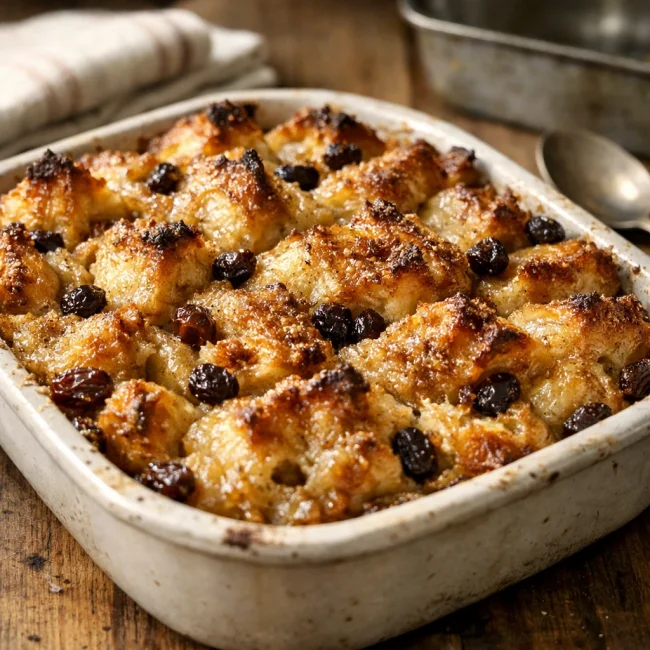
Old-Fashioned Bread Pudding
Discover the classic charm of Old-Fashioned Bread Pudding - a timeless dessert com...
View Recipe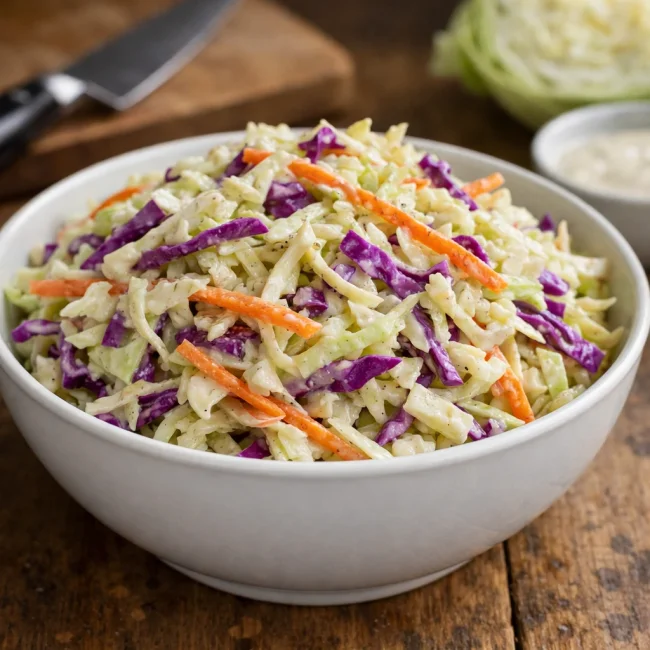
Traditional Crisp Coleslaw
A classic coleslaw recipe featuring finely shredded cabbage and carrots tossed in ...
View Recipe
Traditional Italian Bruschetta
Experience the authentic taste of Italian bruschetta, a perfect blend of fresh tom...
View Recipe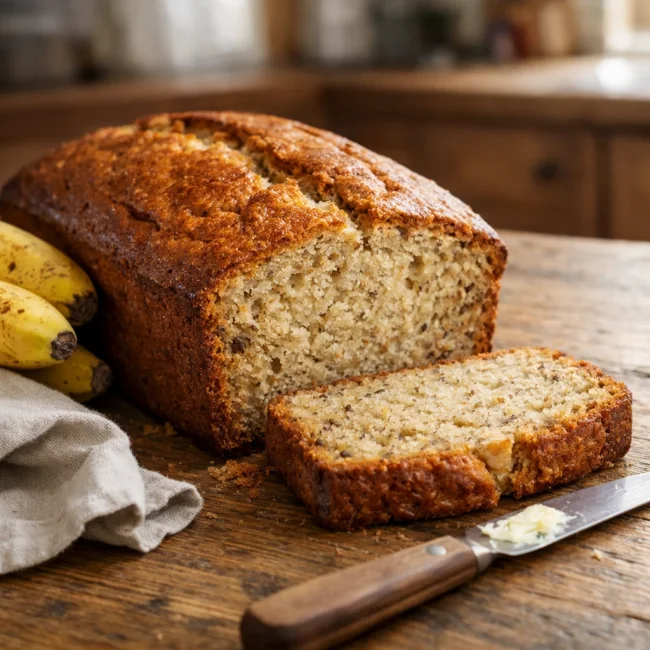
Classic Banana Bread
Classic Banana Bread is a timeless dessert beloved for its moist texture and sweet...
View RecipeFrequently Asked Questions
- Can I use frozen butternut squash?
- Yes, you can use frozen squash. Just make sure to roast it until tender.
- Is there a substitute for coconut milk?
- You can use almond milk or cream, but the coconut milk gives it a unique flavor.
- Can I make this soup ahead of time?
- Absolutely! It stores well in the fridge for up to 3 days. The flavors deepen as it sits.
Serving Ideas for Spiced Butternut Squash Soup with Coconut and Lime
This soup makes a delightful starter or a light meal on its own. Pair it with a slice of crusty bread or a simple green salad to round out the meal. It also pairs well with a grilled cheese sandwich or a toasted baguette topped with avocado.
More Soups & Stews Recipes

Classic Clam Chowder
Indulge in a timeless seaside staple with our Classic Clam Chowder recipe, a rich ...
View Recipe
Traditional Beef Stew
A heartwarming traditional beef stew that combines tender beef chunks with classic...
View Recipe
Southwestern Chipotle Taco Soup
Explore the bold flavors of the Southwest with this unique variation of taco soup,...
View Recipe
Southwest Fiesta Taco Soup
Discover the vibrant flavors of our Southwest Fiesta Taco Soup, a quick and hearty...
View Recipe