
Spaghetti al Forno with Spinach and Ricotta
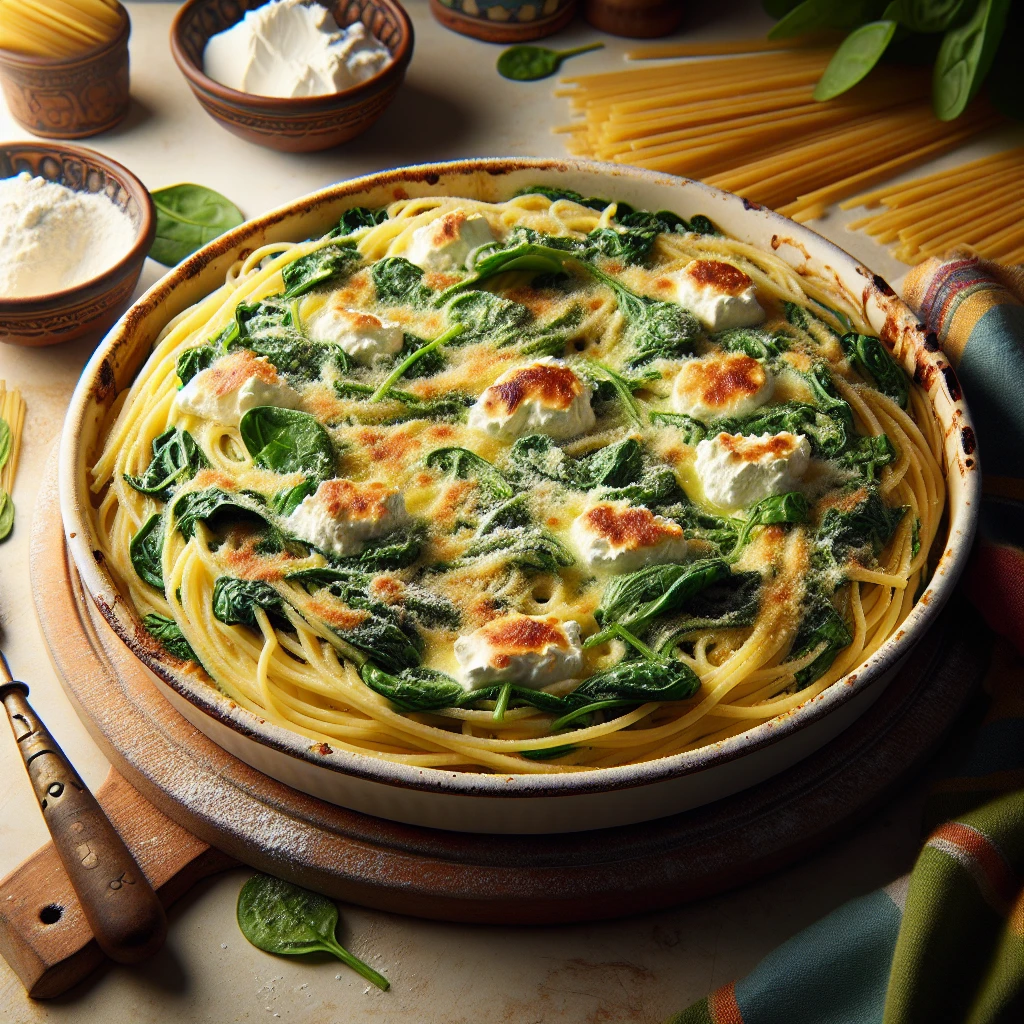
If you're craving something warm and comforting, Spaghetti al Forno with Spinach and Ricotta is just what you need. This baked pasta dish combines the creamy goodness of ricotta with the freshness of spinach and the savory punch of marinara sauce, all topped with gooey melted cheese. It's a satisfying meal that's perfect for a cozy night in.
 Share
Share
This post may contain affiliate links. As an Amazon Associate, we earn from qualifying purchases.
Ingredients for Spaghetti al Forno with Spinach and Ricotta
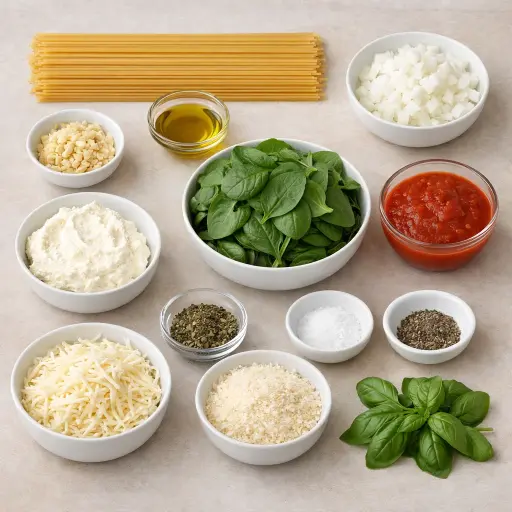
Spaghetti forms the base of this dish, providing a familiar, comforting texture. Olive oil is used to sauté the aromatics, imparting a rich depth of flavor. Chopped onion and garlic give the dish its foundational savory notes, while fresh spinach adds a pop of color and essential nutrients. Ricotta cheese brings creaminess, balancing the acidity of the marinara sauce. Mozzarella and parmesan cheese create a melty, golden topping that makes the dish irresistibly cheesy. A sprinkle of dried oregano, along with salt and pepper, seasons everything to perfection. Finally, fresh basil leaves add a bright, aromatic finish.
Why This Spaghetti al Forno with Spinach and Ricotta Works
During cooking, the spaghetti only goes to al dente, so it stays a little firm. In the oven, those noodles soak up some of the marinara and the moisture from the ricotta and spinach. That keeps the pasta from drying out and also lets the sauce cling to every strand instead of sliding off.
As the ricotta, mozzarella, and parmesan warm up, they loosen and spread through the spinach and pasta. The cheeses start out a bit thick and lumpy, but in the heat they soften and settle into the spaces between the noodles, so the whole dish holds together like a baked casserole instead of a loose bowl of spaghetti.
In the oven, the top layer of mozzarella melts, then starts to bubble and brown. That browned top acts like a light lid, keeping the inside steamy and soft while the surface gets a little chewy and golden. By the time it comes out, the layers have set, the sauce has thickened around the pasta, and it slices into neat, cheesy squares.
Spaghetti al Forno with Spinach and Ricotta Tips & Tricks
- For a richer flavor, try using a combination of cheeses, like adding a bit of provolone or fontina.
- If fresh spinach isn't available, frozen spinach works too. Just make sure to thaw and drain it thoroughly before using.
- To make this dish ahead of time, assemble it, cover tightly, and refrigerate. Bake when ready to eat, adding a few extra minutes to the bake time if straight from the fridge.
Mistakes To Avoid
Boiling the spaghetti until it’s very soft instead of al dente makes it fall apart in the oven. Once it bakes with sauce, the pasta keeps soaking up liquid and turns mushy, so the dish slices into a heavy, gluey block instead of strands that hold their shape.
Adding the spinach to the ricotta mixture while it’s still very hot can cause problems. The heat loosens the ricotta and melts the cheese mixture, so it turns runny and seeps down into the dish, leaving dry pasta layers and almost no creamy layer in the middle.
Using too much marinara or making the layers very saucy leads to a wet, soupy bake. In the oven, the extra liquid bubbles up around the edges and the center never really sets, so the slices collapse and the pasta feels waterlogged instead of slightly firm.
Skipping the final bake until the top is fully bubbly and lightly browned often leaves the middle lukewarm and the cheese inside not fully melted. The pasta then tastes like reheated leftovers instead of a cohesive baked dish, and the top layer stays pale and rubbery.
Equipment Used:
Ingredients
- 12 oz spaghetti
- 2 tbsp olive oil
- 1 onion, chopped
- 3 cloves garlic, minced
- 8 oz fresh spinach
- 1 cup ricotta cheese
- 2 cups marinara sauce
- 1 cup mozzarella cheese, shredded
- 1/2 cup parmesan cheese, grated
- 1 tsp dried oregano
- Salt and pepper to taste
- Fresh basil leaves for garnish
Step-by-step Instructions
- 1. Preheat your oven to 375°F (190°C).
- 2. Cook spaghetti according to package instructions until al dente, then drain.
- 3. In a large skillet, heat olive oil over medium heat. Add the chopped onion and garlic, sauté until translucent.
- 4. Add fresh spinach and cook until wilted, then remove from heat.
- 5. In a mixing bowl, combine ricotta cheese, half of the mozzarella, and parmesan cheese with cooked spinach mixture. Season with oregano, salt, and pepper.
- 6. In a baking dish, spread a layer of marinara sauce, followed by a layer of cooked spaghetti.
- 7. Add a layer of the ricotta-spinach mixture.
- 8. Repeat the layers, ending with marinara sauce on top.
- 9. Sprinkle the remaining mozzarella cheese over the top.
- 10. Bake in the preheated oven for 25-30 minutes, until the cheese is bubbly and golden brown.
- 11. Garnish with fresh basil leaves before serving.
Trending Now
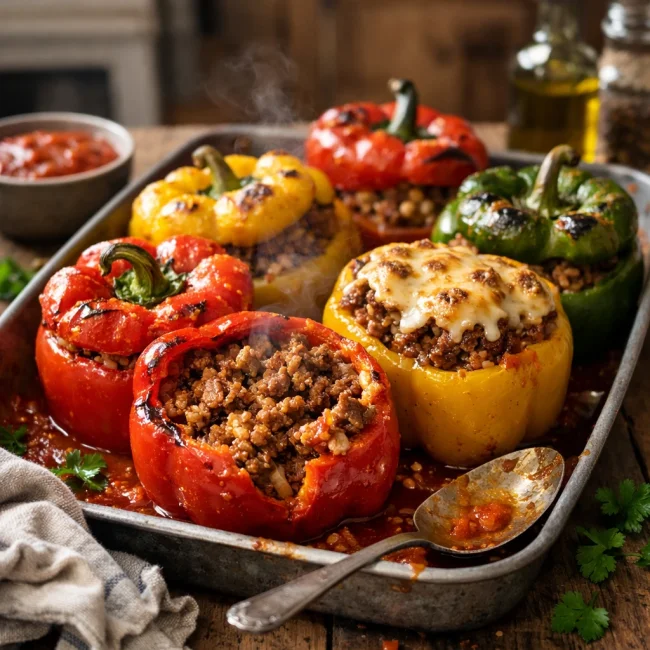
Traditional Stuffed Peppers
Explore the delightful blend of seasoned beef, rice, and tomato sauce nestled in v...
View Recipe
Traditional Lemon Pound Cake
A delightful and moist traditional lemon pound cake infused with the fresh zest an...
View Recipe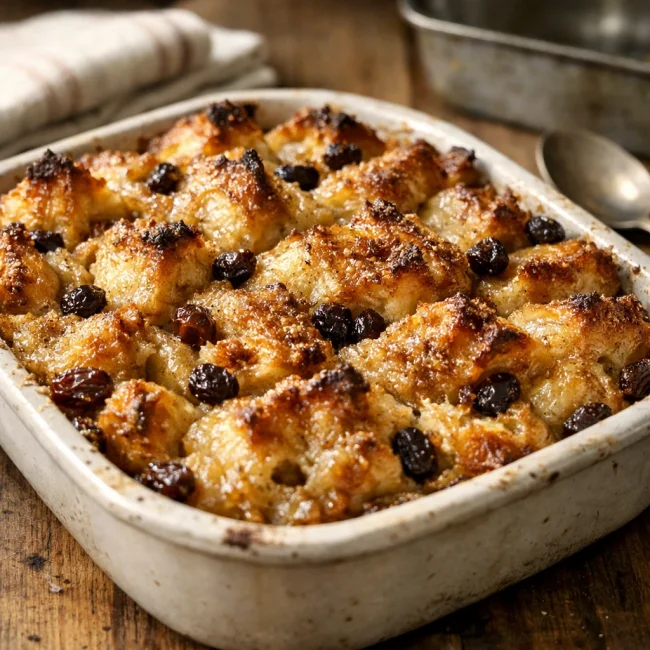
Old-Fashioned Bread Pudding
Discover the classic charm of Old-Fashioned Bread Pudding - a timeless dessert com...
View Recipe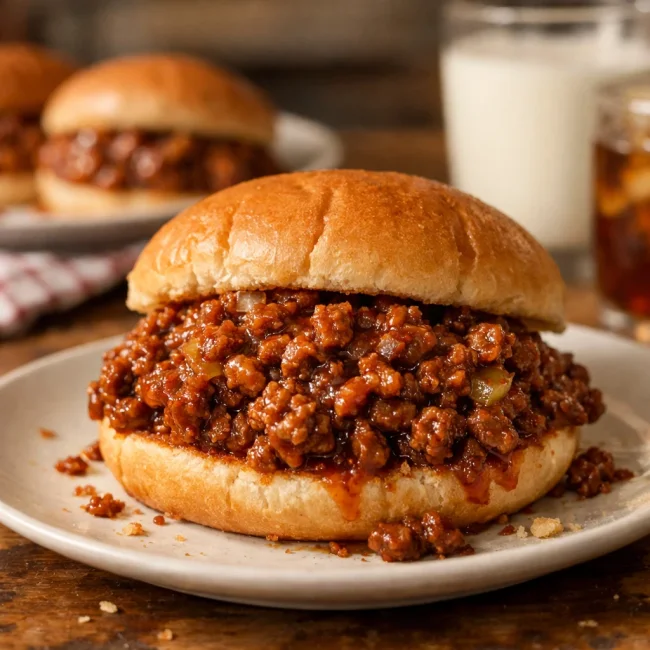
Classic Sloppy Joes
Bring back childhood memories with these hearty and savory sloppy joes. Made with ...
View RecipeFrequently Asked Questions
- Can I use whole wheat pasta?
- Absolutely! Whole wheat pasta can add a nutty flavor and more fiber to the dish.
- What if I don't have ricotta?
- You can substitute with cottage cheese, though the texture will be slightly different. Make sure to blend it for smoothness.
- Can I add protein to this dish?
- Sure! Cooked sausage, ground beef, or even chickpeas can be added for extra protein.
Serving Ideas for Spaghetti al Forno with Spinach and Ricotta
This dish pairs wonderfully with a simple side salad of mixed greens with a light vinaigrette to balance the richness of the pasta. A crusty piece of garlic bread or focaccia is perfect for mopping up the extra sauce. And if you're feeling fancy, a glass of light red wine can complement the flavors beautifully.
More Pasta Recipes
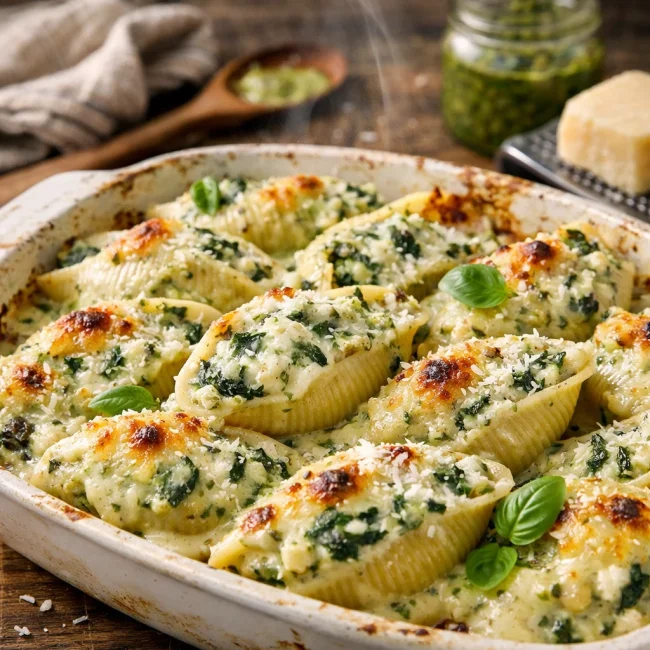
Spinach and Ricotta Stuffed Shells with Pesto Alfredo
Try this delicious twist on classic stuffed shells with a creamy pesto Alfredo sau...
View Recipe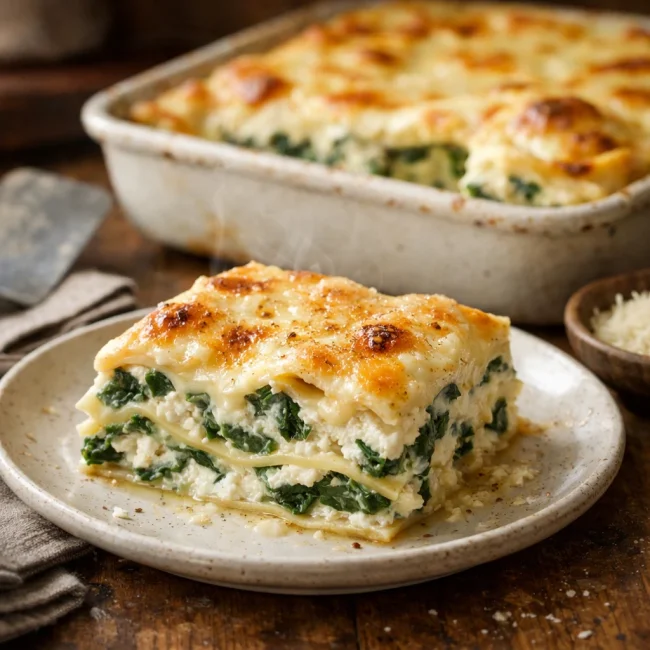
Spinach and Ricotta White Lasagna
A unique twist on the classic lasagna, this white lasagna combines creamy ricotta,...
View Recipe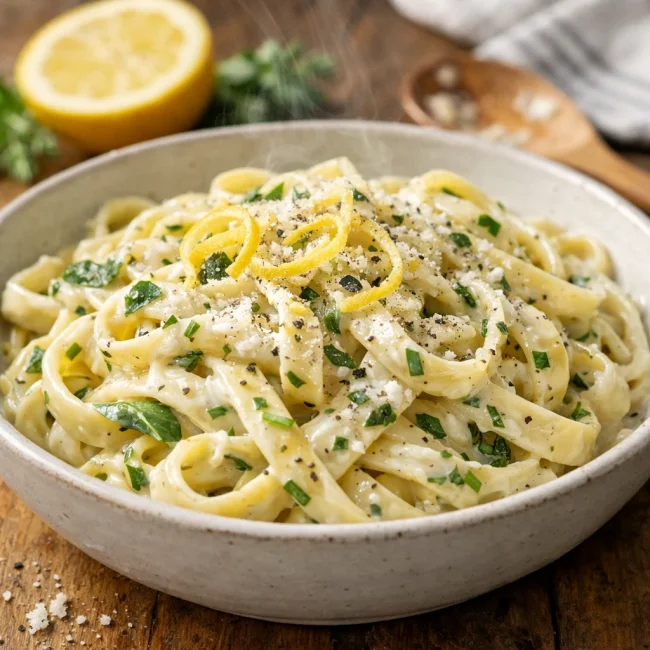
Lemon Herb Fettuccine Alfredo
Lemon Herb Fettuccine Alfredo is a refreshing twist on the classic dish, combining...
View Recipe
Truffle Mac and Cheese
Experience the ultimate comfort food with a gourmet twist in this Truffle Mac and ...
View Recipe