
Sourdough English Muffins
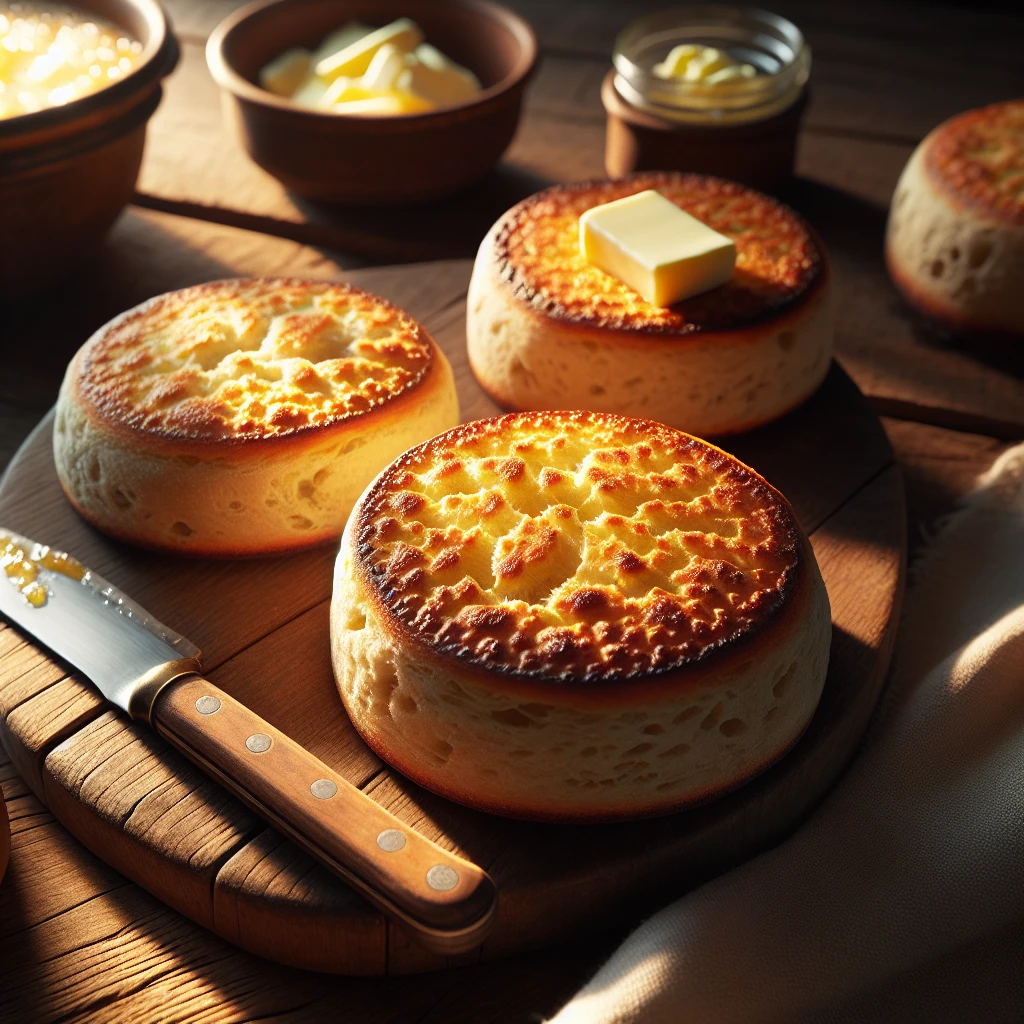
Sourdough English Muffins bring together the tangy flavor of sourdough with the convenience of a breakfast staple. These muffins are perfect for leisurely weekend mornings or as a delightful homemade touch to your daily routine. With just a few ingredients, you can create something truly special.
 Share
Share
This post may contain affiliate links. As an Amazon Associate, we earn from qualifying purchases.
Ingredients for Sourdough English Muffins
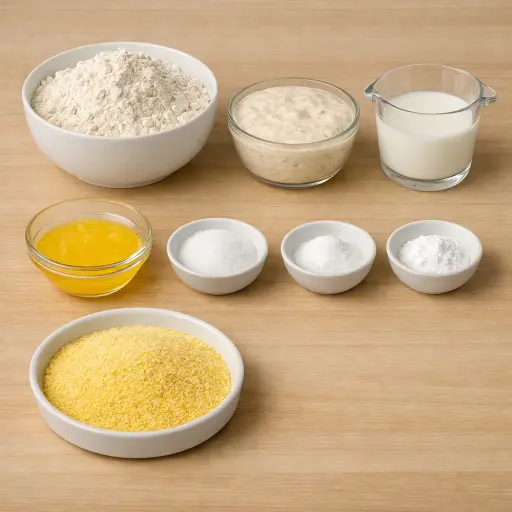
Let's break down the key players in this recipe. The sourdough starter is what gives these muffins their unique tangy flavor and helps them rise beautifully. Milk adds a touch of richness and softness to the dough. The butter not only enhances flavor but also contributes to the tender crumb. A bit of sugar is added to balance the tanginess of the sourdough. Salt is there to enhance all the flavors, while baking soda helps with the final rise and gives the muffins their characteristic nooks and crannies. Finally, cornmeal is for dusting, adding a delightful texture and preventing sticking during cooking.
Why This Sourdough English Muffins Works
During the long rise, the sourdough starter, milk, and flour sit together and slowly puff up. The starter has time to spread through the dough and loosen the gluten, so the dough becomes stretchy but not tough. Sugar gives the starter a little extra food, so the dough rises well even without yeast from a packet. By the time the 8–12 hours are up, the dough is full of tiny bubbles that will turn into all those little holes inside the muffins.
Once the baking soda goes in, it reacts with the sour starter right away and gives the dough a quick extra lift. Rolling the dough fairly thick keeps that gas trapped inside. On the griddle, low heat cooks the muffins slowly, so the inside can set before the outside burns. Butter in the dough keeps the crumb soft, while the cornmeal on the pan stops sticking and gives the outside a slight crunch.
Sourdough English Muffins Tips & Tricks
- Use a well-fed, active sourdough starter for the best rise and flavor.
- Keep the heat low on your griddle to cook the muffins thoroughly without burning.
- If you don't have a biscuit cutter, a glass with a thin rim works in a pinch.
- For an even rise, press gently but firmly on the muffins with a spatula while cooking.
Mistakes To Avoid
Letting the dough rise for only a few hours instead of the full 8–12 often means the muffins stay flat and dense. The starter doesn’t have time to puff the dough, so it feels heavy and tight instead of light inside. They can also taste sharply sour instead of mellow because the dough didn’t have time to balance out.
Adding the baking soda too early, before the griddle is hot and ready, causes the dough to lose its lift. The soda reacts right away in the bowl, and by the time the rounds hit the pan, the bubbles are mostly gone. The muffins then cook up short and a bit gummy instead of full of little holes.
When the griddle runs too hot, the outsides brown fast while the centers stay undercooked. The muffins look done, but when split open they can be doughy and slightly wet in the middle. Turning the heat down later doesn’t fix it; the crust is already dark and can start to taste burnt while the inside still lags behind.
Equipment Used:
Ingredients
- 2 cups of all-purpose flour
- 1 cup of sourdough starter
- 1/2 cup of milk
- 1/4 cup of unsalted butter, melted
- 1 tablespoon of sugar
- 1 teaspoon of salt
- 1 teaspoon of baking soda
- Cornmeal for dusting
Step-by-step Instructions
- 1. In a large bowl, mix the sourdough starter, milk, and melted butter until combined.
- 2. Add the flour, sugar, and salt, mixing until a sticky dough forms.
- 3. Cover the bowl and let the dough rise at room temperature for 8-12 hours.
- 4. Preheat a griddle or skillet over low heat and dust it with cornmeal.
- 5. Add baking soda to the dough and knead gently on a floured surface.
- 6. Roll the dough to about 1/2 inch thickness and cut out rounds using a biscuit cutter.
- 7. Place the rounds on the preheated griddle and cook for 7-10 minutes on each side, or until golden brown.
- 8. Transfer to a wire rack to cool before serving.
Trending Now

Zesty Summer Squash Casserole
This delightful summer squash casserole combines vibrant garden-fresh vegetables w...
View Recipe
Classic Cucumber Salad
A refreshing and light cucumber salad featuring crisp cucumbers and a tangy vinaig...
View Recipe
Classic Banana Bread
Classic Banana Bread is a timeless dessert beloved for its moist texture and sweet...
View Recipe
Traditional Dump Cake
Discover the timeless delight of the Traditional Dump Cake, a simple and scrumptio...
View RecipeFrequently Asked Questions
- Can I freeze these muffins?
- Absolutely! Just let them cool completely, then store in an airtight container or bag in the freezer. Reheat in a toaster for the best texture.
- What if my sourdough starter isn't very active?
- You can still make the muffins, but they might not rise as much. Consider feeding your starter a day or two before you plan to bake for the best results.
- Can I use whole wheat flour?
- Yes, you can substitute up to half of the all-purpose flour with whole wheat flour, but expect a denser texture.
Serving Ideas for Sourdough English Muffins
These muffins are incredibly versatile. Try them toasted with a pat of butter and a sprinkle of sea salt for a simple, satisfying treat. For a heartier option, top with avocado and poached eggs for a delicious brunch. They also make an excellent base for eggs Benedict or as a sandwich bun with your favorite fillings.
More Breads & Baked Goods Recipes

Traditional Italian Easter Bread
Savor the delightful taste of a classic Italian Easter bread, a sweet, soft, and s...
View Recipe
Old-Fashioned Pineapple Bread
A delightful and flavorful bread infused with juicy pineapple, perfect for breakfa...
View Recipe
Old-Fashioned Blueberry Muffins
Transport yourself to simpler times with these delightful old-fashioned blueberry ...
View Recipe
Strawberry Basil Scones
These tender scones combine the sweetness of fresh strawberries with a hint of pep...
View Recipe