
Slow Cooker Tuscan Pasta Fagioli Soup
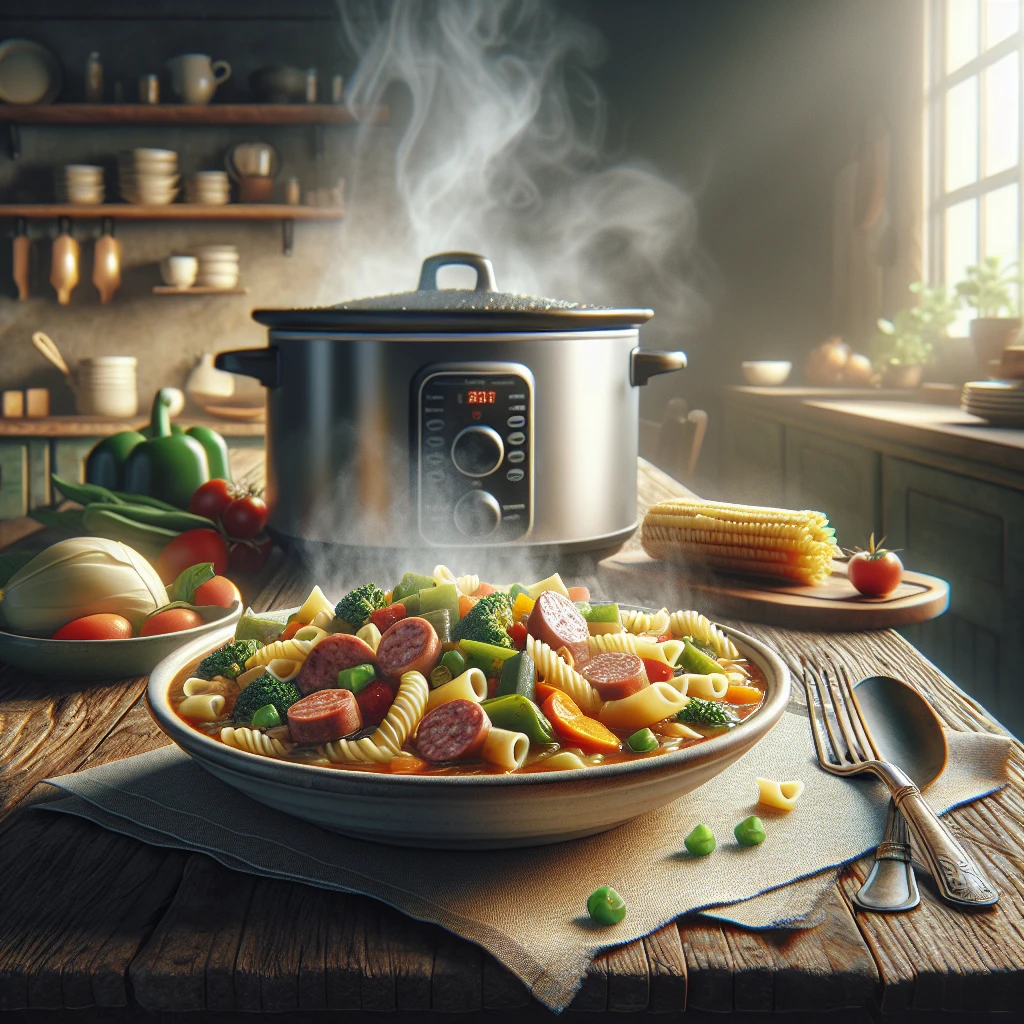
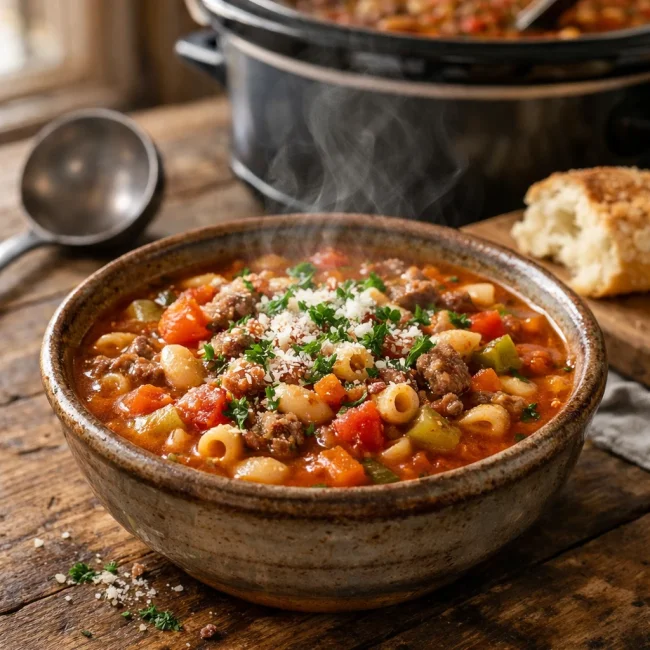
Discover a comforting bowl of Slow Cooker Tuscan Pasta Fagioli Soup, a hearty and flavorful dish perfect for those chilly days. This recipe brings together the robust flavors of Italian sausage, fresh vegetables, and tender pasta in a rich broth. It's a simple yet satisfying meal that warms you from the inside out.
 Share
Share
This post may contain affiliate links. As an Amazon Associate, we earn from qualifying purchases.
Ingredients for Slow Cooker Tuscan Pasta Fagioli Soup
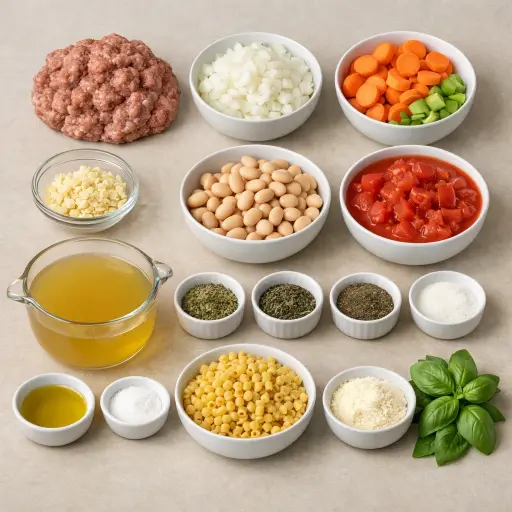
Italian sausage adds a savory depth and a hint of spice. Feel free to choose mild or hot based on your preference. Olive oil is used for sautéing, lending a subtle, fruity flavor. The trio of onion, carrots, and celery — known as mirepoix — forms the aromatic base. Garlic infuses the soup with a warm, earthy aroma. Cannellini beans bring a creamy texture and are a great source of protein. Diced tomatoes add a touch of acidity and sweetness. Chicken broth creates a flavorful liquid base. Oregano and basil provide classic Italian herb notes, while black pepper adds mild heat. Ditalini pasta is chosen for its small size, perfect for soups. Parmesan cheese finishes the soup with a nutty, salty kick. Finally, fresh basil offers a fresh, aromatic garnish.
Why This Slow Cooker Tuscan Pasta Fagioli Soup Works
Browning the sausage in a skillet first does two things. The meat firms up and gets little browned bits on the outside, and some of the fat stays behind in the pan. That flavored fat coats the onions, carrots, and celery as they cook, so the vegetables soften and pick up some of the sausage taste before they ever go into the slow cooker.
Once everything is in the slow cooker, the long, gentle heat starts to change the texture of the soup. The vegetables slowly get very soft, the tomatoes break down, and the beans loosen up a bit. As this happens, the starch from the beans and the bits of tomato mix into the broth, so the liquid goes from thin and brothy to a little thicker and more velvety without any cream.
Near the end, the ditalini pasta goes straight into that hot broth. The pasta soaks up the seasoned liquid as it cooks, and some of its starch leaks out into the pot. That extra starch tightens the soup just enough so it feels hearty, and the Parmesan stirred in at the end clings to everything instead of sinking to the bottom.
Slow Cooker Tuscan Pasta Fagioli Soup Tips & Tricks
- For a spicier kick, use hot Italian sausage or add a pinch of red pepper flakes.
- If you prefer a thicker soup, mash some of the beans before adding them to the slow cooker.
- Use a Parmesan rind if you have one. It adds extra depth to the broth as it cooks.
- To avoid soggy pasta, you can cook it separately and add it to each bowl when serving.
Mistakes To Avoid
Adding the pasta at the start of the slow cooking turns it to mush. The small ditalini sits in hot liquid for hours, swells too much, and breaks apart. The soup ends up thick, gluey, and cloudy instead of brothy with separate, tender pasta pieces.
Skipping the step of browning the sausage and just throwing it in raw leaves a lot of fat and gray, soft meat in the pot. The sausage releases grease slowly into the broth, so the soup can turn oily on top and the meat stays a bit rubbery instead of firm and crumbly.
Crowding the skillet with the vegetables so they steam instead of sauté means the onions, carrots, and celery stay hard on the outside. In the slow cooker they never fully soften the same way, so the soup has crunchy bits and an uneven texture instead of a smooth, cozy spoonful.
Letting the soup sit on “keep warm” for hours after adding the pasta keeps the noodles cooking. The pasta keeps soaking up broth and swells until it splits, and the soup turns overly thick and starchy with very little liquid left.
Equipment Used:
Ingredients
- 1 lb Italian sausage
- 1 small onion, diced
- 2 carrots, sliced
- 2 celery stalks, chopped
- 4 cloves garlic, minced
- 1 can (15 oz) cannellini beans, drained and rinsed
- 1 can (15 oz) diced tomatoes, with juice
- 4 cups chicken broth
- 1 tsp dried oregano
- 1 tsp dried basil
- 1/2 tsp ground black pepper
- 1 cup ditalini pasta
- 1/4 cup grated Parmesan cheese
- Salt to taste
- 2 tbsp olive oil
- Fresh basil for garnish
Step-by-step Instructions
- 1. In a skillet, heat olive oil over medium heat and brown the Italian sausage, breaking it up into small pieces.
- 2. Transfer the browned sausage to the slow cooker, leaving the oil in the skillet.
- 3. Sauté onions, carrots, and celery in the same skillet for 5 minutes until softened.
- 4. Add minced garlic to the skillet and cook for an additional minute.
- 5. Transfer the sautéed vegetables to the slow cooker.
- 6. Stir in cannellini beans, diced tomatoes, chicken broth, oregano, basil, and black pepper into the slow cooker.
- 7. Cover and cook on low for 6 hours.
- 8. Stir in the ditalini pasta and cook for another 30 minutes until pasta is tender.
- 9. Season with salt to taste and serve with grated Parmesan and fresh basil.
Trending Now
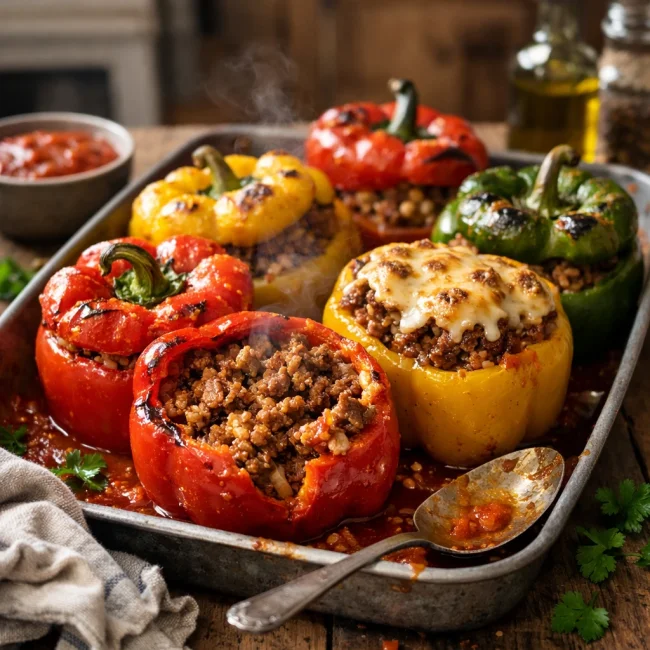
Traditional Stuffed Peppers
Explore the delightful blend of seasoned beef, rice, and tomato sauce nestled in v...
View Recipe
Traditional Lemon Pound Cake
A delightful and moist traditional lemon pound cake infused with the fresh zest an...
View Recipe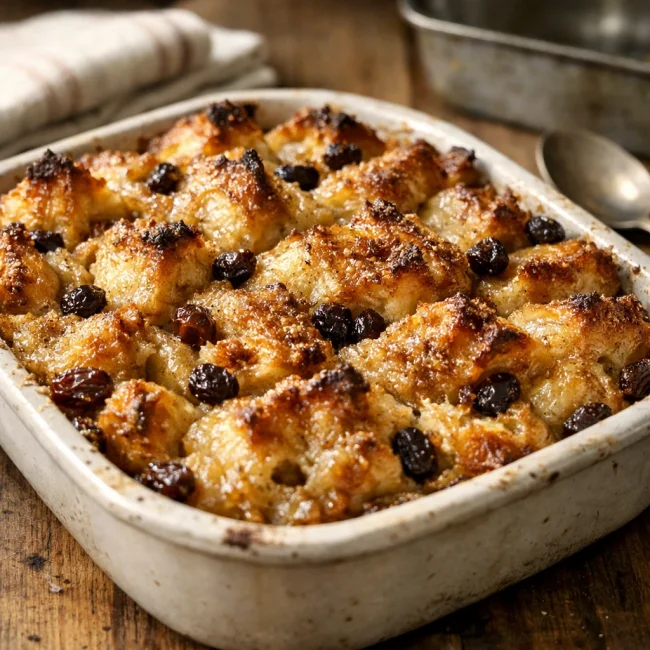
Old-Fashioned Bread Pudding
Discover the classic charm of Old-Fashioned Bread Pudding - a timeless dessert com...
View Recipe
Classic Sloppy Joes
Bring back childhood memories with these hearty and savory sloppy joes. Made with ...
View RecipeFrequently Asked Questions
- Can I use a different type of bean?
- Yes, you can substitute cannellini beans with navy beans or great northern beans.
- What if I don't have a slow cooker?
- You can use a Dutch oven and cook on low heat on the stovetop for about 2-3 hours until the flavors meld together.
- How long does this soup keep?
- Refrigerate leftovers in an airtight container for up to 3 days, or freeze for up to 3 months.
Serving Ideas for Slow Cooker Tuscan Pasta Fagioli Soup
This soup pairs wonderfully with a slice of crusty Italian bread or a simple green salad. For a heartier meal, consider serving it alongside a Caprese salad or a plate of bruschetta. A glass of Chianti wine complements the flavors nicely.
More Soups & Stews, Slow Cooker, Italian Recipes
Slow Cooker Tuscan Pasta Fagioli Soup
Delight in the comforting essence of this Slow Cooker Tuscan Pasta Fagioli Soup, a...
View Recipe