
Savory Pork Tenderloin
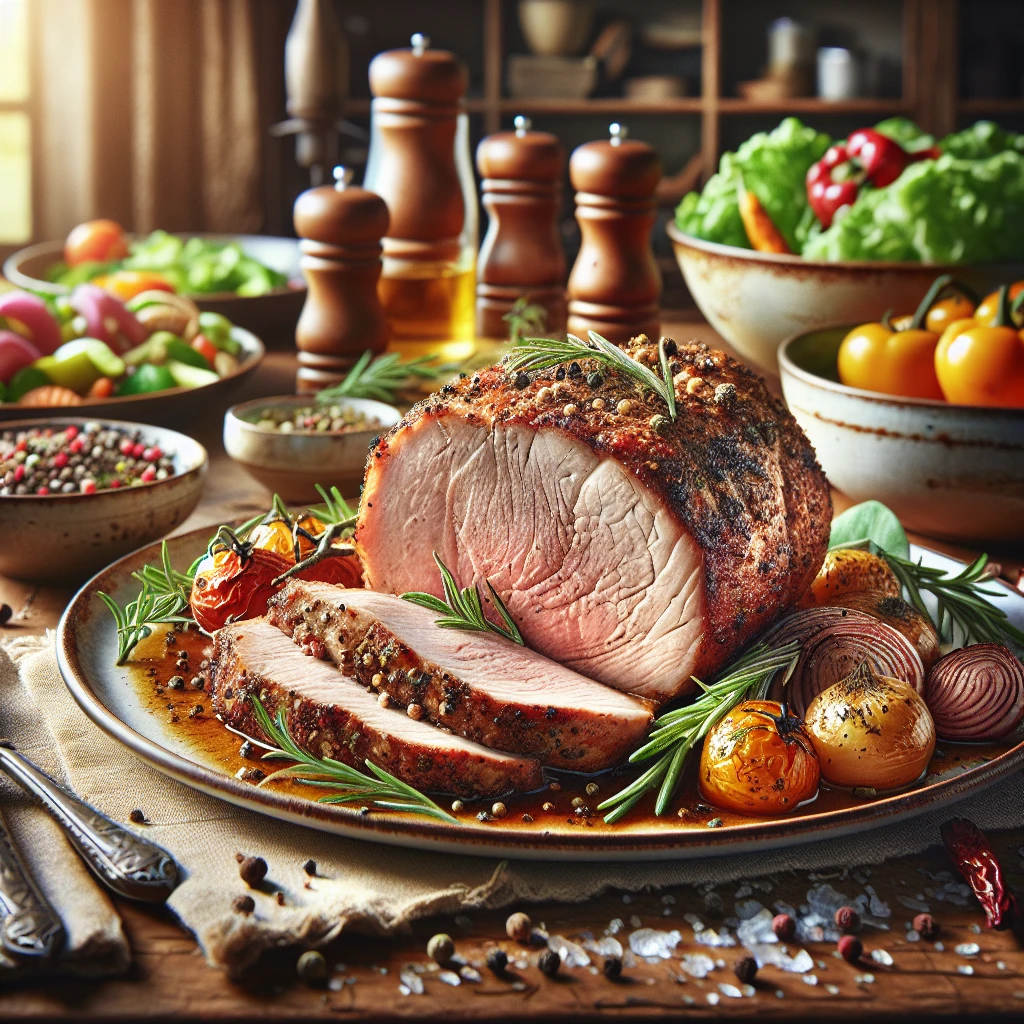
Welcome to a simple yet tantalizing recipe for Savory Pork Tenderloin! This dish is all about bringing out the natural flavors of pork with a delightful blend of herbs and a hint of sweetness.
 Share
Share
This post may contain affiliate links. As an Amazon Associate, we earn from qualifying purchases.
Ingredients for Savory Pork Tenderloin
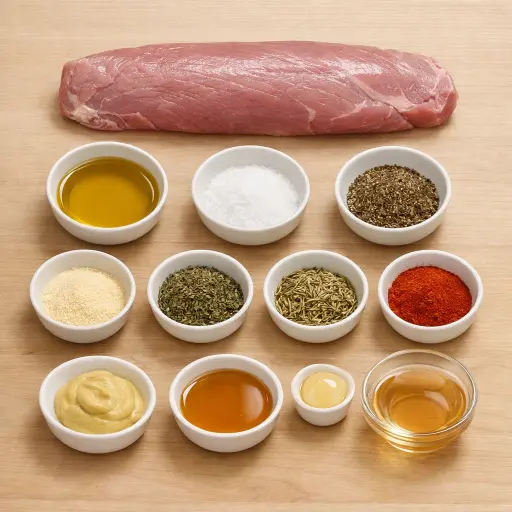
The star of the show is the pork tenderloin. It's lean, tender, and cooks quickly. Olive oil helps carry the flavors and assists in searing. The blend of salt and black pepper enhances the natural taste of the meat. Garlic powder adds a savory depth, while dried thyme and dried rosemary bring aromatic earthiness. Paprika adds a subtle smokiness. The Dijon mustard and honey create a sweet and tangy glaze, complemented by the slight tang of apple cider vinegar.
Why This Savory Pork Tenderloin Works
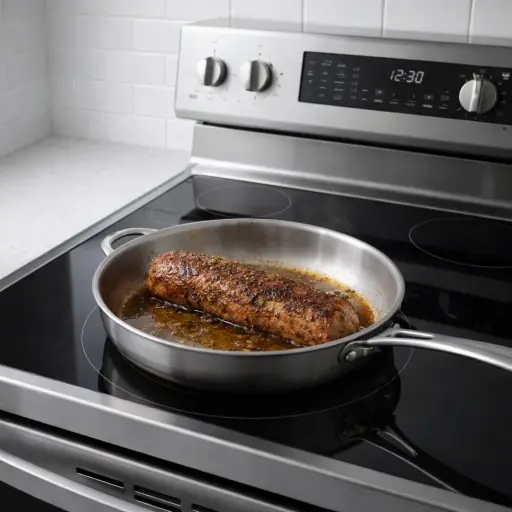
During searing, the outside of the pork browns and firms up into a thin crust. That crust keeps the surface a little tighter, so the juices stay inside instead of running out right away. At the same time, the hot pan gives the spices and herbs a chance to stick to the meat and toast a bit, so they cling instead of falling off in the oven.
Once the pork goes into the oven, the heat moves slowly from the outside toward the center. As the inside warms up, the meat fibers tighten just enough to cook through, but stopping at 145°F keeps them from squeezing out all the moisture. Resting under foil at the end lets those hot juices settle back through the tenderloin instead of spilling onto the cutting board.
The mustard, honey, and vinegar brushed on top form a thin glaze. In the oven, that glaze thickens and sticks to the browned surface, so each slice has a slightly sticky, savory coating around a moist, tender center.
Savory Pork Tenderloin Tips & Tricks
- Use a meat thermometer to get the perfect internal temperature.
- Let the pork rest after cooking to keep it juicy.
- If you’re out of Dijon mustard, whole grain mustard can work too.
Mistakes To Avoid
Letting the pork stay in the oven too long dries it out fast. The lean meat keeps cooking even after it comes out, so a tenderloin roasted past 145°F turns firm and chalky instead of juicy, and the slices look gray and tight rather than slightly pink in the center.
Skipping the sear in the skillet leaves the outside pale and soft. Without that quick browning, the surface doesn’t form a crust, so the tenderloin can taste flat and the honey-mustard coating just slides over a smooth, slightly rubbery exterior instead of clinging to a browned surface.
Putting the pork into a cold or barely hot pan causes it to steam instead of sear. The meat releases liquid, which pools in the pan, so the outside never really browns and the tenderloin can end up looking boiled, with a wet, uneven texture.
Slicing the tenderloin right away instead of letting it rest sends the juices running all over the cutting board. The inside then turns drier and a bit stringy, and the slices lose that moist, slightly springy bite.
Equipment Used:
Oven-safe skillet, Meat thermometer, Small mixing bowls, Whisk
Ingredients
- 1 whole pork tenderloin (about 1.5 pounds)
- 2 tablespoons olive oil
- 1 teaspoon salt
- 1/2 teaspoon black pepper
- 1 teaspoon garlic powder
- 1 teaspoon dried thyme
- 1 teaspoon dried rosemary
- 1/2 teaspoon paprika
- 1 tablespoon Dijon mustard
- 1 tablespoon honey
- 1 tablespoon apple cider vinegar
Step-by-step Instructions
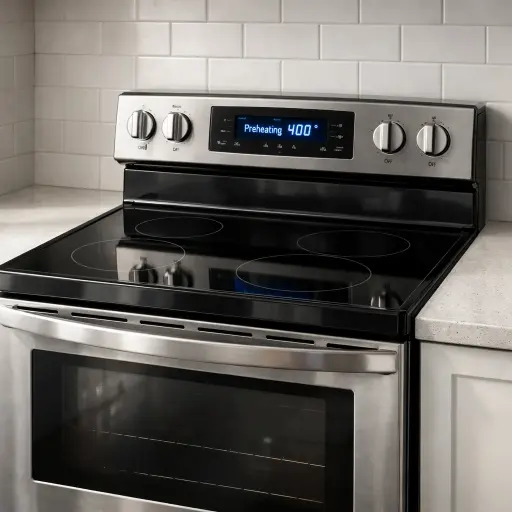
- 1. Preheat your oven to 400°F (200°C).
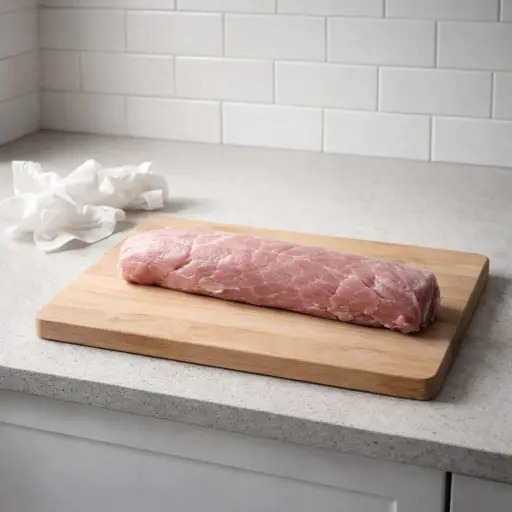
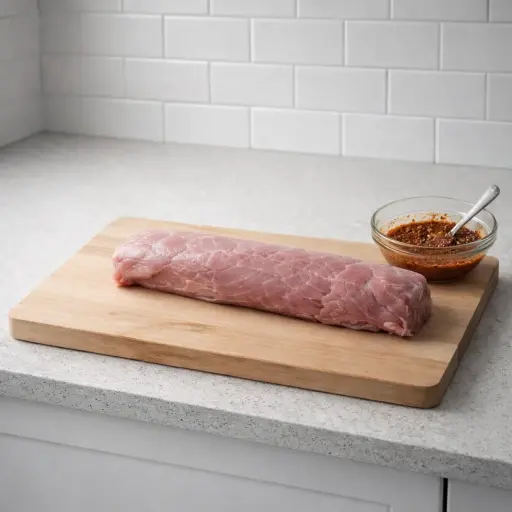
- 2. Pat the pork tenderloin dry with paper towels and place it on a cutting board.
- 3. In a small bowl, mix together the olive oil, salt, black pepper, garlic powder, thyme, rosemary, and paprika to create a spice rub.
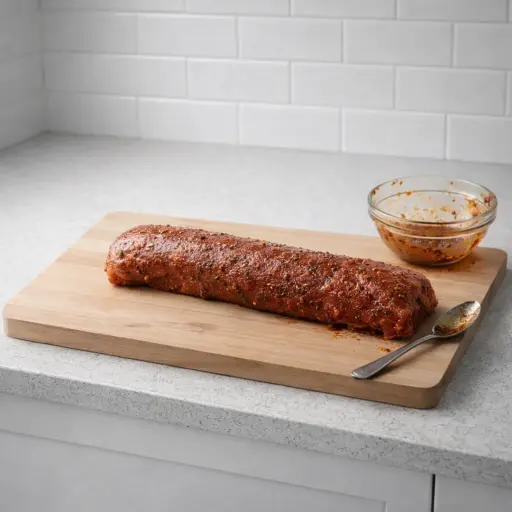
- 4. Rub the spice mixture all over the pork tenderloin, ensuring it is evenly coated.
- 5. Heat a large oven-safe skillet over medium-high heat and add the tenderloin, searing it on all sides until browned (about 3 minutes per side).
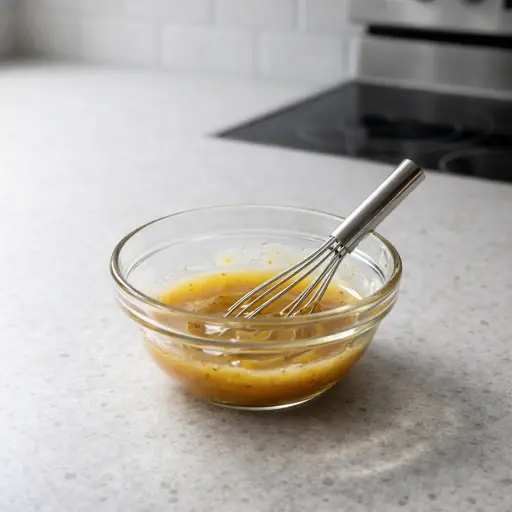
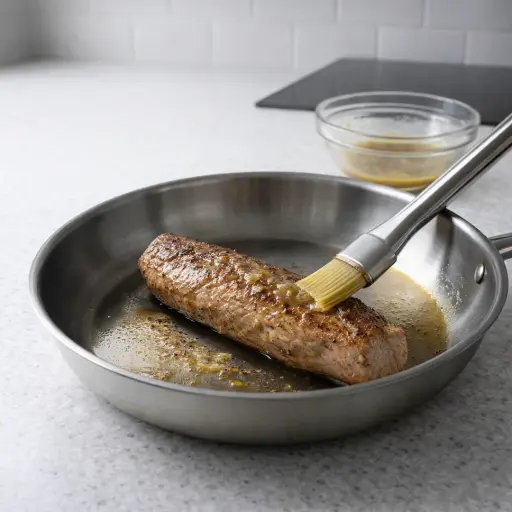
- 6. In a separate small bowl, whisk together the Dijon mustard, honey, and apple cider vinegar.
- 7. Brush the mustard mixture over the seared pork tenderloin.
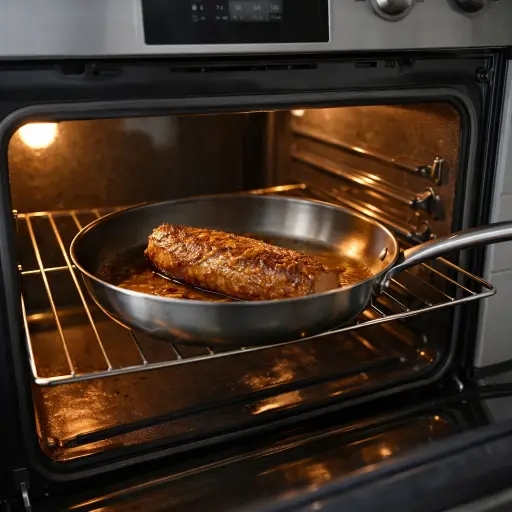
- 8. Transfer the skillet with the pork into the preheated oven and roast for 15-20 minutes, or until the internal temperature reaches 145°F (63°C).
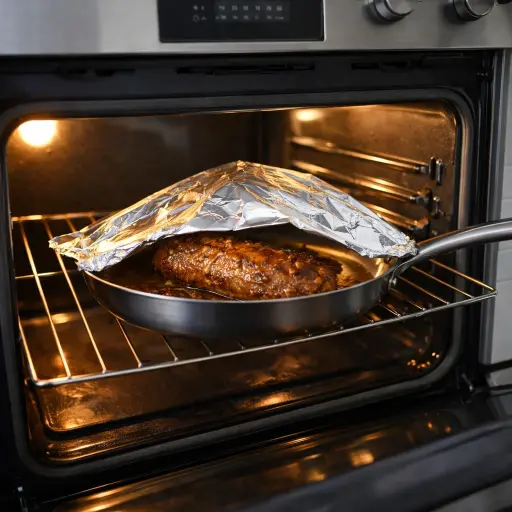
- 9. Remove the tenderloin from the oven, cover loosely with aluminum foil, and let it rest for 5 minutes before slicing.
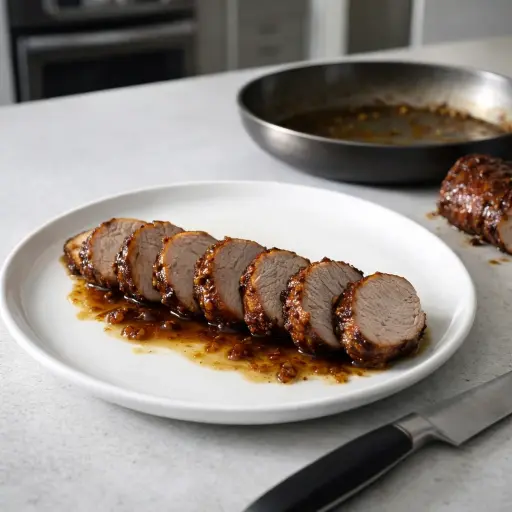
- 10. Slice the pork tenderloin into medallions and serve with your choice of sides.
Trending Now
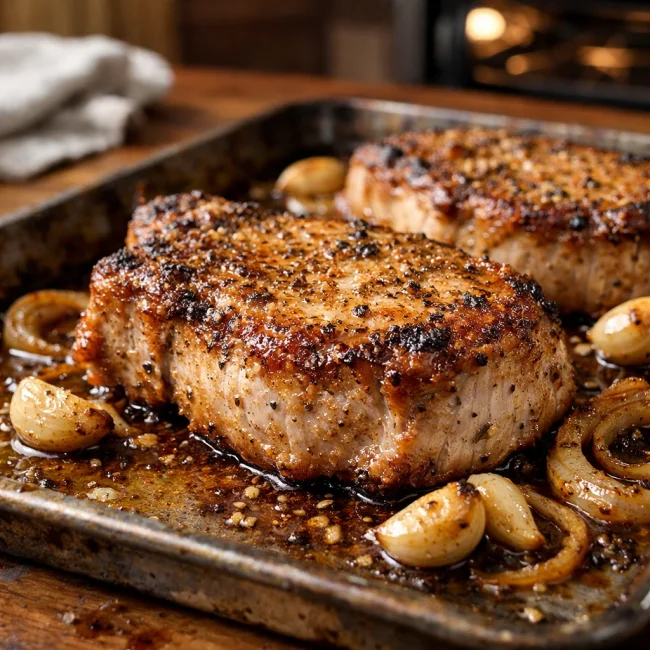
Oven-Baked Pork Chops
Enjoy a delightful dinner with these tender and juicy oven-baked pork chops, seaso...
View Recipe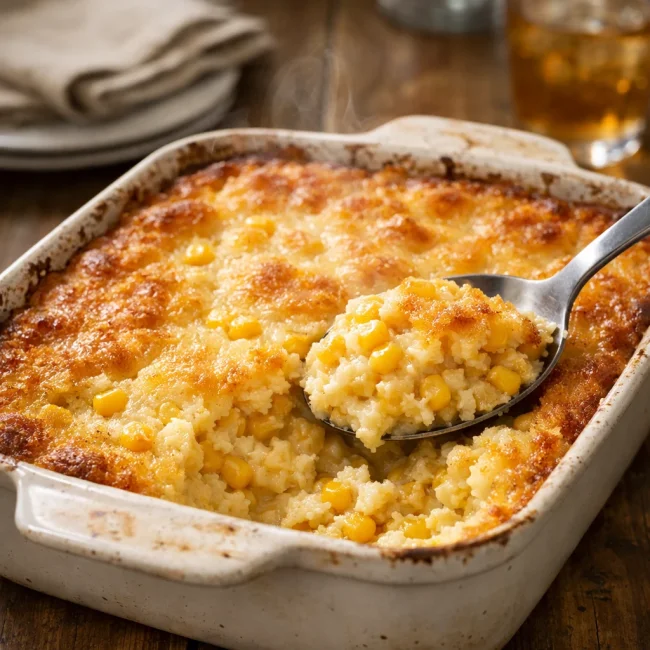
Traditional Corn Casserole
A delightful corn casserole dish that embodies the comforting flavors of sweet cor...
View Recipe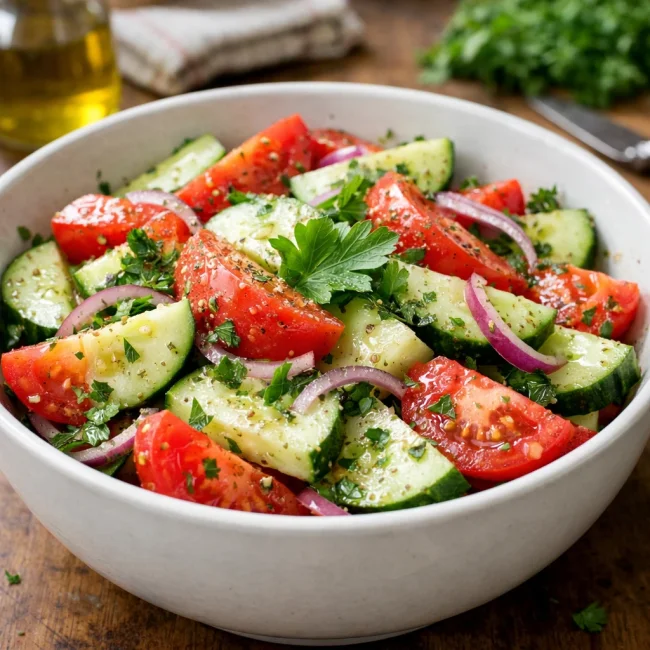
Traditional Cucumber and Tomato Salad
A refreshing and simple salad combining crisp cucumbers and juicy tomatoes, season...
View Recipe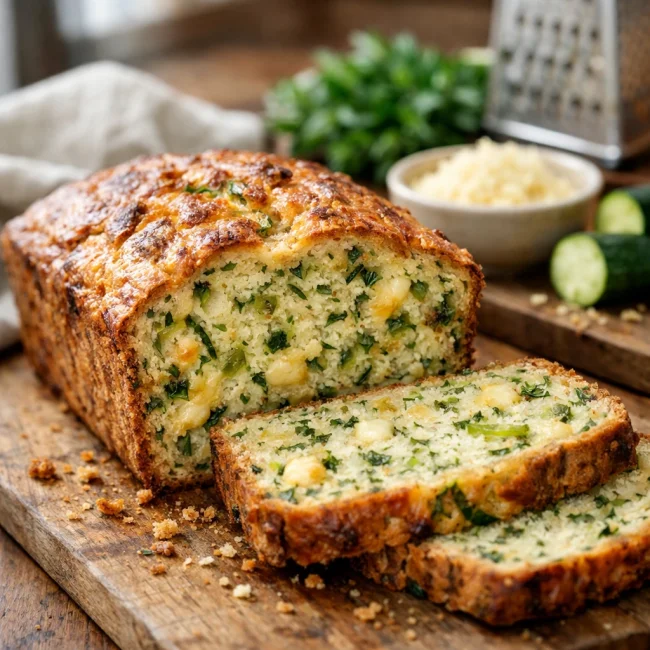
Savory Zucchini Bread
Savory Zucchini Bread is a delectable twist on traditional zucchini recipes, combi...
View RecipeFrequently Asked Questions
- Can I use a different cut of pork?
- Yes, but cooking times will vary. Pork loin or chops might be alternative options.
- What if I don't have an oven-safe skillet?
- You can sear the pork in a regular skillet and then transfer it to a baking dish for roasting.
Serving Ideas for Savory Pork Tenderloin
This savory pork tenderloin pairs wonderfully with roasted vegetables or a fresh green salad. For a more filling meal, consider serving it alongside mashed potatoes or a creamy risotto.
More Main Dishes Recipes
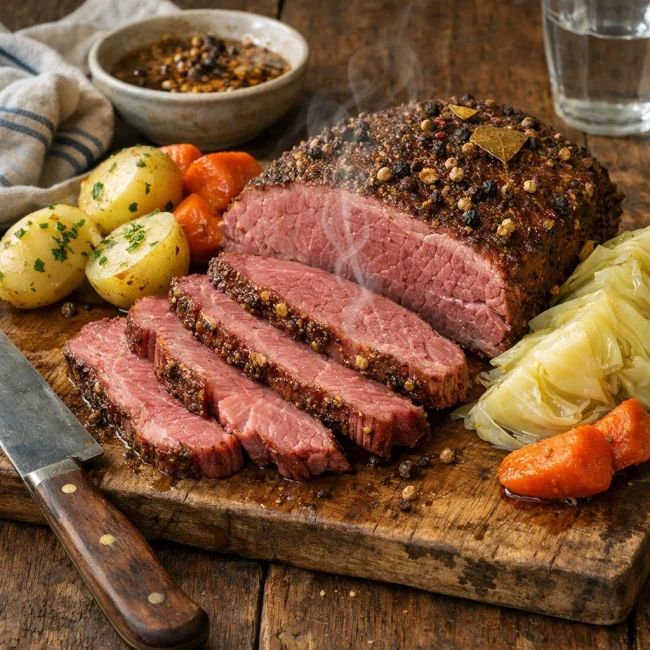
Unique Homemade Corned Beef
Discover the ultimate homemade corned beef recipe that balances rich flavors and t...
View Recipe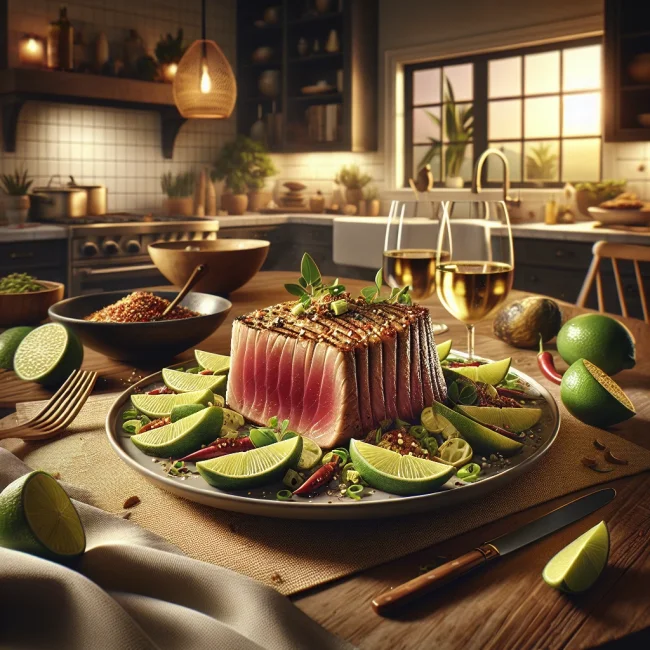
Spicy Lime Seared Ahi Tuna
Experience a burst of flavor with our Spicy Lime Seared Ahi Tuna, a perfect fusion...
View Recipe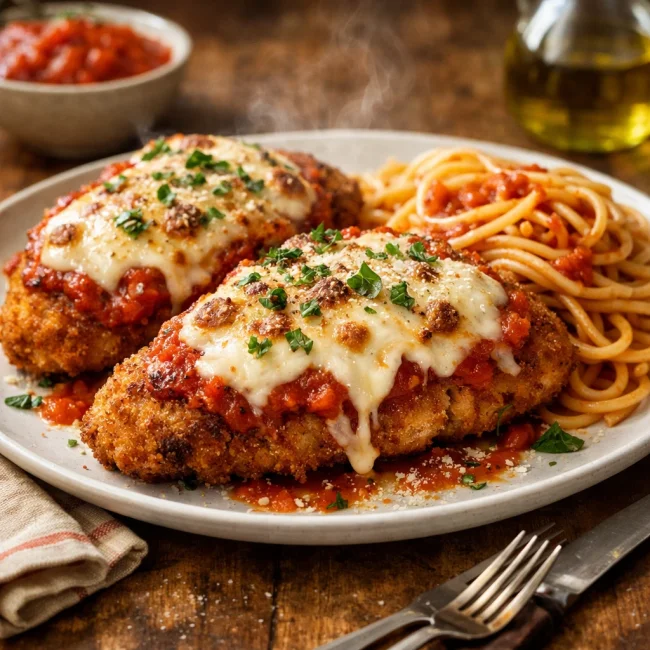
Traditional Chicken Parmesan
Savor the authentic taste of Italian cuisine with our Traditional Chicken Parmesan...
View Recipe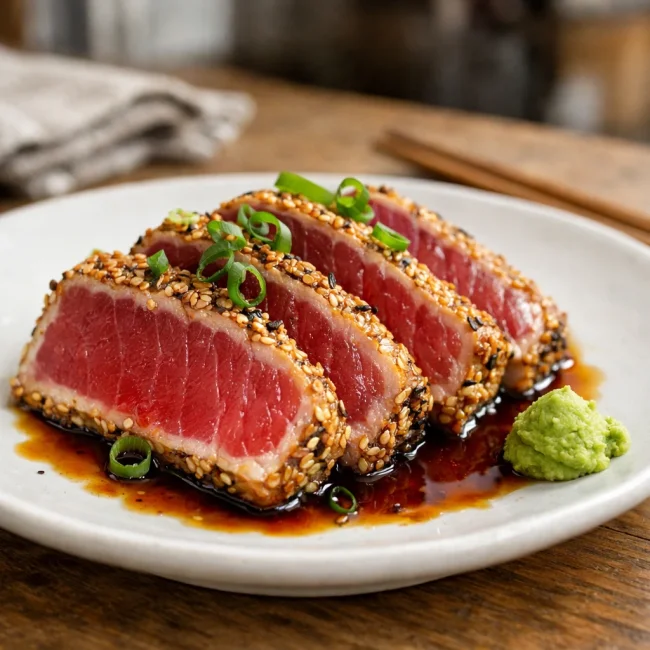
Seared Ahi Tuna
Experience the sublime taste of seared Ahi tuna, a Japanese-inspired dish that hig...
View Recipe