
Savory Herb No-Knead Bread
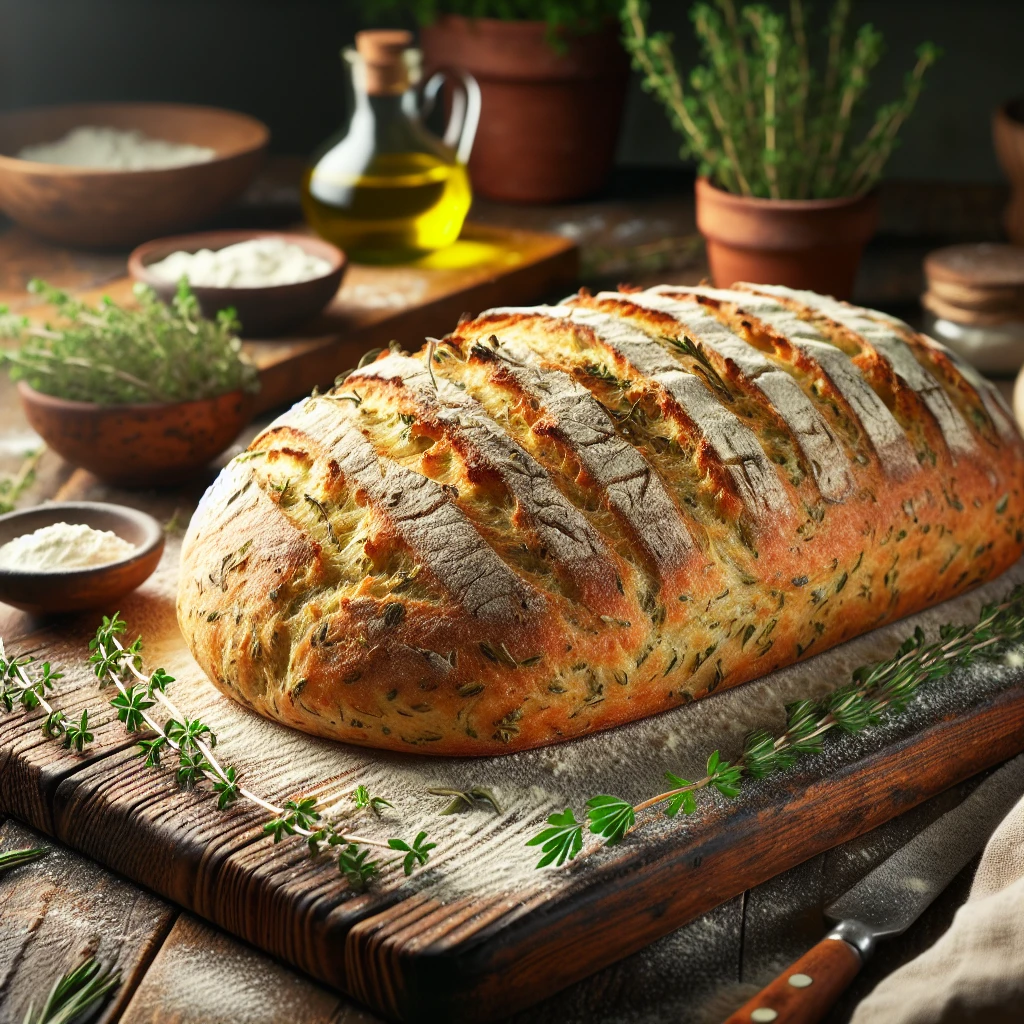
If you're looking for a fuss-free way to enjoy homemade bread with a flavorful twist, my Savory Herb No-Knead Bread is just what you need. This recipe blends aromatic herbs with a simple, no-knead method that saves time and effort while delivering a deliciously fragrant loaf.
 Share
Share
This post may contain affiliate links. As an Amazon Associate, we earn from qualifying purchases.
Ingredients for Savory Herb No-Knead Bread
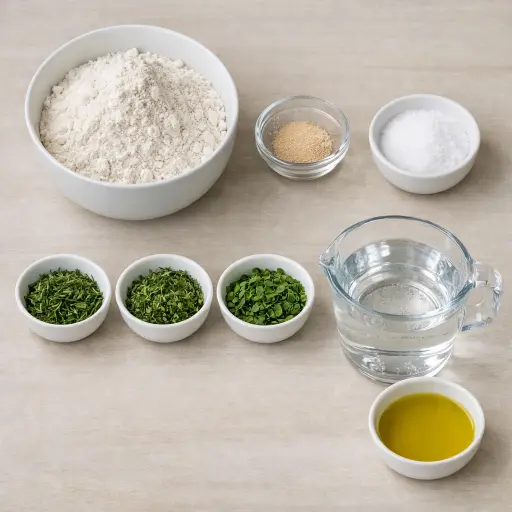
Let's break down the ingredients and see why each one is essential to this bread's success. We start with all-purpose flour, the backbone of any good bread, providing the structure. A touch of active dry yeast is all we need to help our bread rise overnight. Salt is crucial for enhancing flavor, while fresh rosemary, thyme, and oregano bring in a garden-fresh aroma. Warm water activates the yeast, and olive oil adds a subtle richness and helps with browning.
Why This Savory Herb No-Knead Bread Works
During the long rest, the tiny amount of yeast slowly works through the flour and water. The dough sits for many hours, so the flour has time to soak up the water fully. As it rests, the dough loosens and stretches on its own, so there is no need to knead. Gluten forms slowly over time, which lets the dough hold its shape and trap air.
Over those hours, the chopped rosemary, thyme, and oregano spread through the wet dough. Their oils move into the dough while it sits, so every slice ends up tasting herby instead of just the crust. The salt also has time to spread out evenly.
In the oven, the hot Dutch oven and the wet dough work together. The covered pot keeps steam around the dough, so the outside stays soft at first and can rise high. After the lid comes off, the surface dries and browns, giving a crisp crust. Inside, the bread stays moist and airy, with little holes from the gas the yeast made during the long rest.
Savory Herb No-Knead Bread Tips & Tricks
- For a crispier crust, spritz the dough with a little water before placing it in the Dutch oven.
- Make sure your water is warm, not hot, to avoid killing the yeast.
- If you don't have fresh herbs, dried herbs can work in a pinch, but reduce the quantity by half.
Mistakes To Avoid
Letting the dough rest for only a few hours instead of the full 18–24 means the yeast barely wakes up. The dough stays tight and heavy instead of bubbly and stretchy. In the oven, this gives a flat, dense loaf with a tight crumb instead of big, airy holes.
Using water that is very hot rather than just warm can kill most of the yeast right at the start. The bowl then sits for hours with almost no rising, so the dough looks thick and sluggish. The baked bread comes out low, pale, and gummy inside.
Skipping the preheat of the Dutch oven often leads to a loaf that spreads out instead of springing up. The cool pot doesn’t shock the dough, so the crust forms slowly and the bread grows sideways. The result is a wide, squat loaf with a softer, less crisp crust.
Adding a lot more fresh herbs than listed can make the dough heavy and wet. The extra bits break up the gluten strands and hold moisture in odd spots. In the oven, this can cause uneven holes and slightly soggy patches around the herbs.
Equipment Used:
Ingredients
- 3 cups all-purpose flour
- 1/4 teaspoon active dry yeast
- 1 1/4 teaspoons salt
- 1 tablespoon chopped fresh rosemary
- 1 tablespoon chopped fresh thyme
- 1 tablespoon chopped fresh oregano
- 1 1/2 cups warm water
- 2 tablespoons olive oil
Step-by-step Instructions
- 1. In a large bowl, combine flour, yeast, salt, rosemary, thyme, and oregano.
- 2. Add warm water to the bowl and stir until a rough dough forms.
- 3. Cover the bowl with plastic wrap and let it rest at room temperature for 18-24 hours.
- 4. Preheat oven to 450°F and place a Dutch oven inside to heat up.
- 5. Turn the dough onto a floured surface and shape into a ball.
- 6. Place dough on parchment paper and cover with a towel, letting it rest for 30 minutes.
- 7. Carefully transfer the dough and parchment paper into the hot Dutch oven.
- 8. Cover and bake for 30 minutes, then remove the lid and bake for another 15 minutes until golden.
- 9. Carefully remove from the oven and let cool before slicing.
Trending Now

Traditional Crisp Coleslaw
A classic coleslaw recipe featuring finely shredded cabbage and carrots tossed in ...
View Recipe
Traditional Italian Bruschetta
Experience the authentic taste of Italian bruschetta, a perfect blend of fresh tom...
View Recipe
Classic Green Beans
Discover the timeless delight of Classic Green Beans, a simple yet flavorful side ...
View Recipe
Old-Fashioned Bread Pudding
Discover the classic charm of Old-Fashioned Bread Pudding - a timeless dessert com...
View RecipeFrequently Asked Questions
- Can I use whole wheat flour?
- Yes, but it will make the bread denser. You might want to mix it with all-purpose flour for a lighter texture.
- What if I don't have a Dutch oven?
- You can use any oven-safe pot with a lid. Just ensure it's preheated well to achieve a good crust.
Serving Ideas for Savory Herb No-Knead Bread
This bread pairs wonderfully with a variety of dishes. Try serving it alongside a hearty stew or soup, or use it to make gourmet sandwiches. It's also delightful toasted with a bit of butter or olive oil for a simple, yet satisfying snack.
More Breads & Baked Goods Recipes

Traditional Italian Easter Bread
Savor the delightful taste of a classic Italian Easter bread, a sweet, soft, and s...
View Recipe
Old-Fashioned Pineapple Bread
A delightful and flavorful bread infused with juicy pineapple, perfect for breakfa...
View Recipe
Old-Fashioned Blueberry Muffins
Transport yourself to simpler times with these delightful old-fashioned blueberry ...
View Recipe
Strawberry Basil Scones
These tender scones combine the sweetness of fresh strawberries with a hint of pep...
View Recipe