
Savory Herb Chicken and Dumplings with Caramelized Onions
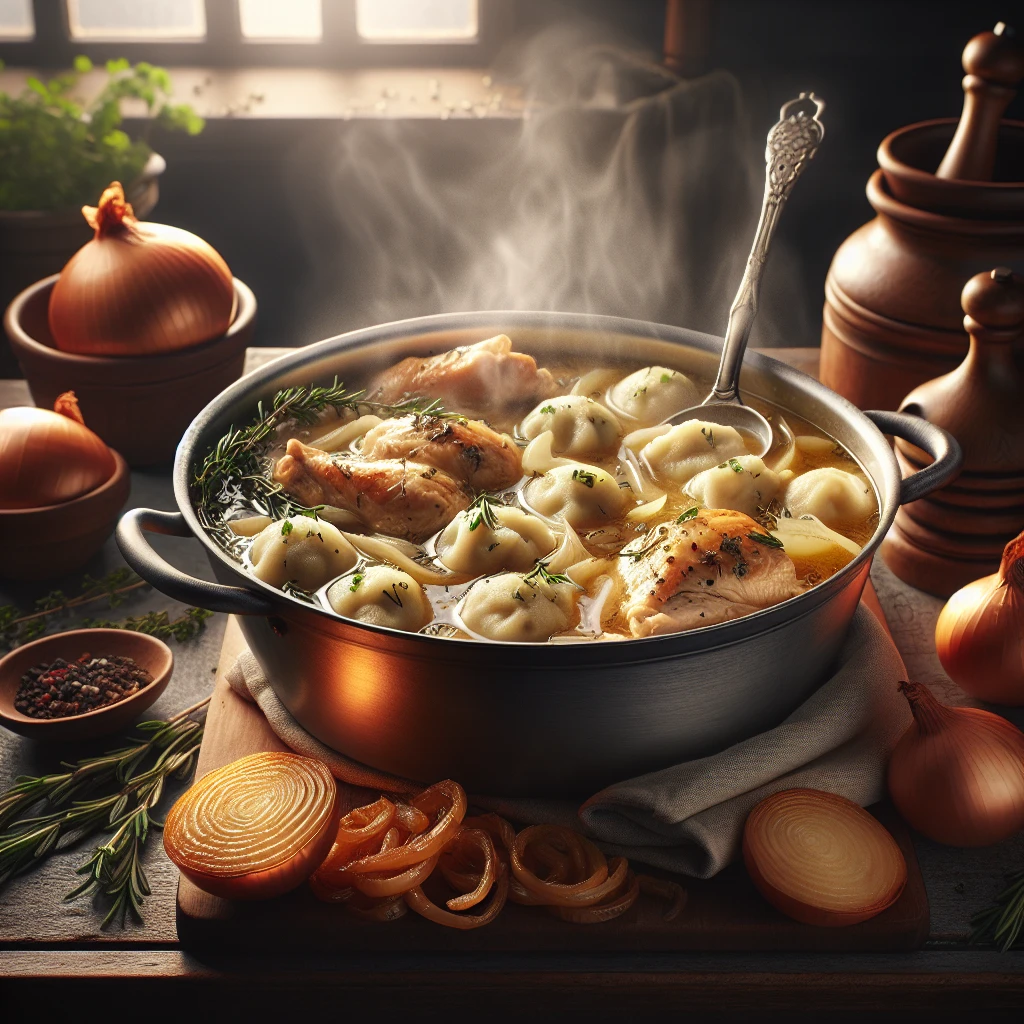
Welcome to a warm, comforting dish that feels like a hug in a bowl: Savory Herb Chicken and Dumplings with Caramelized Onions. This recipe combines tender chicken and fluffy dumplings in a rich broth, all enhanced by the deep flavor of caramelized onions. It’s a dish that’s perfect for cozy evenings and family gatherings.
 Share
Share
This post may contain affiliate links. As an Amazon Associate, we earn from qualifying purchases.
Ingredients for Savory Herb Chicken and Dumplings with Caramelized Onions
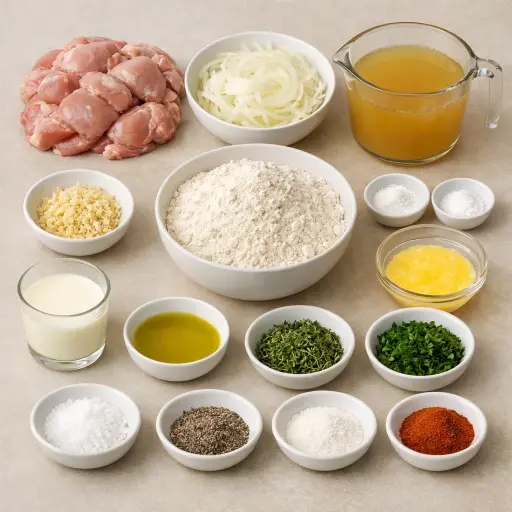
The star of the show is the chicken thighs. They remain tender and juicy, unlike chicken breasts that can dry out. Next, we have the onion, which gets caramelized to a sweet perfection, adding a rich, deep flavor to the broth. The garlic is minced for a subtle pungency that complements the sweetness of the onions. Our chicken broth forms the base of the stew, providing a savory backdrop for all the ingredients.
For the dumplings, all-purpose flour is used as the base, while baking powder and baking soda help them rise and become fluffy. The buttermilk adds a slight tang and tenderness to the dumplings. We melt some unsalted butter for richness and flavor. Fresh thyme and parsley give the dish a fresh, herby lift. Olive oil is used to caramelize the onions, and a bit of salt, black pepper, and paprika season everything perfectly.
Why This Savory Herb Chicken and Dumplings with Caramelized Onions Works
At the start, the onions sit in the pot long enough to really soften and brown. As they cook slowly, their sharp bite fades and they start to taste sweeter and deeper. When the garlic and chicken thighs go in on top of those onions, the chicken browns in that hot, flavored oil. The outside of the meat firms up a bit and gets some color, but the inside stays soft because thighs have more fat and don’t dry out as fast.
Once the broth is added and everything simmers, the chicken has time to loosen up and turn very tender. Little bits from the bottom of the pot mix into the liquid, so the broth thickens slightly and takes on the taste of the onions and spices. While the stew bubbles gently, the dumpling dough goes on top. The baking powder and baking soda react to the buttermilk and heat, so the dumplings puff up instead of staying dense. Steam from the hot broth moves up into the dough, cooking it through while the melted butter keeps the dumplings soft and not gummy.
Savory Herb Chicken and Dumplings with Caramelized Onions Tips & Tricks
- For perfectly caramelized onions, patience is key. Keep the heat at medium and stir occasionally.
- Use a spoon to drop the dumpling dough into the stew to avoid sticking.
- Check the dumplings by inserting a toothpick; it should come out clean.
- If you prefer a thicker stew, mash a few of the cooked potatoes or add a cornstarch slurry.
Mistakes To Avoid
Letting the onions rush instead of fully caramelizing them leaves them pale and still sharp. They don’t soften enough, so they stay a bit crunchy and the broth tastes thin instead of rich, and the whole stew ends up tasting more like plain boiled chicken with onions floating in it.
Putting the chicken into a pot that’s too crowded or not hot enough stops it from browning. The thighs then turn a dull gray and release a lot of liquid, so the pot fills with pale, weak broth instead of getting those browned bits on the bottom that make the stew darker and more savory.
Dropping very large dumpling scoops into a weak simmer often leads to half-cooked centers. The outside firms up and looks done, but the middle stays doughy and pasty, so biting into them gives a raw, gummy texture.
Overmixing the dumpling dough beats out the softness. The flour gets worked too much, the dough tightens, and the dumplings cook up heavy and chewy instead of light and fluffy on top of the stew.
Equipment Used:
Ingredients
- 2 lbs boneless skinless chicken thighs
- 1 large onion, thinly sliced
- 2 cloves garlic, minced
- 3 cups chicken broth
- 2 cups all-purpose flour
- 1 tbsp baking powder
- 1/2 tsp baking soda
- 1/3 cup buttermilk
- 1/4 cup unsalted butter, melted
- 1 tbsp fresh thyme, chopped
- 1 tbsp fresh parsley, chopped
- 1 tbsp olive oil
- 1 tsp salt
- 1/2 tsp black pepper
- 1/2 tsp paprika
Step-by-step Instructions
- 1. Heat olive oil in a large pot over medium heat. Add sliced onions and cook until caramelized, about 15 minutes.
- 2. Add minced garlic and cook for an additional 2 minutes.
- 3. Stir in chicken thighs, season with salt, pepper, and paprika, and cook until browned on all sides.
- 4. Pour in chicken broth, bring to a boil, then reduce heat to simmer for 20 minutes.
- 5. In a bowl, combine flour, baking powder, and baking soda. Mix in buttermilk, melted butter, and chopped herbs until a dough forms.
- 6. Drop spoonfuls of dough onto the simmering stew, cover, and cook for another 15 minutes until dumplings are cooked through.
- 7. Garnish with additional fresh herbs before serving.
Trending Now
Oven-Baked Pork Chops
Enjoy a delightful dinner with these tender and juicy oven-baked pork chops, seaso...
View Recipe
Traditional Corn Casserole
A delightful corn casserole dish that embodies the comforting flavors of sweet cor...
View Recipe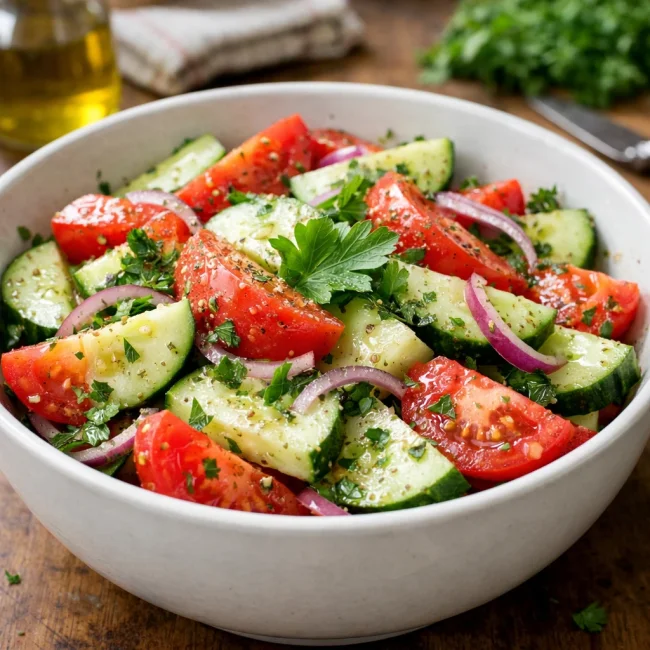
Traditional Cucumber and Tomato Salad
A refreshing and simple salad combining crisp cucumbers and juicy tomatoes, season...
View Recipe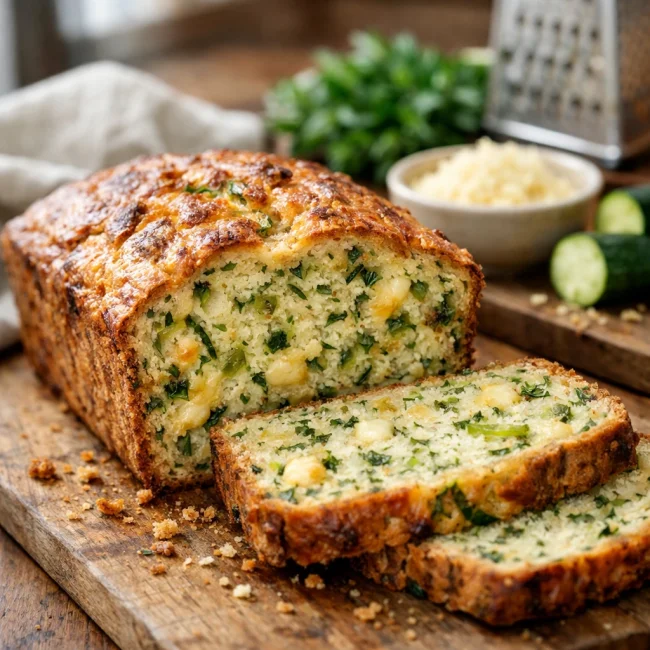
Savory Zucchini Bread
Savory Zucchini Bread is a delectable twist on traditional zucchini recipes, combi...
View RecipeFrequently Asked Questions
- Can I use chicken breasts instead of thighs?
- Yes, but keep in mind they might not be as tender. Adjust the cooking time as needed.
- What if I don’t have buttermilk?
- You can substitute with 1/3 cup milk mixed with 1 teaspoon of lemon juice or vinegar.
- Can I make this dish ahead of time?
- The stew can be made in advance, but prepare the dumplings just before serving for the best texture.
Serving Ideas for Savory Herb Chicken and Dumplings with Caramelized Onions
Serve this dish warm with a side of crusty bread to soak up the delicious broth. A fresh green salad with a tangy vinaigrette makes a great contrast to the rich, savory flavors. For an added touch, sprinkle extra fresh parsley on top before serving.
More Soups & Stews Recipes
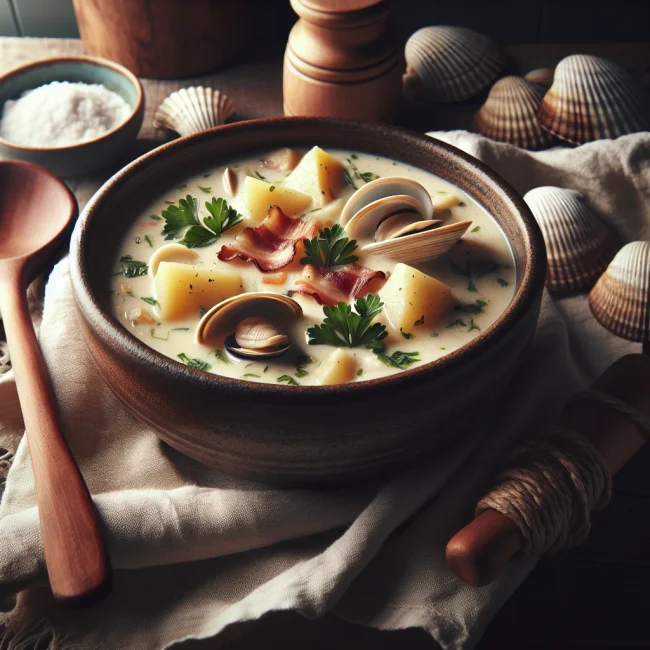
Classic Clam Chowder
Indulge in a timeless seaside staple with our Classic Clam Chowder recipe, a rich ...
View Recipe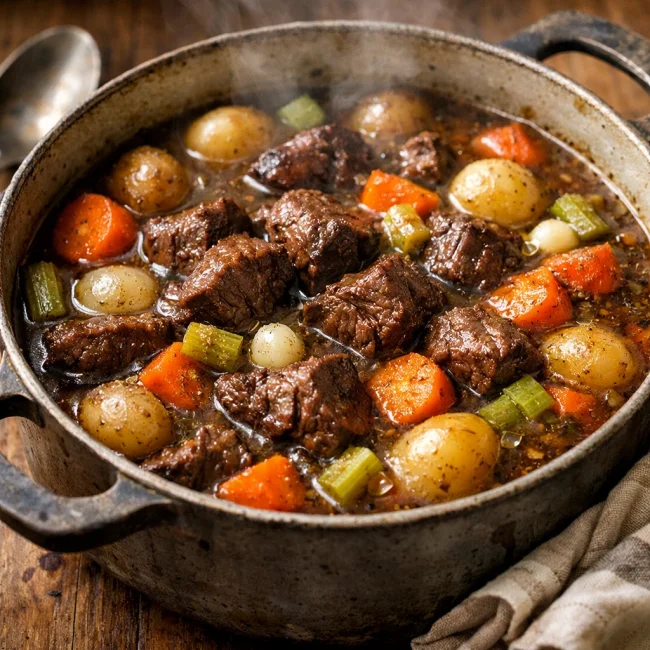
Traditional Beef Stew
A heartwarming traditional beef stew that combines tender beef chunks with classic...
View Recipe
Southwestern Chipotle Taco Soup
Explore the bold flavors of the Southwest with this unique variation of taco soup,...
View Recipe
Southwest Fiesta Taco Soup
Discover the vibrant flavors of our Southwest Fiesta Taco Soup, a quick and hearty...
View Recipe