
Savory Herb Bread Machine Loaf
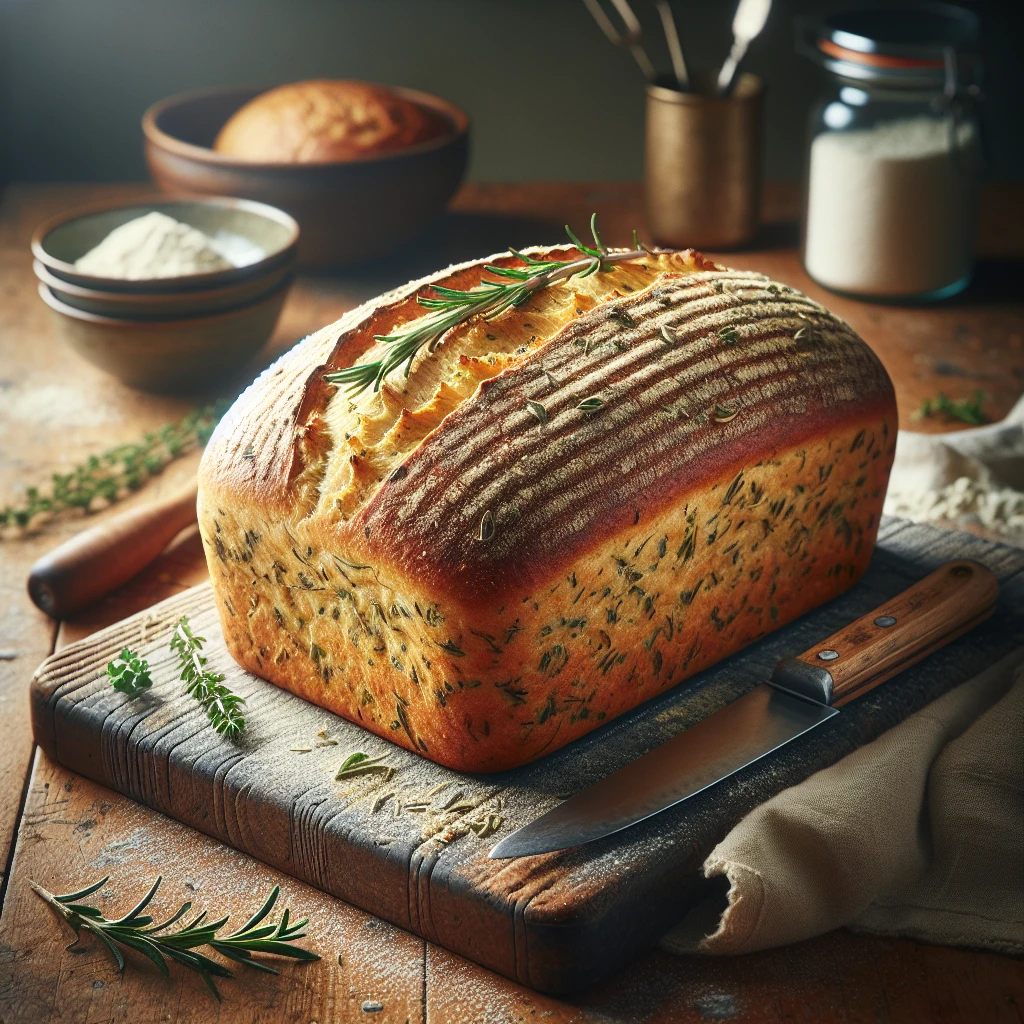
There's nothing quite like the aroma of freshly baked bread wafting through your home. This Savory Herb Bread Machine Loaf is your ticket to that experience with minimal fuss. Perfectly herby and delightfully fluffy, it's your new go-to for an effortless culinary delight.
 Share
Share
This post may contain affiliate links. As an Amazon Associate, we earn from qualifying purchases.
Ingredients for Savory Herb Bread Machine Loaf
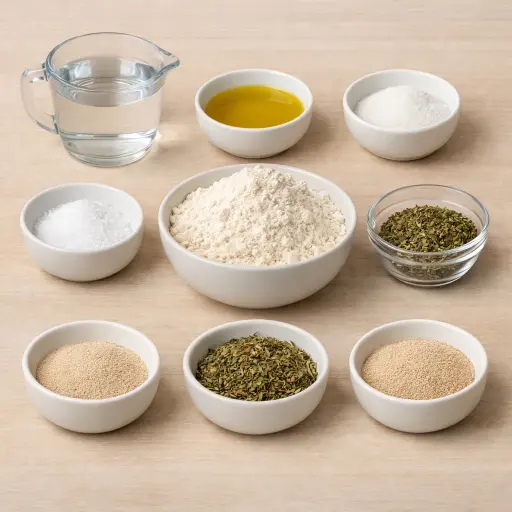
The foundation here is water, which activates the yeast and brings everything together. Adding olive oil not only enriches the flavor but also helps keep the loaf tender. A touch of sugar feeds the yeast, ensuring a nice rise. Salt balances the flavors and controls yeast activity. The backbone of this bread, bread flour, has a higher protein content, which provides that lovely chewy texture. The star of the show, dried mixed herbs like basil, oregano, and thyme infuse every bite with savory goodness. Finally, active dry yeast is the engine that makes the bread rise beautifully.
Why This Savory Herb Bread Machine Loaf Works
Warm water wakes up the yeast so it starts to bubble and grow. Sugar gives the yeast something to eat, so it keeps working during the whole cycle. As the yeast works, it fills the dough with tiny gas pockets. Those little pockets stay trapped inside the bread flour, which has enough protein to stretch and hold the gas instead of tearing. That’s what makes the loaf rise high instead of staying flat and dense.
During kneading, the machine keeps folding and pressing the dough. The flour and water join together and form long stretchy strands that hold everything in place. Olive oil coats those strands so they don’t tighten too much, which keeps the bread soft instead of tough. The dried herbs spread through the dough as it moves around, so they don’t sit in one spot.
As the bread bakes, the heat sets that stretchy structure in place. The gas pockets expand, then stay fixed as the crust firms up. After baking, cooling on a rack lets steam escape slowly, so the inside stays tender and sliceable instead of gummy.
Savory Herb Bread Machine Loaf Tips & Tricks
- Ensure your water is warm, not hot, to avoid killing the yeast.
- If your bread machine has a "delay start" feature, use it to have freshly baked bread ready for breakfast.
- Experiment with different herb combinations to find your favorite flavor profile.
Mistakes To Avoid
Using water that is too hot or too cold throws off the yeast. When the water is very hot, the yeast dies and the dough never rises, so the loaf bakes up short, heavy, and tight inside. When the water is too cold, the yeast wakes up slowly and the bread can stay dense and low instead of puffing up.
Letting the salt touch the yeast directly in the little well can also cause trouble. Salt sitting right on the yeast can weaken it before the machine even starts mixing, so the dough rises less and the bread comes out flatter and tougher.
Adding the herbs under the flour instead of on top changes the dough texture. When dried herbs sit in the liquid, they soak up water that should go into the flour, so the dough can turn stiff and dry and the finished loaf feels crumbly instead of soft.
Slicing the bread while it is still hot from the machine often squashes it. The steam inside has not settled yet, so the knife presses the crumb down and the slices turn gummy and uneven.
Equipment Used:
Ingredients
- 1 cup warm water
- 2 tablespoons olive oil
- 1 tablespoon sugar
- 1 teaspoon salt
- 3 cups bread flour
- 2 tablespoons dried mixed herbs (such as basil, oregano, and thyme)
- 1 packet (2 1/4 teaspoons) active dry yeast
Step-by-step Instructions
- 1. Add the warm water, olive oil, sugar, and salt to the bread machine pan.
- 2. Sprinkle the bread flour over the liquid to cover completely.
- 3. Make a small well in the center of the flour and add the dried mixed herbs and active dry yeast.
- 4. Set the bread machine to the Basic or White Bread setting, and select the medium crust option.
- 5. Start the machine and let it work through the kneading, rising, and baking cycles.
- 6. Once the baking cycle completes, carefully remove the bread from the machine and let it cool on a wire rack before slicing.
Trending Now
Classic Banana Bread
Classic Banana Bread is a timeless dessert beloved for its moist texture and sweet...
View Recipe
Classic Cucumber Salad
A refreshing and light cucumber salad featuring crisp cucumbers and a tangy vinaig...
View Recipe
Zesty Summer Squash Casserole
This delightful summer squash casserole combines vibrant garden-fresh vegetables w...
View Recipe
Traditional Dump Cake
Discover the timeless delight of the Traditional Dump Cake, a simple and scrumptio...
View RecipeFrequently Asked Questions
- Can I use fresh herbs instead of dried?
- Yes, but you'll need to use three times the amount since fresh herbs are less concentrated than dried.
- What if I don't have a bread machine?
- You can knead the dough by hand or using a stand mixer, then let it rise twice before baking in a conventional oven.
- How can I store leftover bread?
- Wrap it in foil or store in an airtight container at room temperature for up to three days. For longer storage, freeze it.
Serving Ideas for Savory Herb Bread Machine Loaf
This herb loaf pairs beautifully with a hearty soup or stew, making for a comforting meal. It's also fantastic as a base for sandwiches, especially those featuring roasted or grilled vegetables. For a simple yet satisfying snack, serve it with a generous spread of garlic butter.
More Breads & Baked Goods Recipes

Traditional Italian Easter Bread
Savor the delightful taste of a classic Italian Easter bread, a sweet, soft, and s...
View Recipe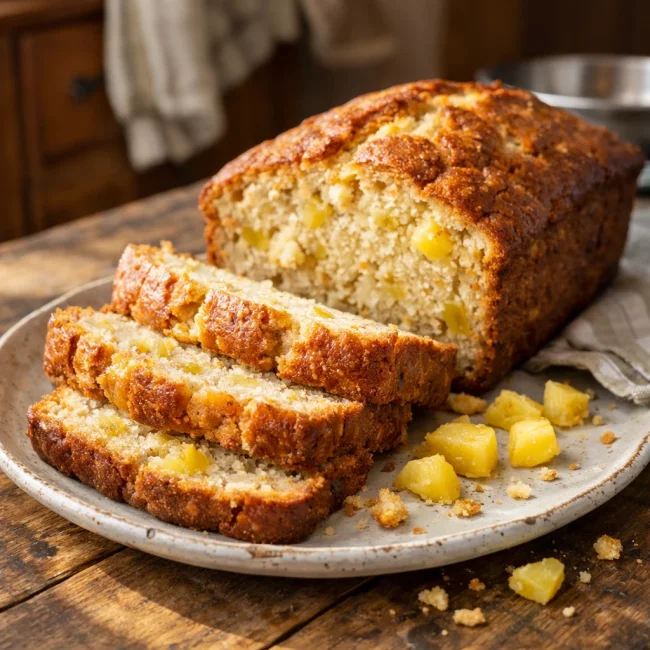
Old-Fashioned Pineapple Bread
A delightful and flavorful bread infused with juicy pineapple, perfect for breakfa...
View Recipe
Old-Fashioned Blueberry Muffins
Transport yourself to simpler times with these delightful old-fashioned blueberry ...
View Recipe
Strawberry Basil Scones
These tender scones combine the sweetness of fresh strawberries with a hint of pep...
View Recipe