
San Francisco Sourdough Bread
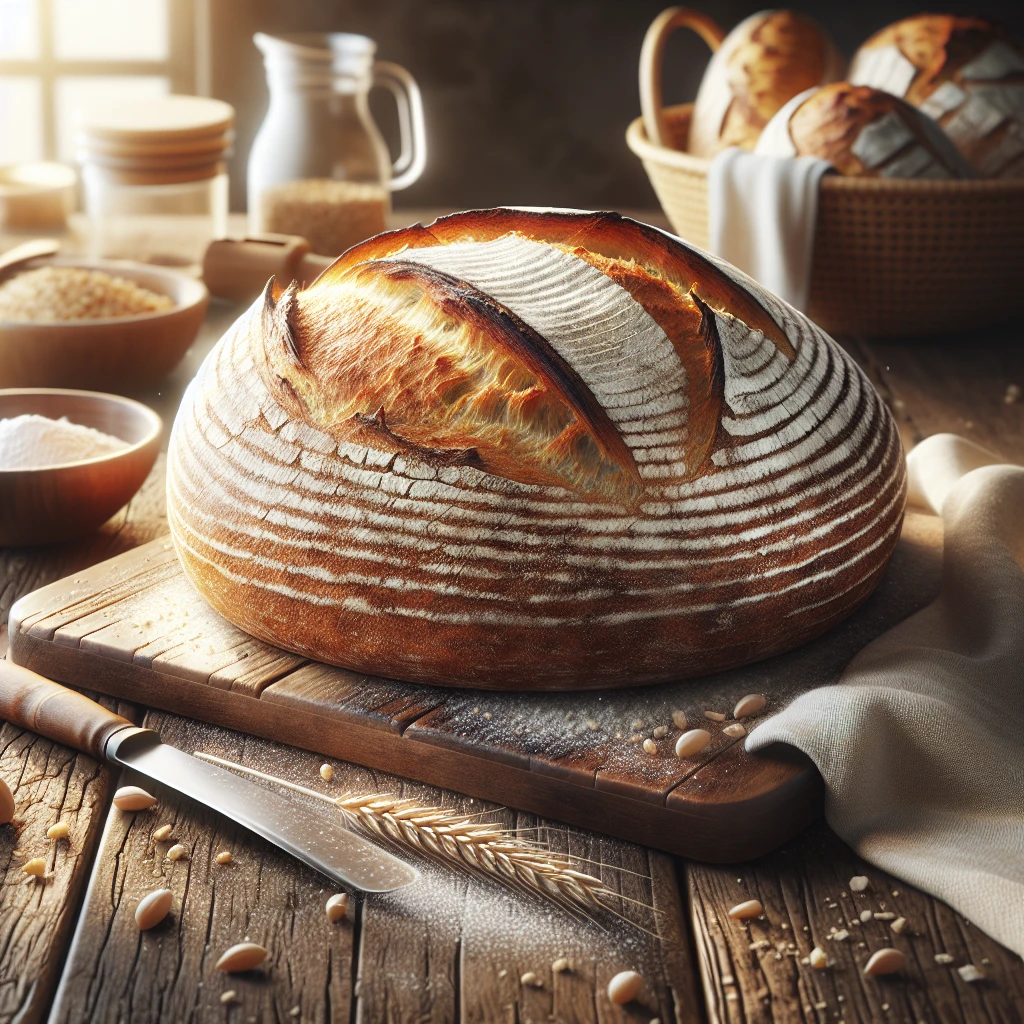
San Francisco Sourdough Bread is renowned for its tangy flavor and chewy texture. This recipe brings a taste of the Bay Area into your kitchen, capturing that distinctive sourdough essence that's perfect for any occasion.
 Share
Share
This post may contain affiliate links. As an Amazon Associate, we earn from qualifying purchases.
Ingredients for San Francisco Sourdough Bread
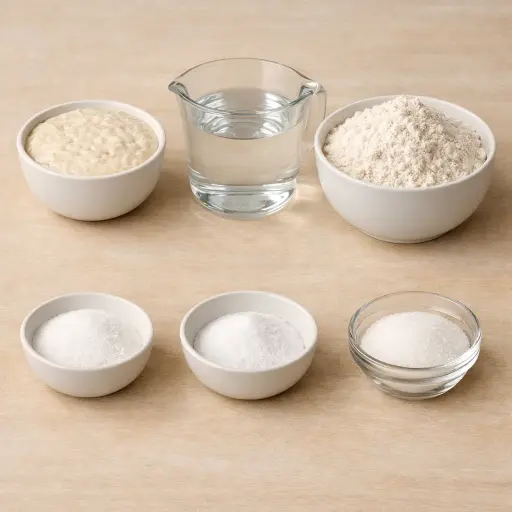
The magic starts with an active sourdough starter. This is your bread's flavor powerhouse, bringing that unique tanginess. The warm water helps activate the yeast in your starter, ensuring a good rise. We use bread flour because it has a higher protein content, which gives the bread its chewy texture. A pinch of salt enhances all the flavors, while a bit of sugar feeds the yeast, helping the dough rise beautifully.
Why This San Francisco Sourdough Bread Works
During mixing, the starter and warm water loosen up together so the wild yeast can spread through the dough. As the flour goes in, the water soaks into it and gluten starts to form. Once the salt and sugar are kneaded in, the dough becomes smooth and stretchy. That long knead lines up the gluten so the dough can trap gas later instead of tearing.
Over the 4–6 hour rise, the yeast in the starter slowly eats the sugar and some of the flour. Gas bubbles build inside the dough, and the gluten net holds them in place, so the dough puffs and feels lighter. The rest after shaping lets that tight gluten relax a bit, which keeps the loaf from ripping open in random spots.
In the hot Dutch oven, steam from the wet dough stays around the loaf at first. That steam keeps the surface soft so the bread can rise more before the crust sets. As baking goes on and the lid comes off, the outside dries, browns, and turns crisp, while the inside stays moist and chewy.
San Francisco Sourdough Bread Tips & Tricks
- Ensure your starter is active by feeding it 4-6 hours before you start.
- If your kitchen is cold, let the dough rise in a barely warm oven.
- For added flavor, allow the shaped dough to rise in the fridge overnight.
- Use a sharp knife or a bread lame to score the top before baking for better expansion.
Mistakes To Avoid
Using starter that isn’t active enough is the fastest way to get a flat, tight loaf. When the starter is weak, the dough barely rises in those 4–6 hours, so it goes into the oven dense and heavy instead of airy.
Adding the salt and sugar too early, before most of the flour is mixed in, can slow the starter down right from the start. The dough then rises much more slowly, often never really doubling, and bakes up with a gummy, under-risen center.
Letting the dough sit at room temperature for only a short time, or cutting the rise because it “looks okay,” often means the gluten isn’t fully stretched. The loaf then springs very little in the oven and comes out squat with a chewy, tight crumb.
Skipping the preheat of the Dutch oven, or putting the dough into a lukewarm pot, keeps the crust from forming fast. Instead of getting that sharp, blistered sourdough crust, the bread spreads out, bakes wider, and the crust stays pale and soft.
Equipment Used:
Large mixing bowl, Dutch oven, Whisk, Measuring cups and spoons, Wire rack
Ingredients
- 1 cup active sourdough starter
- 1 1/2 cups warm water (110°F)
- 4 1/2 cups bread flour
- 2 tsp salt
- 1 tbsp sugar
Step-by-step Instructions
- 1. In a large bowl, mix the active sourdough starter and warm water until well combined.
- 2. Gradually add the bread flour, stirring to form a rough dough.
- 3. Add the salt and sugar, and knead the dough for about 10 minutes until smooth and elastic.
- 4. Place the dough in a lightly greased bowl, cover with plastic wrap, and let it rise at room temperature for 4-6 hours or until doubled in size.
- 5. Preheat the oven to 450°F and place a Dutch oven inside to heat.
- 6. Punch down the dough and shape it into a round loaf. Allow it to rest for 30 minutes.
- 7. Carefully place the dough into the hot Dutch oven, cover, and bake for 30 minutes.
- 8. Remove the lid and bake for an additional 10-15 minutes, until the crust is golden brown.
- 9. Let the bread cool on a wire rack before slicing.
Trending Now

Zesty Summer Squash Casserole
This delightful summer squash casserole combines vibrant garden-fresh vegetables w...
View Recipe
Classic Cucumber Salad
A refreshing and light cucumber salad featuring crisp cucumbers and a tangy vinaig...
View Recipe
Classic Banana Bread
Classic Banana Bread is a timeless dessert beloved for its moist texture and sweet...
View Recipe
Traditional Dump Cake
Discover the timeless delight of the Traditional Dump Cake, a simple and scrumptio...
View RecipeFrequently Asked Questions
- Can I use all-purpose flour instead of bread flour?
- While bread flour is recommended for the best texture, you can use all-purpose flour, but expect a slightly less chewy loaf.
- What if my dough doesn't rise?
- Ensure your starter is active and the room temperature is warm enough. If it's chilly, try letting the dough rise in a warm spot.
- How do I store the bread?
- Keep it in a bread box or a paper bag at room temperature. It also freezes well if wrapped tightly.
Serving Ideas for San Francisco Sourdough Bread
This sourdough is fantastic with a hearty bowl of clam chowder, a nod to its San Francisco roots. It also pairs wonderfully with creamy cheeses or a simple spread of salted butter. For a breakfast treat, try it toasted with avocado and a sprinkle of sea salt.
More Breads & Baked Goods Recipes

Traditional Italian Easter Bread
Savor the delightful taste of a classic Italian Easter bread, a sweet, soft, and s...
View Recipe
Old-Fashioned Pineapple Bread
A delightful and flavorful bread infused with juicy pineapple, perfect for breakfa...
View Recipe
Old-Fashioned Blueberry Muffins
Transport yourself to simpler times with these delightful old-fashioned blueberry ...
View Recipe
Strawberry Basil Scones
These tender scones combine the sweetness of fresh strawberries with a hint of pep...
View Recipe