
Salted Caramel Chocolate Explosion
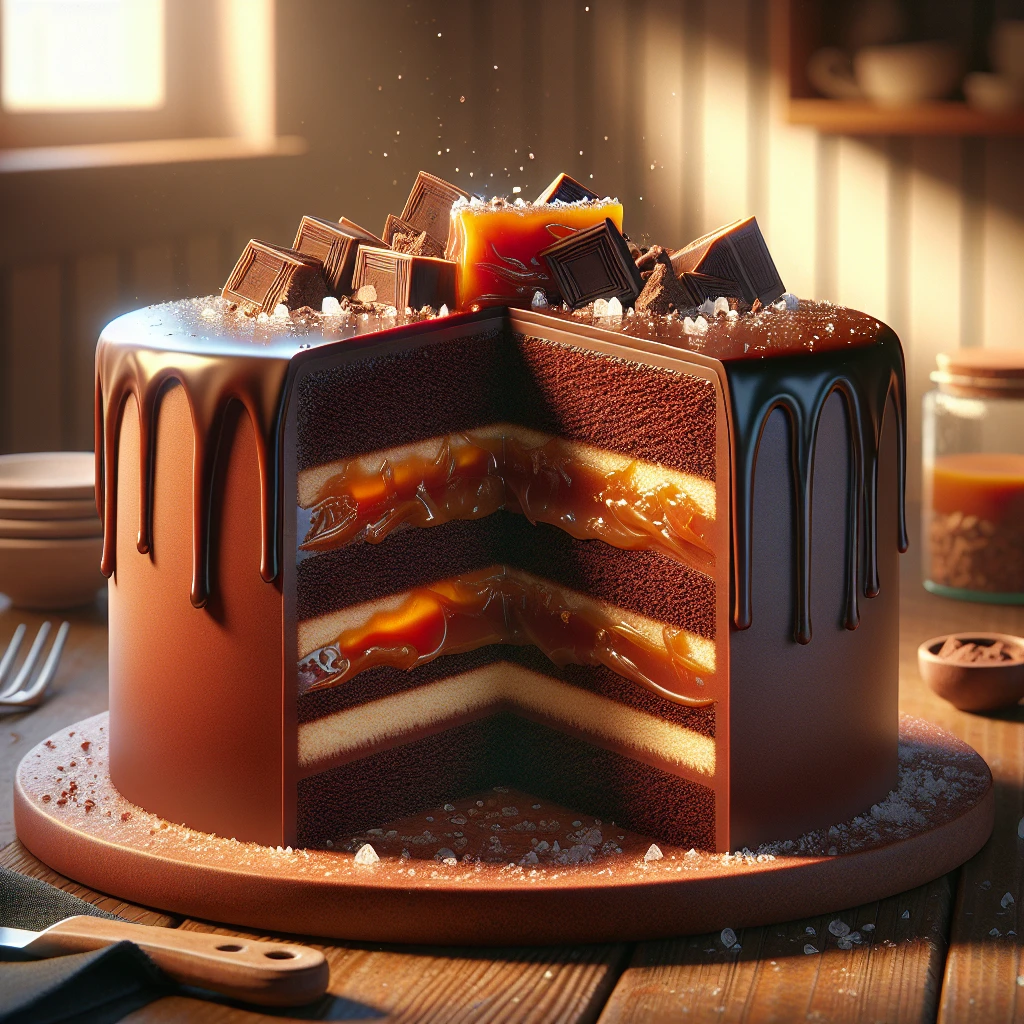
Imagine a cake that combines the rich, velvety essence of chocolate with the buttery, salty sweetness of caramel — that's what you'll get with this Salted Caramel Chocolate Explosion. This cake is a showstopper, perfect for birthdays, celebrations, or just because you deserve a treat.
 Share
Share
This post may contain affiliate links. As an Amazon Associate, we earn from qualifying purchases.
Ingredients for Salted Caramel Chocolate Explosion
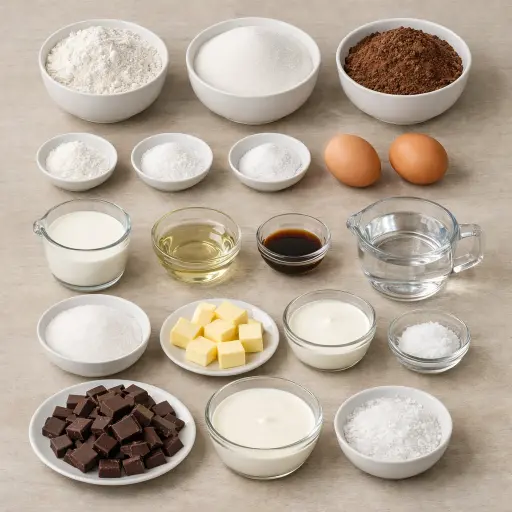
All-purpose flour provides the structure for our cake, keeping it light and fluffy. Granulated sugar sweetens and moistens the cake, while unsweetened cocoa powder gives it that deep, chocolatey flavor we're after. The combination of baking powder and baking soda ensures the cake rises beautifully. Salt enhances the chocolate flavor. Eggs add richness and help bind everything together. Whole milk brings moisture and tenderness to the cake. Vegetable oil keeps it moist for days. Vanilla extract adds depth of flavor.
For the caramel, granulated sugar, unsalted butter, and heavy cream create a luscious sauce, while sea salt cuts through the sweetness perfectly. For the ganache, semi-sweet chocolate and heavy cream blend into a smooth, glossy finish.
Why This Salted Caramel Chocolate Explosion Works
In the oven, the thin chocolate batter looks almost too runny, but that hot water wakes up the cocoa and lets the baking powder and baking soda puff the cake up instead of drying it out. The oil and milk spread through the flour and cocoa and keep the cake soft even after it cools. As the cake bakes, the eggs and flour set into a light, springy structure that can hold the caramel and ganache without collapsing.
On the stove, plain sugar slowly melts and darkens, then the butter and cream go in and turn it into a smooth sauce. As the caramel cools, it thickens just enough to sit between the cake layers instead of soaking straight through. The salt in the caramel and the flaky salt on top cut through all the sweetness so each bite doesn’t feel heavy.
When hot cream hits the chopped chocolate, the chocolate softens and melts into a glossy ganache. As it cools on the cake, it firms up into a soft shell that traps the caramel inside and keeps the cake moist.
Salted Caramel Chocolate Explosion Tips & Tricks
- Use room temperature eggs and milk to ensure even mixing.
- Don’t rush the caramel — patience is key for a smooth sauce.
- For an ultra-smooth ganache, make sure to finely chop the chocolate.
Mistakes To Avoid
Letting the cake layers overbake even by a few minutes can dry them out. The thin batter already bakes up very soft, so extra time in the oven makes the edges tough and the centers crumbly, which doesn’t hold up well under the heavy caramel and ganache.
Rushing the caramel and turning the heat too high often makes the sugar burn in spots before it fully melts. Once that happens, the whole caramel turns dark and bitter and can set up hard instead of staying pourable, so it won’t spread smoothly between the layers or drizzle nicely on top.
Pouring the cream into the hot melted sugar too fast can cause the caramel to seize into a stiff lump. Then it needs a lot of extra heating to smooth out, which can thicken it too much, so it ends up more like a chewy candy layer than a soft filling.
Skipping the cooling time for the caramel or the cake layers leads to sliding and soaking. Warm caramel on a warm cake can run straight off the sides and also soak into the crumb, leaving the middle almost empty and the texture soggy.
Equipment Used:
Ingredients
- 1¾ cups all-purpose flour
- 2 cups granulated sugar
- ¾ cup unsweetened cocoa powder
- 1½ tsp baking powder
- 1½ tsp baking soda
- 1 tsp salt
- 2 large eggs
- 1 cup whole milk
- ½ cup vegetable oil
- 2 tsp vanilla extract
- 1 cup boiling water
- 1 cup granulated sugar (for caramel)
- 6 tbsp unsalted butter (for caramel)
- ½ cup heavy cream (for caramel)
- 1 tsp sea salt (for caramel)
- 8 oz semi-sweet chocolate (for ganache)
- 1 cup heavy cream (for ganache)
- Flaky sea salt for garnish
Step-by-step Instructions
- 1. Preheat your oven to 350°F (175°C) and grease two 9-inch round cake pans.
- 2. In a large bowl, mix the flour, sugar, cocoa, baking powder, baking soda, and salt.
- 3. Add eggs, milk, oil, and vanilla to the flour mixture and mix until smooth.
- 4. Stir in boiling water until well combined; the batter will be thin.
- 5. Divide the batter between the prepared pans and bake for 30-35 minutes.
- 6. For the caramel, heat sugar in a saucepan over medium heat, stirring constantly until melted.
- 7. Add butter and whisk until combined. Slowly pour in cream and add sea salt, stirring until smooth. Set aside to cool.
- 8. For the ganache, heat cream until just boiling and pour over chocolate in a bowl. Let sit for 2 minutes then stir until smooth.
- 9. To assemble, place one cake layer on a serving plate. Spread half of the cooled caramel over it.
- 10. Place the second cake layer on top and pour chocolate ganache over the entire cake, allowing it to drip down the sides.
- 11. Drizzle remaining caramel over the top and sprinkle with flaky sea salt.
Trending Now

Classic Cucumber Salad
A refreshing and light cucumber salad featuring crisp cucumbers and a tangy vinaig...
View Recipe
Classic Banana Bread
Classic Banana Bread is a timeless dessert beloved for its moist texture and sweet...
View Recipe
Zesty Summer Squash Casserole
This delightful summer squash casserole combines vibrant garden-fresh vegetables w...
View Recipe
Traditional Dump Cake
Discover the timeless delight of the Traditional Dump Cake, a simple and scrumptio...
View RecipeFrequently Asked Questions
- Can I use a different size cake pan?
- Yes, but adjust the baking time accordingly. Smaller pans may increase the baking time slightly.
- How do I store leftovers?
- Cover the cake and keep it in the refrigerator for up to 5 days. Let it come to room temperature before serving.
Serving Ideas for Salted Caramel Chocolate Explosion
This decadent cake pairs wonderfully with a scoop of vanilla ice cream or a dollop of freshly whipped cream. For a sophisticated touch, consider serving it with a glass of red wine or a rich, dark coffee.
More Desserts Recipes
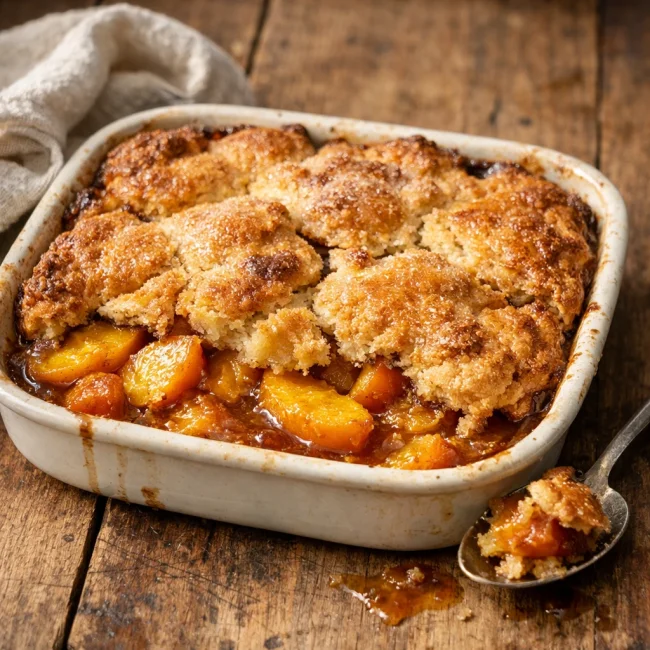
Rustic Vanilla Peach Cobbler
This rustic vanilla peach cobbler combines a rich, buttery crust with the sweet, v...
View Recipe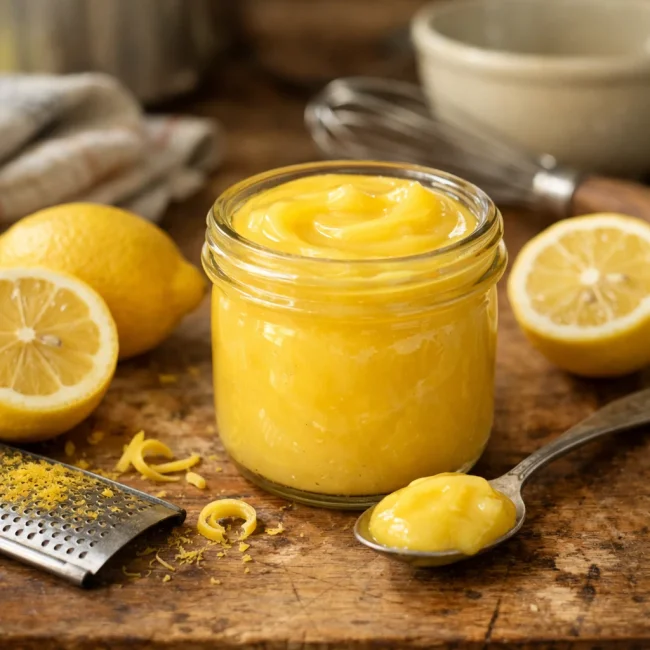
Traditional Lemon Curd
A classic, tangy lemon curd that is perfect for enhancing desserts, breakfast dish...
View Recipe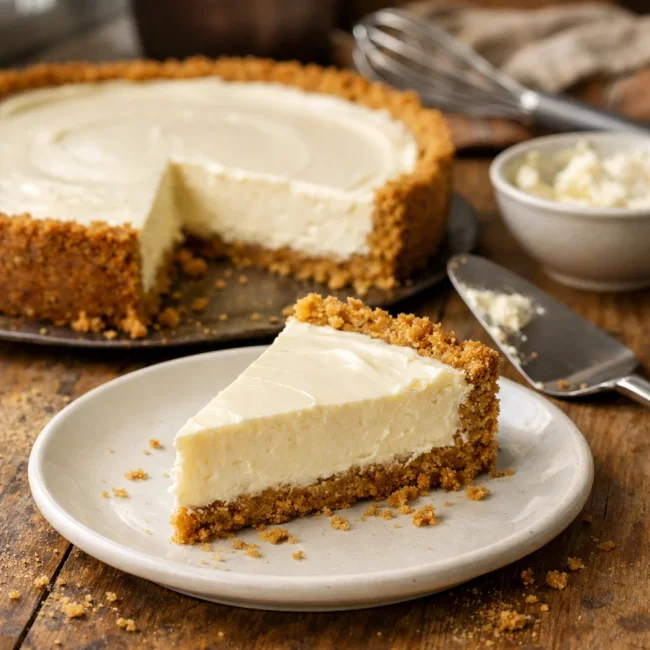
Traditional Cream Cheese Pie
A delightful and timeless dessert, Traditional Cream Cheese Pie offers a rich and ...
View Recipe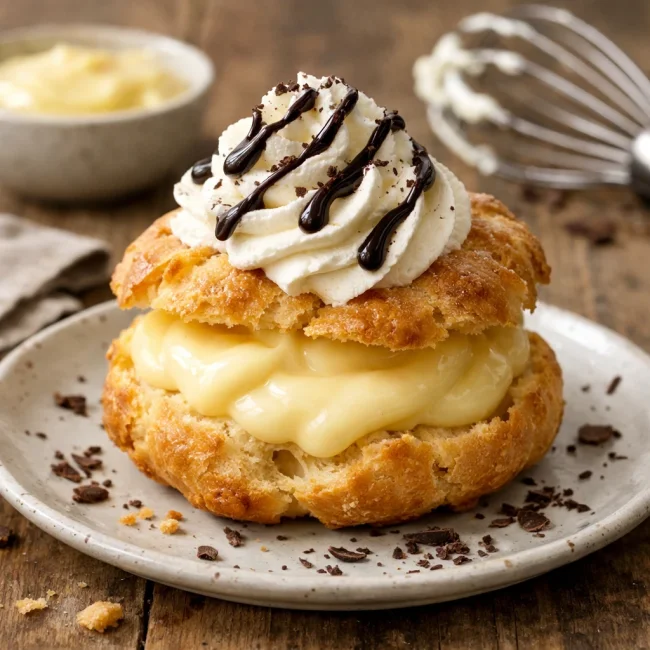
Timeless Cream Puff Delight
Indulge in a delectable Timeless Cream Puff Delight, a classic dessert featuring a...
View Recipe