
Rustic Vegetable Soup
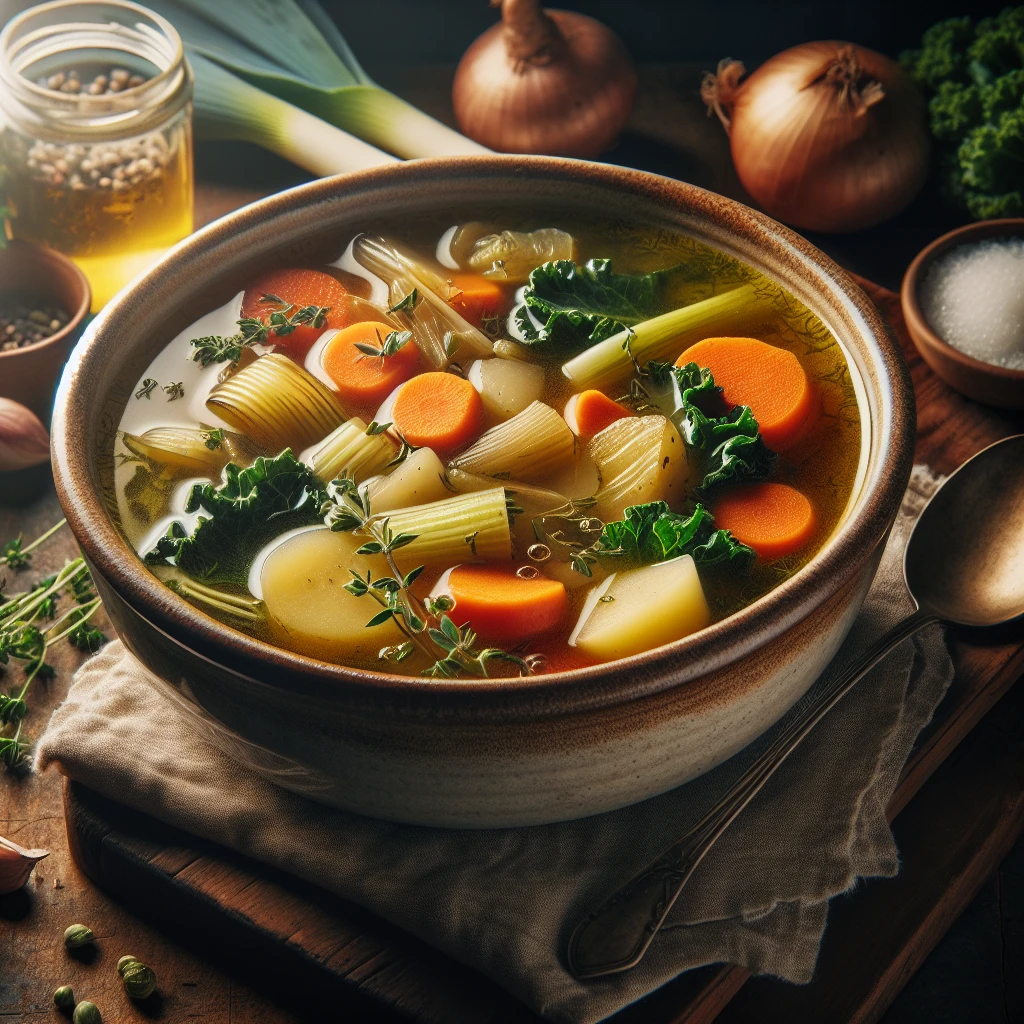
Rustic Vegetable Soup is your go-to comfort dish, perfect for those cozy nights when you crave something hearty yet healthy. With seasonal veggies and a rich broth, this soup is both nourishing and satisfying.
 Share
Share
This post may contain affiliate links. As an Amazon Associate, we earn from qualifying purchases.
Ingredients for Rustic Vegetable Soup
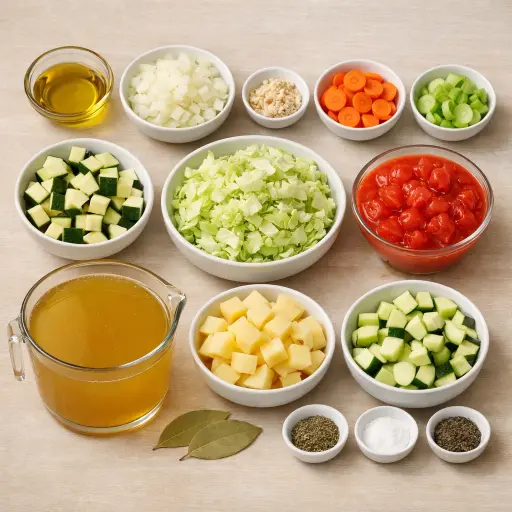
Olive oil is the base for sautéing and adds a subtle flavor. Onion and garlic bring in depth and aromatic warmth. Carrots and celery provide a sweet, earthy backbone, while zucchini and potato add heartiness. Cabbage gives a slight crunch and absorbs the broth beautifully. Diced tomatoes introduce a tangy richness, and vegetable broth ties everything together. Bay leaves and thyme enhance the aroma, making each spoonful inviting.
Why This Rustic Vegetable Soup Works
As the pot heats up, the onion and garlic soften in the oil and lose their sharp bite. They start to taste a little sweeter, and that coats the bottom of the pot with a tasty base. When the carrots and celery go in next, they begin to soften slowly instead of boiling right away, so they keep their shape and don’t go mushy later.
After a few more minutes, the zucchini, potato, and cabbage warm through in the oil before any liquid is added. That short time in the pot lets the vegetables start to soften on the outside while staying firm inside. Once the tomatoes and broth are poured in, the simmering takes over. The steady, gentle heat lets the potatoes and carrots cook all the way through and turn tender, while the cabbage and zucchini relax but still hold together.
Over the 30 minutes of simmering, the starch from the potato seeps into the broth and makes it feel a little thicker and more cozy, not watery. By the end, everything is soft enough to eat with a spoon, but each vegetable still has its own texture.
Rustic Vegetable Soup Tips & Tricks
- If you prefer a thicker soup, use an immersion blender to puree a portion of the soup.
- For a protein boost, add a can of drained and rinsed beans such as cannellini or chickpeas.
- Feel free to swap in other vegetables like spinach or kale towards the end of cooking for added greens.
Mistakes To Avoid
Letting the soup boil hard the whole time instead of lowering to a gentle simmer makes the vegetables break down too fast. The softer ones, like zucchini and cabbage, turn mushy and stringy while the potatoes can start to crumble. The soup ends up cloudy and thick in a heavy way instead of having clear broth with tender pieces.
Cutting the potatoes and carrots into big chunks while slicing the zucchini and cabbage very thin leads to uneven cooking. The thin pieces go soft and fall apart long before the larger chunks are tender. The bowl then has some vegetables that are still firm in the center and others that have almost disappeared.
Adding salt only at the very end and not enough time before serving keeps the soup tasting flat and the vegetables a bit bland inside. The salt stays mostly in the broth instead of soaking into the vegetables. Each spoonful then has seasoned liquid but dull, plain-tasting pieces.
Equipment Used:
Ingredients
- 2 tbsp olive oil
- 1 large onion, chopped
- 3 cloves garlic, minced
- 2 carrots, sliced
- 2 celery stalks, sliced
- 1 zucchini, diced
- 1 potato, diced
- 2 cups chopped cabbage
- 1 can (14 oz) diced tomatoes
- 4 cups vegetable broth
- 2 bay leaves
- 1 tsp dried thyme
- Salt and pepper to taste
Step-by-step Instructions
- 1. Heat olive oil in a large pot over medium heat.
- 2. Add onion and garlic, sauté until onion is translucent.
- 3. Stir in carrots and celery, cook for 5 minutes.
- 4. Add zucchini, potato, and cabbage, cook for another 5 minutes.
- 5. Pour in diced tomatoes and vegetable broth.
- 6. Add bay leaves and thyme, bring to a boil.
- 7. Reduce heat, cover, and simmer for 30 minutes.
- 8. Season with salt and pepper to taste, remove bay leaves before serving.
Trending Now
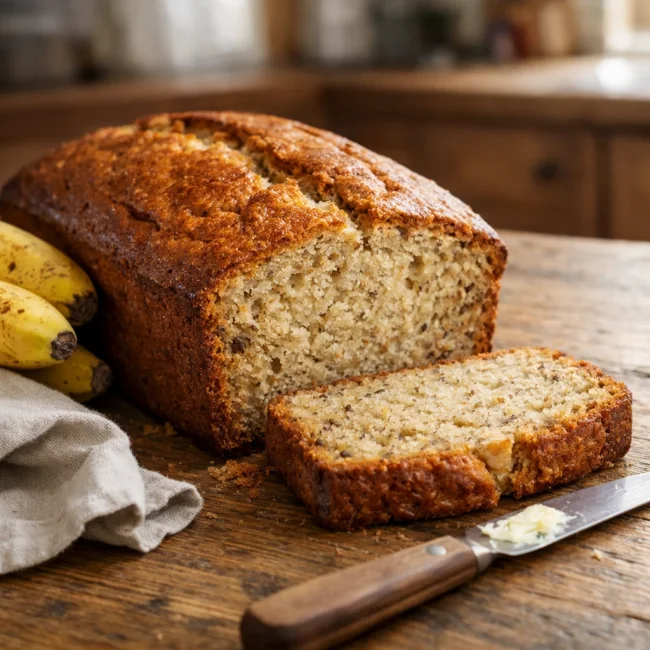
Classic Banana Bread
Classic Banana Bread is a timeless dessert beloved for its moist texture and sweet...
View Recipe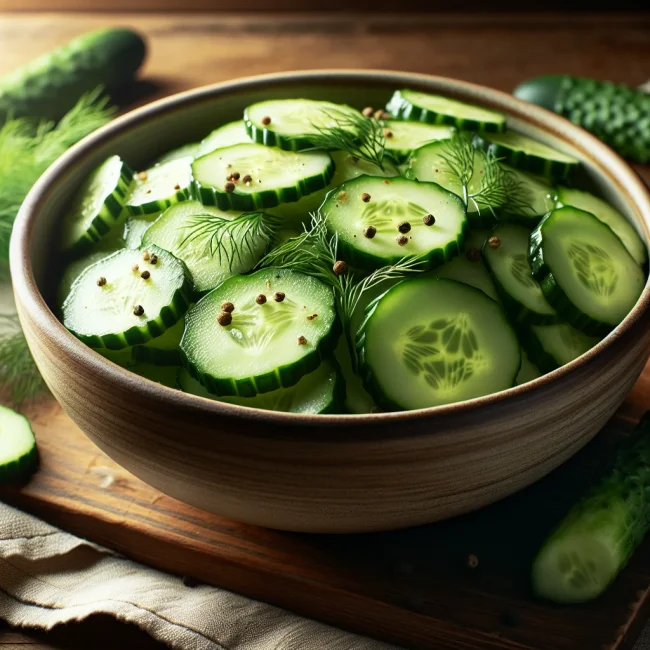
Classic Cucumber Salad
A refreshing and light cucumber salad featuring crisp cucumbers and a tangy vinaig...
View Recipe
Zesty Summer Squash Casserole
This delightful summer squash casserole combines vibrant garden-fresh vegetables w...
View Recipe
Traditional Dump Cake
Discover the timeless delight of the Traditional Dump Cake, a simple and scrumptio...
View RecipeFrequently Asked Questions
- Can I use fresh tomatoes instead of canned?
- Absolutely! Use about 2 cups of chopped fresh tomatoes. You might want to add a splash more broth to adjust for the thicker consistency.
- How long can I store leftovers?
- You can refrigerate the soup in an airtight container for up to 4 days, or freeze it for up to 3 months.
Serving Ideas for Rustic Vegetable Soup
This soup pairs wonderfully with a slice of crusty bread or a simple green salad. You might also consider topping it with freshly grated Parmesan or a dollop of pesto for an extra flavor kick.
More Soups & Stews Recipes

Classic Clam Chowder
Indulge in a timeless seaside staple with our Classic Clam Chowder recipe, a rich ...
View Recipe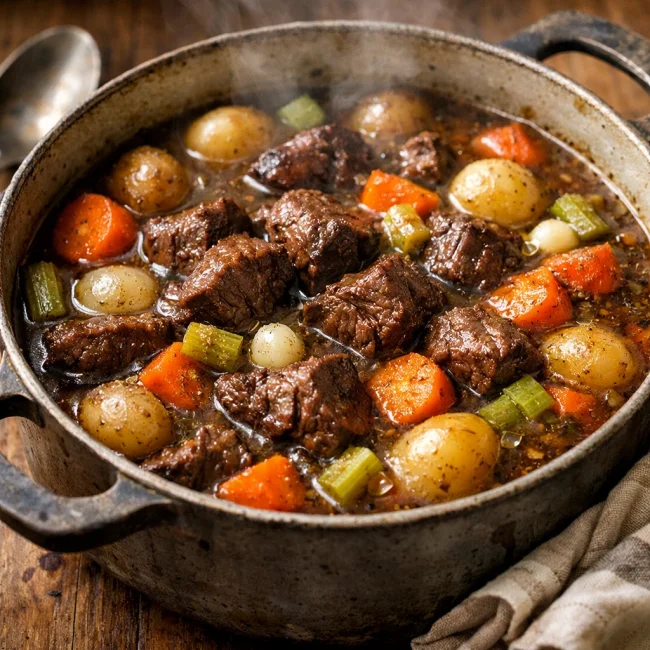
Traditional Beef Stew
A heartwarming traditional beef stew that combines tender beef chunks with classic...
View Recipe
Southwestern Chipotle Taco Soup
Explore the bold flavors of the Southwest with this unique variation of taco soup,...
View Recipe
Southwest Fiesta Taco Soup
Discover the vibrant flavors of our Southwest Fiesta Taco Soup, a quick and hearty...
View Recipe