
Rustic Vegetable Lasagna
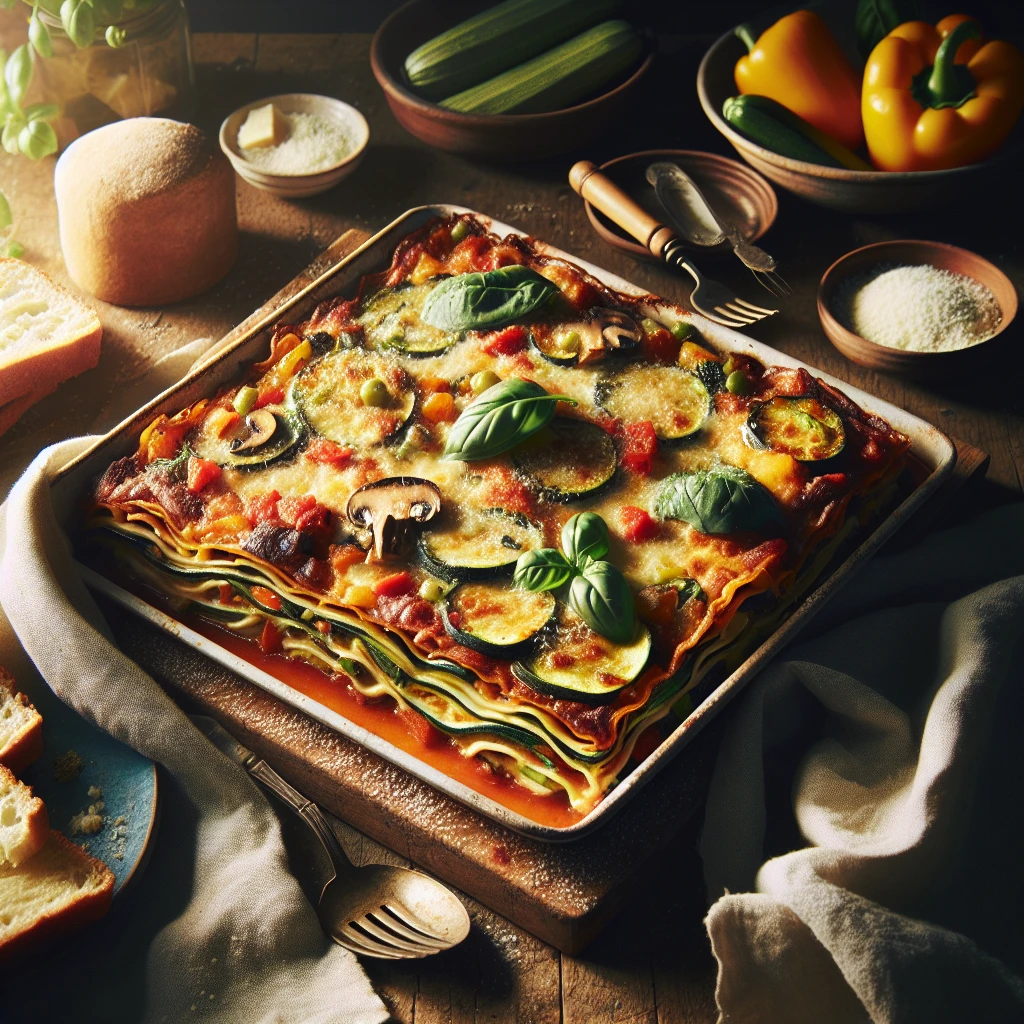
Rustic Vegetable Lasagna is the ultimate comfort food with a healthy twist. Packed with fresh veggies and layered with creamy cheese, this dish is a delightful way to enjoy plant-based ingredients in a hearty, satisfying meal.
 Share
Share
This post may contain affiliate links. As an Amazon Associate, we earn from qualifying purchases.
Ingredients for Rustic Vegetable Lasagna
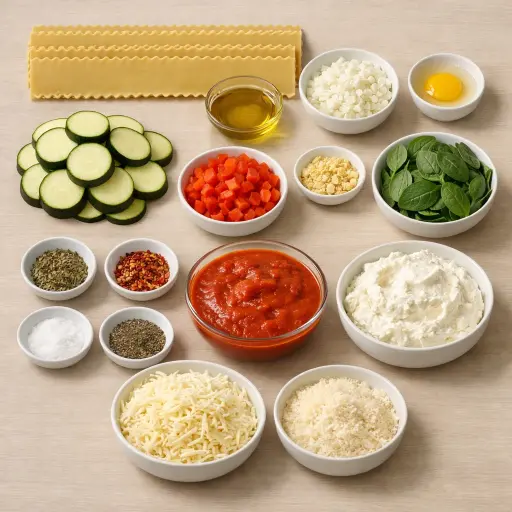
Lasagna noodles: These create the layers that hold everything together. Cook them just until al dente to avoid mushiness.
Olive oil: This is the base for sautéing and adds a rich, fruity flavor to the vegetables.
Onion and garlic: Essential for a fragrant, flavorful start to the vegetable mix.
Zucchini, bell pepper, and mushrooms: These veggies add bulk, texture, and a variety of flavors to the dish.
Spinach: Adds a nutritional boost and a pop of color. It wilts down quickly, so don’t skip this step.
Dried oregano and red pepper flakes: These spices give the sauce an Italian flair and a hint of heat.
Marinara sauce: Provides moisture and a tomatoey base for the lasagna. Choose your favorite brand or make your own for a personal touch.
Ricotta cheese and egg: Combined, these form a creamy layer that holds the lasagna together.
Mozzarella cheese and Parmesan cheese: Melt into gooey, golden goodness on top.
Salt and pepper: Essential for seasoning every layer to bring out the best in each ingredient.
Why This Rustic Vegetable Lasagna Works
In the pan, the onion, garlic, and other vegetables soften in the hot oil. As they cook, they lose some water and shrink a bit, so they fit better in the layers and don’t stay crunchy. The spinach wilts down and blends into the other vegetables instead of sitting in big leafy clumps. By the time the vegetables come off the heat, they are tender but not mushy, which gives the lasagna a nice bite.
In the baking dish, the marinara sauce and cooked noodles work together. The noodles are already soft, but they still soak up some sauce in the oven. That extra moisture keeps the layers from drying out and holds everything in place. The ricotta mixed with egg firms up as it bakes, so it doesn’t ooze out when sliced. On top, the mozzarella and Parmesan melt, then start to brown. As the lasagna rests after baking, the cheese sets a little and the layers settle, so the pieces cut cleanly and don’t slide apart.
Rustic Vegetable Lasagna Tips & Tricks
- Use a mandoline slicer for evenly thin zucchini slices.
- Let the lasagna rest before cutting to avoid a sloppy mess.
- If you like extra crispy edges, use a broiler for a minute or two after baking.
- To save time, use pre-cooked lasagna noodles.
Mistakes To Avoid
Boiling the lasagna noodles until they are very soft makes them tear and turn mushy in the oven. Once layered with sauce and vegetables, they keep soaking liquid and lose their shape, so the finished lasagna cuts into a wet, saggy pile instead of clean slices.
Adding the spinach too early with the other vegetables causes it to overcook and release a lot of water into the pan. That extra liquid runs into the baking dish, so the layers slide around and the lasagna bakes up loose and watery instead of holding together.
Skipping the rest time after baking means the layers stay very hot and loose. The cheese and ricotta mixture have not had time to firm up, so when the lasagna is cut right away, the filling spills out and the pieces collapse on the plate.
Using watery marinara straight from a jar without stirring can also cause trouble. Thin, separated sauce sinks to the bottom of the dish, leaving dry spots near the top and a soupy layer under the first noodles.
Equipment Used:
Ingredients
- 12 lasagna noodles
- 2 tbsp olive oil
- 1 onion, diced
- 2 cloves garlic, minced
- 1 zucchini, sliced
- 1 bell pepper, diced
- 1 cup mushrooms, sliced
- 2 cups spinach leaves
- 1 tsp dried oregano
- 1/2 tsp red pepper flakes
- 24 oz marinara sauce
- 15 oz ricotta cheese
- 1 egg
- 2 cups shredded mozzarella cheese
- 1/2 cup grated Parmesan cheese
- Salt and pepper to taste
Step-by-step Instructions
- 1. Preheat the oven to 375°F (190°C).
- 2. Cook lasagna noodles according to package instructions. Drain and set aside.
- 3. In a large skillet, heat olive oil over medium heat.
- 4. Add onion and garlic, sauté until translucent.
- 5. Stir in zucchini, bell pepper, and mushrooms; cook until tender.
- 6. Add spinach, oregano, and red pepper flakes; stir until spinach wilts.
- 7. Season with salt and pepper; remove from heat.
- 8. Spread a thin layer of marinara sauce on the bottom of a 9x13-inch baking dish.
- 9. Layer 4 lasagna noodles over the sauce.
- 10. Spread half the ricotta mixture over noodles.
- 11. Top with half the vegetable mixture, then half the mozzarella and Parmesan.
- 12. Repeat layers, ending with cheese on top.
- 13. Cover with foil and bake for 25 minutes.
- 14. Remove foil; bake an additional 15 minutes until cheese is golden.
- 15. Let cool for 10 minutes before slicing.
Trending Now
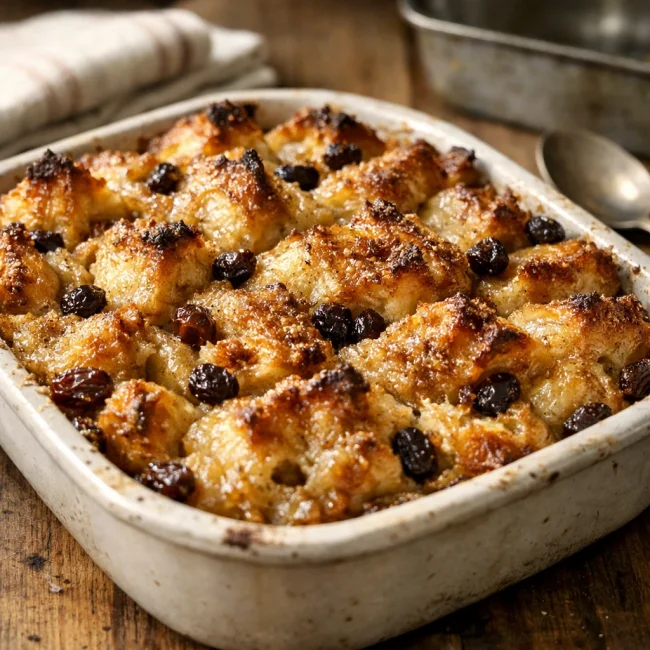
Old-Fashioned Bread Pudding
Discover the classic charm of Old-Fashioned Bread Pudding - a timeless dessert com...
View Recipe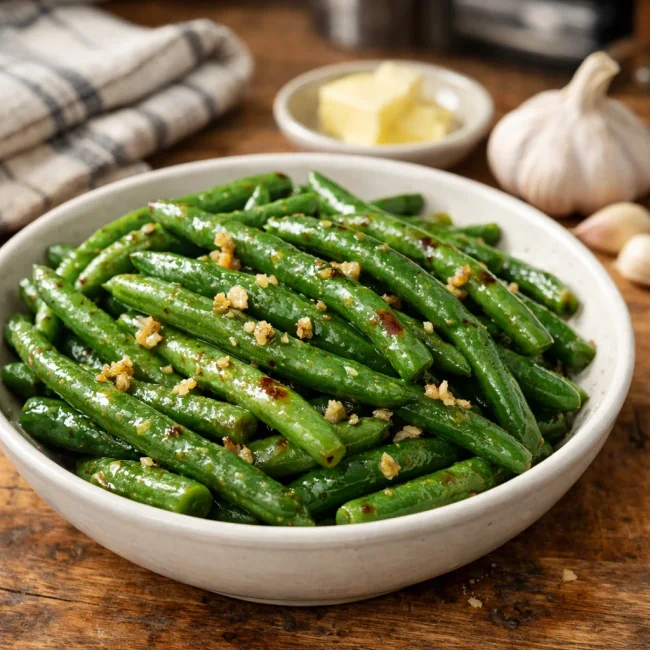
Classic Green Beans
Discover the timeless delight of Classic Green Beans, a simple yet flavorful side ...
View Recipe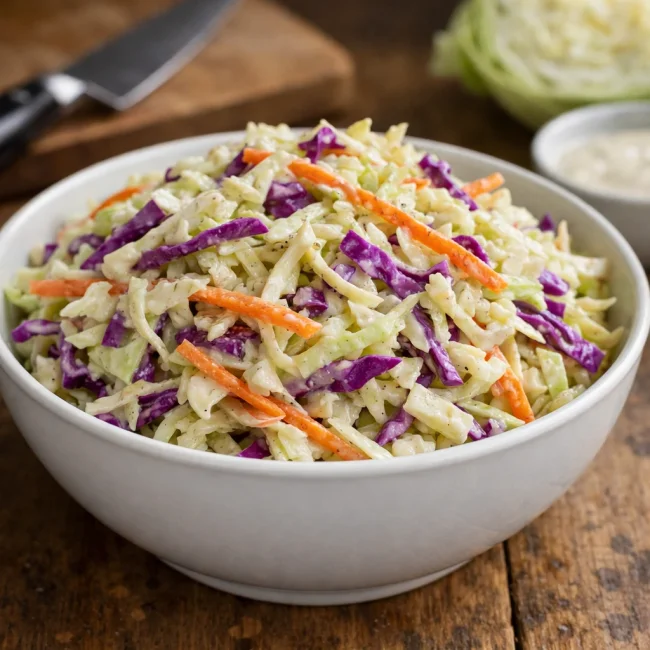
Traditional Crisp Coleslaw
A classic coleslaw recipe featuring finely shredded cabbage and carrots tossed in ...
View Recipe
Traditional Italian Bruschetta
Experience the authentic taste of Italian bruschetta, a perfect blend of fresh tom...
View RecipeFrequently Asked Questions
- Can I make this lasagna ahead of time?
- Yes, you can assemble it a day in advance, cover, and refrigerate. Just add an extra 10 minutes to the baking time if going from fridge to oven.
- Can I freeze leftovers?
- Absolutely! Wrap portions tightly in foil or freezer-safe containers. They’ll keep well for up to 3 months.
- What can I use instead of ricotta cheese?
- Cottage cheese or a tofu-based ricotta substitute works well for a similar texture.
Serving Ideas for Rustic Vegetable Lasagna
This lasagna pairs beautifully with a crisp green salad drizzled with balsamic vinaigrette. For a heartier meal, add a loaf of crusty garlic bread on the side. A glass of red wine, like Merlot or Chianti, complements the rich flavors nicely.
More Main Dishes, Vegetarian, Italian, Comfort Food, Weeknight Dinners Recipes
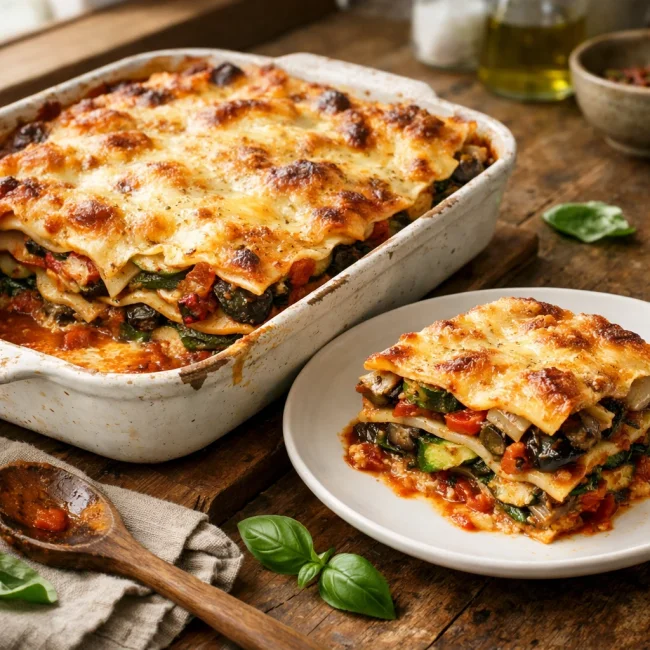
Rustic Vegetable Lasagna
A hearty and healthy twist on the classic Italian dish, loaded with fresh vegetabl...
View Recipe