
Rustic Rye Sourdough Starter
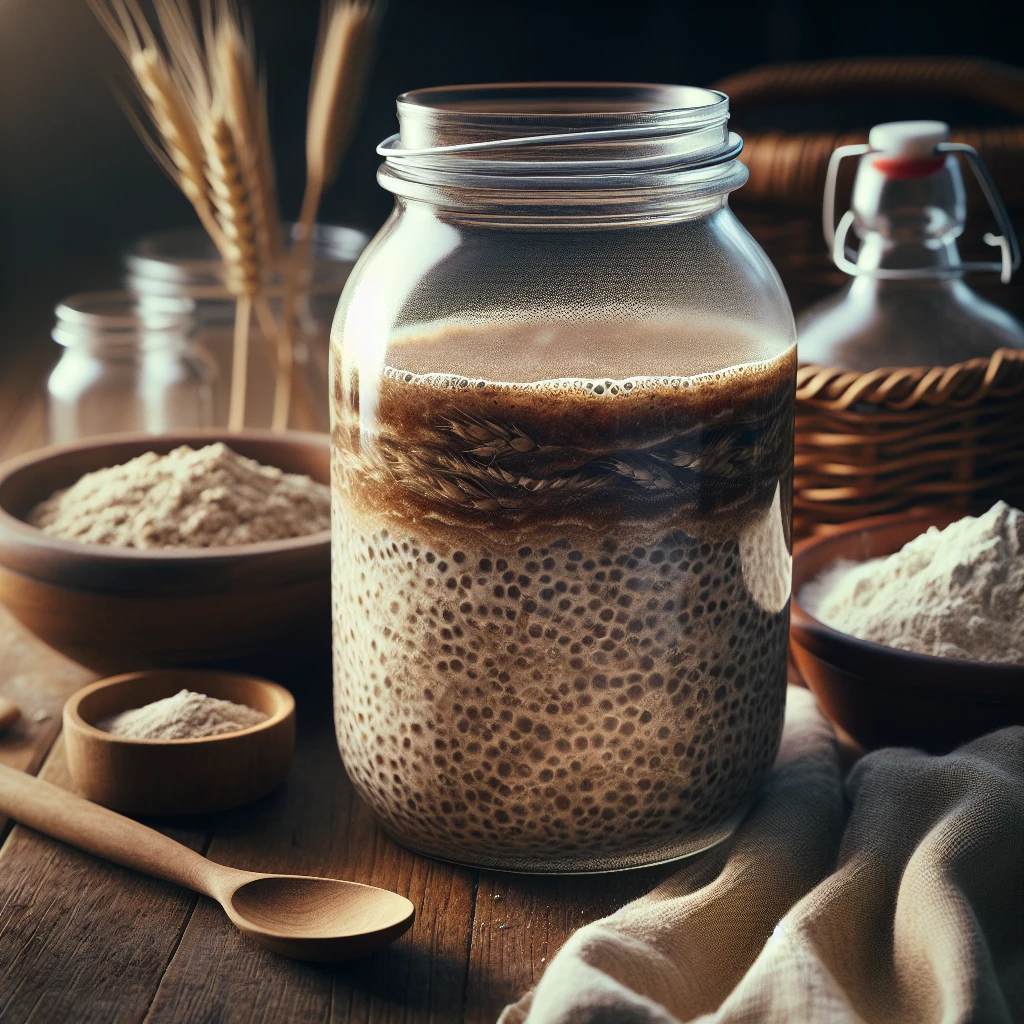
If you're a fan of homemade bread with a hearty, nutty flavor and a hint of tanginess, this Rustic Rye Sourdough Starter is your new best friend. It's perfect for bread enthusiasts who enjoy the hands-on process of baking and want to elevate their sourdough game with a touch of rye.
 Share
Share
This post may contain affiliate links. As an Amazon Associate, we earn from qualifying purchases.
Ingredients for Rustic Rye Sourdough Starter
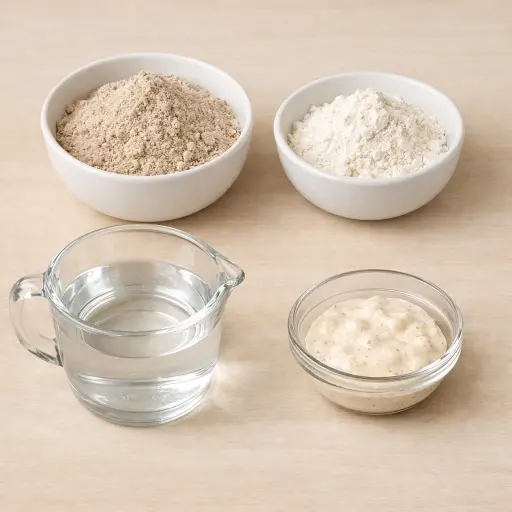
Rye flour gives the starter its unique flavor profile, adding depth and a slight earthiness. All-purpose flour helps balance the texture, ensuring the starter is not too dense. Using non-chlorinated water is crucial because chlorine can inhibit the yeast and bacteria needed for fermentation. Lastly, a tablespoon of active sourdough starter acts as a jumpstart, introducing the necessary microorganisms to get your starter going.
Why This Rustic Rye Sourdough Starter Works
Over several days, the rye flour and water give the wild yeast and bacteria something steady to eat. At first the starter is just a thick, sticky batter. As it sits at room temperature, the tiny yeast from the active starter start feeding on the flour and give off gas. Little bubbles show up, and the batter starts to rise and fall instead of just sitting flat.
With each feeding, fresh rye flour and water keep the yeast strong and active. Rye has more natural sugars and bits of grain, so the yeast and bacteria have plenty to chew through. Over time the starter becomes looser and more airy, not heavy and pasty. Stirring it and feeding it every 12 hours keeps the food spread through the bowl so no part dries out or goes stale.
After several days, the mix settles into a rhythm. It puffs up after a feeding, smells mildly sour, and stays bubbly. At that point the starter is stable and strong enough to raise bread dough on its own.
Rustic Rye Sourdough Starter Tips & Tricks
- If you see a layer of liquid on top (hooch), it’s normal. Just stir it back in before feeding.
- Keep the temperature consistent. A spot that's too cold might slow fermentation, while too warm could speed it up excessively.
- Use a clear glass bowl to easily monitor bubbles and activity.
Mistakes To Avoid
Using chlorinated tap water can quietly kill off the wild yeast and bacteria in the starter. The mixture may look like a paste that never gets bubbly, stays flat on top, and starts to smell harsh or rotten instead of gently sour.
Adding too much flour during feedings to “thicken it up” makes the starter stiff and dry. In that dense paste, bubbles can’t move, so it barely rises, looks cracked on top, and struggles to gain strength for baking.
Keeping the starter in a very cold or very hot spot throws off the natural activity. In a cold kitchen it may sit there looking sleepy and sluggish for days, while in a hot place it can race, collapse, and start to separate into a grayish liquid and a heavy layer of flour.
Skipping regular feedings for a day or two lets the starter run out of fresh food. It turns very acidic, separates more, smells sharp, and can become weak, so later it takes much longer to rise or may not bounce back at all.
Equipment Used:
Glass bowl, measuring cups, stirring spoon, breathable cloth
Ingredients
- 1 cup rye flour
- 1/2 cup all-purpose flour
- 1 cup non-chlorinated water
- 1 tablespoon active sourdough starter
Step-by-step Instructions
- 1. Combine rye flour, all-purpose flour, and non-chlorinated water in a glass bowl.
- 2. Add the active sourdough starter and mix thoroughly until a thick batter forms.
- 3. Cover the bowl loosely with a breathable cloth and let it sit at room temperature for 24 hours.
- 4. Stir the starter daily, feeding it with equal parts of rye flour and water every 12 hours.
- 5. Continue this process for 5-7 days until the starter is bubbly and has a pleasant sour smell.
Trending Now
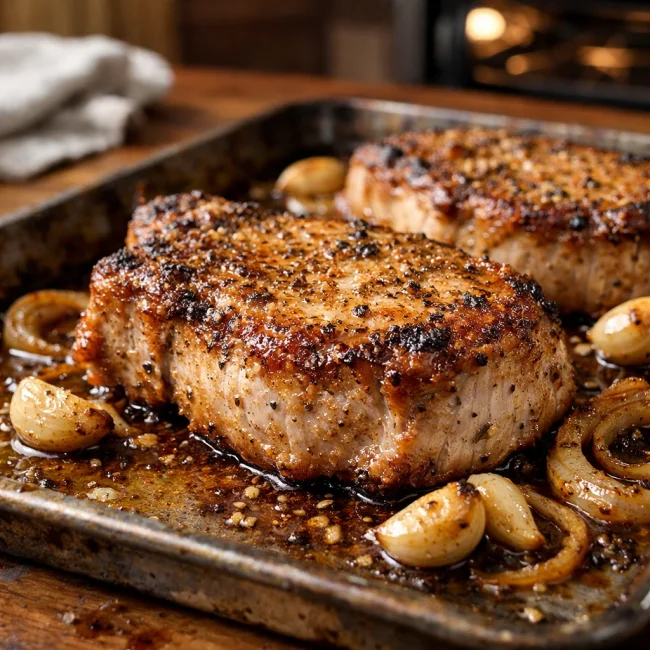
Oven-Baked Pork Chops
Enjoy a delightful dinner with these tender and juicy oven-baked pork chops, seaso...
View Recipe
Traditional Corn Casserole
A delightful corn casserole dish that embodies the comforting flavors of sweet cor...
View Recipe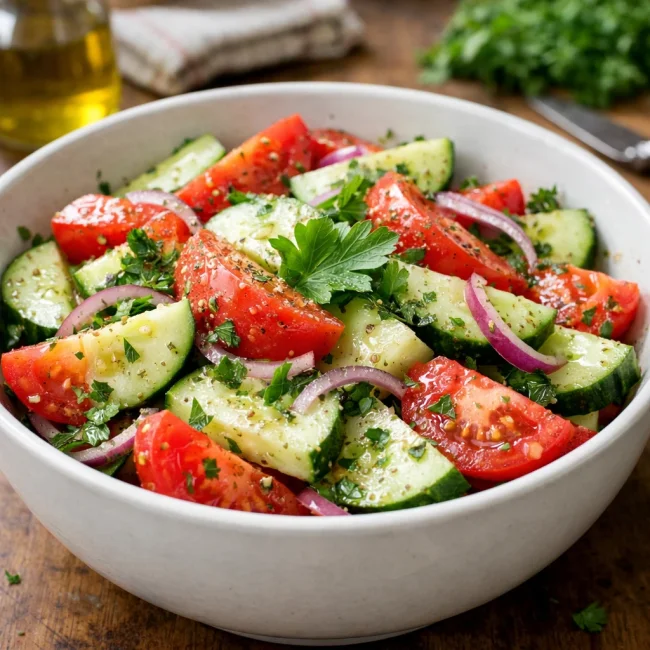
Traditional Cucumber and Tomato Salad
A refreshing and simple salad combining crisp cucumbers and juicy tomatoes, season...
View Recipe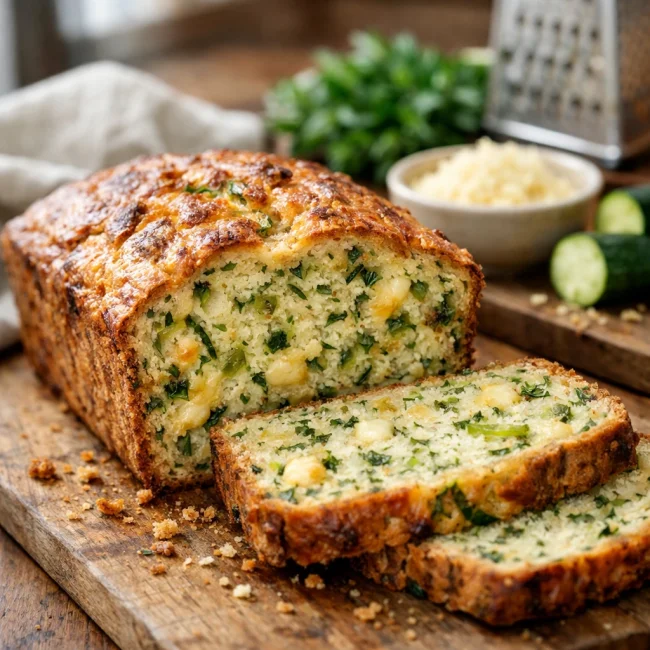
Savory Zucchini Bread
Savory Zucchini Bread is a delectable twist on traditional zucchini recipes, combi...
View RecipeFrequently Asked Questions
- How do I store the starter if I'm not using it immediately?
- Keep it in the fridge and feed it once a week.
- Can I use whole wheat flour instead of rye?
- Yes, but it will alter the flavor and texture slightly. Rye gives it a distinct profile.
- What if my starter isn't bubbly after 7 days?
- Extend the feeding process a few more days. Consistent temperature and feeding are key.
Serving Ideas for Rustic Rye Sourdough Starter
This rye sourdough starter is perfect for making a rustic loaf that pairs beautifully with hearty soups or stews. It also makes for excellent sandwiches, especially with smoked meats or strong cheeses. For breakfast, try it toasted with a slather of butter and a sprinkle of flaky sea salt.
More Breads & Baked Goods Recipes

Traditional Italian Easter Bread
Savor the delightful taste of a classic Italian Easter bread, a sweet, soft, and s...
View Recipe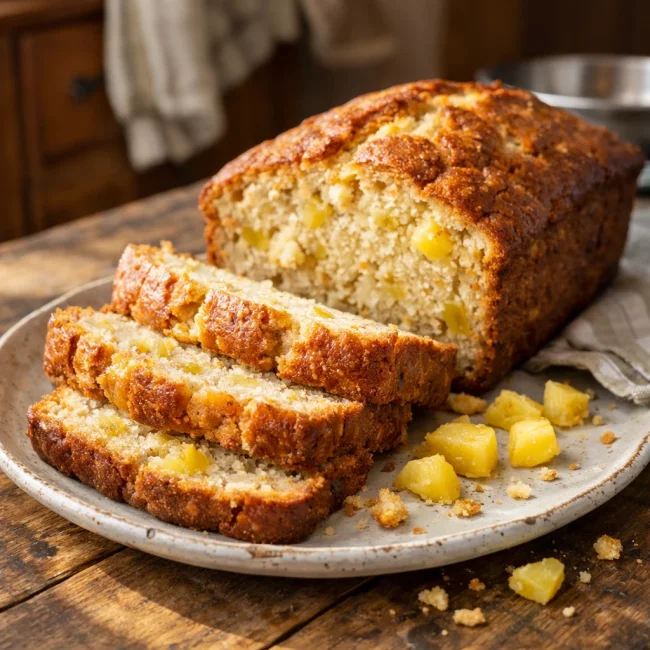
Old-Fashioned Pineapple Bread
A delightful and flavorful bread infused with juicy pineapple, perfect for breakfa...
View Recipe
Old-Fashioned Blueberry Muffins
Transport yourself to simpler times with these delightful old-fashioned blueberry ...
View Recipe
Strawberry Basil Scones
These tender scones combine the sweetness of fresh strawberries with a hint of pep...
View Recipe