
Rustic Rosemary Sourdough
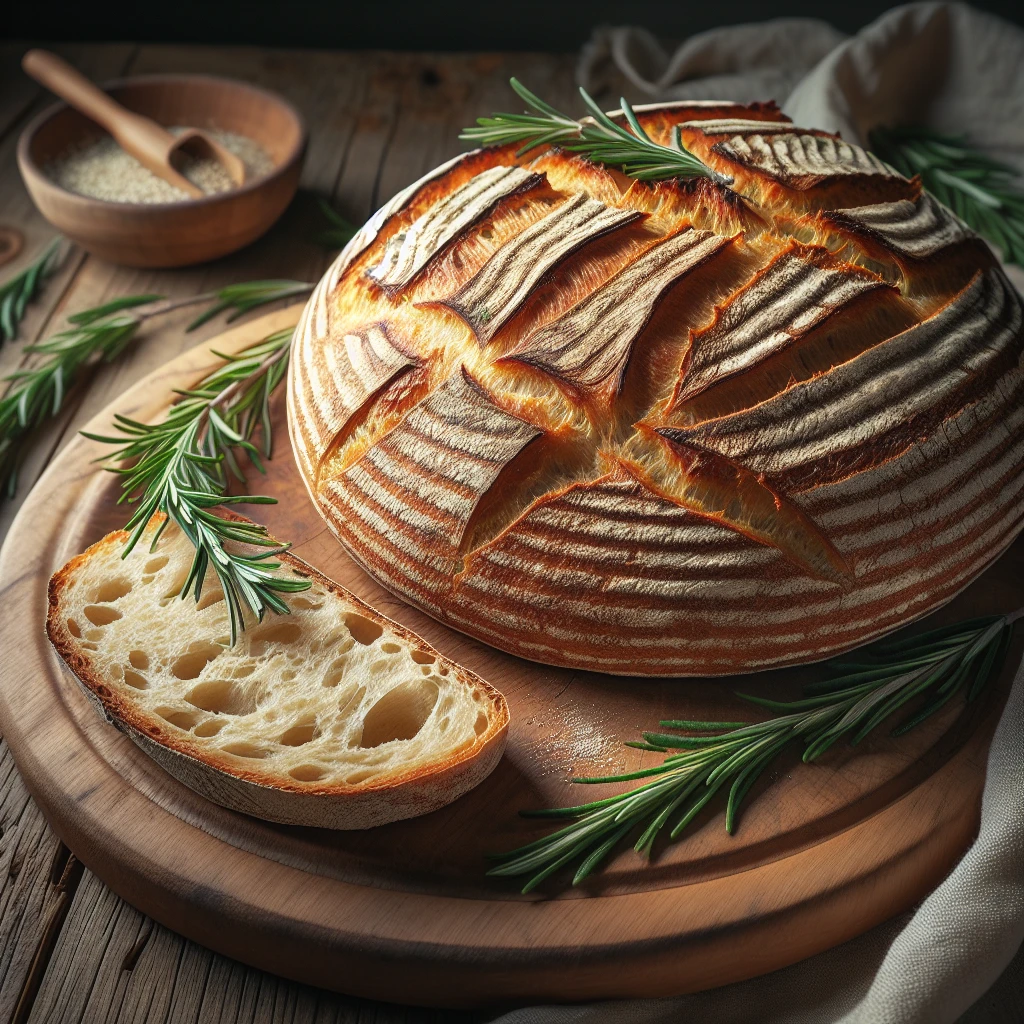
This Rustic Rosemary Sourdough is a delightful blend of tangy sourdough and fragrant rosemary, perfect for bread enthusiasts looking to elevate their baking game. With its crispy crust and soft, flavorful interior, this bread is sure to become a staple in your kitchen.
 Share
Share
This post may contain affiliate links. As an Amazon Associate, we earn from qualifying purchases.
Ingredients for Rustic Rosemary Sourdough
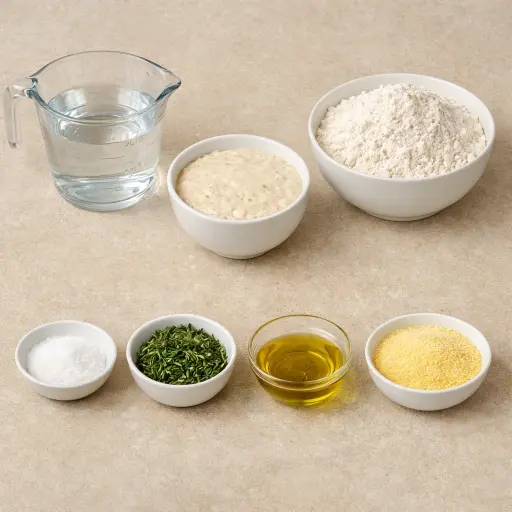
Sourdough starter is the heart of this recipe, providing both leavening and a delightful tang. Make sure yours is active and bubbly for the best results. Warm water helps to activate the yeast in the starter, creating an ideal environment for fermentation. All-purpose flour gives the bread its structure and chew. Feel free to experiment with a mix of flours for a more rustic texture. Salt is essential for flavor, balancing the taste of the bread and enhancing the rosemary. Speaking of which, fresh rosemary adds an aromatic, earthy note that's perfect with the tangy sourdough. A touch of olive oil contributes richness and helps with browning. Finally, cornmeal is used for dusting, preventing the dough from sticking in the Dutch oven and adding a subtle crunch.
Why This Rustic Rosemary Sourdough Works
During the long rise, the sourdough starter slowly spreads through the wet dough and starts to puff it up. The flour soaks in the water, the gluten stretches, and the dough changes from sticky and rough to smoother and bouncy. Salt keeps the dough from rising too fast, so it has time to build strength instead of collapsing. Rosemary sits in the dough the whole time, so its oils move into the bread instead of just sitting on top.
Once the dough goes into the hot Dutch oven, the heat hits it all at once. Steam forms inside the covered pot and stays trapped around the dough. That steam keeps the outside soft for a while, so the loaf can rise higher before the crust firms up. After the lid comes off, the surface dries out and browns, giving a crisp crust. Cornmeal on the bottom keeps the dough from sticking and gives a slight crunch, while the inside stays moist and chewy from all the water held in the dough.
Rustic Rosemary Sourdough Tips & Tricks
- If your kitchen is cold, let the dough rise in a warm spot like an oven with the light on.
- For a more pronounced flavor, try adding roasted garlic or olives to the dough.
- Use a serrated knife to slice the bread for cleaner cuts.
Mistakes To Avoid
Letting the dough rise for much less than 12 hours leaves it tight and sluggish, so it doesn’t trap much gas. In the oven it puffs only a little, and the loaf comes out low, dense, and heavy instead of airy inside.
Using very hot water with the starter can weaken or kill the natural yeast. The dough then barely rises during the long rest, and the baked bread stays flat with a gummy, underbaked-feeling center even when the crust looks done.
Putting the dough into a Dutch oven that isn’t fully preheated keeps the bottom from setting quickly. The loaf spreads out instead of lifting up, and the crust stays pale and soft while the inside bakes unevenly.
Skipping the rest after shaping sends the dough into the oven while it is still tense. The surface tears in random spots, the loaf doesn’t open up nicely, and the crumb ends up tighter and chewier than it should be.
Slicing the bread while it is still hot lets steam rush out too fast. The inside turns pasty and squashed, and the slices look ragged instead of holding clean, even holes.
Equipment Used:
Dutch oven, Large bowl, Measuring cups and spoons, Wire rack, Knife
Ingredients
- 1 cup sourdough starter
- 2 cups warm water
- 4 cups all-purpose flour
- 1 tablespoon salt
- 2 tablespoons fresh rosemary, chopped
- 1 tablespoon olive oil
- Cornmeal for dusting
Step-by-step Instructions
- 1. In a large bowl, mix the sourdough starter and warm water until combined.
- 2. Add the flour and salt, and mix until a sticky dough forms.
- 3. Fold in the chopped rosemary evenly throughout the dough.
- 4. Cover the bowl with a damp cloth and let the dough rise at room temperature for 12-24 hours.
- 5. Preheat your oven to 450°F and place a Dutch oven inside to heat.
- 6. Turn the dough out onto a floured surface, shape it into a ball, and let it rest for 30 minutes.
- 7. Dust the bottom of the Dutch oven with cornmeal, place the dough inside, and cover with the lid.
- 8. Bake for 30 minutes covered, then remove the lid and bake for another 15 minutes until golden brown.
- 9. Let the bread cool on a wire rack before slicing.
Trending Now
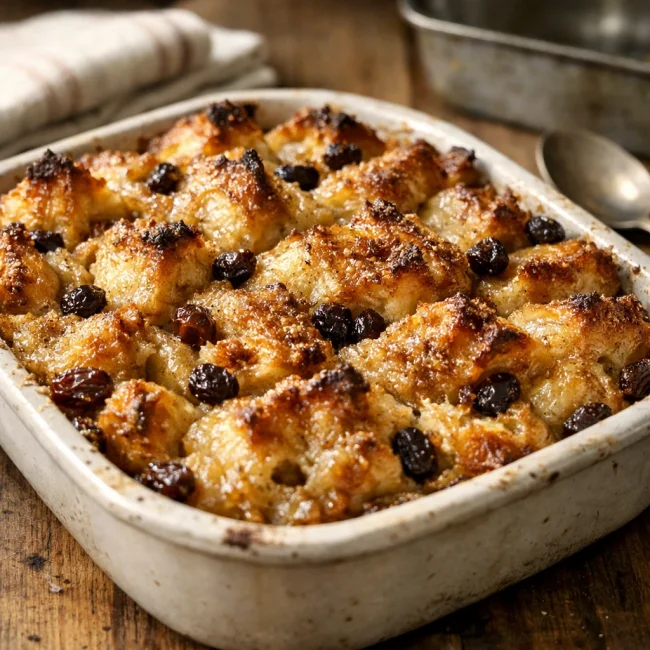
Old-Fashioned Bread Pudding
Discover the classic charm of Old-Fashioned Bread Pudding - a timeless dessert com...
View Recipe
Traditional Italian Bruschetta
Experience the authentic taste of Italian bruschetta, a perfect blend of fresh tom...
View Recipe
Classic Green Beans
Discover the timeless delight of Classic Green Beans, a simple yet flavorful side ...
View Recipe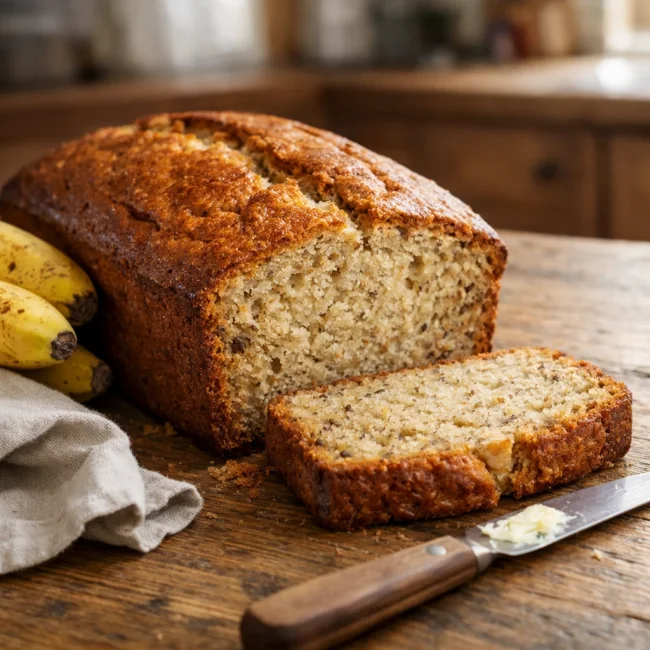
Classic Banana Bread
Classic Banana Bread is a timeless dessert beloved for its moist texture and sweet...
View RecipeFrequently Asked Questions
- Can I use dried rosemary instead of fresh?
- Yes, you can use dried rosemary. Just use about half the amount since dried herbs are more concentrated.
- What if my dough doesn't rise?
- Make sure your sourdough starter is active and bubbly. Also, ensure your kitchen is warm enough for the dough to rise.
- How do I store leftover bread?
- Store your bread in a paper bag at room temperature for up to 3 days. For longer storage, freeze slices in a sealed bag.
Serving Ideas for Rustic Rosemary Sourdough
This bread pairs beautifully with a hearty soup or stew. It's also fantastic sliced and topped with a smear of butter and a sprinkle of sea salt. For a more decadent treat, try it with a slice of sharp cheddar or a dollop of creamy brie.
More Breads & Baked Goods Recipes

Traditional Italian Easter Bread
Savor the delightful taste of a classic Italian Easter bread, a sweet, soft, and s...
View Recipe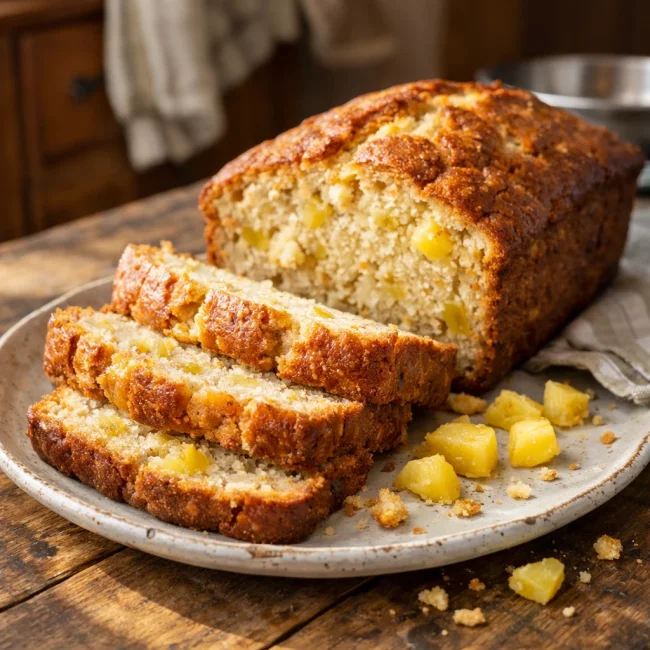
Old-Fashioned Pineapple Bread
A delightful and flavorful bread infused with juicy pineapple, perfect for breakfa...
View Recipe
Old-Fashioned Blueberry Muffins
Transport yourself to simpler times with these delightful old-fashioned blueberry ...
View Recipe
Strawberry Basil Scones
These tender scones combine the sweetness of fresh strawberries with a hint of pep...
View Recipe