
Rustic Olive Oil & Herb French Bread
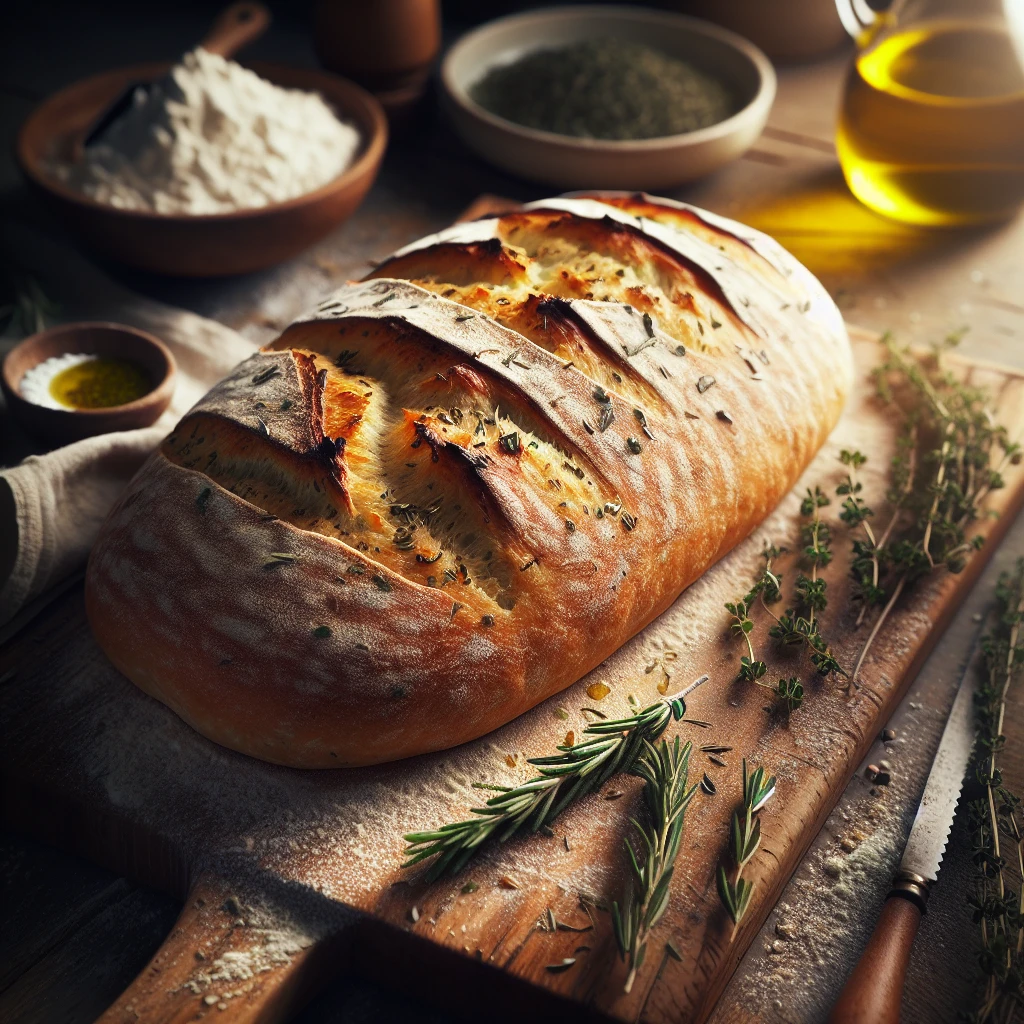
If you've ever wanted to bring the aroma and taste of a rustic French bakery into your home, this Olive Oil & Herb French Bread is your ticket. With its crispy crust and flavorful, tender crumb, it's perfect for any occasion.
 Share
Share
This post may contain affiliate links. As an Amazon Associate, we earn from qualifying purchases.
Ingredients for Rustic Olive Oil & Herb French Bread
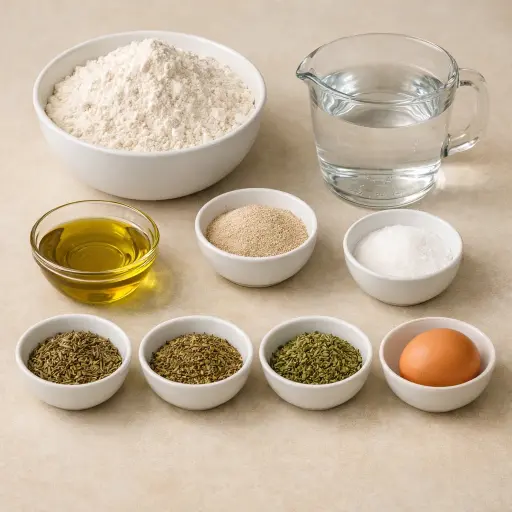
All-purpose flour gives the bread structure and a chewy texture. Active dry yeast is what makes your bread rise, creating that fluffy interior. Warm water activates the yeast, while extra virgin olive oil adds richness and a hint of fruitiness. The sugar feeds the yeast, helping the dough rise more efficiently. A little salt enhances the flavors, and a blend of dried rosemary, dried thyme, and dried oregano imparts a delightful herbal aroma. Finally, an egg wash gives the crust a beautiful golden sheen.
Why This Rustic Olive Oil & Herb French Bread Works
At the start, the warm water, sugar, and yeast wake up together. The sugar gives the yeast something to eat, so it starts bubbling and making gas. Once the flour goes in, that gas has somewhere to go. As the dough is kneaded, the flour and water form stretchy strands that can trap those little gas bubbles. That’s what lets the loaf rise instead of staying flat and dense.
During the first rise, the dough slowly fills with more and more tiny air pockets. The olive oil coats the flour and keeps those strands from getting tough, so the bread stays soft inside instead of chewy and dry. The dried herbs spread through the dough while it sits, so every slice has some in it, not just the outside.
In the oven, the heat sets the shape of those air pockets. The loaf puffs up, then the structure firms and stays in place. The egg wash on top dries and browns, so the outside turns golden and a little crisp while the inside stays tender.
Rustic Olive Oil & Herb French Bread Tips & Tricks
- Ensure your water is warm, not hot, to avoid killing the yeast.
- If your kitchen is cold, let the dough rise in a slightly warm oven (turned off) for a better rise.
- For a crustier loaf, place a pan of water in the oven while baking.
Mistakes To Avoid
Letting the water get too hot when blooming the yeast can kill it. The mixture then never gets foamy, the dough barely rises, and the bread comes out flat and tight instead of airy inside.
Adding all the flour at once instead of gradually often leaves dry pockets and a dough that is either too stiff or too sticky. A stiff dough is hard to knead and bakes up dense, while a very sticky one spreads out on the tray and loses its loaf shape.
Rushing the first rise or shaping the loaf before it has doubled means the yeast has not filled the dough with enough gas. In the oven, the bread then rises only a little, giving a low, heavy loaf with a chewy, compact crumb.
Skipping proper kneading leaves the gluten weak. In the oven, the loaf can spread sideways, crack oddly, and the inside stays uneven with gummy spots instead of long, stretchy strands.
Equipment Used:
Ingredients
- 4 cups all-purpose flour
- 1 packet (2 1/4 tsp) active dry yeast
- 1 1/2 cups warm water
- 1/4 cup extra virgin olive oil
- 1 tbsp sugar
- 1 tsp salt
- 2 tsp dried rosemary
- 2 tsp dried thyme
- 1 tsp dried oregano
- 1 egg (for egg wash)
Step-by-step Instructions
- 1. In a large mixing bowl, dissolve sugar in warm water and sprinkle yeast over the top. Let it sit until foamy, about 5 minutes.
- 2. Stir in olive oil, salt, rosemary, thyme, and oregano.
- 3. Gradually add flour, one cup at a time, mixing until a dough forms.
- 4. Knead the dough on a floured surface for about 10 minutes until smooth and elastic.
- 5. Place the dough in a lightly oiled bowl, cover, and let it rise until doubled in size, about 1 hour.
- 6. Punch down the dough and shape it into a baguette or round loaf.
- 7. Place the loaf on a baking sheet lined with parchment paper. Let it rise again for 30 minutes.
- 8. Preheat oven to 375°F (190°C).
- 9. Brush the loaf with beaten egg for a golden crust.
- 10. Bake for 30 minutes or until the bread is golden brown and sounds hollow when tapped.
Trending Now
Zesty Summer Squash Casserole
This delightful summer squash casserole combines vibrant garden-fresh vegetables w...
View Recipe
Classic Cucumber Salad
A refreshing and light cucumber salad featuring crisp cucumbers and a tangy vinaig...
View Recipe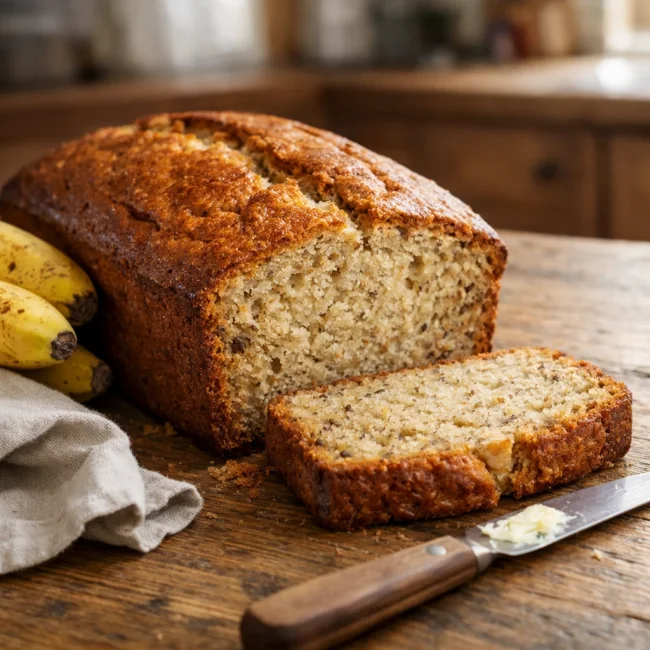
Classic Banana Bread
Classic Banana Bread is a timeless dessert beloved for its moist texture and sweet...
View Recipe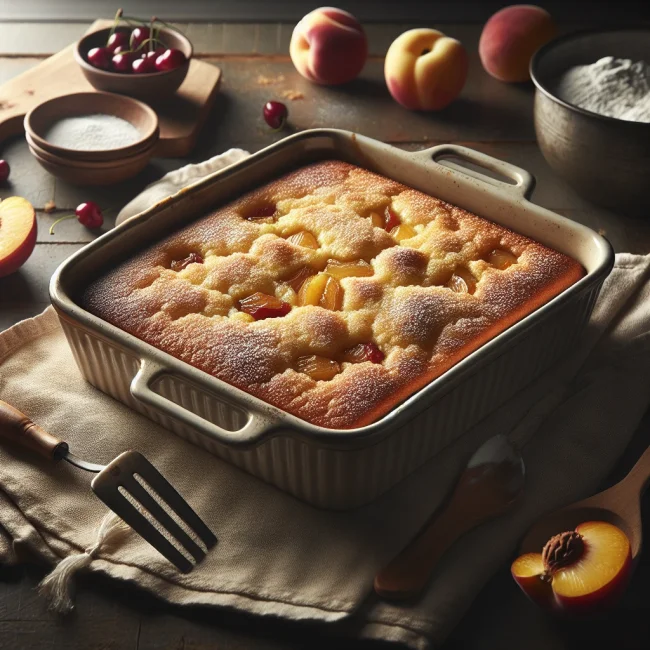
Traditional Dump Cake
Discover the timeless delight of the Traditional Dump Cake, a simple and scrumptio...
View RecipeFrequently Asked Questions
- Can I use fresh herbs instead of dried?
- Yes, but use three times the amount as fresh herbs are less concentrated.
- How do I store the bread?
- Keep it in a bread bag or a covered bread basket at room temperature for up to 3 days.
- Can I freeze this bread?
- Absolutely. Once cooled, wrap it tightly in plastic wrap and freeze for up to 3 months. Thaw at room temperature before serving.
Serving Ideas for Rustic Olive Oil & Herb French Bread
This bread pairs beautifully with a hearty minestrone soup or a fresh Caprese salad. It also makes fantastic sandwiches, especially with roasted vegetables and mozzarella. For a simple yet delicious snack, try it with a drizzle of olive oil and a sprinkle of sea salt.
More Breads & Baked Goods Recipes

Traditional Italian Easter Bread
Savor the delightful taste of a classic Italian Easter bread, a sweet, soft, and s...
View Recipe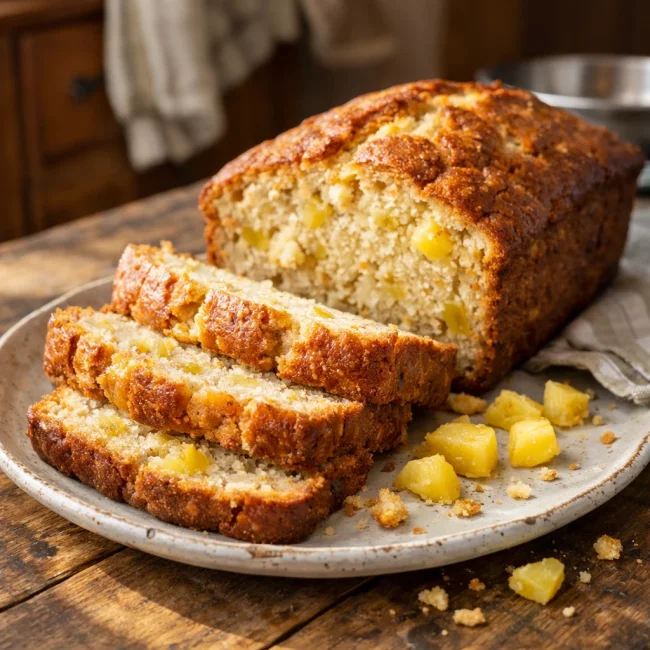
Old-Fashioned Pineapple Bread
A delightful and flavorful bread infused with juicy pineapple, perfect for breakfa...
View Recipe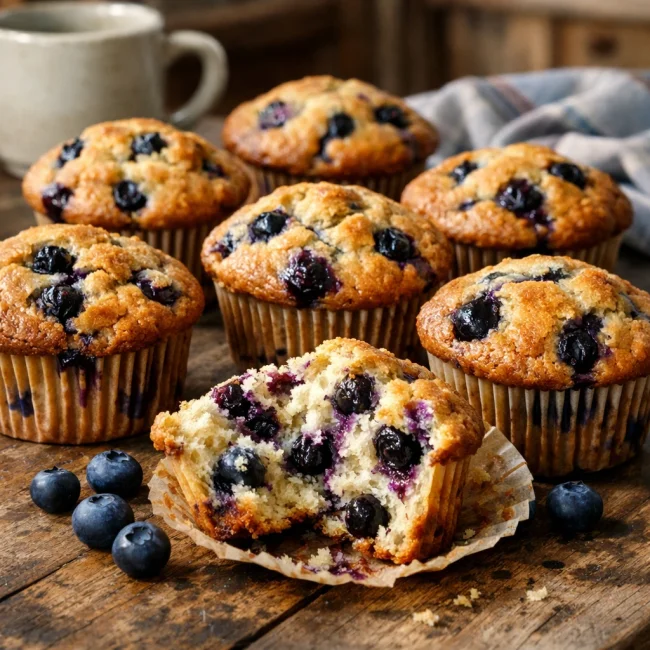
Old-Fashioned Blueberry Muffins
Transport yourself to simpler times with these delightful old-fashioned blueberry ...
View Recipe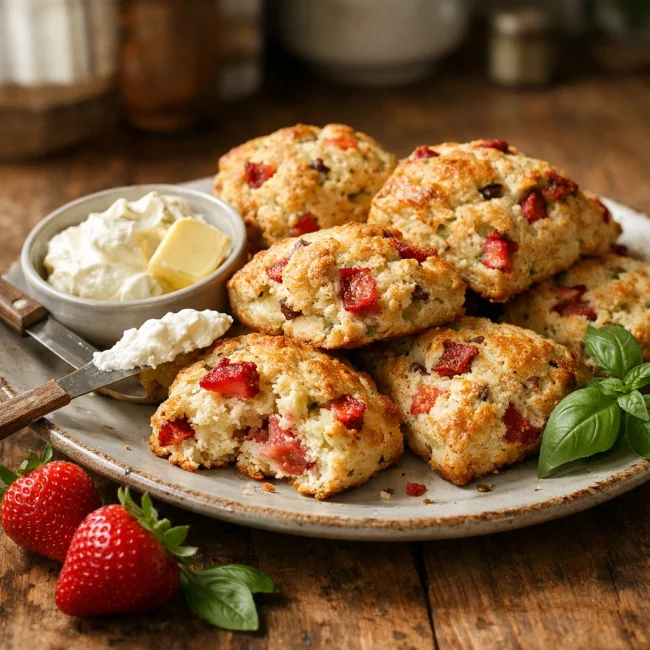
Strawberry Basil Scones
These tender scones combine the sweetness of fresh strawberries with a hint of pep...
View Recipe