
Rustic Olive and Herb Sourdough
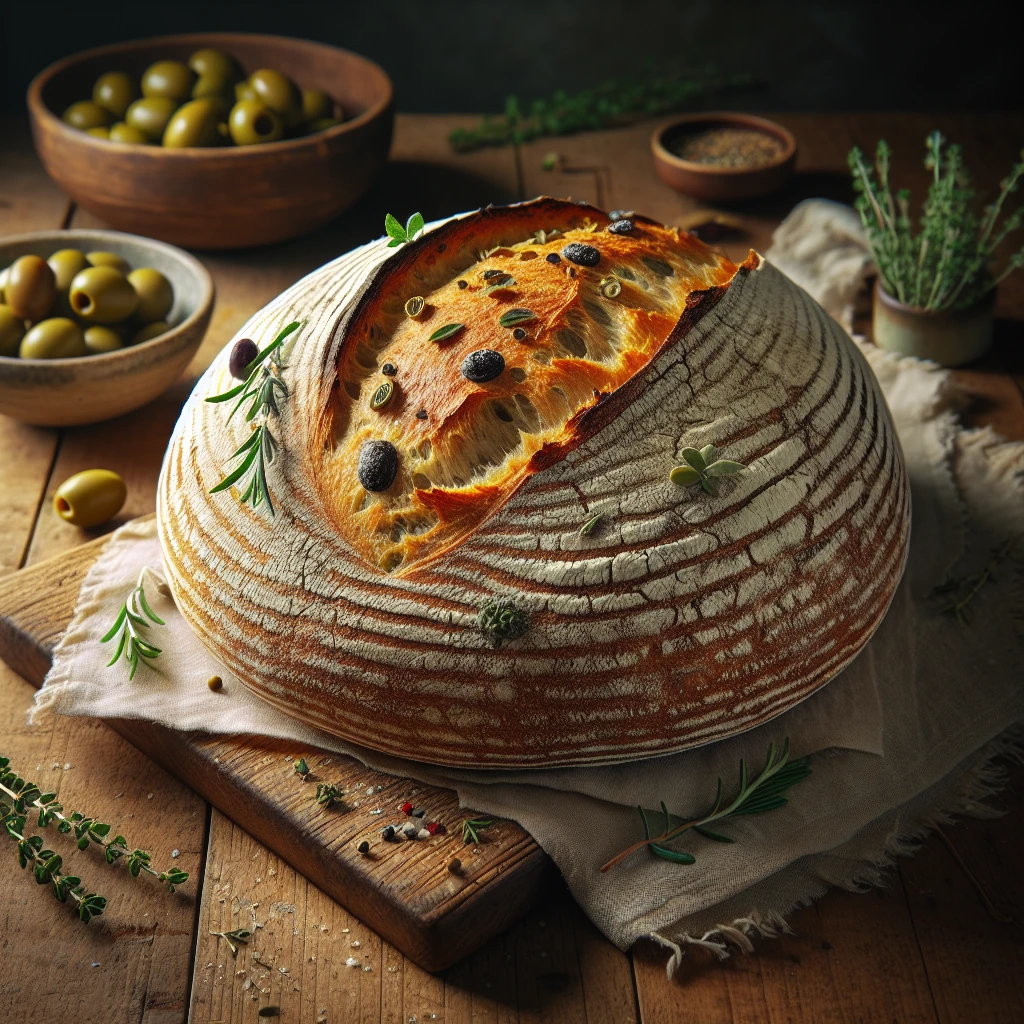
If you're craving a bread that combines the tangy delight of sourdough with the savory punch of olives and herbs, this Rustic Olive and Herb Sourdough is just what you need. It's perfect for those who love a little twist in their classic sourdough, making it an ideal companion for hearty stews or a simple olive oil dip.
 Share
Share
This post may contain affiliate links. As an Amazon Associate, we earn from qualifying purchases.
Ingredients for Rustic Olive and Herb Sourdough
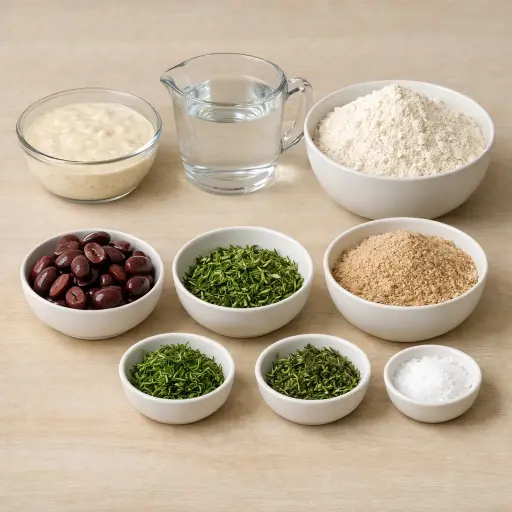
The backbone of this recipe is the sourdough starter, which gives the bread its distinct tangy flavor. The water acts as the main liquid here, helping to bring the dough together. We blend bread flour with whole wheat flour to add a bit of nuttiness and heartiness to the loaf. The star of the show, pitted Kalamata olives, adds pops of briny flavor throughout the bread. Fresh rosemary and thyme introduce an earthy aroma, while sea salt enhances all these flavors, balancing out the sourdough's tang and the olive's saltiness.
Why This Rustic Olive and Herb Sourdough Works
At the start, the sourdough starter, water, and flours sit together so the flour can drink up the water. During this rest, the dough loosens and the gluten starts to form on its own, so it doesn’t need as much rough kneading later. Once the salt, olives, and herbs go in and the dough is worked, the gluten strands stretch and line up. That strong but stretchy web is what holds the olives and all their juice inside the loaf instead of letting everything leak out.
Over the long 4–5 hour rise, the sourdough starter slowly fills that gluten web with gas. The dough puffs up and becomes lighter, but still keeps its shape because the gluten is strong. In the hot oven, the water in the dough turns to steam and the gas inside the bubbles expands fast, so the loaf springs up. Heat then sets the gluten and dries the outside into a firm crust, while the inside stays moist and full of little air pockets around the olives and herbs.
Rustic Olive and Herb Sourdough Tips & Tricks
- If your kitchen is too cold, let your dough rise in the oven with just the light on to provide a warm environment.
- For an extra-crispy crust, place a small dish of water in the oven while baking to create steam.
- Chop the olives coarsely to ensure they are well distributed throughout the dough.
- If you notice your dough is too sticky, lightly flour your hands to help handle it better.
Mistakes To Avoid
Adding the olives and herbs too early, before the first rest, makes the dough tear and smear instead of stretching. The salt and wet olives start breaking down the gluten before it has a chance to form. The loaf then bakes up flat and tight instead of tall and airy.
Skipping the 30-minute rest after mixing the flour and water leaves the dough stiff and hard to knead. The flour doesn’t fully soak up the water, so the dough resists stretching and keeps snapping back. In the oven this turns into a dense, chewy crumb with small, uneven holes.
Overloading the dough with extra olives or not draining them well leads to wet pockets inside the loaf. Those spots stay gummy and heavy even when the crust looks done. Slices then have soggy tunnels where the olives sit instead of an even, springy texture.
Pulling the bread from the oven as soon as it browns, without checking the bottom or tapping for a hollow sound, often leaves the center underbaked. The crust looks great, but the middle stays damp and slightly doughy, especially around the olives.
Equipment Used:
Ingredients
- 1 cup sourdough starter
- 1 3/4 cups water
- 4 cups bread flour
- 1 cup whole wheat flour
- 1 cup pitted Kalamata olives, halved
- 2 tbsp fresh rosemary, chopped
- 2 tbsp fresh thyme, chopped
- 2 tsp sea salt
Step-by-step Instructions
- 1. In a large bowl, mix the sourdough starter and water until well combined.
- 2. Add bread flour and whole wheat flour, mixing until just combined; let rest for 30 minutes.
- 3. Add salt, olives, rosemary, and thyme; knead for 10 minutes until smooth.
- 4. Place dough in a lightly oiled bowl, cover, and let rise in a warm place for 4-5 hours, until doubled in size.
- 5. Preheat oven to 450°F (232°C).
- 6. Shape dough into a round loaf and place on a parchment-lined baking sheet.
- 7. Score the top of the loaf, then bake for 30-35 minutes until golden brown and hollow-sounding when tapped.
- 8. Allow to cool on a wire rack before slicing.
Trending Now
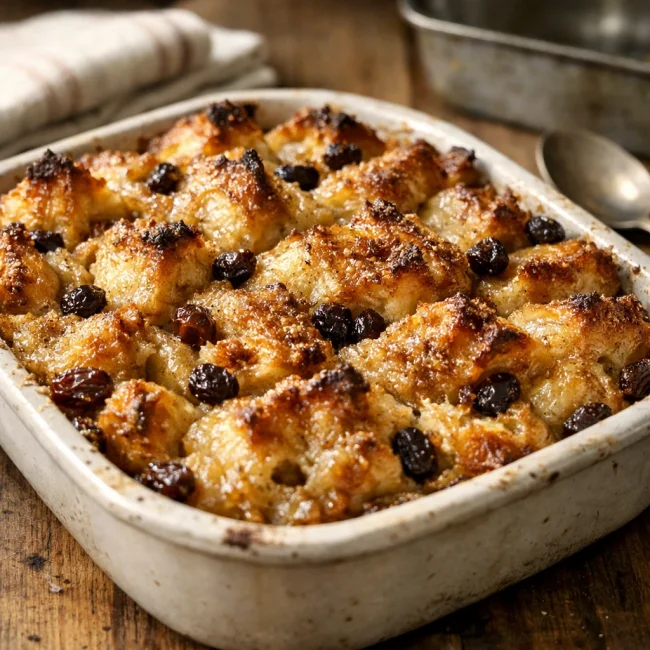
Old-Fashioned Bread Pudding
Discover the classic charm of Old-Fashioned Bread Pudding - a timeless dessert com...
View Recipe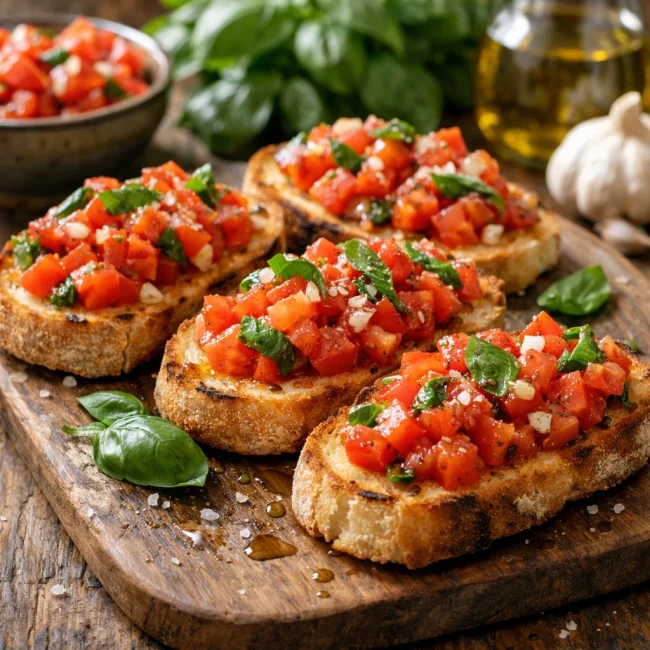
Traditional Italian Bruschetta
Experience the authentic taste of Italian bruschetta, a perfect blend of fresh tom...
View Recipe
Classic Green Beans
Discover the timeless delight of Classic Green Beans, a simple yet flavorful side ...
View Recipe
Classic Banana Bread
Classic Banana Bread is a timeless dessert beloved for its moist texture and sweet...
View RecipeFrequently Asked Questions
- Can I use dried herbs instead of fresh?
- Yes, you can use dried herbs, but reduce the quantity to 2 teaspoons each as dried herbs have a more concentrated flavor.
- What if my sourdough starter is not very active?
- Make sure to feed your starter a few hours before using it to ensure it's bubbly and active.
- Can I use different olives?
- Absolutely! Any pitted olives you enjoy will work, though different varieties will slightly alter the flavor profile.
Serving Ideas for Rustic Olive and Herb Sourdough
This bread pairs wonderfully with a robust cheese board or alongside a hearty bowl of tomato soup. For a Mediterranean flair, serve it with a dish of olive oil and balsamic vinegar for dipping. It's also fantastic toasted with a smear of butter or even avocado for a quick breakfast or snack.
More Breads & Baked Goods Recipes

Traditional Italian Easter Bread
Savor the delightful taste of a classic Italian Easter bread, a sweet, soft, and s...
View Recipe
Old-Fashioned Pineapple Bread
A delightful and flavorful bread infused with juicy pineapple, perfect for breakfa...
View Recipe
Old-Fashioned Blueberry Muffins
Transport yourself to simpler times with these delightful old-fashioned blueberry ...
View Recipe
Strawberry Basil Scones
These tender scones combine the sweetness of fresh strawberries with a hint of pep...
View Recipe