
Rustic Herb Pastry Dough
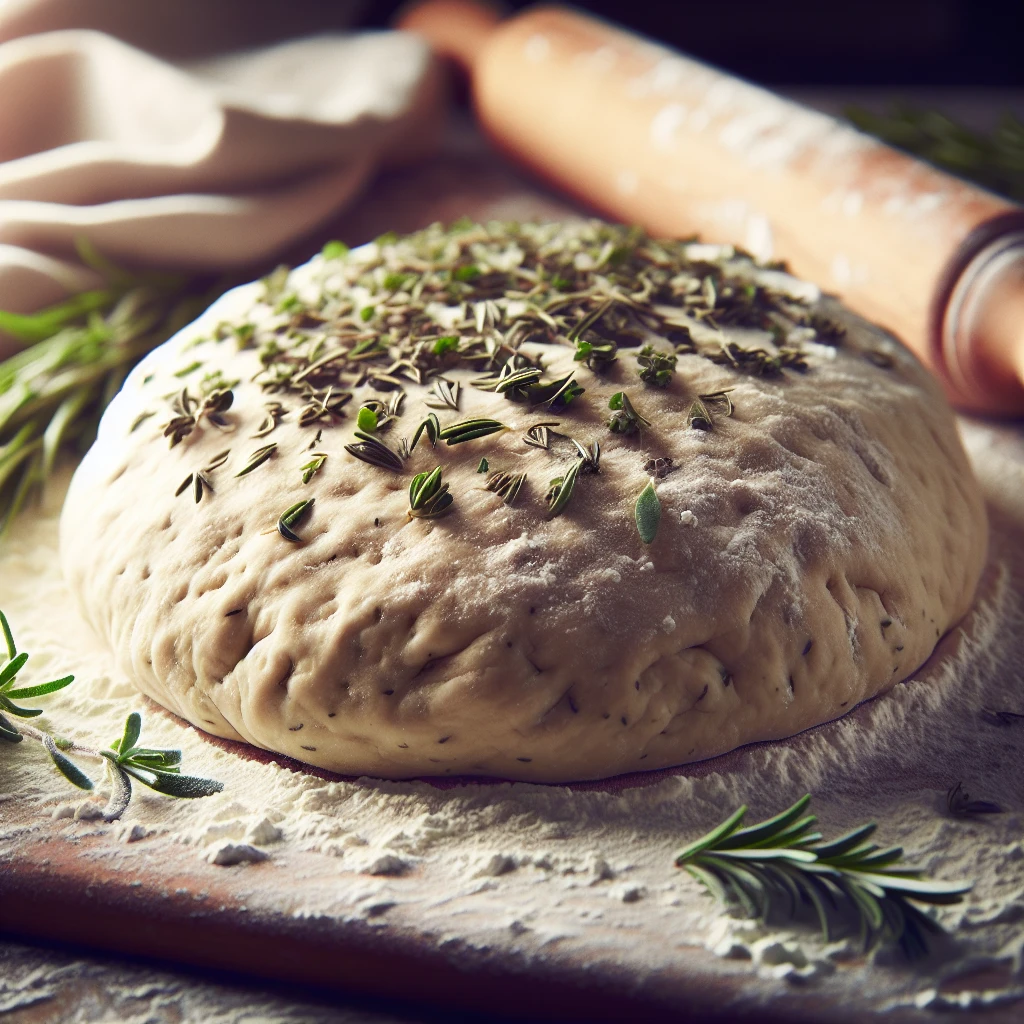
This Rustic Herb Pastry Dough is a game-changer for anyone who loves a good, flaky crust with a hint of earthy herbs. Perfect for savory pies or tarts, this dough brings a fragrant twist to your classic pastry, making it a standout addition to any meal.
 Share
Share
This post may contain affiliate links. As an Amazon Associate, we earn from qualifying purchases.
Ingredients for Rustic Herb Pastry Dough
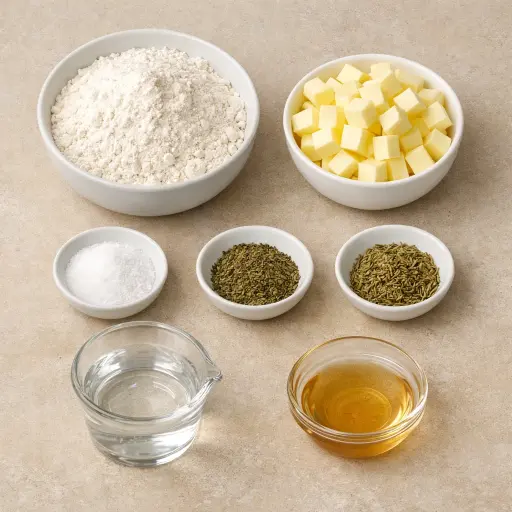
All-purpose flour forms the backbone of our pastry dough, providing the structure needed for a flaky crust. Unsalted butter, chilled and diced, is crucial for that perfect flakiness; make sure it’s cold to prevent it from melting into the flour too quickly. A teaspoon of salt balances the flavors, while dried thyme and dried rosemary add an aromatic depth that makes this dough unique. The cold water brings the dough together without activating too much gluten. Finally, apple cider vinegar helps tenderize the dough and adds a subtle tang.
Why This Rustic Herb Pastry Dough Works
Cold butter is the main thing holding this dough together. When the butter goes into the flour in small, chilled pieces, it stays in little chunks instead of melting right away. As those chunks get coated in flour, the mix looks like coarse crumbs. Later, in the oven, those bits of butter melt and leave tiny gaps, which is what makes the pastry flaky instead of tough.
As the water and apple cider vinegar go in, the dry crumbs start to grab just enough moisture to cling together. The vinegar keeps the dough from getting too stiff, so the gluten in the flour doesn’t tighten up as much. That way the crust stays tender when baked.
During the rest in the fridge, the flour finishes soaking up the liquid and the butter firms back up. The dough relaxes, becomes easier to roll, and doesn’t shrink as much in the oven. The dried thyme and rosemary sit in the dough the whole time, so their taste spreads evenly through every bite.
Rustic Herb Pastry Dough Tips & Tricks
- Keep your butter as cold as possible. If it starts to soften, pop it back in the fridge for a bit.
- Don’t skip the chilling step; it’s crucial for a flaky result.
- Adjust the herbs to suit your taste — a pinch more thyme or rosemary can make it your own.
Mistakes To Avoid
Using butter that is soft or starting to melt makes the dough heavy and greasy. Instead of small cold bits of butter staying separate in the flour, they smear and blend in, so the dough turns pasty. In the oven this kind of dough bakes up flat and tough instead of flaky and light.
Adding all the water-vinegar mixture at once often leads to a dough that is too wet. The flour soaks it up unevenly, some spots turn sticky while other parts stay dry, and extra flour gets worked in to fix it. The final crust bakes up dense, with hard patches instead of an even, tender bite.
Kneading the dough like bread works the gluten too much. The dough goes from soft and shaggy to stretchy and tight, and it starts to spring back when rolled. In the oven that extra strength shows up as a chewy, firm crust instead of a delicate, crumbly pastry.
Skipping the rest in the fridge leaves the butter too warm and the gluten tight. The dough rolls out unevenly, tears more easily, and soft butter leaks as it bakes. The finished pastry spreads, loses its shape, and has fewer flaky layers.
Equipment Used:
Ingredients
- 2 1/2 cups all-purpose flour
- 1 cup unsalted butter, chilled and diced
- 1 teaspoon salt
- 1 teaspoon dried thyme
- 1 teaspoon dried rosemary
- 1/4 cup cold water
- 1 tablespoon apple cider vinegar
Step-by-step Instructions
- 1. In a large mixing bowl, combine all-purpose flour, salt, dried thyme, and dried rosemary.
- 2. Add chilled, diced butter to the dry ingredients. Using a pastry cutter or your fingers, blend until the mixture resembles coarse crumbs.
- 3. Mix cold water and apple cider vinegar in a small bowl.
- 4. Gradually add the vinegar-water mixture to the flour mixture, stirring gently until the dough begins to come together.
- 5. Turn the dough onto a lightly floured surface and knead gently to form a smooth ball.
- 6. Wrap the dough in plastic wrap and refrigerate for at least 30 minutes before using.
Trending Now
Oven-Baked Pork Chops
Enjoy a delightful dinner with these tender and juicy oven-baked pork chops, seaso...
View Recipe
Traditional Corn Casserole
A delightful corn casserole dish that embodies the comforting flavors of sweet cor...
View Recipe
Traditional Cucumber and Tomato Salad
A refreshing and simple salad combining crisp cucumbers and juicy tomatoes, season...
View Recipe
Savory Zucchini Bread
Savory Zucchini Bread is a delectable twist on traditional zucchini recipes, combi...
View RecipeFrequently Asked Questions
- Can I use fresh herbs instead of dried?
- Absolutely! Just remember that fresh herbs have more moisture, so you might need to adjust the flour slightly.
- Can I make this dough in advance?
- Yes, you can make it up to two days ahead. Just keep it wrapped and refrigerated.
- What if I don’t have apple cider vinegar?
- White vinegar or lemon juice can be used as a substitute, though it might alter the flavor slightly.
Serving Ideas for Rustic Herb Pastry Dough
This dough is fantastic for savory pies, such as chicken pot pie or a hearty vegetable tart. It pairs beautifully with a fresh garden salad for a light meal or with roasted vegetables for something more filling. You could even use it as a base for a rustic galette with your favorite filling.
More Breads & Baked Goods Recipes

Traditional Italian Easter Bread
Savor the delightful taste of a classic Italian Easter bread, a sweet, soft, and s...
View Recipe
Old-Fashioned Pineapple Bread
A delightful and flavorful bread infused with juicy pineapple, perfect for breakfa...
View Recipe
Old-Fashioned Blueberry Muffins
Transport yourself to simpler times with these delightful old-fashioned blueberry ...
View Recipe
Strawberry Basil Scones
These tender scones combine the sweetness of fresh strawberries with a hint of pep...
View Recipe