
Rustic Chicken and Herb Dumplings
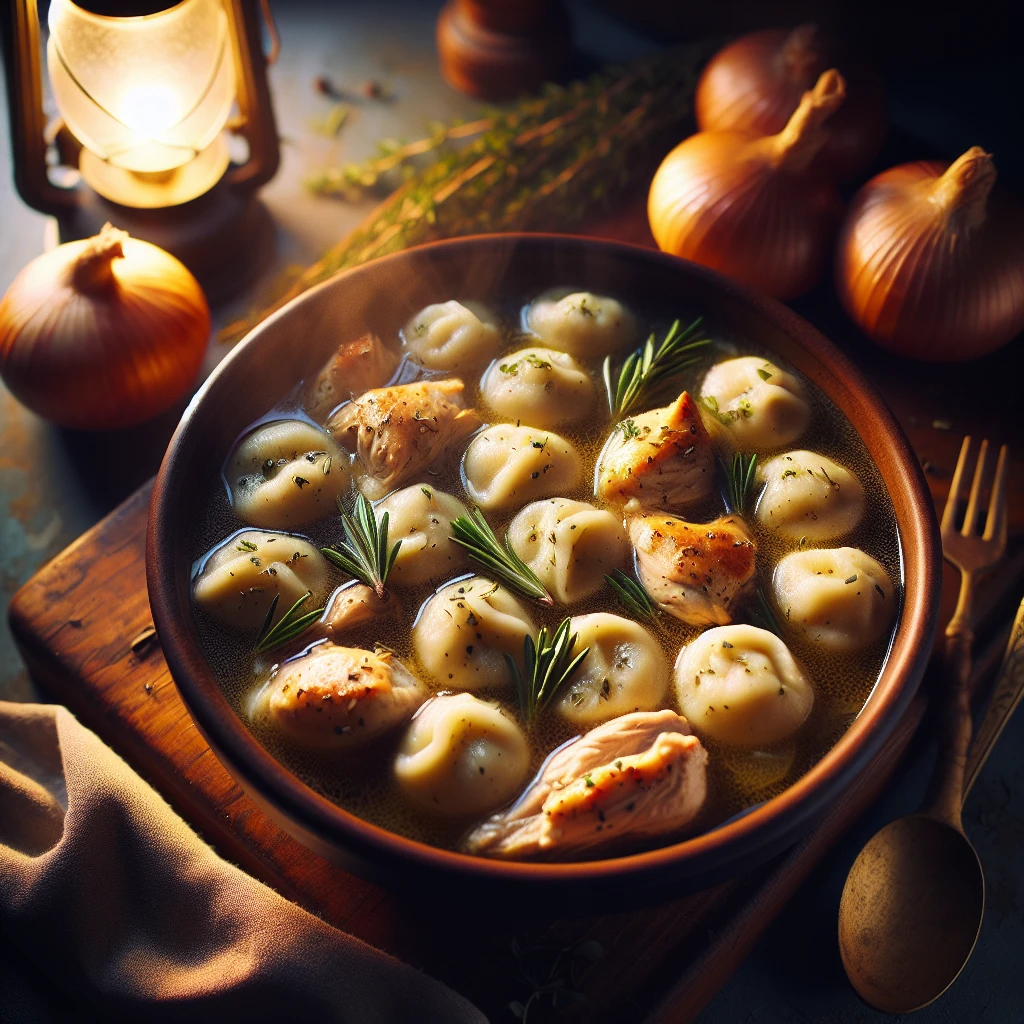
Rustic Chicken and Herb Dumplings is a cozy, hearty dish that's perfect for those chilly days when you need a little comfort. With tender chicken, fluffy herb-infused dumplings, and a rich broth filled with veggies, it's a true hug in a bowl. Let's dive into this soul-warming recipe!
 Share
Share
This post may contain affiliate links. As an Amazon Associate, we earn from qualifying purchases.
Ingredients for Rustic Chicken and Herb Dumplings
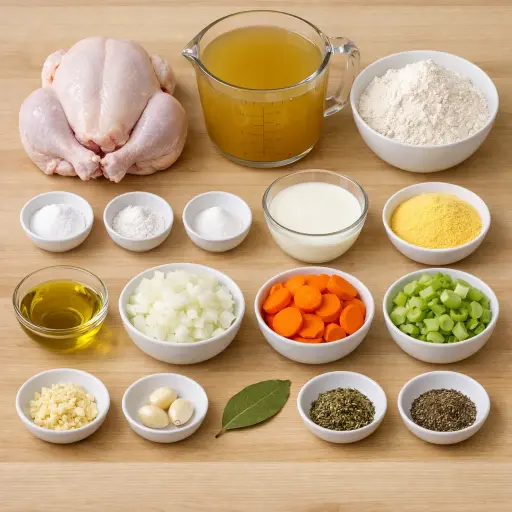
Chicken is the heart of the recipe, providing the base flavor and hearty protein. We use a whole chicken for maximum flavor.
Chicken broth adds depth and richness to the soup. Homemade or quality store-bought can make a big difference.
Flour and cornmeal form the base of our dumplings, giving them structure and a slight texture.
Baking powder helps the dumplings puff up beautifully, making them light and fluffy.
Buttermilk brings a tangy richness to the dumplings and helps keep them tender.
Parsley and chives infuse the dumplings with fresh, herby goodness.
Olive oil is used to sauté the vegetables, adding a subtle richness.
Onion, carrots, and celery are classic soup veggies that add sweetness and depth.
Garlic enhances the overall flavor with its aromatic punch.
Bay leaf and thyme provide earthy, savory notes that complement the chicken beautifully.
Black pepper adds the right touch of subtle heat to round out the flavors.
Why This Rustic Chicken and Herb Dumplings Works
As the chicken simmers in the broth for a long time, the meat slowly loosens from the bones and stays surrounded by hot liquid the whole time. That steady, gentle heat keeps the chicken moist instead of drying out, and the bones and skin sit in the pot long enough to make the broth taste stronger and a little thicker. By the time the chicken is shredded and put back in, the broth is already rich and the vegetables are soft but not mushy.
In the bowl, the flour, cornmeal, and baking powder set up the structure for the dumplings. Once the buttermilk goes in, the dough becomes thick but still soft. As spoonfuls of that dough sit in the hot broth with the lid on, the baking powder starts to puff, and steam from the broth pushes through the dumplings. They cook from the outside in, so the outsides hold together while the centers stay tender. The cornmeal gives a slight bite, and the herbs spread through each dumpling instead of just floating in the soup.
Rustic Chicken and Herb Dumplings Tips & Tricks
- For a richer flavor, try browning the chicken in the pot before adding the broth.
- Use a cookie scoop to drop the dumplings for more uniform sizes.
- If you prefer thicker broth, mash some of the cooked veggies and stir them back into the pot.
Mistakes To Avoid
Letting the chicken simmer on too high a heat can make the broth evaporate too fast and the meat tighten up. The pot ends up with less liquid to cook the dumplings in, and the chicken turns stringy instead of tender.
Pulling the chicken too early, before it is fully cooked and soft, leaves the meat tough and hard to shred. The pieces stay chunky and chewy in the soup, and they do not mix evenly through the broth.
Dropping dumpling dough into a rolling boil instead of a gentle simmer makes the outside of the dumplings set fast while the inside stays raw and gummy. The dumplings look done on top but stay dense and doughy in the center.
Overmixing the dumpling dough beats too much air out and works the flour and cornmeal until they get tight. The dough turns heavy and sticky, and the cooked dumplings come out dense instead of fluffy.
Adding the shredded chicken back too early and letting it boil hard with the dumplings can dry the meat out. The chicken fibers keep tightening in the hot liquid, so the soup has tough bits of meat instead of soft shreds.
Equipment Used:
Ingredients
- 3 lbs whole chicken
- 8 cups chicken broth
- 2 cups all-purpose flour
- 1 cup cornmeal
- 2 tbsp baking powder
- 1 tsp salt
- 1 cup buttermilk
- 1/4 cup chopped fresh parsley
- 1/4 cup chopped fresh chives
- 2 tbsp olive oil
- 1 large onion, diced
- 3 carrots, sliced
- 3 celery stalks, sliced
- 3 garlic cloves, minced
- 1 bay leaf
- 1 tsp dried thyme
- 1/2 tsp black pepper
Step-by-step Instructions
- 1. In a large pot, heat olive oil over medium heat, add onion, carrots, and celery, and sauté until softened.
- 2. Add garlic and continue to cook for 1 minute until fragrant.
- 3. Pour in chicken broth and add the whole chicken, bay leaf, thyme, and black pepper. Bring to a boil.
- 4. Reduce heat to low, cover, and simmer for 1 hour until chicken is fully cooked.
- 5. Remove chicken from the pot, shred meat, and discard skin and bones. Return shredded chicken to the pot.
- 6. In a bowl, mix flour, cornmeal, baking powder, and salt. Stir in buttermilk, parsley, and chives to form a dough.
- 7. Drop spoonfuls of dough into the simmering pot. Cover and cook for 15 minutes until dumplings are fluffy.
- 8. Serve hot, garnished with additional parsley and chives if desired.
Trending Now
Zesty Summer Squash Casserole
This delightful summer squash casserole combines vibrant garden-fresh vegetables w...
View Recipe
Classic Cucumber Salad
A refreshing and light cucumber salad featuring crisp cucumbers and a tangy vinaig...
View Recipe
Classic Banana Bread
Classic Banana Bread is a timeless dessert beloved for its moist texture and sweet...
View Recipe
Traditional Dump Cake
Discover the timeless delight of the Traditional Dump Cake, a simple and scrumptio...
View RecipeFrequently Asked Questions
- Can I use chicken breasts instead of a whole chicken?
- Yes, you can, but using a whole chicken gives a richer, deeper flavor to the broth.
- Can I make this dish ahead of time?
- Absolutely! It actually tastes better the next day as the flavors meld together.
- Is there a substitute for buttermilk in the dumplings?
- You can use regular milk with a tablespoon of lemon juice or vinegar added to it. Let it sit for a few minutes before using.
Serving Ideas for Rustic Chicken and Herb Dumplings
This dish pairs wonderfully with a simple green salad and crusty bread to soak up all the delicious broth. A light white wine, like a Sauvignon Blanc, complements the flavors nicely.
More Soups & Stews Recipes
Classic Clam Chowder
Indulge in a timeless seaside staple with our Classic Clam Chowder recipe, a rich ...
View Recipe
Traditional Beef Stew
A heartwarming traditional beef stew that combines tender beef chunks with classic...
View Recipe
Southwestern Chipotle Taco Soup
Explore the bold flavors of the Southwest with this unique variation of taco soup,...
View Recipe
Southwest Fiesta Taco Soup
Discover the vibrant flavors of our Southwest Fiesta Taco Soup, a quick and hearty...
View Recipe