
Rum-Soaked Fruitcake
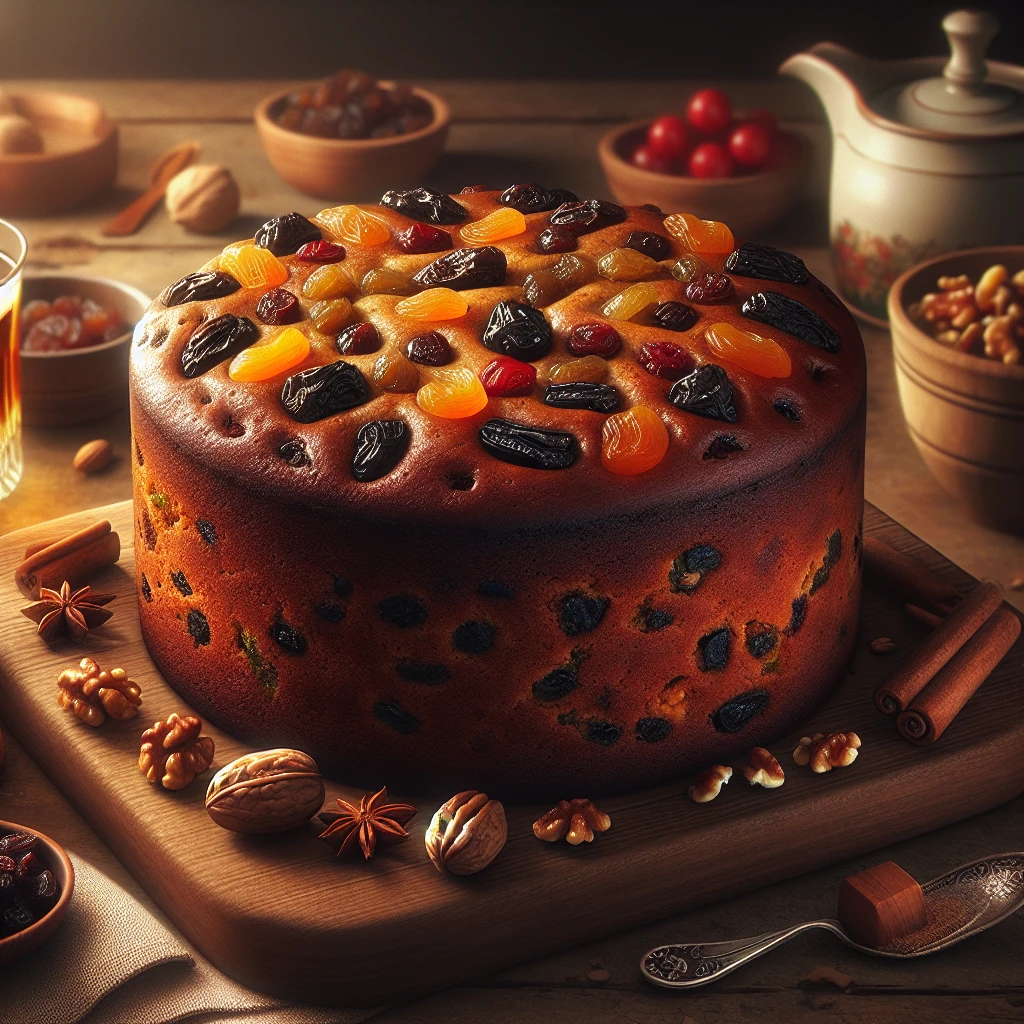
This Rum-Soaked Fruitcake is a delightful twist on the classic holiday treat. It's packed with a medley of dried fruits and nuts, all soaked in rich rum for an unforgettable flavor. Perfect for festive gatherings or as a special homemade gift.
 Share
Share
This post may contain affiliate links. As an Amazon Associate, we earn from qualifying purchases.
Ingredients for Rum-Soaked Fruitcake
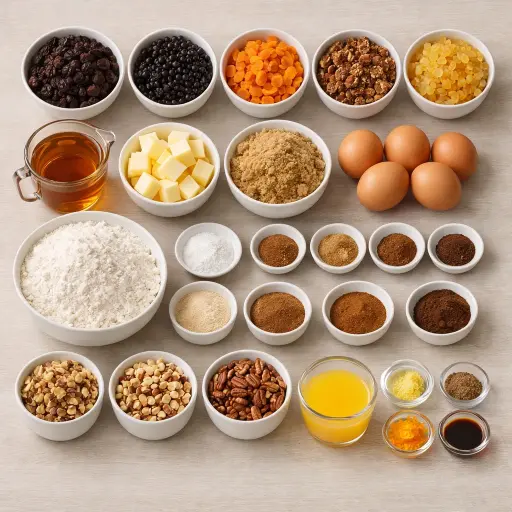
Raisins and currants provide a sweet and chewy base, while dried apricots and dried figs add a bit of tartness and depth. Candied orange peel and candied lemon peel give the cake a citrus zing. The rum not only flavors but also preserves the fruit. Unsalted butter and brown sugar create a rich, caramel-like sweetness. Eggs bind everything together, creating a moist texture. The combination of flour and baking powder gives structure. A blend of cinnamon, nutmeg, allspice, and cloves evokes the warmth of the season. The trio of walnuts, almonds, and pecans adds crunch. Orange juice and the zest of lemon and orange brighten the flavor, while vanilla extract rounds out the aroma.
Why This Rum-Soaked Fruitcake Works
Soaking the dried fruit in rum for a full day lets the fruit drink up the liquid and swell. Instead of staying tough and chewy, the raisins, currants, apricots, and figs become plump and soft. When they bake, that soaked-up rum and juice slowly leak out into the batter around them, so the cake stays moist instead of drying out.
As the cake bakes, the butter, eggs, and flour set into a firm but tender structure that can actually hold all that heavy fruit and nuts without falling apart. The baking powder gives a gentle lift so the cake doesn’t feel dense like a brick. Spices and citrus zest spread through the batter while it heats, so every bite tastes even, not just the spots with fruit.
During the week of resting, the moisture from the soaked fruit and the orange juice keeps moving through the cake. The crumb evens out, the edges soften, and the rum and spices settle in. By the time it is sliced, the cake holds together in neat slices and stays moist all the way through.
Rum-Soaked Fruitcake Tips & Tricks
- For a deeper flavor, use dark rum instead of light rum.
- If you're short on time, a few hours of fruit soaking will work, but 24 hours is ideal.
- Check the cake around the 1-hour mark; ovens can vary, and you don't want to overbake.
Mistakes To Avoid
Skipping the full 24-hour soak for the dried fruit often leaves the pieces tough and chewy. The fruit doesn’t pull in enough rum or moisture, so it stays hard while the batter around it bakes, giving the cake dry, rubbery bites instead of soft pockets.
Letting the cake overbake, even by 10–15 minutes, can make the whole thing crumbly and dry. The edges turn hard and the center loses its moisture, so slicing gives lots of crumbs and the slices break instead of cutting cleanly.
Adding the soaked fruit and nuts with a mixer instead of folding them in by hand can crush the fruit and overwork the batter. The broken fruit bleeds into the batter, the nuts sink, and the cake bakes up dense with a heavy layer of fruit at the bottom.
Skipping the aging time after baking leaves the cake tight and slightly harsh from the rum. The crumb doesn’t have time to relax and even out, so the texture stays firmer and the rum feels sharp instead of mellow and smooth.
Equipment Used:
Ingredients
- 1 cup raisins
- 1 cup currants
- 1 cup chopped dried apricots
- 1 cup chopped dried figs
- 1 cup chopped candied orange peel
- 1 cup chopped candied lemon peel
- 1 cup rum
- 1 cup unsalted butter
- 1 cup brown sugar
- 4 large eggs
- 2 cups all-purpose flour
- 1 tsp baking powder
- 1 tsp cinnamon
- 1/2 tsp nutmeg
- 1/2 tsp allspice
- 1/4 tsp cloves
- 1/2 cup chopped walnuts
- 1/2 cup chopped almonds
- 1/2 cup chopped pecans
- 1/2 cup orange juice
- Zest of 1 lemon
- Zest of 1 orange
- 1 tsp vanilla extract
Step-by-step Instructions
- 1. In a large bowl, combine raisins, currants, dried apricots, dried figs, candied orange peel, and candied lemon peel. Pour rum over the dried fruits, cover, and let soak for at least 24 hours.
- 2. Preheat your oven to 325°F (160°C). Grease a 10-inch bundt pan.
- 3. In a mixing bowl, cream together the butter and brown sugar until light and fluffy.
- 4. Add eggs one at a time, beating well after each addition.
- 5. In another bowl, whisk together the flour, baking powder, cinnamon, nutmeg, allspice, and cloves.
- 6. Gradually add the dry ingredients to the wet ingredients, mixing until just combined.
- 7. Stir in the soaked fruits and any remaining rum, chopped nuts, orange juice, lemon zest, orange zest, and vanilla extract.
- 8. Pour the batter into the prepared pan and smooth the top.
- 9. Bake for 1 hour and 30 minutes, or until a toothpick inserted into the center comes out clean.
- 10. Allow the cake to cool in the pan for 15 minutes, then turn out onto a wire rack to cool completely.
- 11. Wrap the cooled cake in plastic wrap and foil, and allow it to age for at least a week before serving for enhanced flavor.
Trending Now
Classic Banana Bread
Classic Banana Bread is a timeless dessert beloved for its moist texture and sweet...
View Recipe
Classic Cucumber Salad
A refreshing and light cucumber salad featuring crisp cucumbers and a tangy vinaig...
View Recipe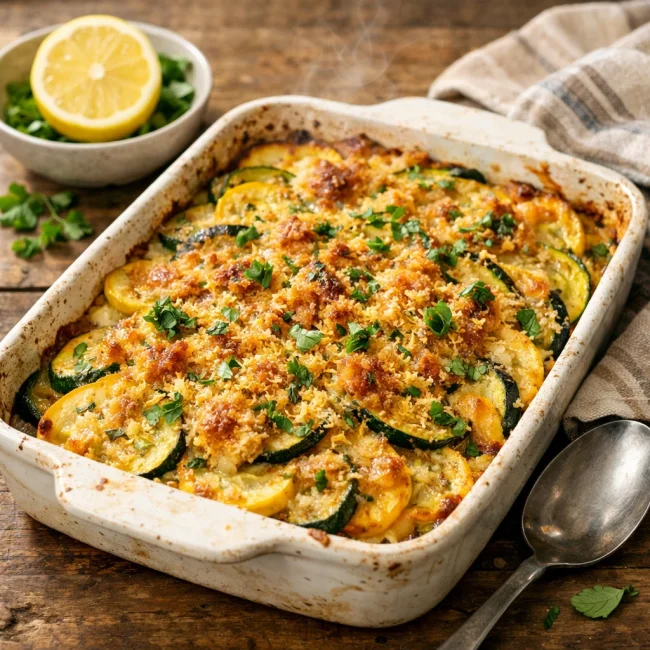
Zesty Summer Squash Casserole
This delightful summer squash casserole combines vibrant garden-fresh vegetables w...
View Recipe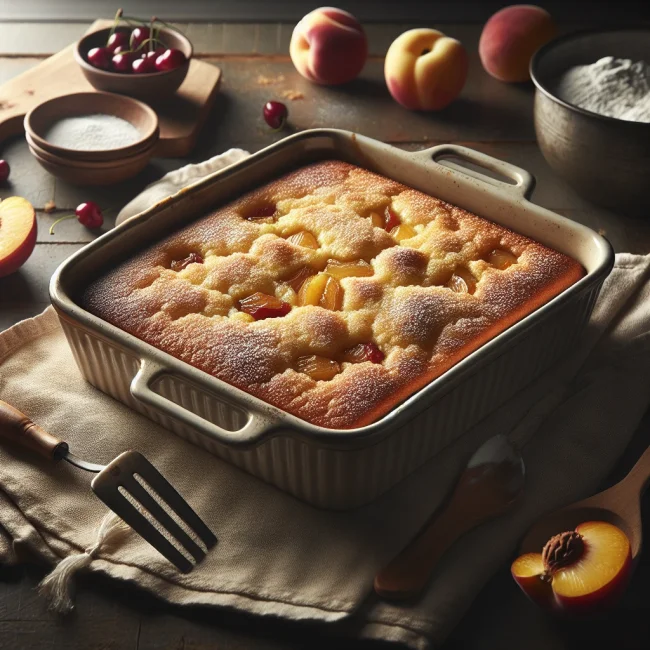
Traditional Dump Cake
Discover the timeless delight of the Traditional Dump Cake, a simple and scrumptio...
View RecipeFrequently Asked Questions
- Can I use other dried fruits?
- Absolutely! Feel free to substitute with your favorites like dates or prunes.
- How long will this fruitcake keep?
- When stored properly in an airtight container, it can last for several weeks.
- Is there a non-alcoholic version?
- You can substitute the rum with apple juice, but the flavor will be different.
Serving Ideas for Rum-Soaked Fruitcake
This fruitcake pairs wonderfully with a dollop of whipped cream or a scoop of vanilla ice cream. For a festive touch, serve with a glass of spiced hot cider or mulled wine. It's also lovely with a sharp cheddar cheese for a sweet-and-savory contrast.
More Breads & Baked Goods Recipes
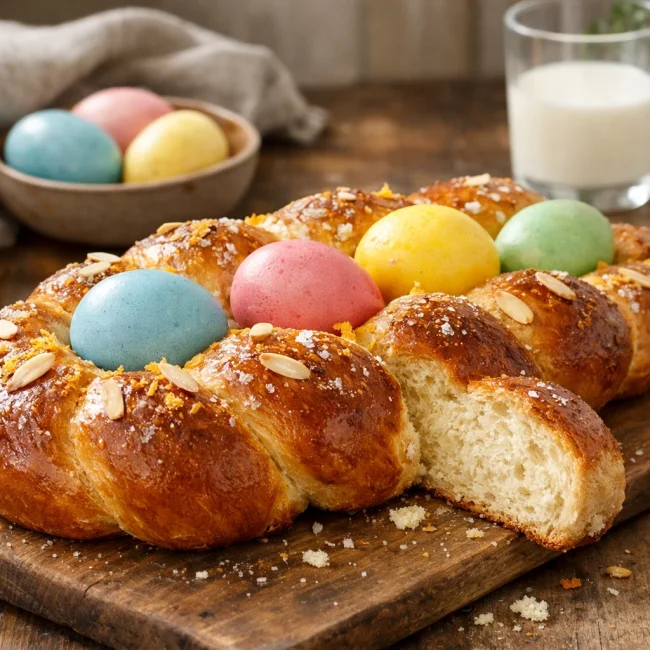
Traditional Italian Easter Bread
Savor the delightful taste of a classic Italian Easter bread, a sweet, soft, and s...
View Recipe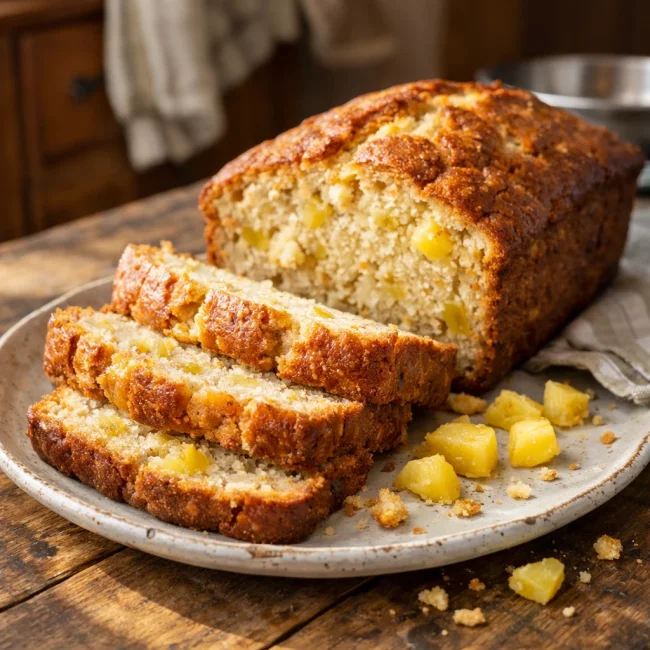
Old-Fashioned Pineapple Bread
A delightful and flavorful bread infused with juicy pineapple, perfect for breakfa...
View Recipe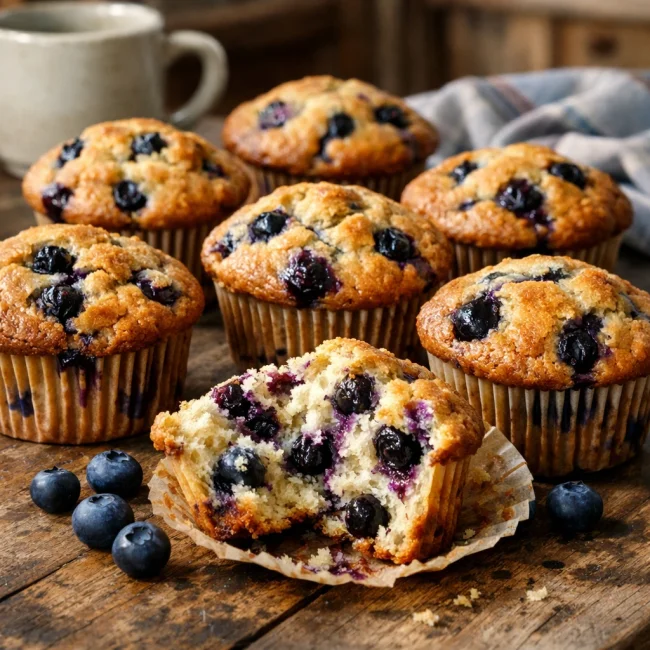
Old-Fashioned Blueberry Muffins
Transport yourself to simpler times with these delightful old-fashioned blueberry ...
View Recipe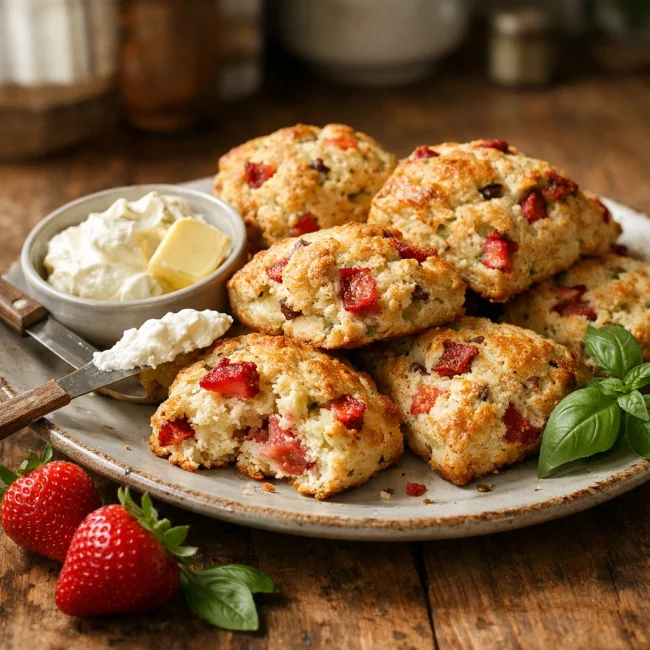
Strawberry Basil Scones
These tender scones combine the sweetness of fresh strawberries with a hint of pep...
View Recipe