
Rosemary Olive Oil Shortbread
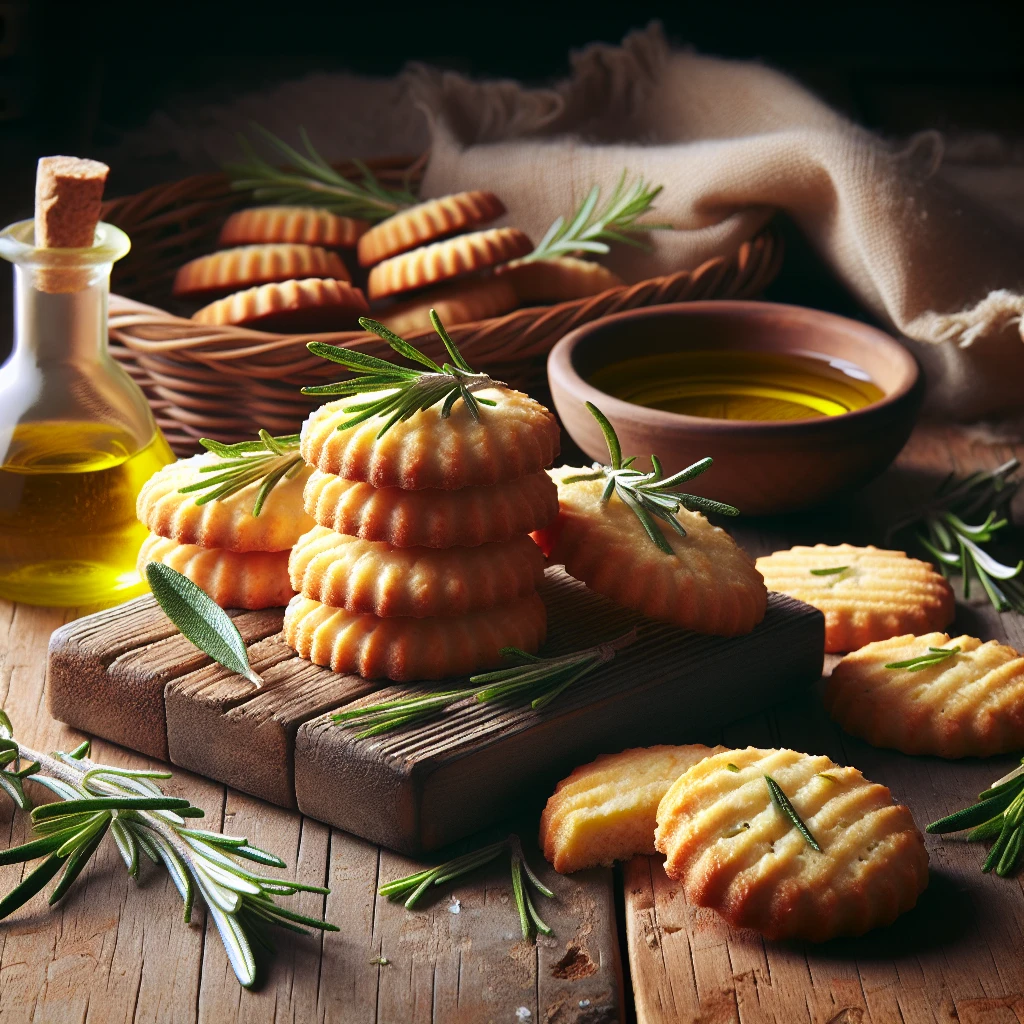
Looking for a unique twist on classic shortbread? This Rosemary Olive Oil Shortbread combines the savory aroma of fresh rosemary with the rich texture of olive oil. Perfect for a cozy afternoon treat or a sophisticated addition to your holiday cookie platter.
 Share
Share
This post may contain affiliate links. As an Amazon Associate, we earn from qualifying purchases.
Ingredients for Rosemary Olive Oil Shortbread
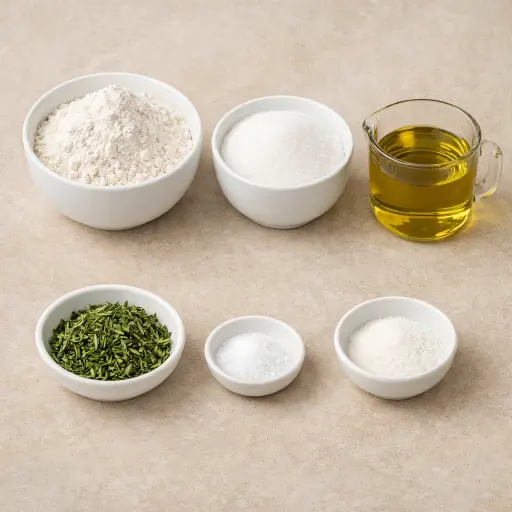
The star here is olive oil, which lends a rich, moist texture that butter often provides in traditional shortbread. It also complements the herbal flavor of rosemary, adding a fragrant twist without overpowering. Our base, all-purpose flour, gives the shortbread its structure. Granulated sugar sweetens the deal, while a pinch of salt heightens the overall flavor profile. Fresh rosemary is key for its vibrant, aromatic presence.
Why This Rosemary Olive Oil Shortbread Works
In the bowl, the dry flour and sugar coat the tiny bits of rosemary and salt so everything spreads out evenly. As the olive oil is mixed in, it soaks into the flour and sugar and turns the loose mixture into a soft dough that can be pressed and rolled. The oil slides between the flour particles, so they do not grab onto each other as tightly as they would with water or butter. That is why the baked shortbread stays tender instead of turning hard.
In the oven, the sugar starts to melt and then firms back up as it cools, which gives the cookies their crisp snap. At the same time, the flour dries out just enough to hold its shape, while the olive oil keeps the center from drying too much. The low oven temperature lets the edges slowly turn golden without burning, so the shortbread bakes through evenly and keeps a light, crumbly texture.
Rosemary Olive Oil Shortbread Tips & Tricks
- If the dough is too crumbly, add a touch more olive oil, a teaspoon at a time, until it holds together.
- Chill the dough for 15-20 minutes before rolling if it feels too soft to handle.
- Experiment with other herbs like thyme or lavender for a different flavor profile.
Mistakes To Avoid
Letting the shortbread bake too long at 325°F dries it out and darkens the edges too much. The cookies turn hard and brittle instead of having a tender, crumbly bite, and the rosemary can taste harsh when it gets too toasted.
Adding all the olive oil at once often leaves dry pockets of flour that don’t fully hydrate. The dough then looks crumbly and uneven, so when it bakes, some parts spread more than others and the cookies come out with rough, cracked surfaces.
Rolling the dough much thinner than 1/4 inch makes the shortbread bake too fast. The edges brown before the centers have time to set properly, so the cookies end up crisp and almost chip-like instead of soft and sandy in the middle.
Using dried rosemary instead of finely chopped fresh rosemary changes the texture in the dough. The stiff, dry needles don’t soften much in the oven, so the finished shortbread has tough little bits that feel sharp and distracting when bitten.
Equipment Used:
Mixing bowl, Whisk, Baking sheet, Parchment paper, Rolling pin, Cookie cutter, Wire rack
Ingredients
- 1 cup all-purpose flour
- 1/2 cup granulated sugar
- 1/2 cup olive oil
- 1 tablespoon fresh rosemary, finely chopped
- 1/4 teaspoon salt
Step-by-step Instructions
- 1. Preheat the oven to 325°F (160°C) and line a baking sheet with parchment paper.
- 2. In a bowl, whisk together the flour, sugar, rosemary, and salt.
- 3. Gradually add olive oil, mixing until the dough comes together.
- 4. Roll out the dough to about 1/4 inch thickness and cut into desired shapes.
- 5. Place on the prepared baking sheet and bake for 20-25 minutes until the edges are golden.
- 6. Allow to cool on a wire rack before serving.
Trending Now
Oven-Baked Pork Chops
Enjoy a delightful dinner with these tender and juicy oven-baked pork chops, seaso...
View Recipe
Traditional Corn Casserole
A delightful corn casserole dish that embodies the comforting flavors of sweet cor...
View Recipe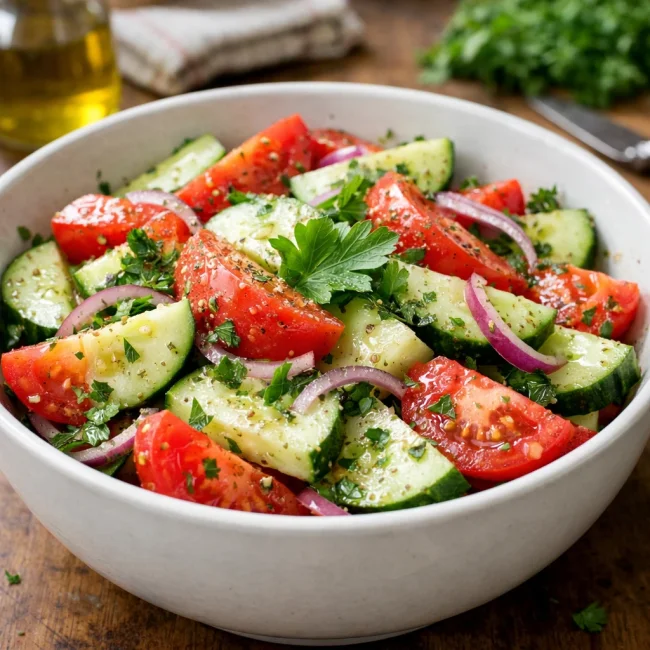
Traditional Cucumber and Tomato Salad
A refreshing and simple salad combining crisp cucumbers and juicy tomatoes, season...
View Recipe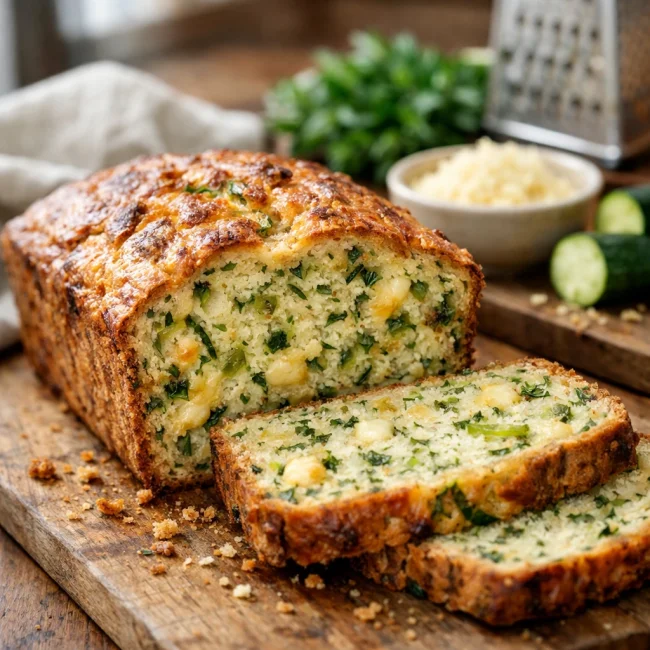
Savory Zucchini Bread
Savory Zucchini Bread is a delectable twist on traditional zucchini recipes, combi...
View RecipeFrequently Asked Questions
- Can I use dried rosemary instead of fresh?
- Yes, but reduce the amount to about 1 teaspoon, as dried herbs are more potent.
- What type of olive oil is best?
- Use a good-quality extra virgin olive oil for the best flavor.
- Can I make this gluten-free?
- Absolutely, just substitute the all-purpose flour with a 1-to-1 gluten-free baking blend.
Serving Ideas for Rosemary Olive Oil Shortbread
This shortbread pairs beautifully with a cheese platter, particularly with creamy cheeses like Brie or goat cheese. For a sweet pairing, try it alongside a lemon curd or berry compote. It’s also an excellent accompaniment to herbal teas.
More Desserts Recipes
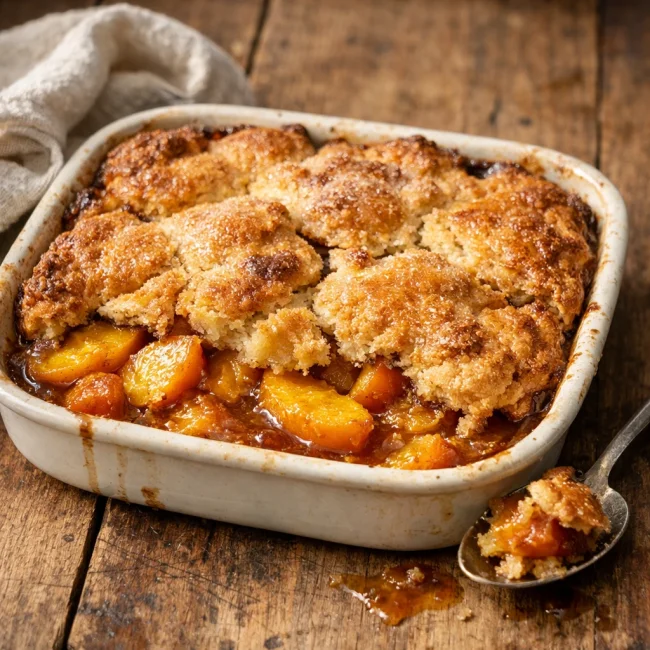
Rustic Vanilla Peach Cobbler
This rustic vanilla peach cobbler combines a rich, buttery crust with the sweet, v...
View Recipe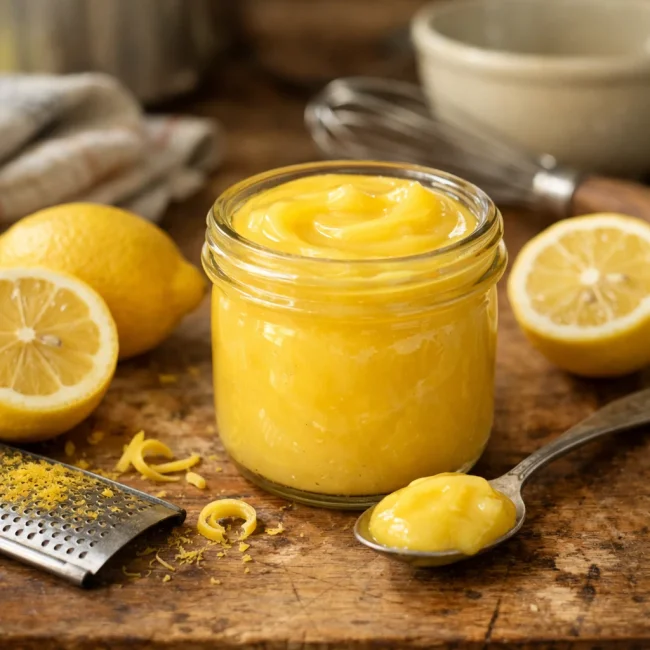
Traditional Lemon Curd
A classic, tangy lemon curd that is perfect for enhancing desserts, breakfast dish...
View Recipe
Traditional Cream Cheese Pie
A delightful and timeless dessert, Traditional Cream Cheese Pie offers a rich and ...
View Recipe
Timeless Cream Puff Delight
Indulge in a delectable Timeless Cream Puff Delight, a classic dessert featuring a...
View Recipe